


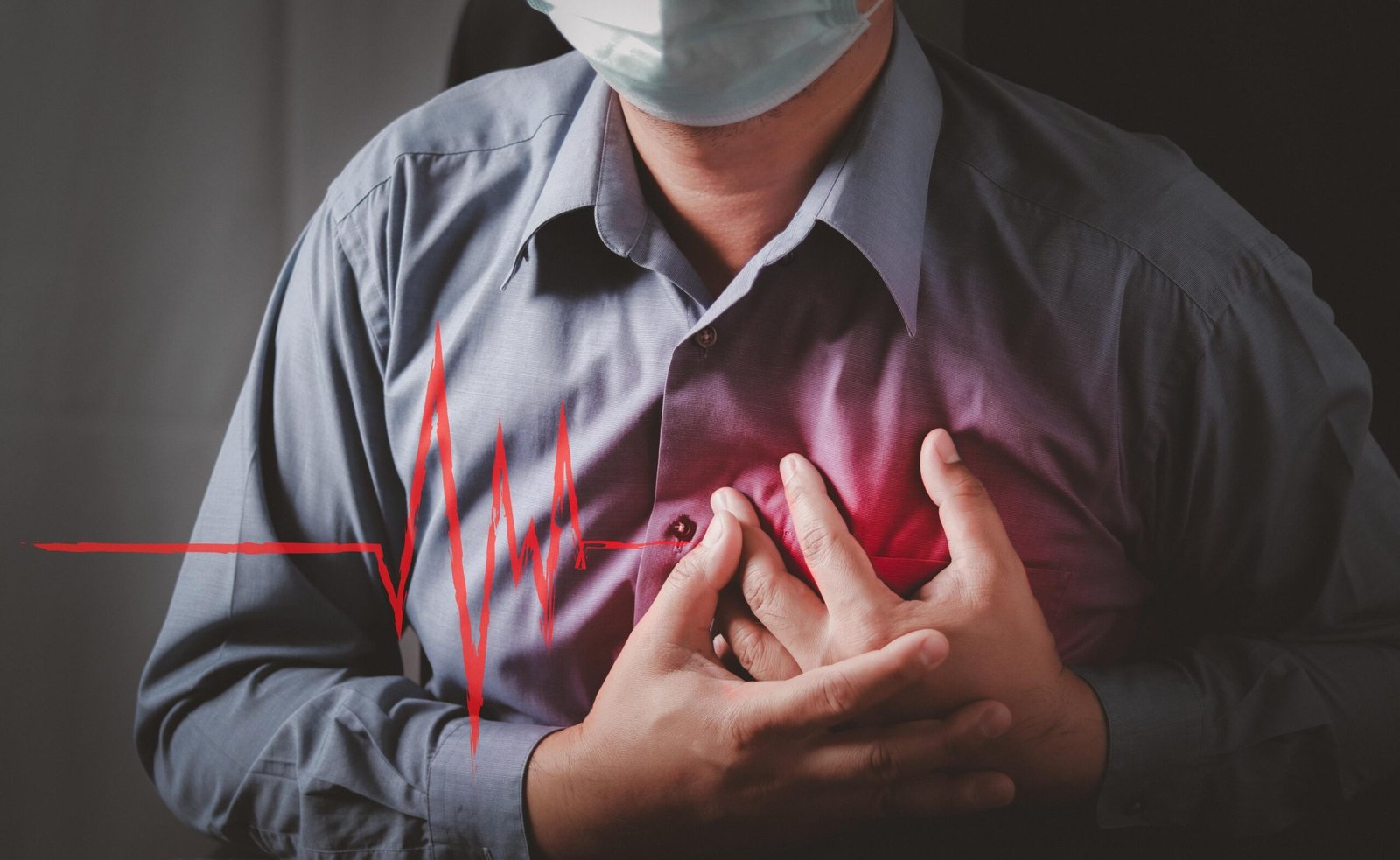
Heart Palpitations: Causes, When to Worry & Treatment
Heart palpitations are sensations of the heart beating unusually fast, hard, or irregularly often described as a fluttering, pounding, skipping beats, or a fast heartbeat that becomes suddenly noticeable. Palpitations can last a few seconds to a few minutes and may be felt in the chest, throat or neck. While occasional palpitations are often harmless, frequent or persistent palpitations should be evaluated by a healthcare provider to rule out an underlying cause and protect long-term cardiovascular health. Cardiologists at SRM Global Hospitals in Chennai assess heart palpitations comprehensively identifying whether the cause is lifestyle-related or a sign of a more serious heart condition requiring appropriate treatment.
What Are Heart Palpitations?
Heart palpitations occur when a person becomes acutely aware of their own heartbeat whether it is beating too fast, too slow, or with an irregular pattern. Most people experience palpitations as:
A racing or fast heartbeat
Skipping beats or a brief pause followed by a strong beat
Fluttering or quivering in the chest
Heart beats rapidly with a pounding sensation in the chest, throat or neck
A feeling that the heart is flip-flopping or turning over
Palpitations can occur at rest, during physical activity, or immediately after eating or drinking caffeinated drinks. They typically last a few seconds to a few minutes and then resolve on their own. Many cases of heart palpitations are non-cardiac and driven by everyday lifestyle or physiological factors though some palpitations are caused by abnormal heart rhythms requiring medical evaluation.
What Causes Heart Palpitations?
Understanding what causes heart palpitations is the first step toward identifying whether they are harmless or a sign of an underlying heart condition. Palpitations can be triggered by a wide range of lifestyle factors, medical conditions, and cardiac causes.
Lifestyle and Dietary Triggers
Caffeine and stimulants are among the most common causes of palpitations in otherwise healthy individuals. High doses of caffeine from coffee, tea, energy drinks, or caffeinated drinks can directly trigger palpitations by overstimulating the heart’s electrical activity. Caffeine intake even at moderate levels can cause heart palpitations in sensitive individuals.
Alcohol consumption and drinking alcohol affect the heart’s electrical signals and can cause abnormal heart rhythms even in people without underlying heart disease. Heavy alcohol consumption is a well-known trigger of atrial fibrillation an irregular heartbeat characterised by rapid, disorganised palpitations.
Recreational drugs and illegal drugs including cocaine and methamphetamine are potent cardiac stimulants that can trigger severe palpitations, dangerous abnormal heart rhythms, and in extreme cases, cardiac arrest.
Strenuous exercise or sudden physical exertion shifts heart rates rapidly, causing palpitations particularly if the person is dehydrated or has not warmed up adequately before exercise.
Dehydration alters electrolyte balance particularly sodium, potassium, and magnesium levels potentially leading to heart palpitations. Electrolyte imbalances directly affect the heart’s electrical signals and can cause irregular heartbeat episodes.
Dietary triggers including high-carbohydrate, high-sodium, sugary, or spicy foods can trigger heart palpitations after eating in susceptible individuals. Large meals divert blood flow to the digestive system, which can cause a compensatory increase in heart rate and palpitations.
Caffeinated drinks including coffee, tea, and energy drinks are consistently among the most commonly reported trigger heart palpitations triggers. Reducing caffeine intake is one of the most effective first-line steps to stop heart palpitations in individuals with lifestyle-related palpitations.
Emotional and Psychological Causes
Stress and anxiety are leading causes of palpitations. Chronic worry or acute shock overstimulates the nervous system, triggering an adrenaline surge that forces the heart to beat faster or harder than normal. Strong emotional states including fear, excitement, and panic attacks can cause palpitations that resolve once the emotional trigger passes.
Panic attacks frequently cause heart palpitations alongside chest discomfort, shortness of breath, and a sense of impending doom. The palpitations caused by panic attacks are driven by excessive sympathetic nervous system activation and are not a sign of underlying heart disease though they can feel extremely alarming.
Stress levels both acute and chronic significantly affect cardiovascular health. Learning to manage stress levels through relaxation techniques, deep breathing, and regular physical activity is an important part of reducing palpitation frequency in anxiety-related cases.
Medical and Physiological Causes
Hormonal fluctuations during menstruation, pregnancy, or menopause can trigger temporary episodes of palpitations. These are typically benign, but palpitations during pregnancy should always be assessed by a healthcare provider to rule out a cardiac cause.
Overactive thyroid gland (hyperthyroidism) causes elevated thyroid hormone levels that directly speed up the heart’s function producing persistent fast heartbeat, palpitations, and abnormal heart rhythms. Heart palpitations from an overactive thyroid gland resolve with appropriate treatment of the underlying thyroid condition.
Vitamin and mineral deficiencies particularly magnesium, potassium, or vitamin B12 deficiency can contribute to heart palpitations by disrupting the heart’s electrical signals. These are often correctable causes of palpitations that respond well to dietary supplementation and balanced diet improvements.
Asthma inhalers, cold or asthma medications, nasal decongestants, and treatments for ADHD contain stimulant components that can cause heart palpitations as a side effect. Patients experiencing palpitations after starting a new medication should inform their healthcare provider before stopping any prescribed treatment.
Medical conditions including anaemia, fever, low blood sugar, and kidney disease can all cause or worsen palpitations by altering the internal environment in which the heart’s electrical activity operates.
Cardiac Causes of Heart Palpitations
Palpitations can be a sign of irregular heart rhythms (arrhythmias) or other cardiac issues including conditions that require urgent medical evaluation and appropriate treatment.
Atrial fibrillation (AF) an irregular heartbeat characterised by disorganised electrical signals in the upper chambers of the heart is one of the most important cardiac causes of palpitations. Atrial fibrillation causes a rapid, chaotic heart rhythm that significantly increases the risk that a clot breaks loose and travels to the brain, causing a stroke.
Supraventricular tachycardia (SVT) is a heart rhythm disorder characterised by episodes of very fast heartbeat the heart beats rapidly at 150 to 250 beats per minute that start and stop abruptly, usually lasting a few seconds to a few minutes.
Ventricular tachycardia is a more serious abnormal heart rhythm originating in the lower chambers of the heart. It can cause severe palpitations, shortness of breath, chest discomfort, unusual sweating, and dizziness and requires urgent medical treatment.
Heart failure where the heart’s function is impaired and it cannot pump blood effectively can cause compensatory rapid heart rate and palpitations as the heart attempts to maintain adequate blood flow.
Previous heart attack damage to the heart’s electrical pathways can cause abnormal heart rhythms and recurrent palpitations, particularly in patients with significant scarring of the heart muscle.
High blood pressure particularly when uncontrolled can cause structural changes in the heart that predispose to abnormal heart rhythms and palpitations.
Heart Palpitations Causes at a Glance
Category | Common Triggers |
|---|---|
Lifestyle | Caffeine intake, drinking alcohol, energy drinks, strenuous exercise, dehydration, recreational drugs |
Emotional | Stress levels, anxiety, panic attacks, shock |
Hormonal | Pregnancy, menopause, menstruation, overactive thyroid gland |
Medications | Asthma inhalers, cold or asthma medications, ADHD treatments, illegal drugs |
Nutritional | Electrolyte imbalances, magnesium or potassium deficiency, high-sodium diet |
Cardiac | Atrial fibrillation, SVT, ventricular tachycardia, heart failure, previous heart attack |
Medical conditions | Anaemia, fever, hyperthyroidism, kidney disease |
When Are Heart Palpitations Dangerous?
Most of the time, heart palpitations are not considered serious but they should not be ignored, especially if accompanied by other symptoms. Heart palpitations are dangerous and require immediate medical attention if they occur alongside:
Chest pain or chest discomfort may indicate a cardiac arrhythmia or acute heart condition
Shortness of breath particularly at rest, which suggests the palpitations may be compromising heart function
Dizziness or lightheadedness reduced blood flow to the brain during abnormal heart rhythms
Fainting or near-fainting a serious warning sign of a dangerous arrhythmia or cardiac arrest risk
Unusual sweating without exertion associated with high-risk cardiac events
Palpitations lasting more than a few minutes that do not resolve spontaneously
A clot breaks loose risk in patients with atrial fibrillation, uncontrolled palpitations significantly increase stroke risk
Seek medical attention immediately at SRM Global Hospitals if palpitations are accompanied by any of the above symptoms. Early medical evaluation is critical for determining the underlying cause and initiating appropriate treatment before complications develop.
Heart Palpitations That Are Generally Less Concerning
Palpitations are generally less concerning when they:
Last only a few seconds and resolve completely on their own
Occur after clear lifestyle triggers such as caffeine intake, strenuous exercise, or stress
Are not accompanied by chest pain, shortness of breath, or dizziness
Have been evaluated previously and confirmed as benign by a healthcare provider
Even when palpitations appear non-serious, frequent or persistent palpitations should prompt a medical evaluation. Keeping a log of heart palpitations noting when they occur, how long they last, and associated symptoms can help identify patterns and triggers, providing useful information for the cardiologist at SRM Global Hospitals.
How Are Heart Palpitations Diagnosed?
When a patient presents with palpitations, cardiologists at SRM Global Hospitals undertake a systematic medical evaluation to determine the underlying cause and decide on appropriate treatment.
Diagnostic Tests for Heart Palpitations
ECG (Electrocardiogram): The first-line test for assessing the heart’s electrical activity during palpitations. An ECG captures the heart rhythm and can identify atrial fibrillation, SVT, ventricular tachycardia, and other abnormal heart rhythms.
Holter Monitor (Ambulatory ECG): A portable ECG device worn for 24 to 48 hours to capture the heart’s electrical activity during daily life ideal for detecting intermittent palpitations that do not occur during a standard clinic ECG.
Heart Ultrasound (Echocardiogram): A heart ultrasound assesses the heart’s structure and function, identifying any underlying heart condition such as valve disease, heart failure, or previous heart attack damage that may be causing palpitations.
Blood Tests: To identify non-cardiac causes including thyroid disorders (overactive thyroid gland), anaemia, electrolyte imbalances (sodium, potassium, magnesium), and kidney disease that are causing or contributing to palpitations.
Blood Pressure Monitoring: To assess whether high blood pressure is contributing to abnormal heart rhythms and palpitations.
Exercise Stress Test: If palpitations are triggered by strenuous exercise, a treadmill stress test allows cardiologists to assess the heart’s electrical activity and heart rate response during controlled physical exertion.
Heart Palpitations Treatment
Heart palpitations treatment depends entirely on the underlying cause identified through medical evaluation. Many cases of palpitations require no medical treatment beyond lifestyle changes while cardiac causes such as atrial fibrillation or ventricular tachycardia require specific appropriate treatment.
Lifestyle Changes to Stop Heart Palpitations
For palpitations caused by lifestyle triggers, the following changes effectively reduce heart palpitations and help manage heart palpitations long-term:
Reduce caffeine intake: Cutting back on caffeinated drinks coffee, tea, and energy drinks is one of the most effective steps to stop heart palpitations triggered by stimulant intake
Limit drinking alcohol and alcohol consumption: Reducing or eliminating alcohol removes one of the most common trigger heart palpitations factors and protects against atrial fibrillation
Avoid recreational drugs and illegal drugs: Stimulant recreational drugs directly cause dangerous palpitations and abnormal heart rhythms
Manage stress levels: Relaxation techniques including deep breathing exercises, meditation, yoga, and regular physical activity calm the nervous system and reduce palpitation frequency
Stay hydrated: Maintaining adequate fluid intake prevents dehydration-related electrolyte imbalances that cause palpitations
Maintain a balanced diet: A balanced diet rich in magnesium and potassium leafy greens, nuts, bananas, and legumes supports healthy heart electrical activity
Avoid strenuous exercise without warm-up: Gradual exercise progression prevents sudden heart rate shifts that cause exercise-induced palpitations
How to Calm Heart Palpitations Fast
When palpitations occur, the following techniques can calm heart palpitations fast in benign, lifestyle-related episodes:
Deep breathing exercises: Slow, deep breathing activates the vagus nerve the parasympathetic nerve that slows heart rate and can stop palpitations within a few seconds to a few minutes
Vagus nerve manoeuvres: Splashing cold water on the face, bearing down as if during a bowel movement (the Valsalva manoeuvre), or coughing firmly can stimulate the vagus nerve and interrupt a fast heartbeat
Relaxation techniques: Progressive muscle relaxation, meditation, and focused breathing reduce adrenaline-driven palpitations rapidly
Lie down: Moving from standing to lying down and breathing slowly helps restore normal lives and regular heart rhythm in many cases of benign palpitations
Medical Treatment for Heart Palpitations
When palpitations are caused by an underlying heart condition, medical treatment is directed at managing the cardiac cause:
Atrial fibrillation: Rate control medications (beta blockers, calcium channel blockers), rhythm control medications (antiarrhythmics), blood thinners to reduce stroke risk, and in selected cases electrical cardioversion or catheter ablation
SVT and other heart rhythm disorders: Antiarrhythmic medications, catheter ablation to eliminate the abnormal electrical pathway, or in some cases, a pacemaker
Heart failure: Optimised medical therapy to improve the heart’s function and reduce compensatory palpitations
Overactive thyroid gland: Appropriate treatment of hyperthyroidism reliably resolves thyroid-driven palpitations
Medication-related palpitations: Review of asthma inhalers, cold or asthma medications, or other triggering medications with the prescribing healthcare provider with substitution of an alternative where possible
Get Expert Evaluation for Heart Palpitations — Book an Appointment
SRM Global Hospitals in Chennai provides comprehensive evaluation and medical treatment for heart palpitations from ECG and Holter monitoring to advanced arrhythmia management led by experienced cardiologists with specialist expertise in heart rhythm disorders.
12-lead ECG and ambulatory Holter monitoring for accurate capture of the abnormal heart rhythms causing palpitations
Heart ultrasound (echocardiogram) to identify any underlying heart condition contributing to palpitations
Comprehensive blood tests for thyroid function, electrolytes, and anaemia all common medical conditions that cause palpitations
Electrophysiology services for patients with atrial fibrillation, SVT, and ventricular tachycardia requiring catheter ablation
Personalised lifestyle and dietary guidance to stop heart palpitations caused by caffeine intake, alcohol consumption, stress, and other lifestyle triggers
Medication review and management for palpitations caused by asthma inhalers, cold or asthma medications, or other prescription drugs
Urgent cardiac evaluation for patients with palpitations accompanied by chest pain, shortness of breath, or fainting requiring immediate medical attention
FAQs on Heart Palpitations
1. What Causes Heart Palpitations?
Heart palpitations can be caused by lifestyle factors including caffeine intake, drinking alcohol, strenuous exercise, dehydration, and recreational drugs as well as emotional triggers such as stress and panic attacks, hormonal changes, medical conditions including an overactive thyroid gland and anaemia, medications including asthma inhalers and cold or asthma medications, and cardiac causes including atrial fibrillation, abnormal heart rhythms, and heart failure. Many cases of heart palpitations are non-cardiac and driven by everyday lifestyle or physiological factors that can be managed with simple lifestyle changes.
2. Are Heart Palpitations Dangerous?
Most of the time, heart palpitations are not considered dangerous when they occur in isolation, last only a few seconds, and resolve spontaneously. However, heart palpitations are dangerous and require immediate medical attention when accompanied by chest pain, chest discomfort, shortness of breath, unusual sweating, dizziness, or fainting as these symptoms may indicate a serious heart condition such as atrial fibrillation or ventricular tachycardia requiring urgent appropriate treatment.
3. How Do I Stop Heart Palpitations Fast?
To calm heart palpitations fast during a benign episode, try deep breathing exercises slow, controlled breaths activate the vagus nerve and can stop palpitations within a few seconds. Other techniques include the Valsalva manoeuvre (bearing down firmly as during a bowel movement), splashing cold water on the face, coughing firmly, and lying down while breathing slowly. Reducing caffeine intake, managing stress levels, and staying hydrated help reduce heart palpitations over the longer term.
4. When Should I Seek Medical Help for Heart Palpitations?
Seek medical attention at SRM Global Hospitals if palpitations last more than a few minutes, occur frequently, are accompanied by chest pain or chest discomfort, shortness of breath, unusual sweating, dizziness, or fainting, or if you have a known heart condition or previous heart attack. Frequent or persistent palpitations should always be evaluated by a healthcare provider even if they feel mild to rule out atrial fibrillation, heart rhythm disorders, or another underlying heart condition requiring appropriate treatment.
5. Can Anxiety Cause Heart Palpitations?
Yes. Anxiety, stress, and panic attacks are among the most common causes of heart palpitations in otherwise healthy individuals. Strong emotional states trigger an adrenaline surge that forces the heart to beat faster or harder, producing the sensation of palpitations. Palpitations caused by anxiety typically resolve once the emotional trigger passes and are not a sign of underlying heart disease though a medical evaluation is recommended if they occur frequently, are severe, or are accompanied by chest discomfort or shortness of breath.
6. How Are Heart Palpitations Treated?
Heart palpitations treatment depends on the underlying cause. Lifestyle-related palpitations are managed by reducing caffeine intake, limiting alcohol consumption, managing stress levels through deep breathing and relaxation techniques, and maintaining a balanced diet. Palpitations caused by medical conditions such as an overactive thyroid gland or electrolyte imbalances are treated by addressing the underlying condition. Cardiac causes such as atrial fibrillation, SVT, and other heart rhythm disorders require specific medical treatment including medications, catheter ablation, or in selected cases, cardioversion determined by cardiologists at SRM Global Hospitals through comprehensive medical evaluation.
