


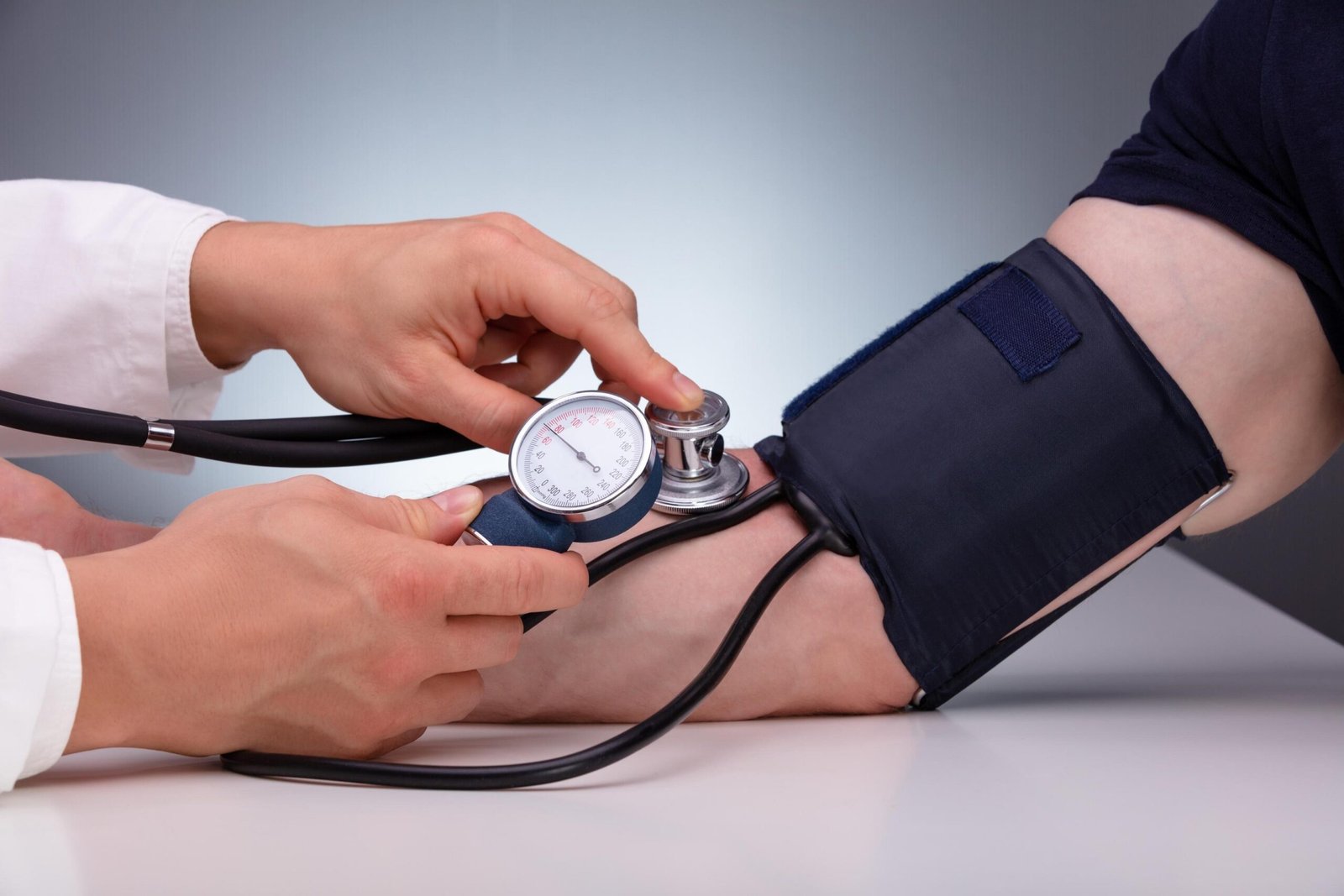
Low Blood Pressure (Hypotension): Symptoms, Causes & When to See a Doctor
Low blood pressure also called hypotension is generally defined as a blood pressure reading below 90/60 mm Hg. While high blood pressure is widely recognised as a cardiovascular risk, low blood pressure can be equally disruptive causing dizziness, fainting, fatigue, and in severe cases, restricting blood flow to vital organs. Low bp symptoms range from mild lightheadedness to serious cardiovascular compromise, depending on the underlying cause and the degree of the drop in blood pressure. Cardiologists and internal medicine specialists at SRM Global Hospitals in Chennai evaluate low blood pressure comprehensively identifying the underlying health condition, guiding treatment, and helping patients raise blood pressure safely and sustainably.
What Is Low Blood Pressure (Hypotension)?
Blood pressure is measured as two numbers systolic pressure (the pressure when the heart beats) over diastolic pressure (the pressure when the heart rests between beats) recorded in millimetres of mercury (mm Hg). A normal blood pressure reading in healthy adults is around 120/80 mm Hg.
Low blood pressure, or hypotension, is considered low blood pressure when the reading falls below 90/60 mm Hg. However, what is considered low blood pressure varies between individuals some people naturally maintain blood pressure levels in the low normal range throughout their lives without any symptoms, while others experience significant low bp symptoms even at readings slightly below their personal baseline.
A sudden drop in blood pressure is more clinically significant than a chronically low but stable reading as a sudden drop can restrict blood flow to the brain, heart, and other vital organs, indicating a potential medical concern requiring prompt evaluation by a healthcare provider.
Low BP Symptoms: What Does Low Blood Pressure Feel Like?
Low blood pressure symptoms arise because insufficient blood flow reaches the brain and other organs when blood pressure drops. The severity of low blood pressure symptoms depends on how low the blood pressure levels fall and how rapidly the drop in blood pressure occurs.
Common Low Blood Pressure Symptoms
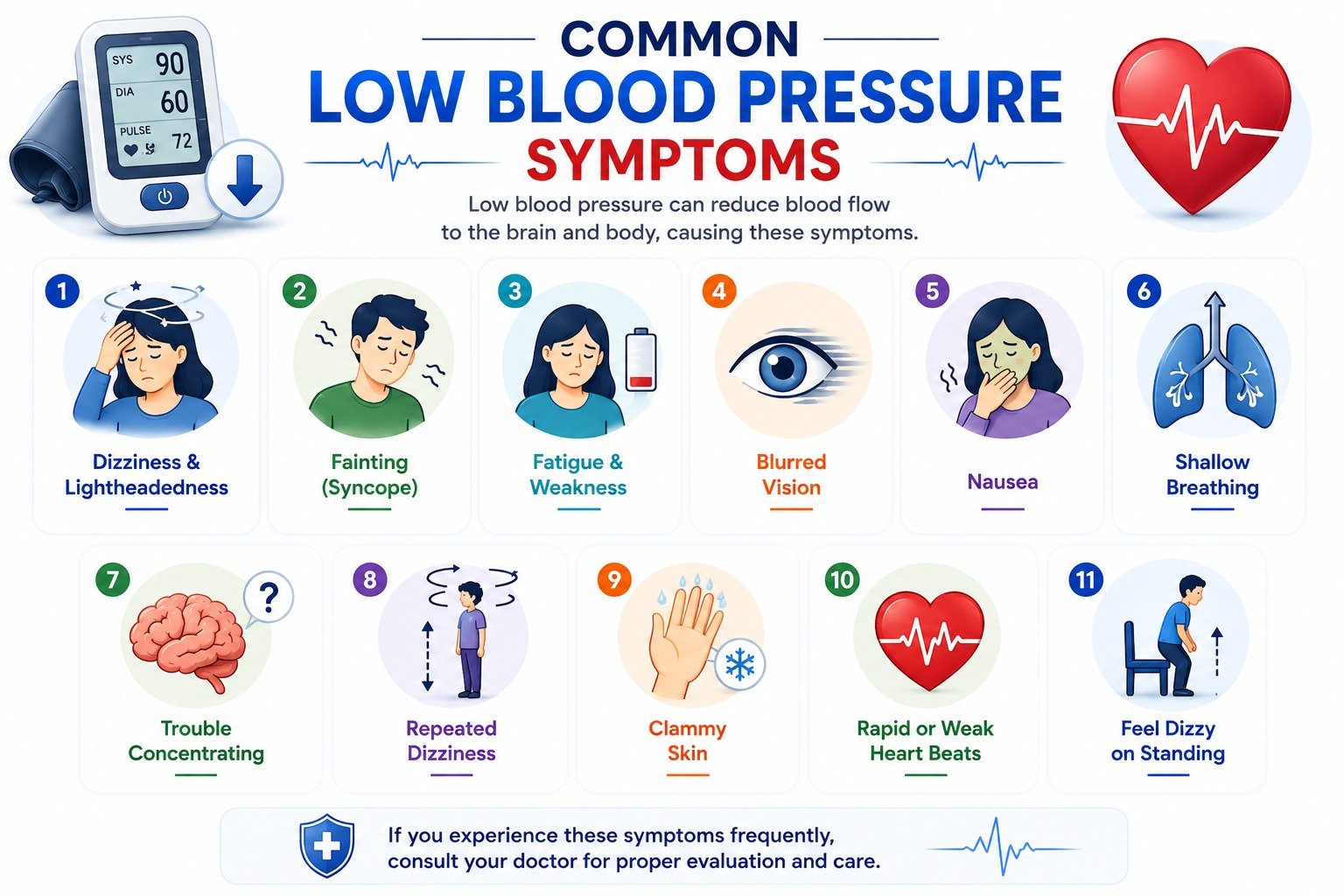
Dizziness and lightheadedness — the most commonly reported low bp symptoms, particularly when transitioning rapidly from sitting or lying to a standing position. This form of low blood pressure is called orthostatic hypotension.
Fainting (syncope) — a temporary loss of consciousness due to insufficient blood flow to the brain. Fainting spells significantly increase the risk of falls, causing a loss of confidence in physical activities or driving.
Fatigue and weakness — persistent low energy levels caused by reduced blood flow and oxygen delivery to the muscles and organs
Blurred vision — visual disturbances that occur when blood pressure drops suddenly and blood flow to the eyes and brain is transiently reduced
Nausea — low blood pressure can trigger nausea, particularly when associated with postprandial hypotension (a drop in blood pressure after eating)
Shallow breathing — reduced blood flow to the respiratory system can cause a sensation of breathlessness or shallow breathing
Trouble concentrating — reduced cerebral blood flow from low blood pressure affects cognitive function, causing difficulty focusing and mental fog
Repeated dizziness — recurrent episodes of dizziness on standing are a hallmark feature of orthostatic hypotension and warrant diagnostic testing
Clammy skin — cold, clammy skin accompanied by pallor indicates that the cardiovascular system is struggling to maintain adequate circulation
Rapid or weak heart beats — the heart may compensate for low blood pressure by increasing heart rate, producing a rapid but weak pulse
Feel dizzy on standing — a sudden feel dizzy sensation when rising from a chair or bed is the classic presentation of orthostatic hypotension
Severe Low Blood Pressure Symptoms Seek Immediate Medical Attention
A severe drop in blood pressure can restrict blood flow to vital organs and represents a medical emergency. Seek immediate care at SRM Global Hospitals if low bp symptoms include:
Severe Symptom | What It May Indicate |
|---|---|
Loss of consciousness or prolonged fainting | Severe drop in cerebral blood flow — possible cardiovascular collapse |
Chest pain with dizziness | Cardiac cause of low blood pressure — requires urgent evaluation |
Confusion or inability to respond | Dangerously restricted blood flow to the brain |
Clammy skin with rapid weak pulse | Shock — septic shock or cardiogenic shock possible |
Shallow breathing with low blood pressure | Possible septic shock or severe cardiovascular compromise |
Types of Low Blood Pressure
Not all low blood pressure is the same. Cardiologists and healthcare professionals at SRM Global Hospitals classify hypotension into specific types based on how and when the drop in blood pressure occurs.
Orthostatic Hypotension (Postural Hypotension)
Orthostatic hypotension is the most common form of low blood pressure. It occurs when blood pressure drops suddenly upon standing from a sitting or lying position typically causing a feel dizzy sensation, repeated dizziness, or brief fainting within a few seconds to minutes of changing body positions.
Orthostatic hypotension is particularly common in older adults, in patients on certain medications, and in those who are dehydrated. The sudden drop in blood pressure on standing occurs because the cardiovascular system cannot redistribute blood volume quickly enough to maintain blood pressure levels as the body position changes.
Postprandial Hypotension
Postprandial hypotension is a drop in blood pressure that occurs one to two hours after eating particularly after large meals. Blood is diverted to the digestive system after eating, reducing blood volume available to the rest of the cardiovascular system and causing a temporary drop in blood pressure levels. This type of low blood pressure is more common in older adults and patients with nervous system disorders. Eating small, frequent meals and avoiding foods high in refined carbohydrates helps prevent postprandial hypotension.
Neurally Mediated Hypotension
Neurally mediated hypotension occurs when a miscommunication between the heart and the nervous system causes blood pressure to drop suddenly often triggered by prolonged standing, emotional stress, or heat exposure. It is particularly common in younger individuals and often resolves without specific medical treatment beyond lifestyle modifications.
Severe (Shock-Related) Hypotension
A severe drop in blood pressure as occurs in septic shock, cardiogenic shock, or significant blood loss is a medical emergency. In septic shock, a severe infection spreads into the bloodstream causing a dangerous drop in blood pressure that requires immediate medical attention and intensive care. Blood loss from trauma or internal bleeding causes a severe drop in blood volume, producing a sudden drop in blood pressure levels that can rapidly become life-threatening.
What Causes Low Blood Pressure?
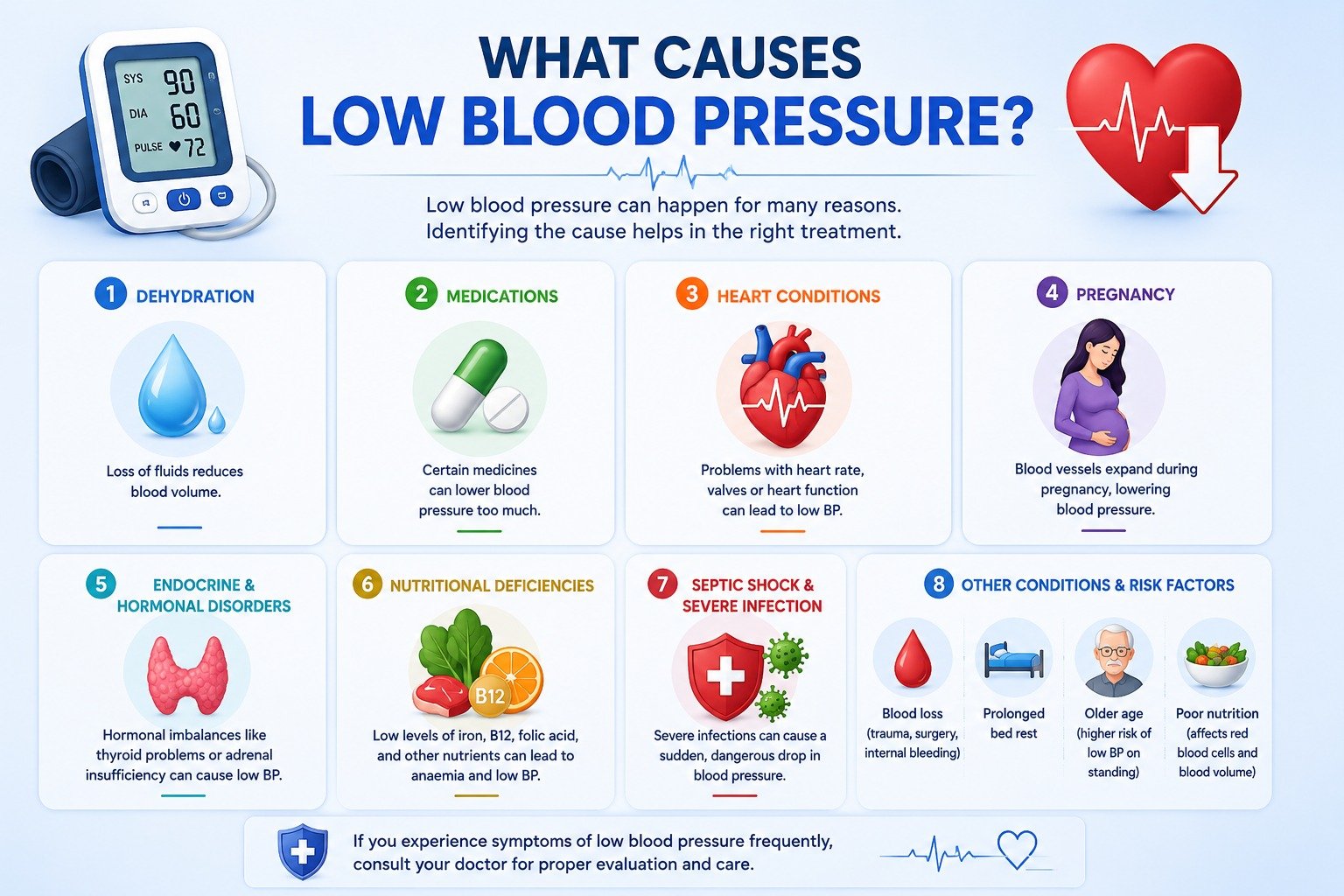
Common causes of low blood pressure include dehydration, medications, pregnancy, heart problems, endocrine disorders, nutrient deficiencies, and sudden emergencies. Understanding the underlying cause of low blood pressure is essential for the healthcare provider to recommend the most effective treatment.
Dehydration
Dehydration can lead to low blood pressure as it decreases blood volume which can occur due to excessive sweating, vomiting, diarrhea, or inadequate water intake. Reduced blood volume means the cardiovascular system has less blood to circulate, causing blood pressure levels to fall. Drinking plenty of water at least two to three litres daily helps maintain adequate blood volume and is one of the most effective natural remedies for managing mild low blood pressure caused by dehydration.
Medications
Certain medications are among the most common causes of low blood pressure in both younger and older adults. Certain medications that can cause a drop in blood pressure include:
Blood pressure medications prescribed for high blood pressure which can lower blood pressure too far if the dose is not carefully calibrated
Diuretics which reduce blood volume as a side effect
Antidepressants and anti-anxiety medications that affect the nervous system
Medications for Parkinson’s disease
Erectile dysfunction medications that cause vasodilation
Patients experiencing low bp symptoms after starting a new medication should inform their healthcare professional before stopping any prescribed treatment.
Heart Conditions
Certain heart conditions such as bradycardia (abnormally slow heart rate), heart valve disorders, or heart failure can cause low blood pressure because the heart cannot pump enough blood to meet the body’s needs. Heart failure in particular causes a progressive fall in blood pressure levels as the heart’s pumping capacity deteriorates. Cardiologists at SRM Global Hospitals assess heart health and cardiovascular system function through ECG, heart ultrasound, and other diagnostic testing when heart conditions are suspected as the cause of hypotension.
Pregnancy
During pregnancy, the circulatory system expands rapidly, which can temporarily lower blood pressure especially during the first and second trimesters. This is generally physiological and expected, but significant low blood pressure symptoms during pregnancy should be assessed by a healthcare provider to rule out complications.
Endocrine and Hormonal Disorders
Hormonal imbalances including thyroid disorders, adrenal insufficiency (Addison’s disease), and low blood sugar can contribute to low blood pressure. Adrenal insufficiency impairs the body’s ability to maintain blood pressure levels under stress, while hypothyroidism reduces cardiovascular system activity and can cause chronically low blood pressure.
Nutritional Deficiencies
Deficiencies in folic acid, vitamin B12, and iron can lead to low blood pressure by reducing healthy red blood cells causing anaemia, which impairs the blood’s ability to carry oxygen effectively and reduces blood flow throughout the body. Dietary habits that are consistently low in folic acid, citrus fruits, iron-rich foods, and cottage cheese or other protein sources may contribute to anaemia-related low blood pressure.
Septic Shock and Severe Infection
Severe infections that spread into the bloodstream can cause a dangerous drop in blood pressure known as septic shock which requires immediate medical attention and hospital admission. Septic shock causes severe vasodilation throughout the circulatory system, producing a sudden and life-threatening severe drop in blood pressure that cannot be managed outside a hospital setting.
Other Medical Conditions and Risk Factors
Other medical conditions and risk factors that increase the likelihood of low blood pressure include:
Blood loss from trauma, surgery, or internal bleeding directly reduces blood volume
Prolonged bed rest reduces cardiovascular system conditioning and blood volume
Older adults age-related changes in the circulatory system and nervous system increase susceptibility to orthostatic hypotension
Nutritional deficiencies affecting healthy red blood cells and blood volume
Natural Remedies and Lifestyle Changes to Raise Blood Pressure
For mild to moderate low blood pressure caused by lifestyle factors or mild underlying health conditions, natural remedies and dietary habits modifications are often the first line of management recommended by the healthcare provider at SRM Global Hospitals.
Increase Salt Intake (Under Medical Guidance)
Salt intake specifically sodium helps the body retain fluid and increase blood volume, which can raise blood pressure levels in patients with low blood pressure. However, increasing salt intake should only be done under guidance from a healthcare professional, as excessive salt intake raises the risk of high blood pressure and cardiovascular complications in susceptible individuals.
Drink Plenty of Water
Staying hydrated by drinking plenty of water at least two to three litres daily directly increases blood volume and helps maintain healthy blood pressure levels. This is one of the most accessible and effective natural remedies for low blood pressure caused by dehydration.
Eat Small, Frequent Meals
Eating small meals throughout the day rather than large meals prevents postprandial hypotension by reducing the blood volume diversion to the digestive system after eating. Eat small meals that are balanced and avoid foods high in refined carbohydrates and sugars, which cause rapid blood glucose fluctuations that worsen postprandial blood pressure drops.
Include Foods High in Key Nutrients
Certain foods help raise blood pressure and improve cardiovascular system function:
Foods high in sodium (in moderation and under medical guidance) to increase blood volume
Citrus fruits rich in vitamin C and folic acid, supporting healthy red blood cells and vascular health
Cottage cheese and lean proteins provide folic acid and B12 to prevent anaemia-related low blood pressure
Foods containing folic acid leafy greens, legumes, and fortified foods support healthy red blood cell production
Regular Moderate Exercise
Regular moderate exercise such as walking or yoga can improve circulation, strengthen the cardiovascular system, and help stabilise blood pressure over time. Exercise improves blood vessel tone and circulatory system efficiency, reducing the frequency of orthostatic hypotension episodes and supporting long-term healthy blood pressure.
Wear Compression Stockings
Compression stockings and wearing compression stockings help prevent blood from pooling in the legs during prolonged standing reducing the drop in blood pressure associated with orthostatic hypotension. Wear compression stockings particularly when standing for extended periods or during long travel.
Change Body Positions Slowly
Rising slowly from sitting or lying positions gives the cardiovascular system time to redistribute blood volume and prevent the sudden drop in blood pressure that causes orthostatic hypotension. Take a few seconds when moving between body positions particularly in the morning when getting out of bed.
When to See a Doctor for Low Blood Pressure
While mild low blood pressure in otherwise healthy individuals may not require specific treatment, certain situations warrant prompt evaluation by a healthcare professional or cardiologist at SRM Global Hospitals.
See a healthcare provider if:
Low bp symptoms including repeated dizziness, fainting, or feel dizzy episodes are occurring frequently
Low blood pressure symptoms persist or worsen despite lifestyle modifications and natural remedies
Symptoms persist after starting a new medication
Blood pressure drops suddenly without an obvious cause
Low blood pressure is accompanied by chest pain, shallow breathing, or confusion
You are an older adult experiencing orthostatic hypotension that increases fall risk
A severe drop in blood pressure occurs with clammy skin, rapid weak pulse, or loss of consciousness seek emergency care immediately
How Is Low Blood Pressure Diagnosed?
Cardiologists and healthcare professionals at SRM Global Hospitals use a structured approach to diagnostic testing for low blood pressure:
Blood pressure checked at rest and after standing to confirm and classify the type of low blood pressure (orthostatic hypotension, postprandial hypotension)
ECG to assess heart rate, heart beats pattern, and identify cardiac arrhythmias contributing to low blood pressure
Blood tests to identify anaemia (healthy red blood cells count), low blood sugar, thyroid function, adrenal function, and electrolyte levels
Heart ultrasound (echocardiogram) to assess heart health, cardiovascular system function, and rule out heart failure or valve disorders as underlying causes
Tilt table test to provoke and confirm orthostatic hypotension or neurally mediated hypotension in patients with unexplained repeated dizziness and fainting
Get Expert Care for Low Blood Pressure — Book an Appointment
SRM Global Hospitals in Chennai provides comprehensive evaluation and management for low blood pressure and hypotension from diagnostic testing and cardiovascular system assessment to personalised treatment planning that helps patients raise blood pressure safely and sustainably.
Complete blood pressure checked and ambulatory monitoring to confirm diagnosis and classify the type of hypotension
Cardiologist evaluation for low blood pressure caused by heart failure, bradycardia, or cardiovascular system dysfunction
Diagnostic testing including ECG, heart ultrasound, blood tests, and tilt table testing for unexplained low bp symptoms
Personalised dietary habits and lifestyle guidance salt intake, eat small meals, drink plenty of water, and targeted natural remedies
Medication review for patients experiencing low blood pressure caused by certain medications prescribed for high blood pressure or other conditions
Management of underlying health condition thyroid disorders, adrenal insufficiency, anaemia, and other medical conditions driving low blood pressure
Emergency cardiac care for patients presenting with severe drop in blood pressure, septic shock, or cardiovascular collapse requiring immediate medical attention
FAQs on Low Blood Pressure
1. What Are the Common Low BP Symptoms?
Common low bp symptoms include dizziness, repeated dizziness especially on standing, fainting (syncope), fatigue, weakness, blurred vision, nausea, shallow breathing, clammy skin, trouble concentrating, and a rapid weak pulse. Dizziness and lightheadedness are especially common when transitioning rapidly from sitting or lying to a standing position a pattern characteristic of orthostatic hypotension. Symptoms can vary in severity and may include a lack of concentration and weakness that significantly affects daily activities.
2. What Is Considered Low Blood Pressure?
Low blood pressure, or hypotension, is generally defined as a blood pressure reading below 90/60 mm Hg. Normal blood pressure is around 120/80 mm Hg. A sudden drop in blood pressure is more concerning than a chronically low but stable reading, as a sudden drop restricts blood flow to the brain and vital organs. The healthcare provider evaluates both the absolute blood pressure levels and the pattern of change to determine whether treatment is needed.
3. What Causes Low Blood Pressure?
Common causes of low blood pressure include dehydration (reduced blood volume), certain medications including those for high blood pressure, heart conditions such as heart failure and bradycardia, pregnancy particularly during the first and second trimesters hormonal disorders including adrenal insufficiency, nutritional deficiencies affecting healthy red blood cells, septic shock from severe infection, and blood loss. Identifying the underlying cause is essential for effective management.
4. How Can I Raise Blood Pressure Naturally?
Natural remedies to raise blood pressure include drinking plenty of water to increase blood volume, increasing salt intake under medical guidance, eating small meals throughout the day to prevent postprandial hypotension, including foods high in folic acid and citrus fruits to support healthy red blood cells, regular moderate exercise to improve circulation, wearing compression stockings to prevent blood pooling, and changing body positions slowly to prevent orthostatic hypotension. These lifestyle approaches effectively manage mild low blood pressure in many patients.
5. When Should I See a Doctor for Low Blood Pressure?
See a healthcare professional or cardiologist at SRM Global Hospitals if low bp symptoms are frequent, if symptoms persist despite natural remedies and lifestyle changes, if blood pressure drops suddenly without a clear cause, if symptoms are accompanied by chest pain, shallow breathing, confusion, or loss of consciousness, or if you are an older adult with repeated dizziness and fall risk from orthostatic hypotension. A severe drop in blood pressure with clammy skin, rapid pulse, or fainting requires immediate emergency medical attention.
6. Is Low Blood Pressure Dangerous?
Mild, chronic low blood pressure in otherwise healthy individuals is generally not dangerous and may not require specific treatment beyond lifestyle modifications. However, a sudden drop in blood pressure that restricts blood flow to the brain and vital organs can be medically serious. Severe low blood pressure caused by septic shock, heart failure, or significant blood loss is a medical emergency. Repeated dizziness and fainting increase the risk of falls and injuries particularly in older adults making evaluation and management important for both safety and quality of life.
