



Get Back With the Stronger Heart: Effective Cardiac Rehabilitation
Cardiac rehabilitation is a comprehensive, interprofessional program that supports recovery and long-term health for patients with cardiovascular diseases. It is designed to help patients regain confidence and physical ability after heart attacks, cardiac surgery, coronary angioplasty, coronary artery bypass grafting, heart valve repair, or heart failure.
At SRM Global Hospitals, the cardiac rehabilitation program is delivered by the Physical Medicine & Rehabilitation Department. It combines clinical cardiology, cardiovascular medicine, and compassionate care. The program focuses on restoring cardiovascular function, reducing cardiovascular risk, and preventing future complications.
What is Cardiac Rehabilitation?
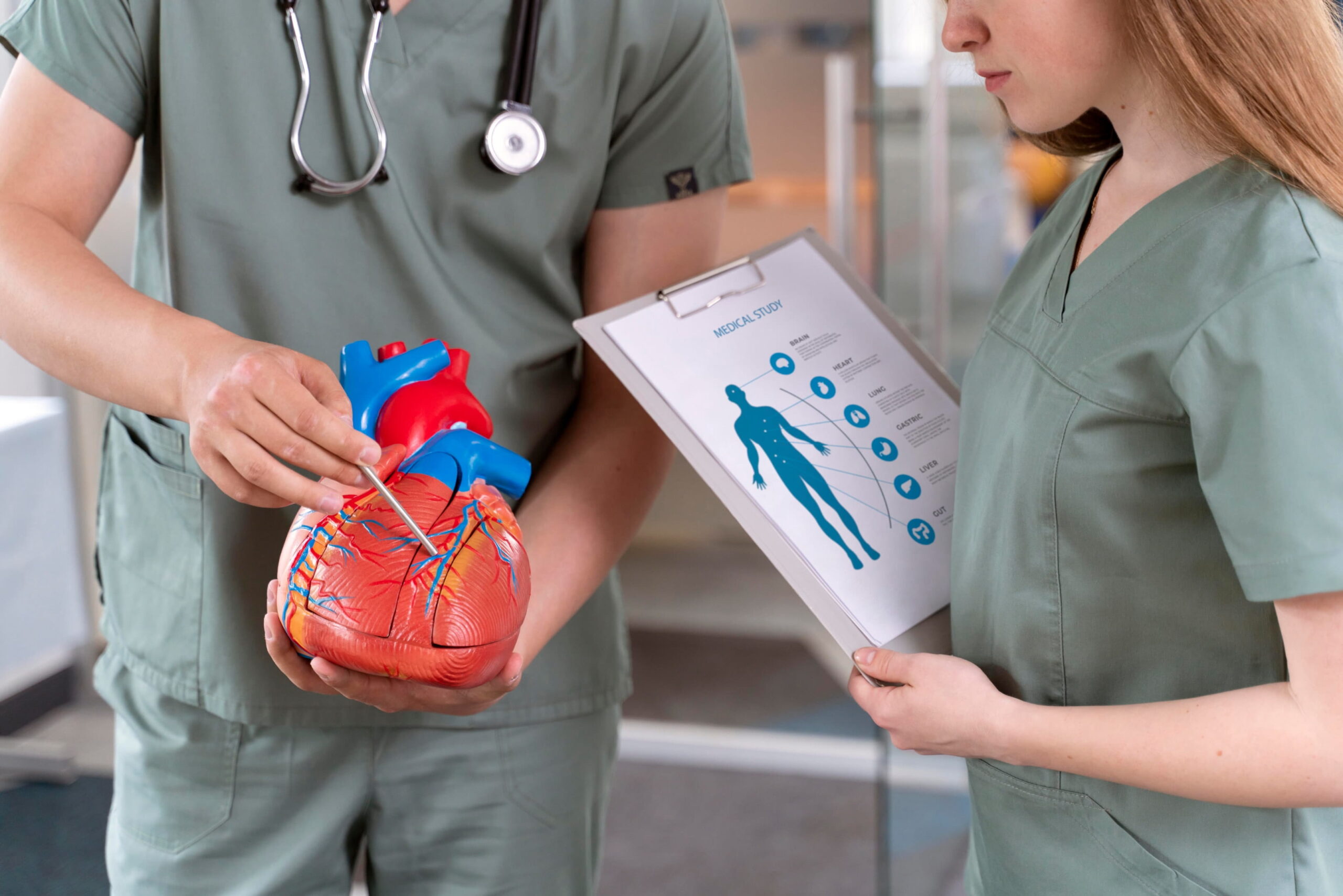
Cardiac rehabilitation is a systematic process that goes beyond exercise. It begins with a detailed clinical assessment and continues with structured support to improve heart health, functional ability, and overall well-being.
It integrates:
- Supervised aerobic exercise
- Cardiovascular rehabilitation
- Risk factor management
- Patient education
- Emotional and behavioural support
Each program is personalised based on the patient’s clinical status and recovery goals. Rehabilitation can be provided in a hospital, through outpatient cardiac rehabilitation at a rehabilitation centre, or remotely at home using technology to ensure continuous care through every clinical phase.
Why is Cardiac Rehabilitation Important?
Key Benefits
Participation in cardiac rehabilitation helps by:
- Reducing physical and psychological stress
- Lowering mortality and cardiac arrest rate
- Preventing recurrent hospitalisations
- Improving cardiovascular fitness and endurance
- Supporting secondary prevention programs
Who Should Consider Cardiac Rehabilitation?

Cardiac rehabilitation is recommended for patients with:
- Coronary artery disease or other cardiovascular diseases
- Myocardial infarction or acute coronary syndrome
- Recovery after coronary artery bypass, coronary angioplasty, or heart valve repair
- Heart surgery or congenital heart disease
- Chronic heart failure
- Stable angina or post-cardiac arrest recovery
The program helps patients recovering from repeated cardiovascular events or complications to achieve maximum functional capacity and regain independence safely.
Core Components of the Cardiac Rehabilitation Program
Comprehensive Clinical Assessment
The program starts with a thorough evaluation:
- Review of medical history and cardiovascular risk factors
- Assessment of functional capacity and the patient’s physical ability
- Psychological readiness evaluation
- Individualised goal setting based on clinical cardiology principles
Supervised Exercise Training
Next, patients receive personalised exercise training:
- Personalised aerobic exercise, strength, endurance, and flexibility programs
- Continuous monitoring by trained cardiovascular nurses
- Safe progression based on clinical status and recovery phase
Risk Factor Management and Patient Education
Patients also receive guidance to optimise cardiovascular risk reduction:
- Education on blood pressure, cholesterol, diabetes, obesity, and lifestyle
- Smoking cessation support
- Heart-healthy diet and nutrition counselling
- Focus on long-term lifestyle changes
Medication Management Support
Medication education ensures patients understand:
- Purpose, dosage, timing, interactions, and side effects
- Long-term adherence and safe recovery
Lifestyle Counselling
Finally, patients receive support to recover as a whole person:
- Stress management and emotional support
- Sleep hygiene and behavioural guidance
- Encouragement of independence and holistic recovery
The Cardiac Rehabilitation Team

The cardiac rehabilitation team ensures seamless care for every patient:
- Cardiologists and cardiac surgeons: Lead diagnosis, medical management, and post-procedure care
- Rehabilitation physicians and physiotherapists: Supervise exercise programs
- Cardiovascular nurses and dietitians: Monitor health and guide nutrition
- Psychologists and behavioural specialists: Support emotional well-being
This multidisciplinary approach improves patient outcomes and ensures safe progression through each clinical phase.
Phases of Cardiac Rehabilitation
Phase I: Inpatient Initiation
- Begins during hospital stay after a cardiac event or surgery
- Early mobilisation to prevent muscle deconditioning
- Education on medications and lifestyle changes
Phase II: Outpatient Rehabilitation
- Structured outpatient cardiac rehabilitation programs
- Supervised exercise, risk factor monitoring, and behavioural support
- Continued guidance on diet and heart-healthy living
Phase III: Long-Term Maintenance
- Independent exercise and self-monitoring
- Periodic medical supervision
- Reinforcement of heart-healthy habits
Health Benefits of Cardiac Rehabilitation

Patients completing cardiac rehabilitation often experience:
- Reduced risk of future heart attacks
- Improved cardiovascular function and endurance
- Better management of blood pressure and weight
- Enhanced emotional and psychosocial well-being
- Adoption of sustainable heart-healthy behaviours
- Lower risk of cardiovascular complications
