


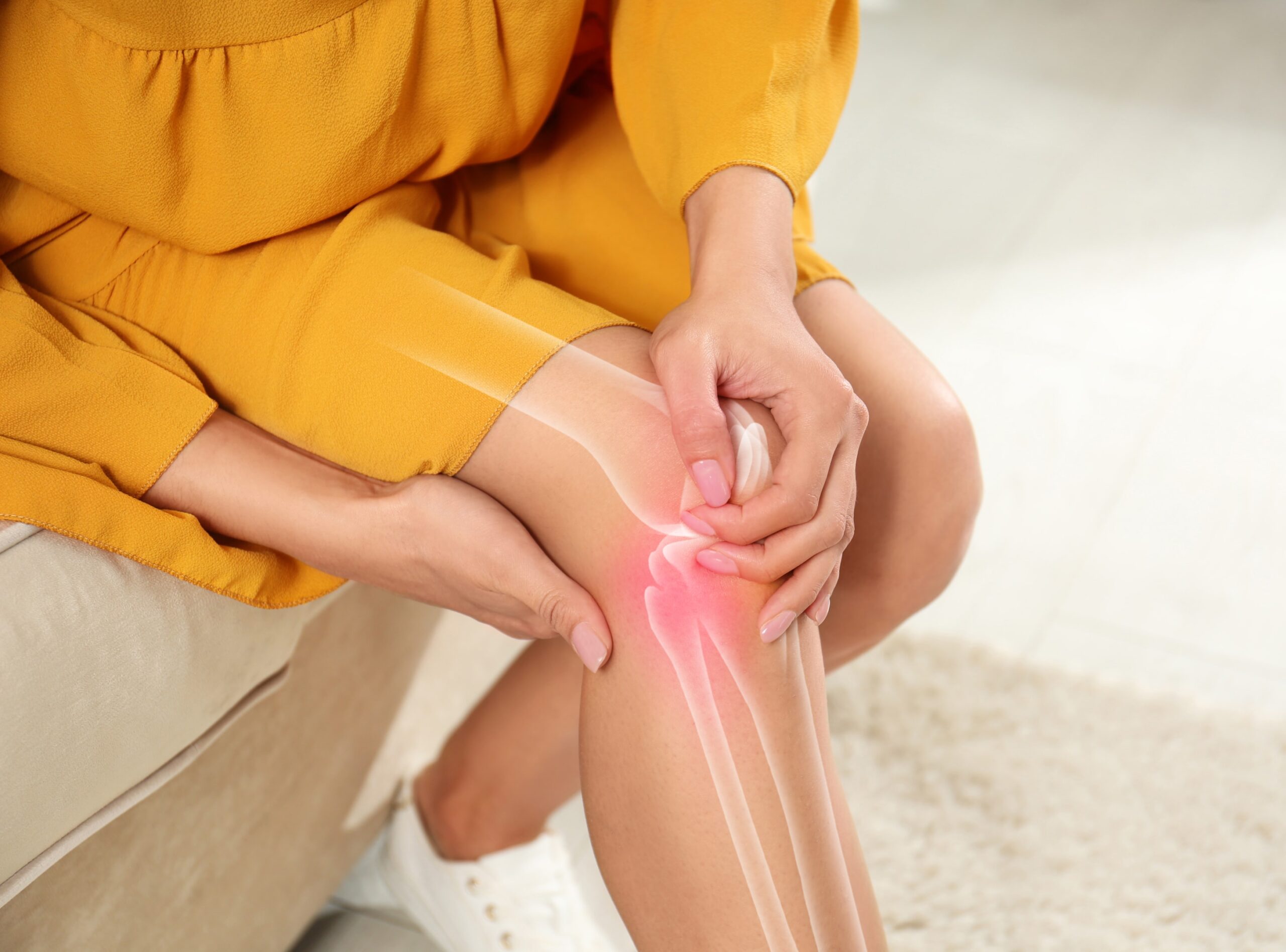
What Is a Meniscus Tear? Signs, Treatment & Recovery Guide
Every day in India, many people, especially those in sports or physically demanding jobs, suddenly experience sharp knee pain. Some dismiss it as a minor twist, while others ignore it until the knee starts locking, swelling, or making a popping sound. But what if that discomfort means a meniscus tear? This common yet misunderstood knee injury affects people of all ages, from young athletes to the elderly with weak joints.
This guide explains meniscus injuries in everyday language. We’ll delve into what exactly gets damaged in the knee joint, how it feels, how doctors diagnose it, treatment options, including meniscus tear surgery, and how long it really takes to heal a torn meniscus. Let’s walk through it, step by step.
The Meniscus: Shock Absorber in Your Knee Joint
The knee joint contains two crescent-shaped pieces of cartilage called the medial meniscus and the lateral meniscus. These are like shock absorbers between the thigh bone (femur) and shin bone (tibia). Their job is to cushion the joint, keep it stable, and protect the smooth articular cartilage that lets your knee move freely.
You have two menisci in each knee:
- Medial meniscus – Inner side of the knee, more prone to tears due to weight-bearing.
- Lateral meniscus – Outer side, often injured during twisting sports.
Both are important. If left untreated, an injury can lead to knee instability, long-term knee pain, and even future knee replacement.
What Is a Meniscus Tear?

A meniscus tear happens when the rubbery cartilage in the knee gets torn due to sudden twisting, squatting, or age-related wear and tear. There are two broad categories of meniscal tears:
1. Acute Meniscus Tears
- Happens suddenly, often during sports or heavy activity.
- Common in young adults and athletes.
- Often involves other knee injuries, such as an ACL or medial collateral ligament injury.
2. Degenerative Meniscus Tears
- Develop slowly over time.
- Common in older adults.
- Result from cartilage wearing out due to ageing.
Both types may require treatment ranging from conservative treatment to arthroscopic surgery, depending on severity.
Signs That Your Meniscus Might Be Torn
A torn meniscus is one of the most common knee injuries, especially for people who twist their knee during sports, exercise, or daily activities. Many individuals mistake the early discomfort for minor strain, but a meniscus tear often shows clear warning signs that shouldn’t be ignored. When the knee joint becomes painful, unstable, or swollen, it may indicate a deeper internal issue rather than simple soreness.
Since common knee injuries frequently involve the cartilage, ligaments, or tendons surrounding the joint, symptoms can overlap and become confusing. However, a torn meniscus typically presents with specific symptoms, such as locking, popping, or inability to straighten the knee fully. Understanding these signs helps you take early action, preventing the injury from worsening or turning into long-term joint damage. If symptoms persist, always seek medical advice, as untreated knee injuries can worsen.
Pain Around the Knee Joint
Pain is often the earliest and most noticeable sign of a torn meniscus, especially if it follows twisting or sudden movement. Unlike mild discomfort caused by other common knee injuries, this pain is usually felt directly along the joint line and intensifies with activity, squatting, or rotation. Pressing the inside or outside of the knee may trigger sharp tenderness.
Because common knee injuries often involve inflammation, the pain may fluctuate, easing during rest but returning during motion. Persistent or localised pain is a strong indicator that the meniscus cartilage has been damaged and needs proper evaluation.
Swelling or Knee Puffiness
Swelling typically appears within a few hours of a meniscus tear, though it may return repeatedly with activity. This swelling is caused by irritation inside the knee joint, which triggers excess fluid buildup.
While puffiness is also seen in many common knee injuries, swelling from a torn meniscus tends to come back when you walk, exercise, or climb stairs. The knee may feel tight, warm, or difficult to bend fully. Because swelling is a defence response, ignoring it can worsen the injury over time. Understanding the difference between general swelling and swelling from common knee injuries helps guide proper treatment.
Locking or Catching of the Knee
A locked or catching knee strongly suggests a torn meniscus, especially when a piece of damaged cartilage interferes with smooth joint movement, which is less common in other common knee injuries, making it a vital symptom to recognise when you feel like your knee gets stuck, refuses to straighten, or suddenly catches during walking.
This mechanical blockage occurs because torn fragments can wedge between the bones. Such episodes may be painful and alarming, often disrupting daily tasks like getting out of a chair or stepping off a curb. Since locking is rare in typical knee injuries, it’s a key sign that medical assessment is needed.
Popping Sensation at Injury Time
Many people report a popping sound or a snapping sensation at the moment the meniscus tears. While popping can occur with various common knee injuries, this type feels sudden and is followed by immediate discomfort.
The pop usually indicates the moment the cartilage tore or shifted inside the joint. Even if the pain seems mild afterwards, the sensation shouldn’t be ignored. Unlike normal joint cracks that occur without damage, this pop often signals real structural injury. Because common knee injuries can mask early symptoms, early recognition is crucial to prevent further damage.
Difficulty Bending the Knee
Limited range of motion is another significant sign of a torn meniscus. You may find bending, squatting, or fully straightening the knee difficult or painful. This stiffness occurs because the torn cartilage interferes with joint function and triggers inflammation.
While restricted movement is common in many knee injuries, a meniscus tear often causes ongoing stiffness that worsens with twisting or weight-bearing activities. Daily motions like sitting cross-legged, climbing stairs, or getting into a car may feel uncomfortable. Because common knee injuries can become chronic when untreated, persistent difficulty with motion should always be evaluated by a professional.
Types of Meniscus Tears
Doctors classify tears by shape and position to determine treatment. Here’s a breakdown:
| Type of Tear | Description | Common in |
| Longitudinal Tear | Runs along the meniscus edge | Younger patients, sports injuries |
| Radial Tear | Cuts through the cartilage like a pizza slice | All age groups |
| Horizontal Tear | Splits cartilage into top and bottom halves | Degenerative meniscal tears |
| Flap Tear | A small flap of cartilage lifts off | After trauma |
| Bucket Handle Tear | Large displaced longitudinal tear | Often needs surgery |
| Complex Tear | Mix of two or more tear patterns | Often in older patients |
| Discoid Meniscus Tear | Abnormal disc-shaped meniscus tears easily | Rare, mostly children |
Each type of tear may affect different parts, such as the medial or lateral meniscus, or both. For example, a medial meniscus tear is more likely during daily weight-bearing activities, while a lateral meniscus tear is often sport-related.
How Doctors Diagnose a Meniscus Tear
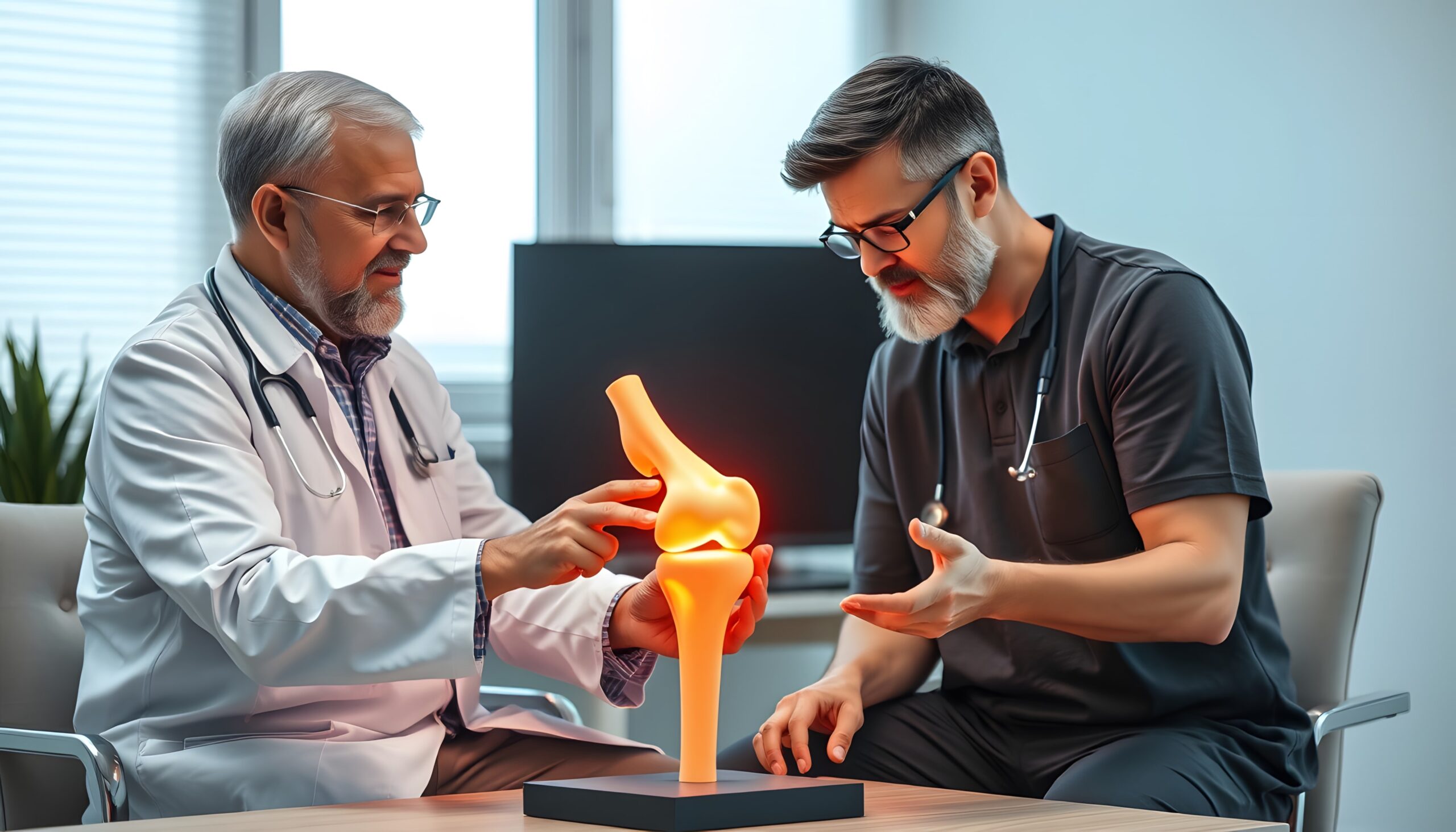
Clinical Tests and Physical Examination
Magnetic Resonance Imaging (MRI)
X-ray (To Rule Out Other Knee Injuries)
When Is Surgery Needed for a Torn Meniscus?
Not all meniscus injuries need surgery. But in some cases, meniscus tear surgery may be required, especially if:
- The tear causes locking or large flaps.
- The person is young and active.
- The tear doesn’t heal with physical therapy.
- The patient has combined injuries, such as an ACL injury or damage to the medial collateral ligament.
Surgical Options
- Meniscus repair: Sutures are used to stitch the tear. Works well in blood-rich zones.
- Partial meniscectomy: Removes the torn part. Used when the tear cannot be stitched
- Meniscal transplantation: For complete removal cases. Involves placing donor tissue (meniscal allograft transplantation).
Most surgeries are performed arthroscopically, which involves tiny cuts and a small camera.
Non-Surgical & Conservative Treatments
R.I.C.E. Method
- Rest: Avoid activities that strain the knee.
- Ice: Reduces knee swelling and inflammation.
- Compression: Knee braces or wraps to support the joint.
- Elevation: Helps with fluid drainage.
Physical Therapy and Rehabilitation
A guided physical therapy plan is crucial. It strengthens the muscles around the knee joint, supports recovery, and improves the range of motion.
Common rehabilitation exercises include:
- Quad sets
- Hamstring curls
- Straight leg raises
- Cycling
These exercises support healing for degenerative tears and acute tears alike.
Understanding Meniscus Tear Recovery
1. Meniscus Healing Time Overview
Healing time varies based on the severity, location, age, and overall health of the tear. A torn meniscus in the outer vascular zone often heals faster due to better blood supply, while inner-zone tears may need more extended care.
Whether the injury involves the medial meniscus or combines with an anterior cruciate ligament strain, recovery demands patience, structured rehabilitation, and protective loading of the knee joint for optimal healing.
2. Small Tears in the Outer Zone: 6–8 Weeks
3. Repaired Tears: 3–5 Months to Return to Sports
4. Meniscectomy Recovery: 4–6 Weeks
5. Degenerative Medial Meniscus Tears
Risks of Ignoring a Torn Meniscus
Ignoring a torn meniscus may lead to long-term complications that greatly affect knee function and quality of life. When a meniscus tear is left untreated, the knee joint becomes more vulnerable to instability, friction, and cartilage deterioration. The risk increases if the injury involves the medial meniscus or occurs alongside an anterior cruciate ligament strain. Over time, untreated damage can trigger degenerative meniscus tears, which progress slowly but cause persistent discomfort and decreased mobility.
Many individuals assume the pain will resolve on its own, but continuous strain often worsens the condition. Early evaluation by orthopaedic specialists is essential for preventing chronic pain, mechanical locking, and joint degeneration. Prompt treatment supports better healing outcomes and reduces the likelihood of needing more invasive procedures later. Protecting the knee early ensures long-term strength, alignment, and overall joint stability.
Key Risks of Leaving a Meniscus Tear Untreated
- Chronic knee pain
- Knee locking or catching
- Progressive cartilage wear
- Higher likelihood of knee replacement
- Increased joint instability
- Difficulty with sports or physical training
- Greater chance of degenerative meniscus tears
Lifestyle Tips for Preventing Knee Injuries
After recovery, prevention becomes key. Follow these:
- Avoid high-impact sports without a proper warm-up.
- Strengthen your upper leg muscles.
- Maintain a healthy weight to reduce stress on the affected knee.
- Don’t ignore early signs of knee pain or locking.
- Use proper posture during activities.
- Attend follow-ups regularly if you had knee surgery.
Stop the Delay, Start the Healing with SRM Global Hospitals
A torn meniscus is more than just a twist in the knee. It’s a silent issue that can grow worse if ignored. Whether it’s a sports injury or gradual wear and tear, early treatment helps prevent long-term damage. Don’t let your knee joint suffer.
At SRM Global Hospitals, our team of expert orthopaedic surgeons ensures the proper diagnosis, tailored treatment, and complete rehabilitation, so you can get back on your feet, pain-free.
Book your consultation today at SRM Global Hospitals and take the first step towards healing your meniscus tear.
