What is Valvular Heart Disease?

Valvular Heart Disease refers to conditions affecting one or more of the heart's valves, which play a crucial role in ensuring proper blood flow through the heart chambers. These valves can become damaged or dysfunctional due to various factors, including congenital abnormalities, infections, rheumatic fever, age-related degeneration, or other underlying heart conditions. Valvular heart disease can disrupt the normal flow of blood within the heart, leading to symptoms such as shortness of breath, chest pain, fatigue, palpitations, and swelling in the legs or abdomen. Prompt diagnosis and management at SRM Global Hospitals, Chennai are essential to prevent complications and improve heart function.

Common Symptoms of Valvular Heart Disease

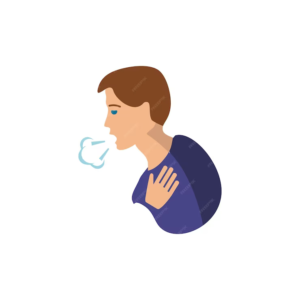
Shortness of Breath

Difficulty breathing, especially during physical exertion or lying flat.

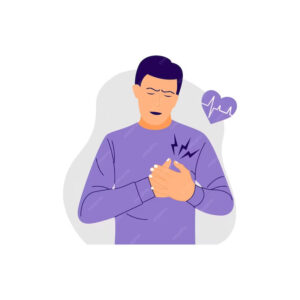
Chest Pain or Discomfort

Tightness, pressure, or discomfort in the chest, resembling angina (heart-related chest pain).

Fatigue

Persistent tiredness or weakness, even with minimal exertion.

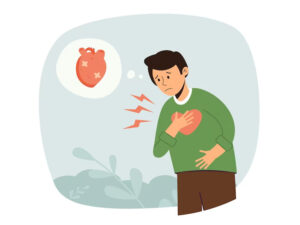
Palpitations

Sensation of rapid, fluttering, or irregular heartbeat.

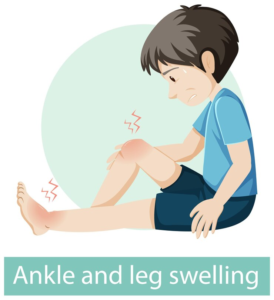
Swelling (Edema)

Buildup of fluid in the legs, ankles, feet, or abdomen.

Fainting (Syncope)

Temporary loss of consciousness, typically due to inadequate blood flow to the brain.

Whom to Consult?​ and When to Consult?​

If you experience symptoms suggestive of valvular heart disease or have risk factors predisposing you to heart conditions, it’s crucial to seek medical evaluation and management at SRM Global Hospitals, Chennai.

Schedule an appointment with Cardiologist Today

Consult our cardiac care expert at SRM Global Hospitals, Chennai if you experience​​

Common FAQs About Valvular Heart Disease

Q: What are the types of valvular heart disease?

A: Valvular heart disease can involve any of the heart's four valves: the mitral valve, aortic valve, tricuspid valve, or pulmonary valve. Common types of valvular heart disease include mitral valve prolapse, aortic stenosis, mitral regurgitation, and aortic regurgitation.

Q: How is valvular heart disease diagnosed?

A: Diagnostic tests for valvular heart disease may include echocardiogram (ultrasound of the heart), electrocardiogram (ECG or EKG), chest X-ray, cardiac MRI or CT scan, cardiac catheterization, or transesophageal echocardiogram (TEE), depending on the suspected type and severity of the valve problem.

Q: What are the treatment options for valvular heart disease?

A: Treatment for valvular heart disease depends on the type, severity, and symptoms of the condition. Options may include medications to manage symptoms and prevent complications, minimally invasive procedures such as balloon valvuloplasty or transcatheter valve repair or replacement, or surgical valve repair or replacement.

Q: Can valvular heart disease be prevented?

A: While some causes of valvular heart disease, such as congenital abnormalities or age-related degeneration, cannot be prevented, adopting heart-healthy lifestyle habits such as regular exercise, maintaining a healthy weight, not smoking, and managing underlying health conditions can help reduce the risk of developing valvular heart disease.