What is Pulmonary Hypertension?

Pulmonary Hypertension (PH) is a rare but serious condition characterized by high blood pressure in the arteries of the lungs, leading to increased resistance to blood flow and strain on the heart's right ventricle. This elevated pressure can eventually cause the right side of the heart to weaken or fail. Pulmonary hypertension can be either idiopathic (of unknown cause) or secondary to other underlying conditions such as heart or lung diseases, blood clots in the lungs, or chronic respiratory disorders.

Common Symptoms of Pulmonary Hypertension​

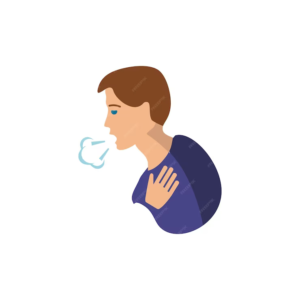
Shortness of Breath

Difficulty breathing, especially during physical activity or when lying flat.

Fatigue

Persistent tiredness or weakness, even with minimal exertion.

Chest Pain

Pressure, tightness, or discomfort in the chest, resembling angina (heart-related chest pain).

Dizziness or Fainting

Feeling lightheaded, dizzy, or fainting spells, particularly with exertion.

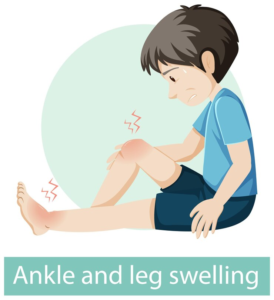
Swelling (Edema)

Buildup of fluid in the ankles, legs, or abdomen, indicating heart failure.

Bluish Lips or Skin

Cyanosis, a bluish tint to the lips or skin, due to reduced oxygen levels in the blood.

Whom to Consult?​ and When to Consult?​

If you experience symptoms suggestive of pulmonary hypertension or have risk factors predisposing you to heart or lung conditions, it’s crucial to seek medical evaluation and management at SRM Global Hospitals, Chennai.

Schedule an appointment with Cardiologist Today

Consult Our Cardiac Care experts at SRM Global Hospitals, Chennai if you experience​​

Common FAQs About Pulmonary Hypertension

Q: Can pulmonary hypertension be cured?

A: While pulmonary hypertension is a chronic condition that typically cannot be cured, appropriate treatment and management can help control symptoms, slow disease progression, and improve quality of life.

Q: What are the treatment options for pulmonary hypertension?

A: Treatment for pulmonary hypertension may include medications (e.g., vasodilators, diuretics, anticoagulants), oxygen therapy, pulmonary rehabilitation, lifestyle modifications (e.g., avoiding smoking, maintaining a healthy weight), and in some cases, surgical interventions or lung transplantation.

Q: Can pulmonary hypertension be prevented?

A: While not all cases of pulmonary hypertension can be prevented, adopting heart-healthy lifestyle habits such as avoiding smoking, maintaining a healthy weight, exercising regularly, and managing underlying health conditions (e.g., heart or lung diseases) can help reduce the risk of developing or exacerbating pulmonary hypertension.

Q: What are the complications of pulmonary hypertension?

A: Complications of pulmonary hypertension may include right-sided heart failure, arrhythmias, blood clots in the lungs (pulmonary embolism), fluid buildup in the lungs (pulmonary edema), or reduced oxygen levels in the blood (hypoxemia), leading to poor outcomes if not promptly diagnosed and managed.

If you suspect that you may have symptoms of pulmonary hypertension or have concerns about your lung or heart health, our team of experienced pulmonologists and cardiologists at SRM Global Hospital is here to help. At SRM Global Hospitals, We offer comprehensive evaluation, diagnosis, and personalized treatment plans tailored to your needs, helping you manage pulmonary hypertension and improve your overall respiratory and cardiovascular health.