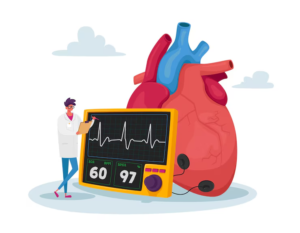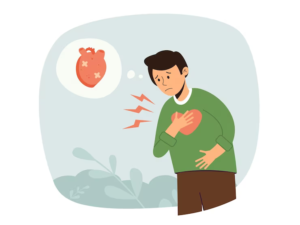
What is Heart Infections?

Heart Infections, also known as infective endocarditis, are serious conditions characterized by inflammation and infection of the inner lining of the heart chambers and heart valves. These infections typically occur when bacteria, fungi, or other infectious agents enter the bloodstream and attach to damaged areas of the heart lining or heart valves.

Common Symptoms of Heart Infections​

Fever

Persistent fever, often accompanied by chills or sweating.

Fatigue

Persistent tiredness or weakness, even with minimal activity.

Heart Murmurs

Abnormal heart sounds detected during a physical examination.

Shortness of Breath

Difficulty breathing, especially with exertion.

Chest Pain

Pressure, tightness, or discomfort in the chest, particularly during physical activity or stress.

Palpitations

Sensation of rapid, fluttering, or irregular heartbeat.

Joint Pain

Pain, stiffness, or swelling in the joints, particularly in the knees or hips.

Whom to Consult?​ and When to Consult?​

If you experience symptoms suggestive of heart infections or have risk factors predisposing you to heart conditions, it’s crucial to seek medical evaluation and management at SRM Global Hospitals, Chennai.

Schedule an appointment with Cardiologist Today

Consult our cardiac care expert at SRM Global Hospitals if you experience​​

Common FAQs About Heart Infections

Q: How are heart infections diagnosed?

A: Diagnostic tests for heart infections may include blood cultures to identify infectious agents, echocardiogram (ultrasound of the heart) to assess heart structure and function, electrocardiogram (ECG or EKG) to monitor heart rhythm, or imaging studies such as cardiac MRI or CT scan to evaluate heart valves and chambers.

Q: What are the treatment options for heart infections?

A: Treatment for heart infections typically involves antibiotics to eradicate the infectious agent, along with supportive care to manage symptoms and prevent complications. In severe cases or complications such as valve damage, surgery may be necessary to repair or replace affected heart valves.

Q: Can heart infections be prevented?

A: While not all cases of heart infections can be prevented, maintaining good oral hygiene, avoiding intravenous drug use, practicing safe sex, promptly treating infections or skin wounds, and following antibiotic prophylaxis guidelines for high-risk individuals undergoing dental or medical procedures can help reduce the risk of developing heart infections.

Q: What are the complications of heart infections?

A: Complications of heart infections may include heart valve damage, heart failure, stroke, systemic infections (such as sepsis or abscesses), or embolic events (blood clots dislodging and traveling to other parts of the body), leading to poor outcomes if not promptly diagnosed and managed.