


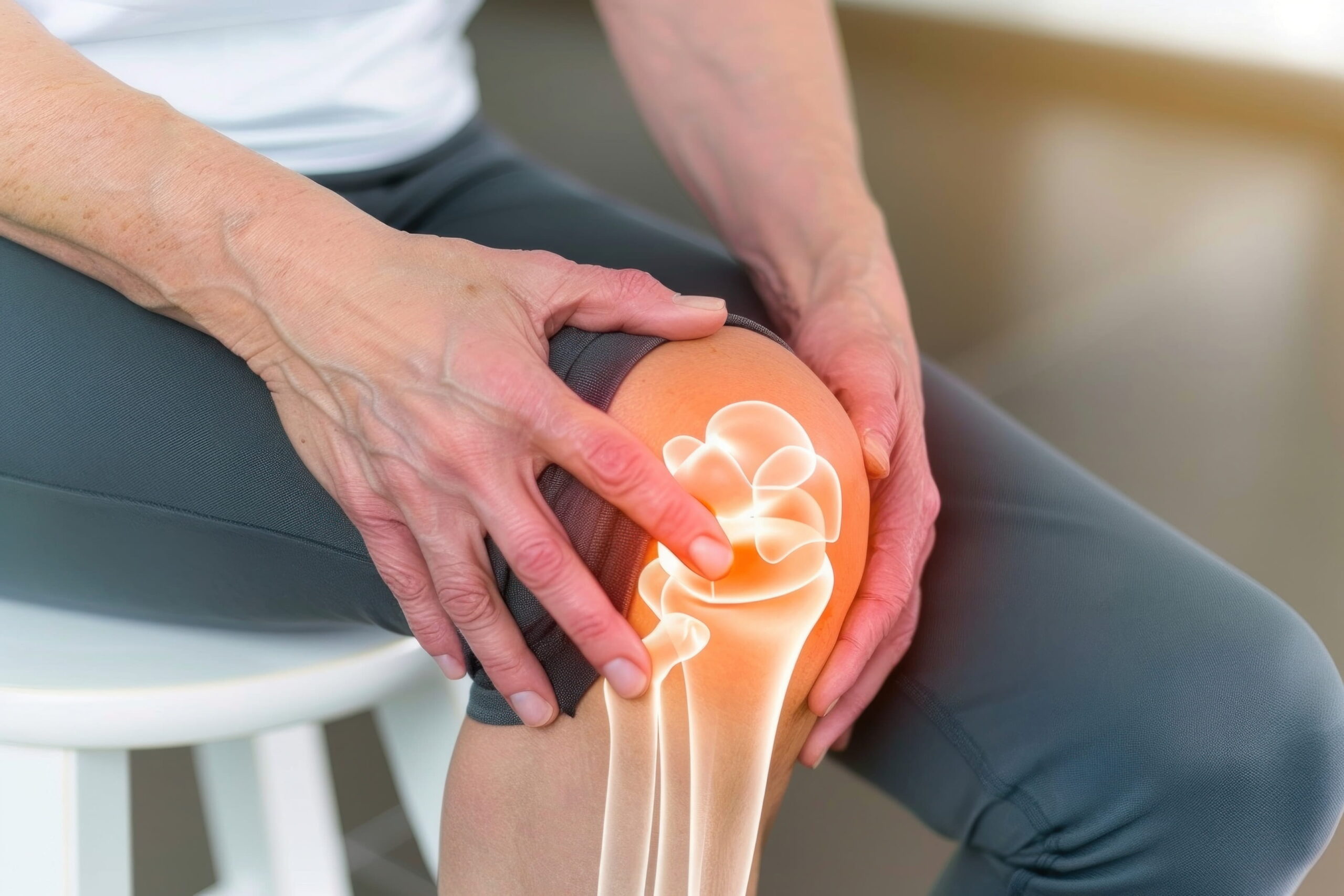
Why Do My Knees Hurt? Everything You Need to Know About Knee Osteoarthritis
Knee health determines how well a person moves and lives. SRM Global Hospitals focuses on helping people regain mobility through science.
Knee osteoarthritis (OA) is a condition where the protective layers of the leg joint wear down over time. Pain and stiffness stop a person from doing daily tasks. A 2025 research shows that nearly 20.24% of the Indian population now suffers knee osteoarthritis condition. Prevalence increases with age, affecting about 13% of women and 10% of men over 60. Women face a higher risk after age 45. Knee osteoarthritis is the most common type of arthritis diagnosed worldwide.
Forms of Knee Osteoarthritis
Knee osteoarthritis involves the breakdown of articular cartilage, which is made of water and type II collagen with other proteins. Smooth tissue covers the ends of bones in a normal knee.
In osteoarthritis, cartilage thins, and bones rub together. Friction causes joint pain and swelling in degenerative joint disease.
The process usually begins as primary knee osteoarthritis due to ageing. Secondary knee OA occurs because of known causes like such as trauma in articular cartilage degeneration, which leads to bone spurs. While the damage cannot be reversed, lifestyle changes can manage the symptoms.
Clinical Symptoms and Risk Factors
Most knee OA patients report a painful knee that feels worse after moving. Symptoms develop gradually and worsen over time.
- Knee pain often worsens with activity and improves with rest.
- Stiffness happens when Movement feels hard in the morning or after resting for a long time.
- A grinding or cracking sensation, Crepitus, happens when moving the knee.
- The knee might buckle or feel unstable as a mechanical symptom.
- The joint may appear puffy and feel warm due to inflammation.
Risk factors include modifiable things like obesity, injury, and occupation, along with non-modifiable things like age, gender, and genetics.
Imaging and Diagnosis of the Knee Osteoarthritis
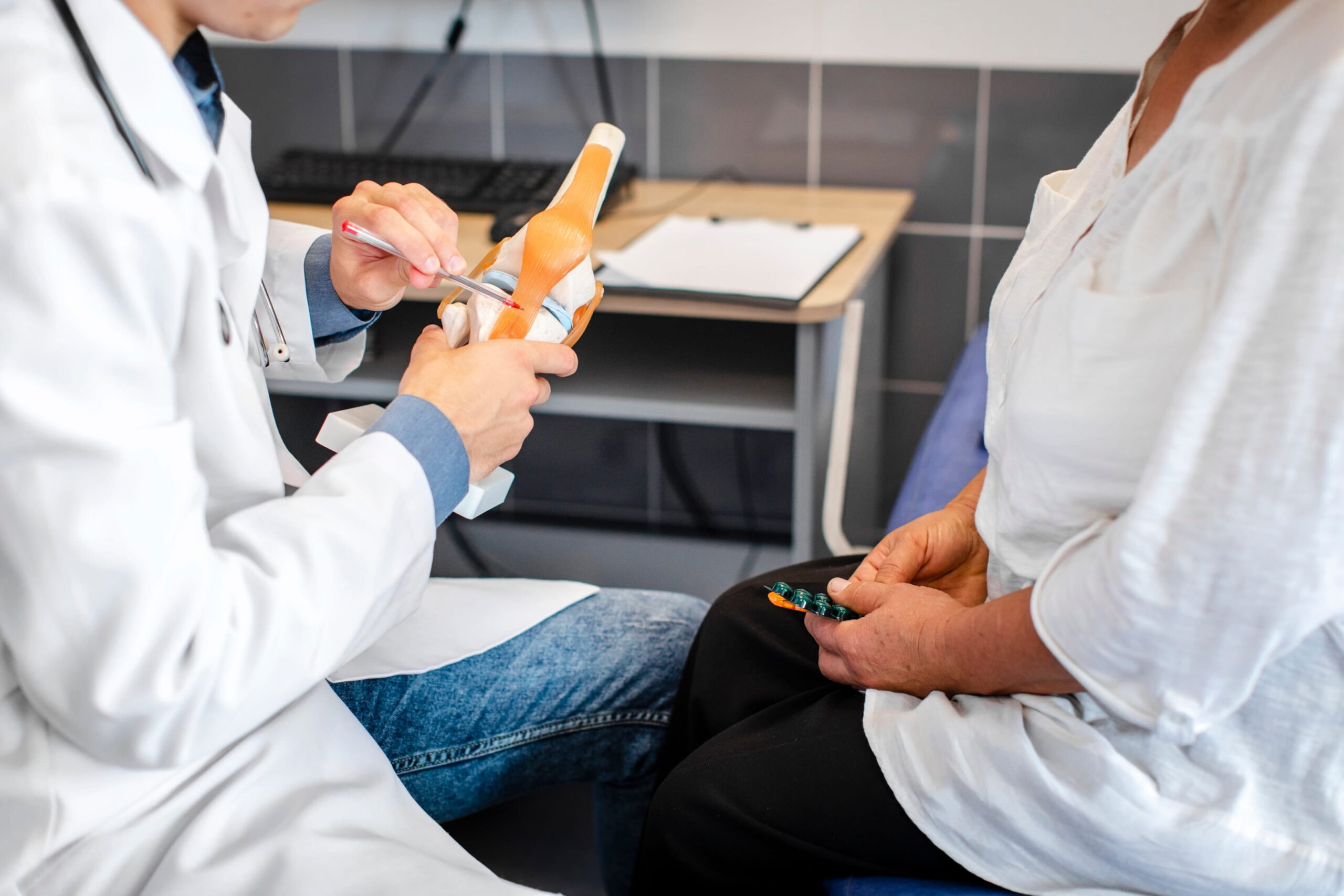
An orthopaedic surgeon uses different tools to diagnose osteoarthritis. Clinical examination combined with X-rays establishes the diagnosis. Knee radiographs show radiographic findings like joint space narrowing and bone changes. Healthcare providers rely on X-rays to research the breakdown of cartilage and the formation of bone spurs.
Doctors use the Kellgren-Lawrence grading system to classify the severity of the disease based on X-ray findings.
- Grade 0: No signs of disease.
- Grade 1: Possible tiny bone bumps.
- Grade 2: Definite bone bumps and possible narrowing.
- Grade 3: Moderate bone bumps and definite narrowing.
- Grade 4: Large bone bumps and severe bone-on-bone contact.
Not everyone with these X-ray findings feels pain. Radiographic imaging is not recommended for routine diagnosis. Yet, many providers still use it because seeing an X-ray can influence patients’ beliefs about the necessity of knee replacement surgery.
Machine Learning in Knee Osteoarthritis Diagnosis
Modern medicine uses machine learning and deep learning for diagnosing conditions. Computers analyse X-ray images to classify the severity of knee osteoarthritis. Deep learning models show remarkable performance without needing manual work, like Convolutional neural networks extract features from knee X-ray images at high speed.
Hybrid models combine different techniques to improve classification performance. Transfer learning helps these computer models learn faster. Deep learning often outperforms older algorithms in reading scans. Computers find where knee osteoarthritis begins before humans see it.
Treatment and Management of the Knee Osteoarthritis
Non-Surgical Treatment and Management
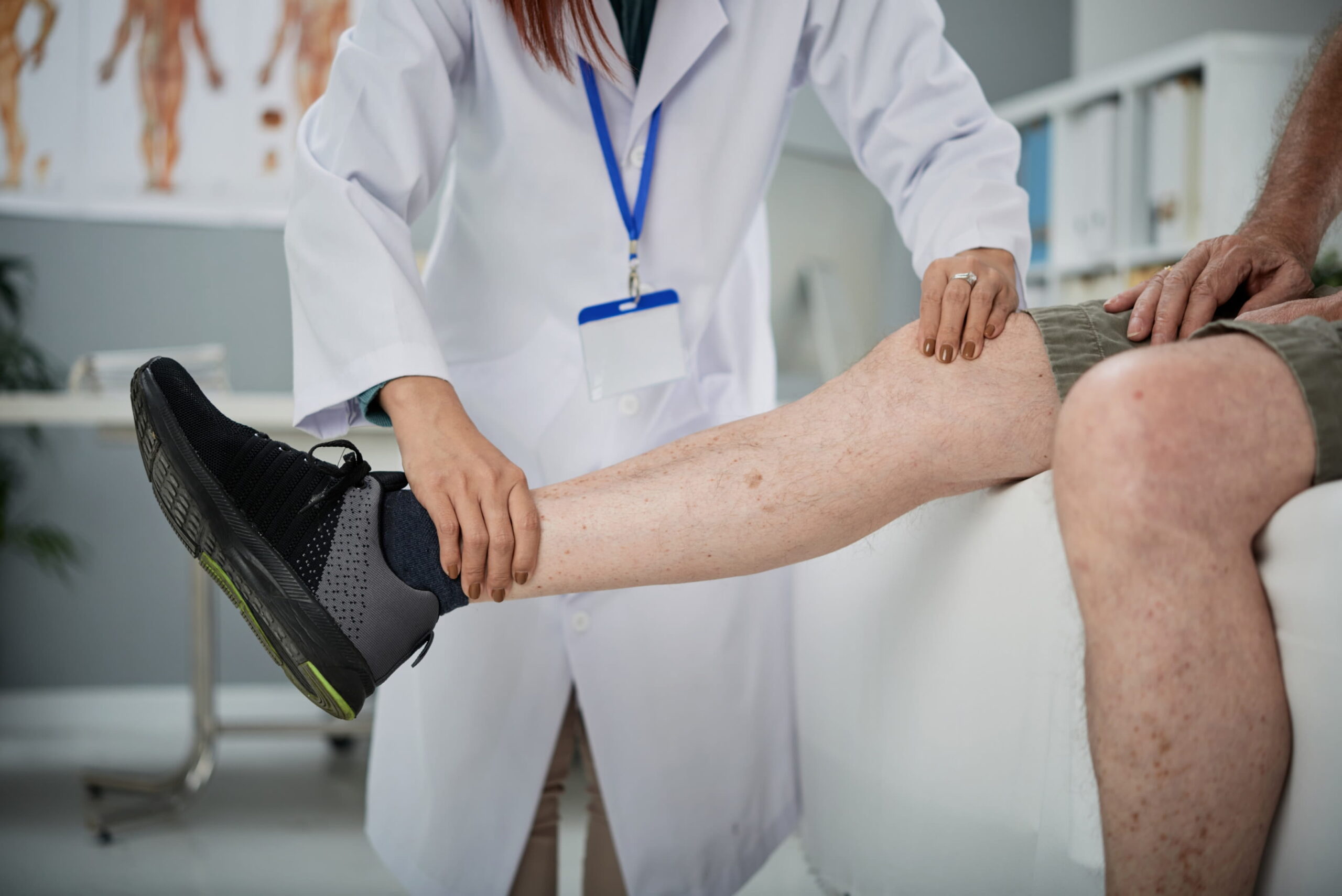
The goal of osteoarthritis management is to reduce pain and keep the joint moving. Initial treatment for symptomatic knee osteoarthritis focuses on education and physical therapy. Conservative treatment always begins before moving to surgery.
- Weight Loss: Losing weight protects the joint space from further damage, with Body mass index playing a massive role. Weight loss is valuable in all stages of this condition. Every pound lost reduces four pounds of pressure on each knee joint.
- Exercise: Low-impact activities like walking, swimming, or cycling are beneficial for strengthening muscles. Exercise manages pain and improves physical function in the short term.
- Quadriceps Strengthening: Exercises targeting the front thigh muscles improve self-reported physical function.
- Lubrication Injections: Intra-articular hyaluronic acid injections act as a lubricant. These may help increase the natural production of hyaluronic acid in the joint.
- Steroid Injections: Intra-articular corticosteroid injections provide quick relief for a few months.
- Anti-inflammatory Diet: Eating fish rich in omega-3 fatty acids helps combat body inflammation.
- Support Devices: Knee bracing shifts weight away from the involved knee compartment. Unloader-type braces help people with valgus or varus deformity.
- Nerve Stimulation: Transcutaneous electrical nerve stimulation blocks pain signals using tiny electric pulses.
- Medication: Patients use nonsteroidal anti-inflammatory drugs to lower swelling.
Managing knee OA requires the efficient consistency of exercise, diet, and medical help. Early care delays the need for surgery. If your knee joint feels stiff or painful, seeking help early is the best path.
Surgical Treatments
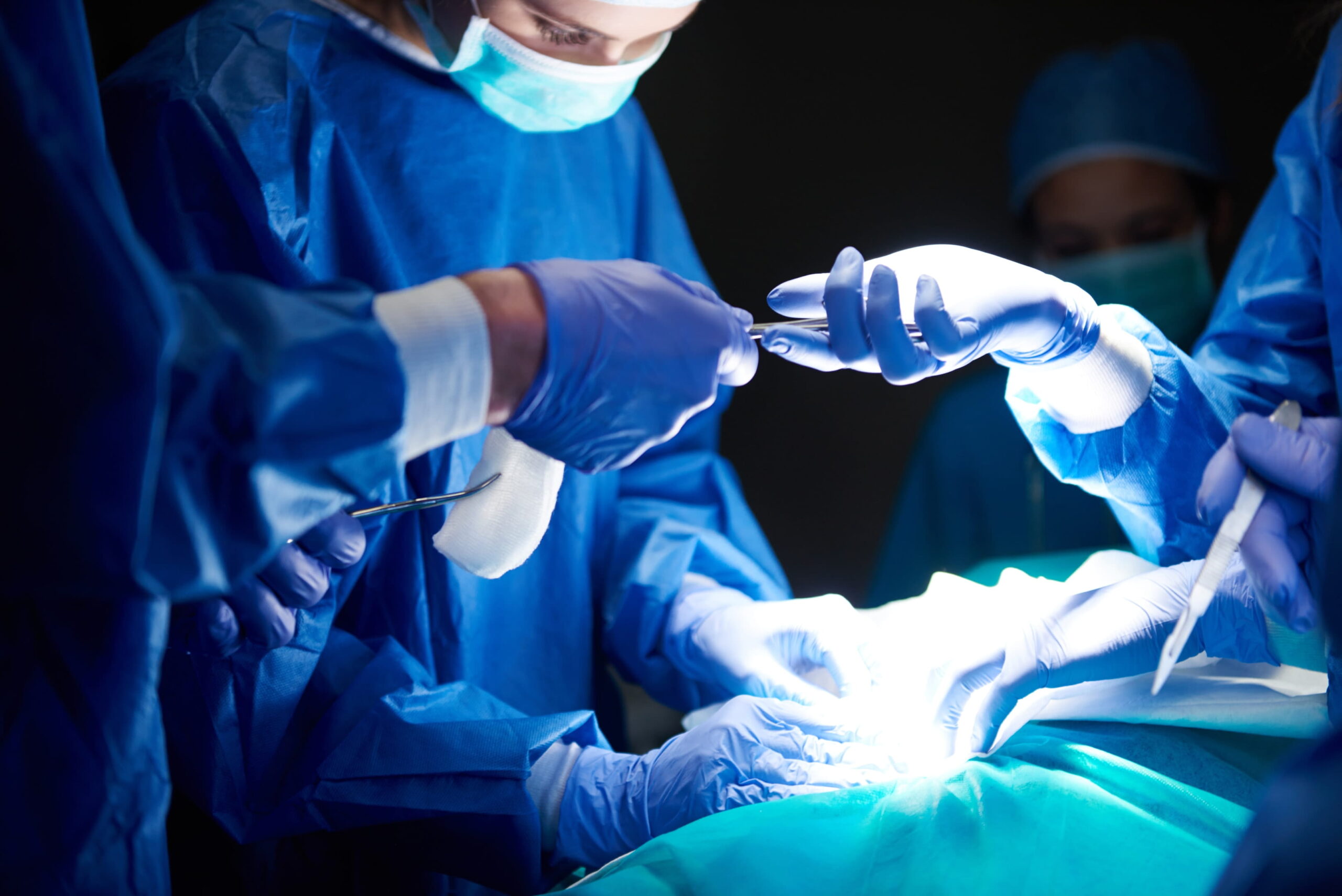
When conservative treatment fails, surgical management becomes necessary. Surgeons offer several surgical treatment options based on the damage.
- Osteotomy: The surgeon reshapes the bones to shift weight.
- Unicompartmental Knee Arthroplasty: Only one side of the joint gets replaced.
- Total Knee Arthroplasty: The surgeon replaces the whole joint with an artificial joint.
- Knee Replacement Surgery: Metal and plastic parts replace damaged bone.
Over 90% of people who get a joint replacement report much better Movement. These procedures help when articular cartilage elasticity is gone.
Reclaim Your Mobility!
Living with a painful knee does not have to be your permanent reality. Modern medicine offers many ways to reduce pain and restore the normal knee range of motion. Seeking help from an orthopaedic surgeon early protects the remaining articular cartilage and improves quality of life.
Don't let joint pain stop your Movement!
SRM Global Hospitals provides expert care for knee OA patients using the latest sports medicine and orthopaedic science. Our Orthopaedics Centre of Excellence is equipped with robotic-assisted surgery and advanced rehabilitation helps you regain your mobility. Visit us to find lasting pain relief and regain your quality of life.
FAQs on Knee Osteoarthritis
1. Do knees make a loud cracking sound when climbing stairs, a sign of knee arthritis?
The sound is called Crepitus, a common sign of osteoarthritis of the knee. It happens when abnormal articular cartilage causes friction during Movement. Regular muscle-strengthening exercises can help stabilise the affected joint and reduce these sounds.
2. My mother is 55 years old and has constant knee pain. Is this primary osteoarthritis or something else?
We look for common clinical symptoms like stiffness and pain that worsen. Primary osteoarthritis is linked to ageing, while secondary osteoarthritis follows a specific injury. We use magnetic resonance imaging (MRI) or X-rays to check for joint space narrowing and rule out other conditions like rheumatoid arthritis.
3. I have heard that surgery is the only way to treat osteoarthritis. Is that true?
No, we always treat osteoarthritis with conservative methods first. A physical therapist can guide you through routines to fix muscle weakness in your hamstring muscles. We only suggest joint replacement surgery if these methods do not provide pain relief or improve function.
4. Can dietary supplements like glucosamine really help my OA knee?
There is moderate evidence that certain dietary supplements support joint health. These may help maintain the joint fluid and the joint capsule structure. However, exercise remains the only proven disease-modifying agents that work effectively for symptomatic arthritis.
5. Why does my knee feel so stiff every morning?
The stiffness happens because knee arthritis is a degenerative disease that affects the joint fluid overnight. Movement helps circulate the fluid and reduces the thick, abnormal concentration of inflammatory markers. Starting your day with gentle stretches often helps the affected joint move more freely.
