


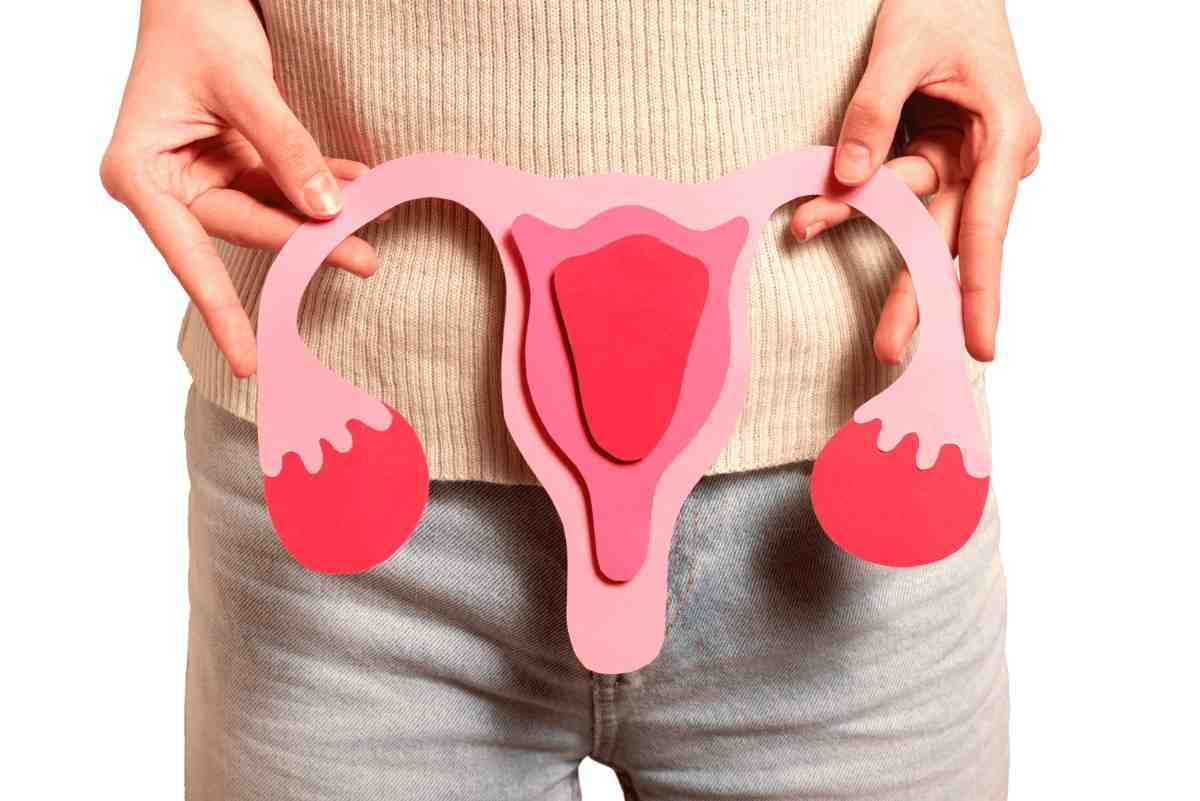
What Is Vaginal Vault Prolapse: Symptoms, Causes, and Solutions
Women often ignore their health issues until they become too uncomfortable to manage. One such condition is vaginal vault prolapse. It usually happens after a hysterectomy, when the top of the vagina, also known as the vaginal vault, loses support and starts to drop downwards.
Many women mistake it for aging or weakness, but it is more than that. Vaginal vault prolapse can affect the bladder, rectum, and other pelvic organs, disturbing normal daily life. The good news is that it is treatable. With the right diagnosis and treatment options, women can live a healthy and confident life.
This blog explains everything you need to know about vaginal vault prolapse, its symptoms, causes, diagnosis, treatment options, and long-term care. If you have been experiencing vaginal prolapse symptoms or suspect partial vaginal vault prolapse, this guide will help you understand your condition better.
What is Vaginal Vault Prolapse?
Vaginal vault prolapse is a type of pelvic organ prolapse. It usually occurs after hysterectomy when the vaginal vault, which is the top portion of the vagina, weakens and loses its normal position.
As the tissue and pelvic floor muscles lose strength, the vault may drop into the vaginal canal or even outside the vaginal opening. This condition can disturb bladder function, cause urinary incontinence, and lead to discomfort during intercourse or daily activities. Some women also notice symptoms of vaginal wall weakness or a prolapsed vagina that creates pressure in the pelvis.
Recognizing the Symptoms
Understanding the symptoms of vaginal vault prolapse is important. Many women ignore the signs thinking they are age-related. However, early recognition helps in treating vaginal prolapse before it gets worse.
Symptoms of vaginal vault prolapse can be mild in the beginning but gradually become severe cases if untreated. Here are the common symptoms:
1. Feeling of Pressure in the Pelvis
Women often describe it as a heavy or dragging feeling in the pelvis. The pressure worsens while standing, walking, or lifting heavy things.
2. Bulge in the Vaginal Opening
Some women notice a soft bulge or tissue protruding from the vaginal opening. This is a clear sign that the vaginal vault has dropped from its normal position.
3. Vaginal Bleeding or Discomfort
In cases of severe prolapse, vaginal tissue gets rubbed against clothes or during movement. This may cause vaginal bleeding or irritation.
4. Urinary Incontinence and Bladder Issues
A common problem is urinary incontinence. Women may feel they cannot empty the bladder fully. In some cases, bladder drops lower than usual, leading to bladder infections.
5. Pain in Lower Back and Pelvis
Vaginal vault prolapse often causes pain in the lower back and pelvis. The pain is dull, but it disturbs daily life.
6. Difficulty in Intercourse
Sexual intercourse may become painful due to the prolapsed vagina and stretched vaginal wall.
7. Problems with Bowel Movements
Since the rectum is close to the vagina, many women face constipation or incomplete bowel emptying.
Causes and Risk Factors
Vaginal vault prolapse does not happen overnight. It develops gradually due to a combination of factors. Some women may have mild cases, while others develop severe cases. Understanding the causes and risk factors can help in prevention.
1. Previous Surgery
Women who had hysterectomy face higher risk. The uterus supports the vaginal vault. Once removed, the vagina weakens and may drop.
2. Aging and Menopause
As women age, estrogen levels reduce. Estrogen maintains tissue strength. When it decreases, pelvic floor muscles and tissues become weak.
3. Vaginal Childbirth
Multiple vaginal deliveries stretch the vaginal canal and pelvic floor muscles. This makes women more prone to prolapse.
4. Pelvic Floor Disorders
When pelvic organ prolapse occurs, it often affects bladder, rectum, and uterus. Weak pelvic floor leads to vaginal vault prolapse.
5. Lifestyle Factors
Obesity, heavy lifting, chronic cough, and constipation increase pelvic pressure. Over time, this pressure weakens the vaginal wall.
6. Family History and Genetics
Some women inherit weak connective tissue. If your mother or sister had prolapse, you have a higher risk.
7. Other Factors
Conditions like chronic constipation, respiratory diseases, and multiple abdominal surgeries also increase the risk factor.
Diagnosis and Medical Evaluation
A gynaecologist diagnoses vaginal prolapse through a physical exam. They may ask about symptoms such as urinary incontinence, vaginal bleeding, or discomfort during intercourse. The doctor may also check bladder function, rectum involvement, and tissue strength.
Sometimes imaging tests or special tools are used to check the pelvic organs and upper vagina. The International Continence Society and National Institute guidelines suggest timely evaluation. Early diagnosis helps in treating vaginal prolapse before it worsens.
Treatment Options and Solutions
The good news is that vaginal vault prolapse can be managed. Treatment options depend on severity, age, health condition, and daily life needs. Mild cases are often managed without surgery. Severe cases need surgical repair.
-
Non-Surgical Treatments – For women with mild cases or partial vaginal vault prolapse.
-
Surgical Treatments – For women with severe prolapse requiring vaginal vault prolapse surgery.
-
Prevention and Lifestyle Care – To reduce recurrence.
-
Minimally Invasive Surgery – Options like laparoscopic sacrocolpopexy are available.
-
Vaginal Pessary – A device placed in the vaginal canal for support.
-
Pelvic Floor Exercises – Strengthening the muscles helps in prevention.
Non-Surgical Treatments
Doctors may recommend vaginal pessary. This device supports the vaginal vault and relieves prolapse symptoms. Pelvic floor exercises, also known as Kegels, help strengthen the muscles. Lifestyle factors like weight management and avoiding heavy lifting also reduce pressure on pelvic organs.
Surgical Treatments
When prolapse symptoms disturb bladder function, bowel movement, or sexual life, surgery is suggested. Vaginal vault suspension or laparoscopic sacrocolpopexy are common surgical options. In severe cases, surgical repair restores the vaginal vault to its normal position. Most surgeons prefer minimally invasive surgery for faster recovery.
Prevention and Long-Term Care
Prevention focuses on keeping the pelvic floor strong. Regular pelvic floor exercises reduce the risk. Women should avoid heavy lifting and manage weight.
Treating constipation on time prevents pressure on the vagina. After surgery, follow-up visits help in monitoring. Clinical obstetrics experts suggest that lifestyle changes reduce recurrence.
Living with Vaginal Vault Prolapse
Living with vaginal prolapse is challenging, but with treatment, women regain confidence. Early intervention, whether non-surgical or surgical, improves bladder function, reduces pain, and restores daily life activities.
Women who experience vaginal prolapse should not ignore symptoms. Talking openly with doctors ensures better treatment options and faster recovery.
Final Thoughts
Vaginal vault prolapse may sound complex, but it is treatable. From non-surgical methods to vaginal vault prolapse surgery, there are many treatment options.
Women should not feel shy or ignore symptoms of vaginal prolapse diagnosed in early stages. Taking medical help on time ensures better health, comfort, and quality of life.
SRM Global Hospitals – Book Your Appointment Today
At SRM Global Hospitals, women’s health is treated with care and expertise. With advanced facilities, skilled gynaecologists, and modern surgical options, the hospital ensures safe and effective treatment for vaginal vault prolapse, pelvic organ prolapse surgery, and partial vaginal vault prolapse.
Whether it is non-surgical care or surgical repair, doctors guide patients with the best treatment options. Book your appointment with SRM Global Hospitals today and take the first step towards a healthier and more confident life.
FAQs
1. What is the main cause of vaginal vault prolapse?
It usually happens after hysterectomy when the vaginal vault loses its support. Other risk factors include aging, vaginal childbirth, and weak pelvic floor muscles.
2. How is vaginal prolapse diagnosed?
A gynaecologist diagnoses it through a physical exam. They may also check bladder function, rectum involvement, and tissue condition.
3. Can mild cases of vaginal vault prolapse be treated without surgery?
Yes, mild cases can be managed with a vaginal pessary, pelvic floor exercises, and lifestyle changes.
4. What are the surgical options for vaginal vault prolapse?
Surgical repair options include vaginal vault suspension, laparoscopic sacrocolpopexy, and minimally invasive surgery.
5. How can I prevent developing vaginal prolapse again after surgery?
Regular pelvic floor exercises, avoiding heavy lifting, maintaining healthy weight, and managing constipation help prevent recurrence.
