


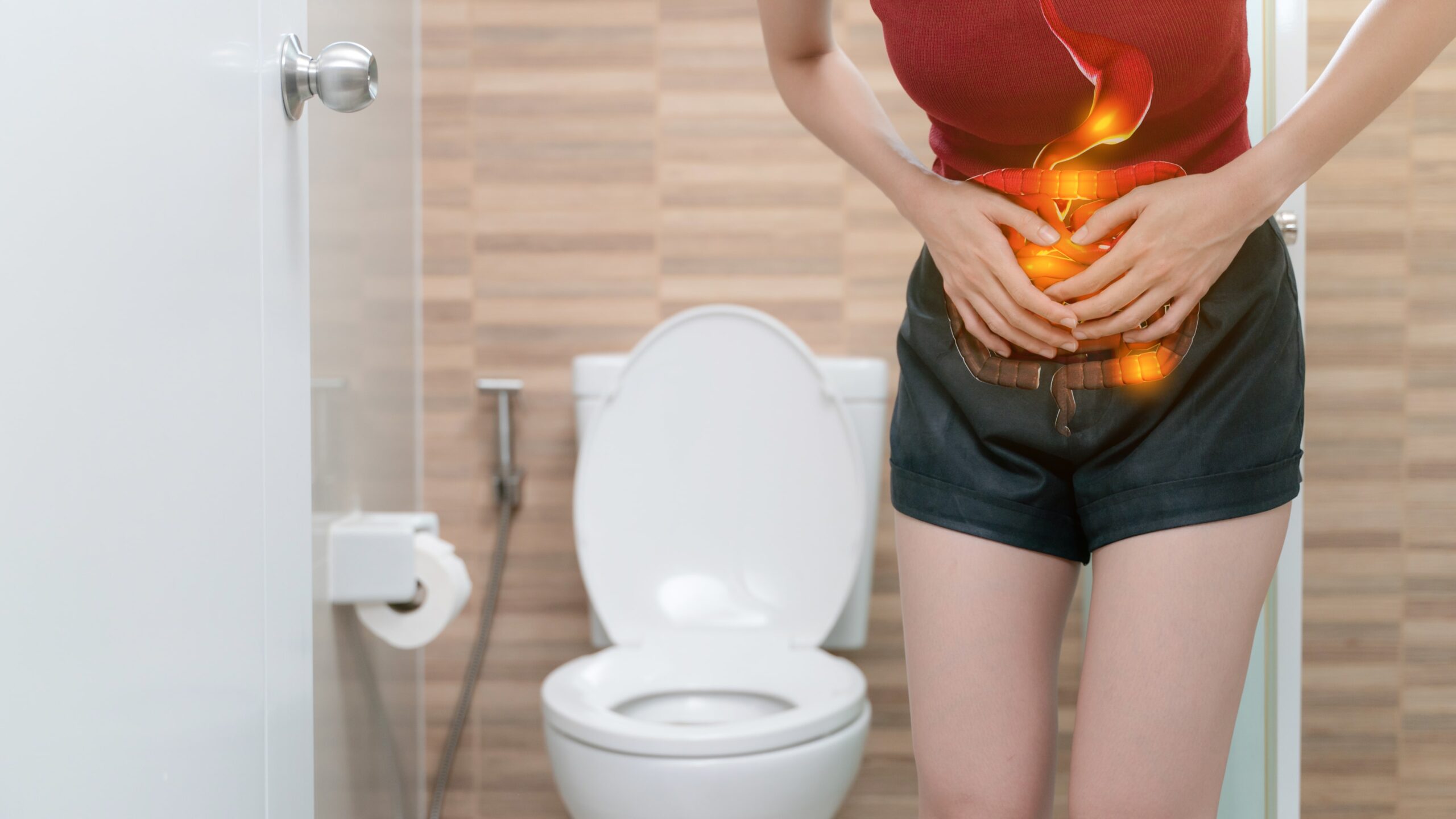
Have you ever felt a sudden burning sensation when passing urine or found yourself rushing to the bathroom more often than usual? If yes, you might have wondered what’s wrong. Such discomfort is often linked to a urinary tract infection (UTI), one of the most common health concerns in India.
Though it may sound simple, a urinary tract infection can disturb your daily routine and, if ignored, even lead to kidney infection or long-term damage. The good news? With timely diagnosis, proper urinary tract infection treatment, and simple preventive steps, most UTIs can be managed effectively.
What is a Urinary Tract Infection (UTI)?
A urinary tract infection is an infection that affects any part of your urinary system, which includes the kidneys, bladder, urethra, and ureters. Most UTIs occur in the lower urinary tract, particularly the bladder and urethra. ‘
This type is called a lower urinary tract infection. However, if the infection spreads upward, it can reach the kidneys and cause serious kidney diseases. UTIs are usually caused by bacterial infections, most commonly by Escherichia coli (E. coli bacteria). While urinary tract infection symptoms vary by age and gender, prompt attention is always important to prevent recurrent infections and complications.
Causes of Urinary Tract Infections
Understanding urinary tract infection causes is the first step in prevention. While bacterial infections remain the leading culprit, several other factors can trigger or worsen UTIs.
Bacterial Infections
- The majority of UTIs occur due to E. coli, bacteria normally present in the digestive and kidney diseases pathway.
- When these bacteria enter the urinary tract, they can multiply quickly, leading to infection.
- If left untreated, bacterial growth can travel upward, turning into a complicated UTI or even permanent kidney damage.
Poor Hygiene and Lifestyle Factors
- Not cleaning the genital area properly after a bowel movement can spread bacteria into the urinary system.
- Wearing tight clothing for long hours creates moisture that helps bacteria survive.
- Not drinking enough water prevents the bladder from being completely emptied, leaving room for infection.
Sexual Activity and Contraceptives
- Sexually active women are more prone to tract infections as sexual intercourse can push bacteria into the urethra.
- Birth control methods like diaphragms and spermicides may increase risk factors for UTIs.
Urinary Catheters and Medical Procedures
- People with a urinary catheter have a higher chance of chronic UTIs.
- Medical procedures that involve the urinary tract can introduce bacteria directly into the bladder.
Underlying Health Conditions (Diabetes, Kidney Disorders)
- Diabetes weakens immunity and makes it harder for the body to fight bacterial infections.
- Kidney stones can block urine flow, increasing the chance of recurrent urinary tract infections.
- Other kidney diseases or digestive and kidney disorders also increase UTI risk.
Risk Factors for UTIs
Anyone can develop a urinary tract infection, but some people face a higher chance than others. These risk factors explain why UTIs occur frequently in certain groups.
Gender-Based Risks
- Women are more likely to experience UTIs because the female urethra is shorter.
- This allows the coli bacteria to reach the bladder faster.
- Pregnancy also increases the chances of recurrent UTIs.
Age-Related Factors
- Elderly patients often have weaker immunity, making them prone to urinary tract infection symptoms.
- Older adults using urinary catheters or with previous UTIs face repeated infections.
- Hormonal changes after menopause can also affect bladder health.
Sexual Activity and Birth Control
- Frequent sexual intercourse increases the chances of bacterial growth in the urinary system.
- Using certain birth control options, like spermicidal creams, can irritate the genital area.
- Low-dose antibiotics after sexual activity may be prescribed to reduce infections in people with frequent UTIs.
Underlying Health Conditions
- Diabetes, kidney stones, and digestive and kidney diseases are other risk factors.
- People with permanent urinary catheter use are prone to complicated UTIs.
- White blood cells found in a urine sample indicate the body is already fighting infection.
Previous Infections and Recurrent UTIs
- Individuals with repeated infections or recurrent UTIs often need urine tests and urine culture to identify the right treatment.
- Antibiotic resistance makes treatment harder in such patients.
- Chronic UTIs require special care from a health care provider.
Symptoms of Urinary Tract Infections
Spotting urinary tract infection symptoms early can prevent them from becoming severe. Symptoms may differ by age group and the part of the urinary tract involved.
Common Symptoms in Adults
- Burning while urinating
- Frequent urge to urinate, even when the bladder is not full
- Cloudy urine or bloody urine
- Pain in the lower abdomen or back
Symptoms in Children
- Young children may not clearly describe UTI symptoms.
- Signs include fever, irritability, poor feeding, and unusual urine smell.
- Bedwetting or accidents in previously toilet-trained children can also signal a tract infection.
Symptoms in Elderly Patients
- Confusion, tiredness, and behavioural changes are common in elderly people with UTIs.
- They may not always report classic urinary tract infection symptoms.
- Repeated infections often point to other risk factors like urinary catheter use or kidney diseases.
Difference Between Upper and Lower UTI Symptoms
- Lower urinary tract infections (bladder infection and urethral infection) mainly cause painful urination and frequent urges.
- Upper urinary tract infections (kidney infection) cause fever, chills, nausea, vomiting, and pain in the back or sides.
- Complicated UTIs usually involve both upper and lower urinary tract symptoms.
Diagnosis of UTI

When urinary tract infection symptoms appear, accurate diagnosis becomes the first step to effective treatment. A health care provider usually begins with a detailed medical history, including past UTIs, sexual activity, birth control use, and other risk factors. Physical examination of the genital area may follow, especially in recurrent infections or complicated UTIs. The aim is simple: confirm infection, locate the affected part of the urinary system, and identify the bacteria causing it.
Urine Sample and Urine Tests
The most common diagnostic tool is a urine sample test. The sample is checked for:
- White blood cells indicate the body’s immune system is fighting infection.
- Red blood cells – signal bladder infection or kidney infection.
- Bacteria – confirm bacterial growth inside the urinary tract.
Sometimes, a simple urine test is enough for diagnosing uncomplicated urinary tract infections. However, for recurrent UTIs or complicated cases, urine culture becomes essential.
Urine Culture
- A urine culture grows bacteria in a lab to find out which type is present.
- It helps the doctor choose the appropriate antibiotic.
- In cases of antibiotic resistance, culture reports show which particular antibiotic works best.
- For frequent UTIs, urine culture is repeated after antibiotic therapy to ensure the infection is gone.
Imaging Tests (Ultrasound, CT Scan)
- Imaging is recommended when recurrent urinary tract infections keep happening.
- An ultrasound scan helps detect kidney stones, bladder obstruction, or structural issues in the urinary system.
- A CT scan may be suggested if the infection is spreading to the kidneys.
- These tests rule out other risk factors behind repeated infections.
Cystoscopy
- In some cases, especially chronic UTIs or unexplained symptoms, a cystoscopy is done.
- A thin tube with a camera is inserted into the bladder.
- It shows if there are any stones, tumours, or abnormalities in the lower urinary tract.
Additional Diagnostic Tools
- Blood tests may be done in suspected kidney infection to check for permanent kidney damage.
- In men, a prostate exam may be suggested if UTIs occur frequently.
- For women with recurrent infections, vaginal cream may sometimes be prescribed after diagnosis to restore natural balance.
Correct diagnosis ensures that urinary tract infection treatment is not only fast but also reduces the chances of repeated infections. Without tests like urine culture and imaging, antibiotic therapy may fail or lead to antibiotic resistance.
Treatment Options for UTI
Urinary tract infection treatment depends on severity, frequency, and whether it is an uncomplicated UTI or a complicated UTI. Most people with uncomplicated urinary tract infections recover quickly with oral antibiotics, but chronic UTIs or complicated cases may need stronger care.
Oral Antibiotics
- The first line of treatment for most UTIs.
- A health care provider will prescribe antibiotics after reviewing urine tests.
- A single dose is sometimes enough for mild infections, but usually a 3–7 day course is given.
- For recurrent UTIs, low-dose antibiotics may be prescribed for a longer period.
IV Antibiotics
- In severe kidney infection or complicated UTIs, intravenous antibiotics are required.
- Patients are admitted to the hospital for close monitoring.
- IV antibiotics work faster in controlling bacterial growth and preventing permanent kidney damage.
Pain Management and Lifestyle Support
- Painkillers and antispasmodic medicines are given for burning urination and bladder discomfort.
- Drinking more water helps flush bacteria and ensures the bladder empties completely.
- Cranberry juice or drinking cranberry juice regularly is believed to reduce infections in some people.
Special Approaches for Women
- Sexually active women facing frequent UTIs may be advised to take low-dose antibiotics after sexual intercourse.
- Vaginal cream with estrogen is sometimes recommended post-menopause to prevent UTIs frequently.
- A urology care foundation guideline suggests timely urine tests to track repeated infections.
Managing Recurrent Infections
- For patients with recurrent urinary tract infections, doctors may switch to a particular antibiotic based on culture reports.
- If repeated infections occur despite antibiotic therapy, further tests like a CT scan or cystoscopy are done.
- Chronic UTIs are often managed with combined medical and lifestyle strategies.
Preventive Prescriptions
- Health care providers sometimes give single-dose antibiotic therapy as preventive treatment after certain medical procedures.
- Probiotics may also be prescribed to balance natural bacteria in the digestive system and urinary tract.
- In selected cases, doctors use alternative approaches like bladder instillation therapy.
Treatment is always customised. The goal is not only to treat UTIs but also to prevent UTIs in the future by addressing underlying causes, risk factors, and repeated infections.
Complications if Left Untreated
Ignoring urinary tract infection symptoms can turn a simple infection into a major health problem. An untreated UTI may spread from the bladder to the kidneys, causing a kidney infection. Complicated UTIs increase the risk of permanent kidney damage. Antibiotic resistance also develops when infections are not managed properly, making future urinary tract infection treatment more difficult. Chronic UTIs may disturb daily life with repeated infections and pain.
In rare cases, untreated severe infections may enter the bloodstream and cause sepsis, a life-threatening condition. That is why prompt urine tests, urine culture, and appropriate antibiotic therapy are important. Early treatment saves not just the urinary system but overall health too.
Preventive Measures for UTIs
While urinary tract infection treatment works well, prevention is always better than a cure. Adopting the right lifestyle habits lowers the chances of recurrent infections and helps maintain a healthy urinary system.
Hydration and Bladder Care
- Drink at least 8–10 glasses of water daily.
- Staying hydrated dilutes urine and helps flush bacteria out.
- Empty your bladder completely each time you urinate to prevent bacterial growth.
Hygiene Practices
- Clean the genital area from front to back after a bowel movement.
- Avoid using harsh soaps or sprays in the genital area, as they can irritate and disturb the natural balance.
- Always change sanitary pads and undergarments regularly.
Sexual Activity Precautions
- Urinate before and after sexual intercourse to reduce infections.
- Use safer birth control options after discussing with your health care provider.
- Avoid spermicides if you face frequent UTIs, as they may irritate the urethra.
Medical Guidance and Monitoring
- If you have diabetes, keep your blood sugar levels under control to reduce infections.
- People with a urinary catheter should follow strict care instructions.
- Regular urine tests help in the early detection of bacterial infections.
Natural Support and Lifestyle Choices
- Drinking cranberry juice may help some people reduce infections.
- Include fibre-rich foods to support smooth bowel movement. Constipation can indirectly increase UTI risk.
- Quit smoking and reduce alcohol, as both affect bladder health.
These simple preventive steps reduce infections, support faster recovery after treatment, and prevent UTIs from becoming recurrent urinary tract infections.
SRM Global Hospital – Trusted Care for Faster Healing and Safer Recovery
At SRM Global Hospitals, patients receive expert care for urinary tract infection treatment and recovery. Our doctors focus not only on treating uncomplicated urinary tract infections but also on identifying and managing recurrent infections, complicated UTIs, and chronic UTIs. From urine culture testing to advanced imaging like a CT scan, every diagnostic service is available under one roof.
With a dedicated team of urologists and infectious diseases specialists, SRM Global Hospitals ensures that every patient gets the most appropriate antibiotic therapy, whether oral antibiotics, IV antibiotics, or preventive low dose antibiotics. Lifestyle guidance, counselling for sexually active patients, and support for those with kidney diseases or urinary catheter care are all part of our treatment approach.
Your health deserves the right care at the right time. Book your appointment today at SRM Global Hospitals for safer recovery and long-term wellness.
FAQs
1. What are the common urinary tract infection symptoms?
The most common symptoms are burning during urination, frequent urge to pass urine, cloudy urine, and lower abdominal pain. In severe cases, bloody urine or fever may occur.
2. How is a urinary tract infection diagnosed?
Doctors usually ask for a urine sample to check for white blood cells, red blood cells, and bacteria. A urine culture helps identify the exact bacteria for proper antibiotic therapy.
3. Can cranberry juice really prevent urinary tract infections?
Drinking cranberry juice may help reduce infections in some people. However, it is not a substitute for medical treatment. Always follow your doctor’s advice if you have recurrent UTIs.
4. What are the risk factors for recurrent urinary tract infections?
Risk factors include diabetes, kidney stones, urinary catheter use, frequent sexual intercourse, and previous UTIs. Women and elderly patients are also more prone to repeated infections.
5. What happens if a urinary tract infection is left untreated?
An untreated infection can spread to the kidneys, causing permanent kidney damage. It may also lead to sepsis in severe cases. Always consult a health care provider for timely treatment.
