



Try lifting a bucket of water and suddenly feel a sharp sting in your shoulder. Or maybe you notice a dull ache deep in your arm every night when you lie down. These aren’t random aches. They’re often early signs of a rotator cuff tear. This condition can make the simplest tasks, like combing your hair, reaching for your wallet, or even buttoning a shirt, feel like hard work.
Some people ignore the pain, hoping it will fade, but it usually doesn’t. Instead, the discomfort grows, sleep gets disturbed, and the shoulder weakens over time. The good news is that rotator cuff injuries can be treated. But the first step is to understand the symptoms, causes, and the treatment options available.
What is the Rotator Cuff?
Think of your shoulder as a ball sitting in a shallow plate. That ball is your upper arm bone, and the plate is the shoulder joint. It’s not very stable on its own. That’s where the rotator cuff comes in.
The rotator cuff is a group of four muscles and their tendons that wrap around the shoulder joint like a sleeve. These tendons connect the shoulder blade to the arm bone. Together, they keep the joint in place while you move. Without them, lifting, throwing, or even typing on a laptop would feel impossible. Damage to rotator cuff tear—like a partial tear or a complete tear—causes weakness, pain, and stiffness.
Causes of Rotator Cuff Tears
Rotator cuff tears don’t always happen the same way. Some occur in a second, others build up for years. Before we list the main causes, imagine your shoulder as a rope. Use it carefully, it lasts long. Keep pulling and scraping it, strands begin to fray.
Age-related Degeneration
As you cross 40, blood supply to the rotator cuff tendons decreases. Healing slows down, tendons lose strength, and even small movements can tear them. That’s why doctors often see degenerative tear cases in middle-aged or older patients.
Repetitive Overhead Activity
Painters, carpenters, swimmers, and tennis players know this story too well. Repeated overhead motions strain the rotator cuff teara. Over time, this repetitive stress wears them out and creates partial thickness tears.
Traumatic Injury
One slip on a wet floor, and you land hard with an outstretched arm. The sudden pull can rip a tendon clean off the bone. These traumatic tears are usually complete tears. Pain comes fast, often with a loud pop or instant weakness.
Bone Spurs
With age, small bone spurs can form on the shoulder blade. Every time you lift your arm, they scrape against the rotator cuff tendon. That constant grinding causes irritation and eventually a cuff tear. Doctors call this shoulder impingement syndrome.
Poor Posture and Weak Muscles
Slouching while working on a laptop all day adds slow, invisible pressure on the shoulder. Combine that with weak shoulder muscles, and the rotator cuff is left unprotected. Over time, this imbalance leads to tendon tear and chronic shoulder pain.
Types of Rotator Cuff Tears
Rotator cuff tears aren’t all the same. Some involve only fraying of the rotator cuff tendon, while others pull the tendon completely off the upper arm bone. The kind of rotator cuff tear you have decides whether rest and therapy will work or if surgery is needed.
A rotator cuff injury might begin with mild shoulder pain and progress into a cuff tear that limits every move. Doctors use the following categories to explain and treat different kinds of rotator cuff disease.
Partial Rotator Cuff Tear

A partial rotator cuff tear means the tendon is damaged but not fully detached from the upper arm bone. The rotator cuff tendon may be frayed, thin, or partly split, but it still holds the joint together. Patients usually complain of ongoing shoulder pain, especially with overhead motion.
This kind of rotator cuff injury often develops slowly due to wear and tear. Although painful, many partial cuff tears respond to physical therapy and nonsurgical treatment. Proper care prevents it from progressing into severe rotator cuff disease.
Complete Rotator Cuff Tear
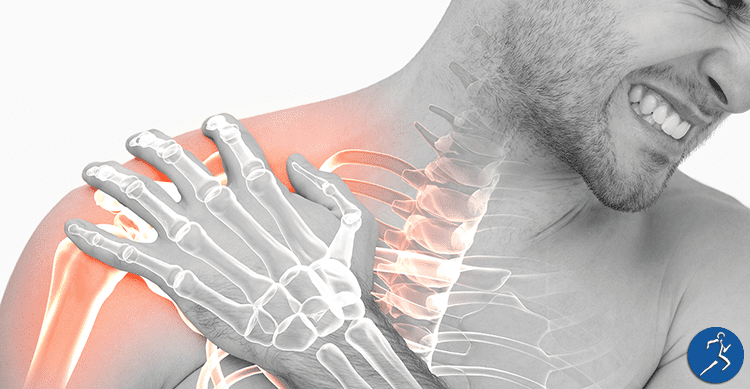
A complete rotator cuff tear is when the tendon fully separates from the upper arm bone. Here, the rotator cuff tendon can no longer anchor the muscle, leading to sharp shoulder pain and immediate weakness. Lifting the arm becomes extremely difficult, and daily tasks are disrupted.
This type of rotator cuff injury doesn’t heal on its own. Surgery is usually required to reattach the tendon and restore function. Untreated, a complete cuff tear can worsen shoulder pain and lead to long-term rotator cuff disease.
Acute Tear

An acute rotator cuff tear happens suddenly, often from accidents or sports injuries. A fall on the shoulder or lifting a heavy weight may snap the rotator cuff tendon. Patients describe hearing a pop followed by severe shoulder pain and loss of movement.
Unlike degenerative tears, acute cuff tears appear without warning and affect even younger people. The tendon pulls off the upper arm bone forcefully, creating immediate dysfunction. Quick diagnosis is essential, as untreated acute rotator cuff injuries can progress into chronic rotator cuff disease.
Degenerative Tear
A degenerative rotator cuff tear develops gradually. Years of repetitive lifting, poor posture, or untreated shoulder pain wear down the rotator cuff tendon. With time, the tendon weakens, fibers fray, and a cuff tear forms. This is common in patients with long-term rotator cuff disease.
Since the tendon connects the shoulder blade to the upper arm bone, its breakdown reduces strength and flexibility. Degenerative rotator cuff injuries are often ignored until the pain becomes severe. Left untreated, they may progress into irreparable rotator cuff tears.
Irreparable Rotator Cuff Tears

In some cases, the rotator cuff tendon is too damaged to repair. These are called irreparable rotator cuff tears. Years of rotator cuff disease, delayed treatment, or severe injury can lead to tendon retraction, scarring, and muscle loss. Patients usually experience constant shoulder pain and very poor arm function.
The upper arm bone may shift abnormally due to lack of tendon support. Surgery options like tendon transfer or reverse shoulder replacement are often suggested. Without treatment, an irreparable rotator cuff tear makes even simple movements nearly impossible.
Symptoms of a Rotator Cuff Tear
Rotator cuff tear symptoms don’t always scream for attention. Sometimes it’s just a nagging shoulder ache you dismiss after a long day. Other times, the pain is so sharp that even lifting a glass of water feels impossible.
A rotator cuff injury can affect anyone, from athletes to desk workers, and symptoms depend on the severity, whether it’s rotator cuff tendinopathy, a partially torn tendon, or a complete rupture. Let’s look at the most common signs you need to watch for.
Shoulder Pain
The first sign of a rotator cuff injury is often shoulder pain. Patients describe it as a dull ache deep inside the joint, which worsens at night or when lying on the injured side. Pain may spread down the arm, especially if the biceps tendon is also inflamed.
In cases of rotator cuff tendinopathy, the supraspinatus tendon is usually the most affected, and pain increases with overhead activity. Doctors at Miller’s Orthopaedic Sports Medicine often see patients who wait too long, thinking the pain will pass, only to end up with a partially torn tendon that restricts daily life.
Arm Weakness
Rotator cuff muscles provide the strength to lift, rotate, and stabilize the shoulder. When a rotator cuff injury damages the tendon, weakness follows. Patients may drop household items or struggle to lift their dominant arm. This happens because the supraspinatus tendon or biceps tendon cannot handle the load.
Even a partially torn tendon reduces stability, making simple tasks exhausting. At Miller’s Orthopaedic Sports Medicine, specialists often warn that untreated weakness can worsen rotator cuff tendinopathy. Severe cases may even require elbow surgery if the strain spreads downward.
Limited Range of Motion
Loss of range of motion is another major symptom of a rotator cuff tear. Imagine trying to zip your dress, comb your hair, or reach into the backseat, actions you once did without thought. Now, every move causes pain or stiffness. A rotator cuff injury, especially in the supraspinatus tendon, makes these movements nearly impossible.
Patients with rotator cuff tendinopathy or a partially torn tendon complain of tightness and grinding inside the shoulder. Without treatment, weak rotator cuff muscles worsen mobility. Sports specialists, including those at Miller’s Orthopaedic Sports Medicine, stress early therapy to restore shoulder flexibility.
Cracking Sensation
Some patients notice clicking or popping in the shoulder when they move. This sound often means the rotator cuff tendon isn’t gliding smoothly over the joint. In cases of rotator cuff tendinopathy, the supraspinatus tendon or biceps tendon may be inflamed, causing rough contact between soft tissues. A partially torn tendon can also produce grinding noises with each lift.
While not always painful at first, these sounds signal a rotator cuff injury that could progress into a more severe cuff problem. Doctors at Miller’s Orthopaedic Sports Medicine say ignoring these early signs can limit range of motion permanently.
Night Discomfort
One of the most frustrating rotator cuff tear symptoms is night discomfort. Many patients with rotator cuff injury say lying on the affected side causes throbbing shoulder pain that wakes them up. A partially torn tendon or supraspinatus tendon injury makes sleeping on that shoulder unbearable.
Even small adjustments in bed can strain the rotator cuff muscles and biceps tendon, making rest difficult. Over time, lack of sleep affects recovery. Specialists in Miller’s Orthopaedic Sports Medicine emphasize that night pain should never be ignored—it usually points to a progressing rotator cuff tendinopathy that needs treatment before surgery becomes necessary.
When to See a Doctor
If shoulder pain lingers more than a week, don’t brush it off. Severe pain, swelling, or arm weakness are red flags. Loss of range of motion, or not being able to raise your arm at all, means you should see an orthopaedic doctor right away. Delaying treatment risks tear completion, chronic shoulder pain, or even permanent damage.
Diagnosis of Rotator Cuff Tear
Doctors start with a physical exam. They’ll test shoulder function, strength, and range of motion. Pressure tests on the affected shoulder help spot weak spots.
Then come imaging tests. X-rays show bone spurs and shoulder joint issues. Magnetic resonance imaging (MRI) or ultrasound reveal details of the torn tendon—partial tear, complete tear, or tendon wear. These scans guide doctors in choosing nonsurgical treatment or rotator cuff tear surgery.
Non-Surgical Treatment Options
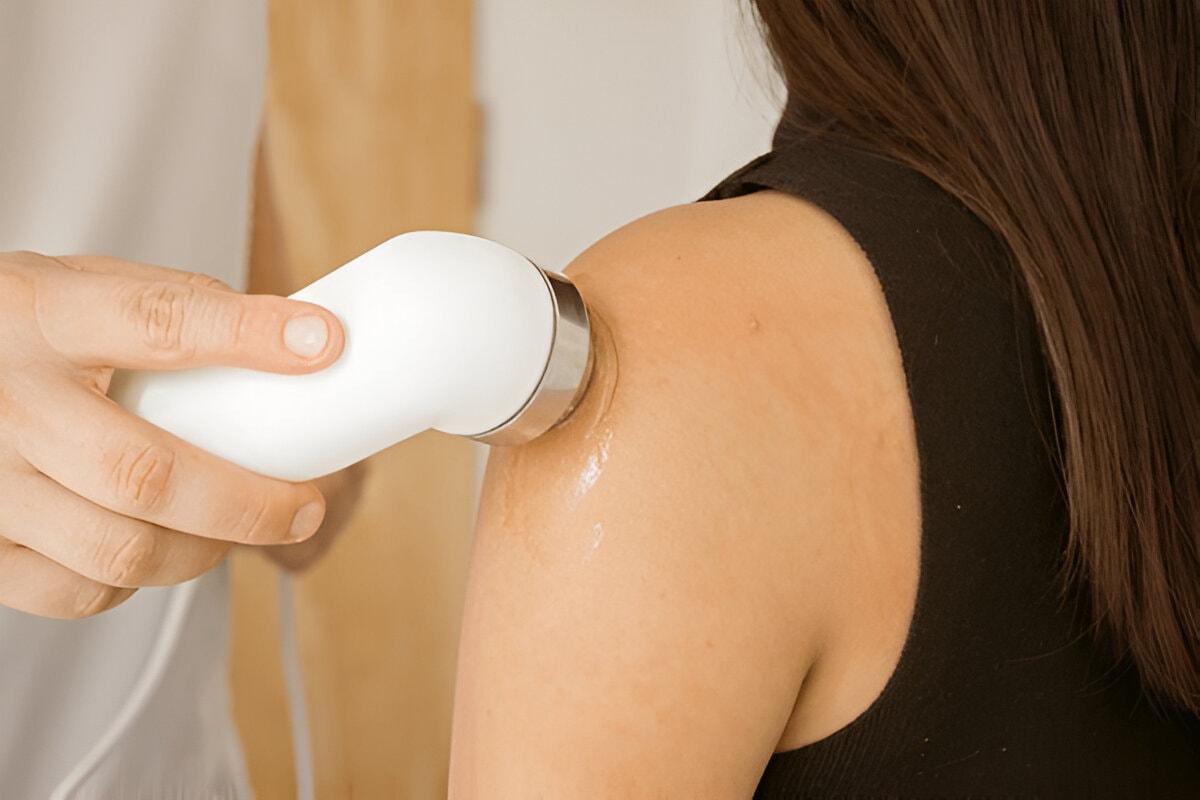
Not every rotator cuff injury needs surgery. Many improve with nonsurgical treatment and patience. Doctors usually try these before recommending surgery.
Rest and Activity Change
Stop overhead lifting and repetitive stress. Rest gives the torn tendon time to recover.
Physical Therapy
Guided rotator cuff tear exercises strengthen shoulder muscles and improve range of motion. A good therapist customizes exercises so recovery feels steady, not forced.
Medications
Anti-inflammatory tablets or injections reduce swelling and shoulder pain. They often provide temporary relief while therapy works on long-term healing.
Hot and Cold Therapy
Ice calms swelling, heat relaxes stiff muscles. Switching between both is a simple way to provide pain relief at home.
Lifestyle Tweaks
Better posture at work, avoiding repetitive lifting, and doing strengthening exercises keep rotator cuff problems in check.
Surgical Treatment Options
When nonsurgical treatment doesn’t help, doctors recommend surgery. Techniques vary, depending on the tear.
- Arthroscopic Repair: A small camera guides the surgeon to stitch the torn tendon.
- Open Repair: A larger cut gives direct access to the torn tendon.
- Mini-Open Repair: A mix of arthroscopy and small incision repair.
- Tendon Transfer: Another tendon replaces the torn one if repair isn’t possible.
- Reverse Shoulder Replacement: Used in irreparable rotator cuff tears or glenohumeral arthritis.
Rehabilitation and Recovery
Recovery isn’t overnight. After rotator cuff repair or shoulder replacement, the arm usually stays in a sling for weeks. Physical therapy begins slowly, starting with gentle movements. Over months, strengthening exercises return shoulder function. Patience is key here. Rushing recovery risks another tendon tear.
Prevention of Rotator Cuff Tears
Warm up before sports. Don’t ignore posture while sitting long hours. Take breaks if your job involves repetitive lifting. Regular strengthening exercises for shoulder muscles keep tendons safe. And don’t shrug off small shoulder pain—it’s often a warning.
Living with a Rotator Cuff Tear
Living with chronic shoulder pain is frustrating. Everyday actions—from brushing teeth to lifting groceries—turn into struggles. But treatment helps. With the right mix of physical therapy, lifestyle changes, and if needed, rotator cuff surgery, life becomes easier again. Patients often say the biggest relief is finally sleeping without shoulder pain.
Final Thoughts
A rotator cuff tear doesn’t mean you stop using your shoulder. It means you start caring for it differently. Early diagnosis and proper treatment—surgical or nonsurgical—make recovery possible. Don’t wait until the pain becomes unbearable.
SRM Global Hospitals – Book Your Appointment Today
At SRM Global Hospitals, orthopaedic specialists and sports medicine experts treat every type of rotator cuff injury. From partial tears needing physical therapy to complete tears requiring rotator cuff surgery, you’ll find the right care here. The hospital also handles tendon transfer and reverse shoulder arthroplasty for complex cases.
If shoulder pain is holding you back, don’t delay. Book your appointment with SRM Global Hospitals today. Get the right diagnosis, treatment options, and recovery plan designed for your needs.
FAQs
1.Can a rotator cuff tear heal naturally?
Yes, many partial torn rotator cuff tears improve with rest, physical therapy, and nonsurgical treatment.
2.What are the main rotator cuff tear symptoms?
Shoulder pain, arm weakness, reduced range of motion, cracking sounds, and night discomfort.
3.How long does recovery take after rotator cuff tear surgery?
Usually 4–6 months, depending on the size of the tear and the type of surgery.
4.Are there safe rotator cuff tear exercises?
Yes, exercises like pendulum swings, resistance band pulls, and internal rotation strengthen shoulder muscles. Always do them under guidance.
5.When should I see a doctor?
If shoulder pain lasts over a week, worsens at night, or you lose arm function, see an orthopaedic doctor.
