


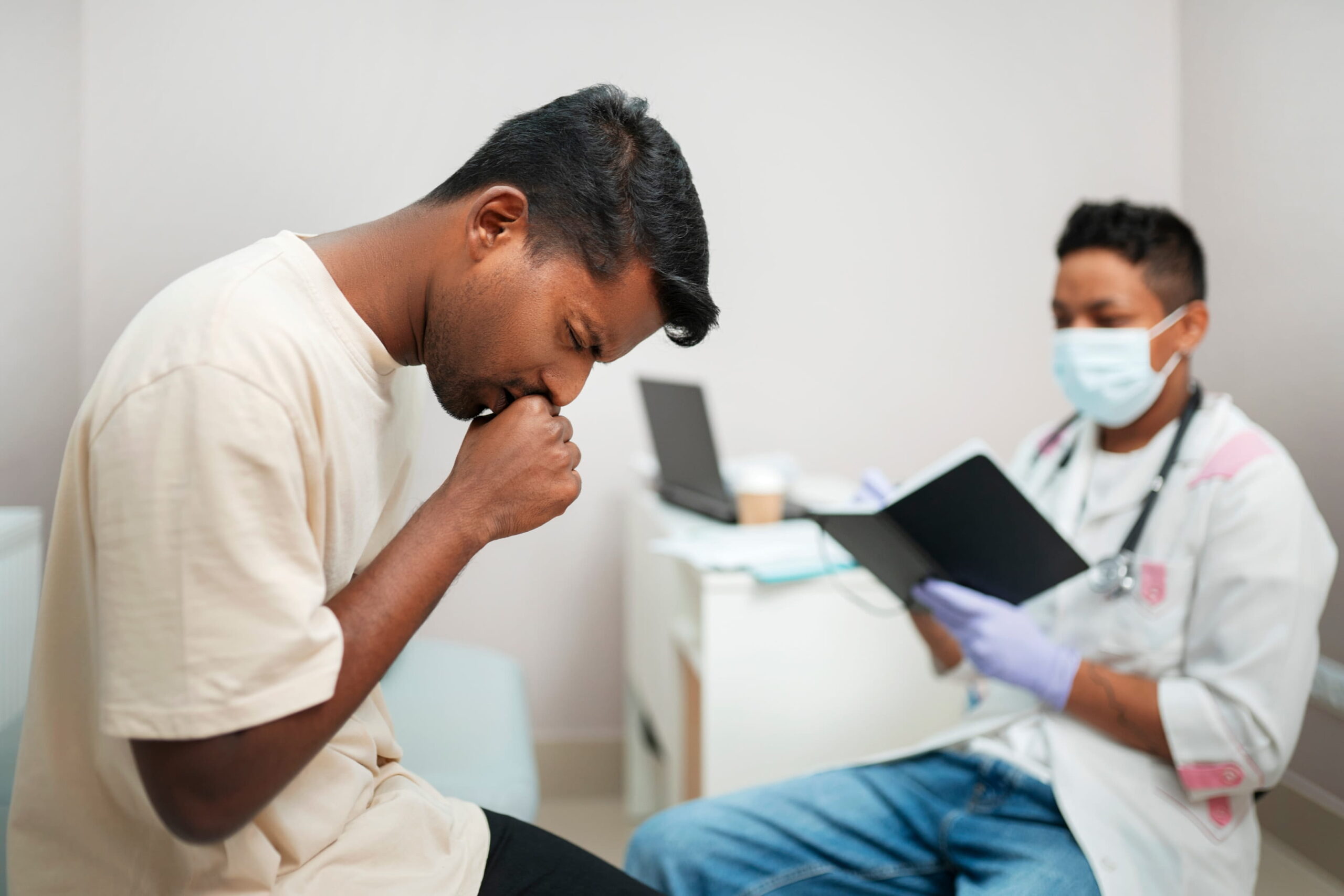
Tuberculosis Treatment: How it Turns Out to Be Life-Saving Reality
Tuberculosis is no longer the “White Plague” of the past. With early diagnosis and the proper treatment regimens, a full recovery is almost inevitable. India has achieved a success rate of 90% in 2024.
The World Health Organization (WHO) states that India has had a 21% decline in tuberculosis cases since 2015. While this progress is appreciative, India still carries 26% of the global burden, with over 26 lakh people diagnosed in 2024. SRM Global Hospitals remains dedicated to reducing this burden through prompt treatment and advanced disease control strategies.
Tuberculosis- Types
Tuberculosis shows up in various ways depending on which part of the body the TB bacteria attack.
Pulmonary Tuberculosis
It is the most common form in which the bacterium Mycobacterium tuberculosis attacks the lungs. Research from 2024 shows that nearly 75% of all TB cases in India fall under this category.
Extrapulmonary Tuberculosis
Extrapulmonary tuberculosis infection hides in organs away from the lungs. When TB bacteria enter the blood or lymph system, they can settle anywhere, from your brain to your gut.
Abdominal Tuberculosis
Abdominal tuberculosis is often hard to find because its signs look like many other stomach issues. Clinical suspicion must remain high to ensure early diagnosis. Research in 2025 shows that this form makes up nearly 16% of all extrapulmonary TB cases in India.
Bacteria reach the abdomen through the ingestion of infected sputum or raw milk containing Mycobacterium bovis. They can also travel through the blood from the lungs. The ileocecal region (where the small and large intestines meet) and the peritoneum (the lining of the abdomen) are the most commonly affected sites in abdominal tuberculosis. The symptoms are nonspecific and include abdominal pain, fever, weight loss, and changes in bowel habits.
Spinal Tuberculosis
Spinal Tuberculosis or Pott’s disease is not contagious, as the infection typically spreads from the lungs to the spine via the bloodstream. Still, it does not spread through the air from the spine. The bacteria invade the vertebrae, causing them to weaken. It is the most frequent form of Bone TB, which affects the spinal column, leading to bone destruction and potential deformity. It can also lead to serious complications such as a curved spine(kyphosis) or paralysis.
Other Common Forms of Extrapulmonary Tuberculosis
- Lymph Node Tuberculosis is the most common extrapulmonary TB in India, often appearing as painless, swollen lymph nodes in the neck.
- In Renal Tuberculosis, bacteria reach the kidneys, causing blood in the urine or side pain.
- Miliary Tuberculosis is a life-threatening emergency where bacteria spread like tiny seeds throughout the body in a weakened immune system.
Tuberculosis Transmission
When an infected person coughs or sneezes, tiny droplets containing the bacteria enter the air and could affect a person with a weakened immune system; however, extrapulmonary tuberculosis, which affects areas like the spine or abdomen apart from the lungs, is generally not contagious.
TB Exposure
Not everyone who breathes in the bacteria becomes sick immediately. Research shows that a treatment-naïve patient can generate an average of 75,000 infectious droplets per day, yet the body often fights them off.
Latent TB Infection
In this stage, the bacteria stay asleep in the body. You do not feel sick and cannot spread the infection to others. According to the World Health Organization, about a quarter of the global population has latent TB, but most will never fall ill.
Developing Active TB Disease
About 5% to 10% of people with latent TB will develop active disease at some point in their lives. Active TB disease occurs when the body is unable to kill or contain the bacteria, allowing them to continue growing. The risk increases problems regarding immune system weakening, such as HIV infection, Blood cancer, diabetes, or malnutrition.
Symptoms of Tuberculosis
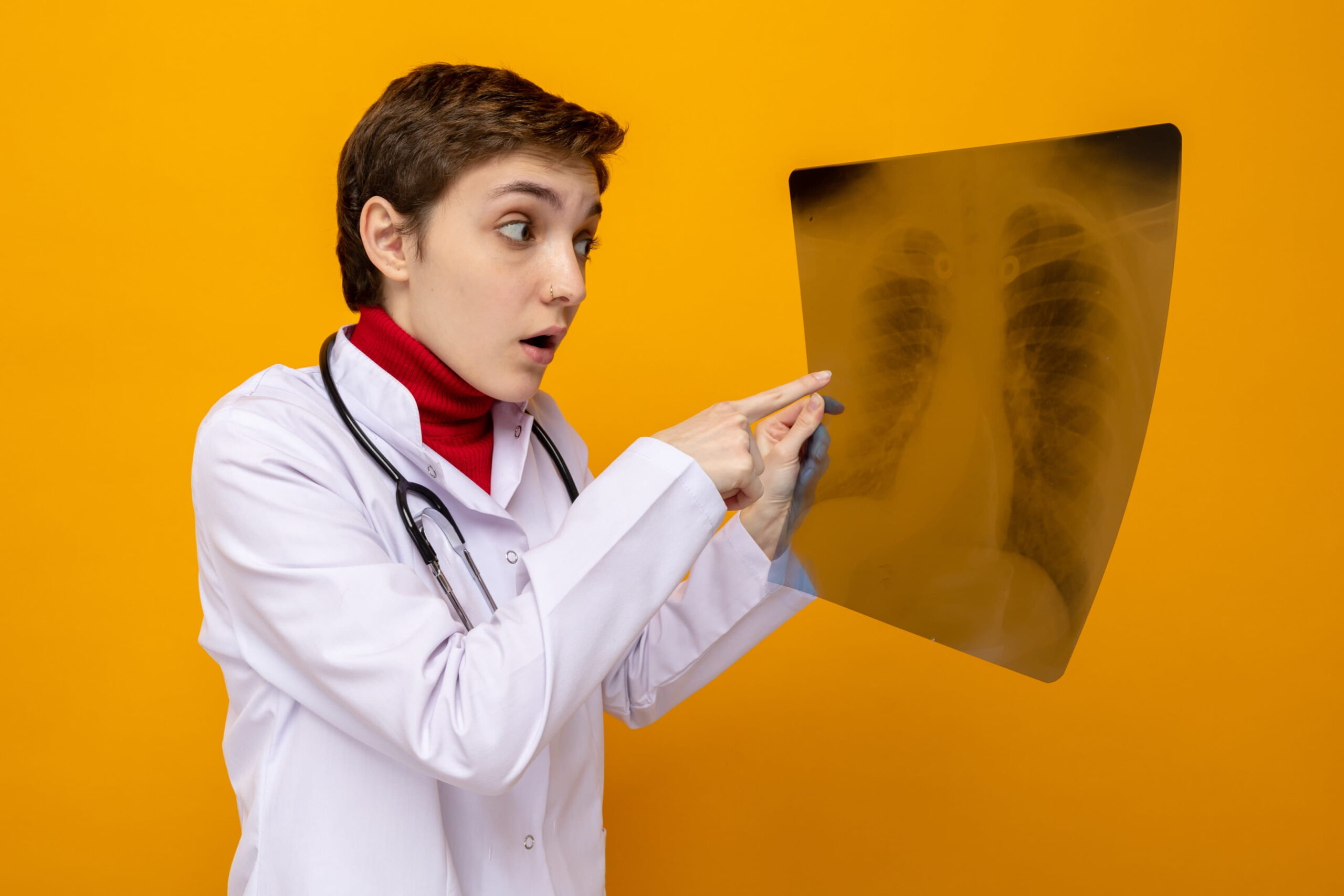
- Persistent Cough: A dry or productive cough that lasts for more than three weeks is a primary warning sign. Patients often cough up thick mucus or blood, which indicates damage to the lung tissue.
- Unexplained Weight Loss: Rapid and unintended loss of weight occurs as the body uses more energy to fight the infectious disease. A significant loss of appetite often accompanies this symptom.
- Night Sweats and Fever: Waking up drenched in sweat, even in a cool room, is a classic sign of TB disease. A low-grade fever that usually worsens in the evening signals an active struggle within the immune system.
- Heavy Fatigue: Feeling extremely tired or weak after minor activity is common. This exhaustion does not improve even with a whole night of sleep because the TB bacteria are draining the body’s resources.
- Chest Pain: Sharp or dull pain behind the breastbone can occur during deep breaths. This discomfort often follows lung inflammation or the spread of the disease to the chest lining.
Diagnosis of Tuberculosis
An accurate diagnosis is the foundation of recovery. We do not rely on just one test. Instead, we use a mix of modern technology and clinical expertise.
| Test Type | What it Detects |
| Blood Test (IGRA) | Checks if your immune system recognises the TB bacteria. |
| Chest X-ray | Look for patches or cavities in the lungs. |
| Sputum Test | Confirms the presence of Mycobacterium tuberculosis in phlegm. |
| Computed Tomography (CT Scan) | Provides detailed images of abdominal tuberculosis or spinal TB. |
| Positron Emission Tomography (PET) | Helps locate active infection in extrapulmonary tuberculosis. |
Treatments of Tuberculosis
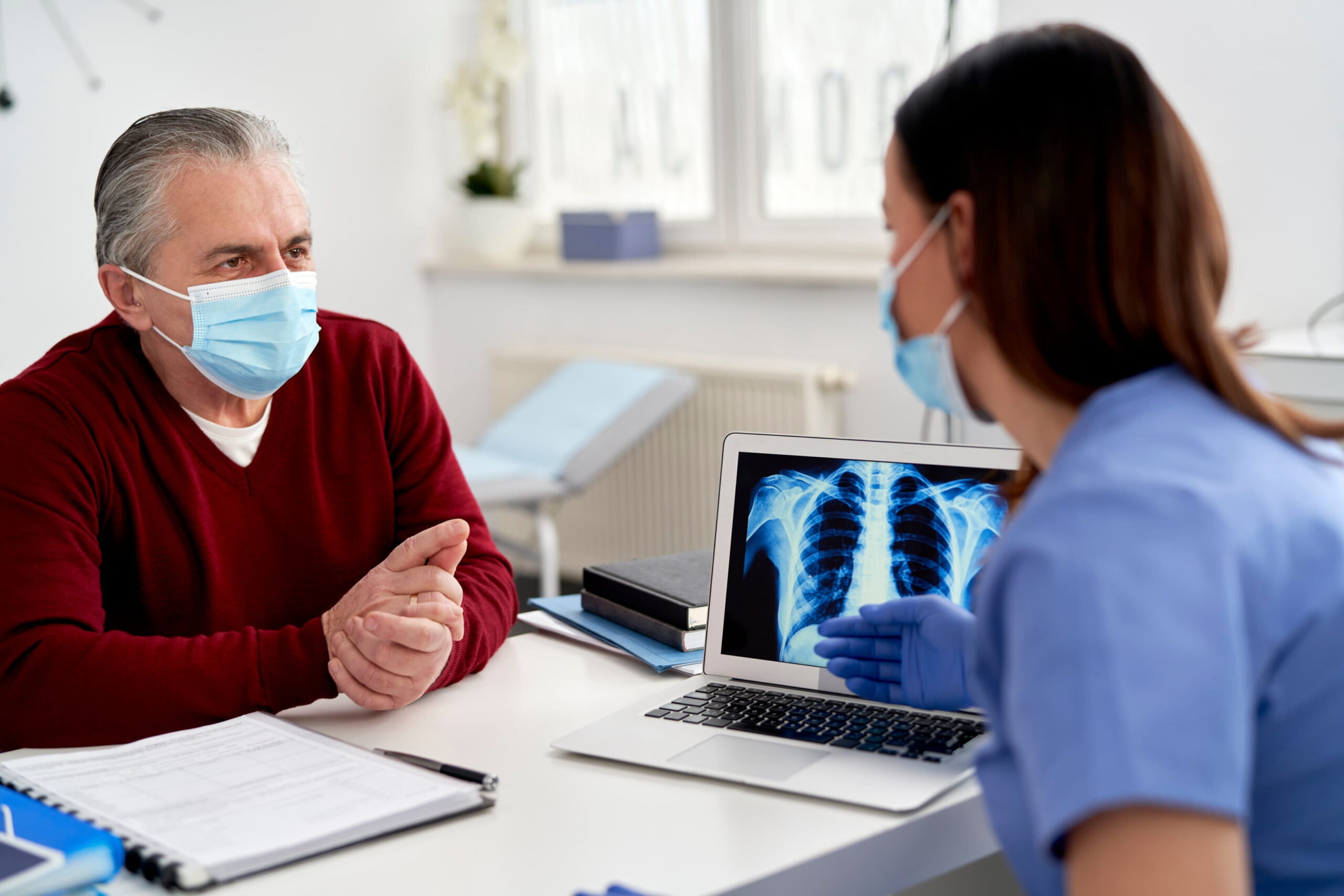
TB Medications
The TB Medication involves an effective 4-drug regimen that includes isoniazid, rifampicin, pyrazinamide, and ethambutol, which work together to kill the TB bacteria at different stages of their growth. Taking this mix of medications is vital because using only one drug can lead to drug-resistant TB.
Directly Observed Therapy (DOT)
Directly Observed Therapy (DOT) is a recommended approach to ensure every dose is taken correctly. A healthcare worker or trained provider watches the patient take their medicine. This method is the best way to prevent drug-resistant TB and ensure the treatment works the first time.
New Shorter Treatment Regimens
Older methods lasted for 18 to 24 months and were very difficult for patients. In 2025, tuberculosis treatment focuses on shorter, all-oral regimens that improve cure rates as they are adhered for patients.
- Success Rates: Shorter plans show high success rates of 89% to 90%.
- Comparison: Older, longer methods only reached a success rate of 50% to 60%.
- Patient Comfort: Shorter courses help patients stick to their schedule and complete the full course of TB medications.
Treating Latent TB Infection
Treating latent TB is essential to prevent the bacteria from waking up and causing active TB disease.
- Duration: Effective treatment for latent TB typically takes 3 to 4 months.
- Prevention: Clearing the bacteria while they are “asleep” protects your immune system and prevents you from becoming contagious in the future.
Standard Treatment Duration and Monitoring
Patients with TB should complete their medication course even if they feel better before finishing the treatment, as this recovery journey requires patience.
- Time Frame: The standard duration for active disease is at least six months.
- Extended Care: Some cases might need nine months or more, depending on how the body reacts.
- Monitoring: Clinical evaluations and laboratory tests accompanied by regular check-ups are essential for monitoring tuberculosis treatment progress and checking for side effects.
Extrapulmonary Tuberculosis Treatments
Abdominal Tuberculosis Treatment
Abdominal tuberculosis responds well to standard antituberculous drugs when diagnosed early, with surgery required only for complications such as obstruction, perforation (holes in stomach layers), or strictures (narrowing of the stomach region). Response to therapy occurs rapidly, usually within 2 weeks.
- Medication: A standard 4-drug regimen consisting of isoniazid, rifampicin, pyrazinamide, and ethambutol is recommended for the treatment of abdominal tuberculosis.
- Mucosal Healing: The lining of the gastrointestinal tract starts healing when the stomach layer is treated with medications apart from the 4-drug TB medications.
- Surgical Intervention: If needed, surgeons at SRM Global Hospitals offer surgical options for abdominal tuberculosis in complications such as bowel obstruction, perforation, and stricture formation, include bypassing involved bowel segments, radical resection of involved segments, and conservative surgeries like strictureplasty.
Response to antituberculous therapy occurs rapidly, usually within 2 weeks, and mucosal healing can be seen as early as the end of the initiation phase of therapy (2 months).
Pott's Disease (Spinal TB) Recovery
Antituberculous treatment for Pott’s disease is generally adequate. Most patients respond positively to medical therapy alone without needing primary operations.
- Medical Plan: The treatment for Pott’s disease typically involves a standard antituberculous regimen consisting of isoniazid, rifampicin, pyrazinamide, and ethambutol.
- When Surgery is Needed: Operations are required if there are large abscesses, severe bone bending (kyphosis), or nerve issues.
- Early Action: High clinical suspicion leads to better outcomes and prevents paralysis.
Heal better, live your life!
Visit us to ensure your quality of life remains high through accurate diagnosis and expert medical support. Schedule a consultation at SRM Global Hospitals for a complete assessment of your health.
Getting recovered from tuberculosis is a reality for millions of people in India today. Science has turned an old disease into a curable condition through a structured treatment through an evidence-based clinical approach. Every patient who recovers contributes to a healthier community and a disease-free future.
FAQs on Tuberculosis Treatment
1. Can I stop now, as I feel fine after two weeks of my TB medication?
Stopping early allows the bacteria to grow back and increases the risk of developing drug-resistant disease strains. You must finish the full course of medications prescribed by your doctor to ensure total disease control. Prompt treatment only works if you kill every single germ in your body.
2. Will I need an operation for my abdominal tuberculosis, or can medicine fix my stomach pain?
Standard drugs usually clear gastrointestinal tuberculosis and peritoneal tuberculosis without any need for a knife. Surgery is reserved for rare complications like a blocked bowel or a perforation. Most patients show rapid mucosal healing within the first two months of the 4-drug regimen.
3. Can I spread the infection to my family if I have bone tuberculosis or spinal TB?
Pott’s disease (Spinal TB) and other forms of bone tuberculosis are not contagious to people around you. These infections live deep inside the bones and do not enter the air when you cough. Your healthcare team will focus on protecting your spinal column using magnetic resonance imaging (MRI) to track your progress.
4. What risk factors turn my TB worse, and how do you check my progress?
Diabetes, malnutrition, and a weakened immune system are major factors that allow the bacteria to continue growing. Regular check-ups with laboratory tests and clinical evaluations are essential for monitoring your recovery. We use other tests, like blood work, to ensure the medicines are not causing unwanted side effects.
5. How do you know for sure if the bacteria have reached my abdominal solid organs or liver?
Specialists use computed tomography (CT Scan) and analysis of peritoneal fluid to reach a definitive diagnosis. These tools help us see hepatic tuberculosis or issues in the ileocecal region with great clarity. Finding the infection in these early stages ensures that the disease is treated early for a better outcome.
