


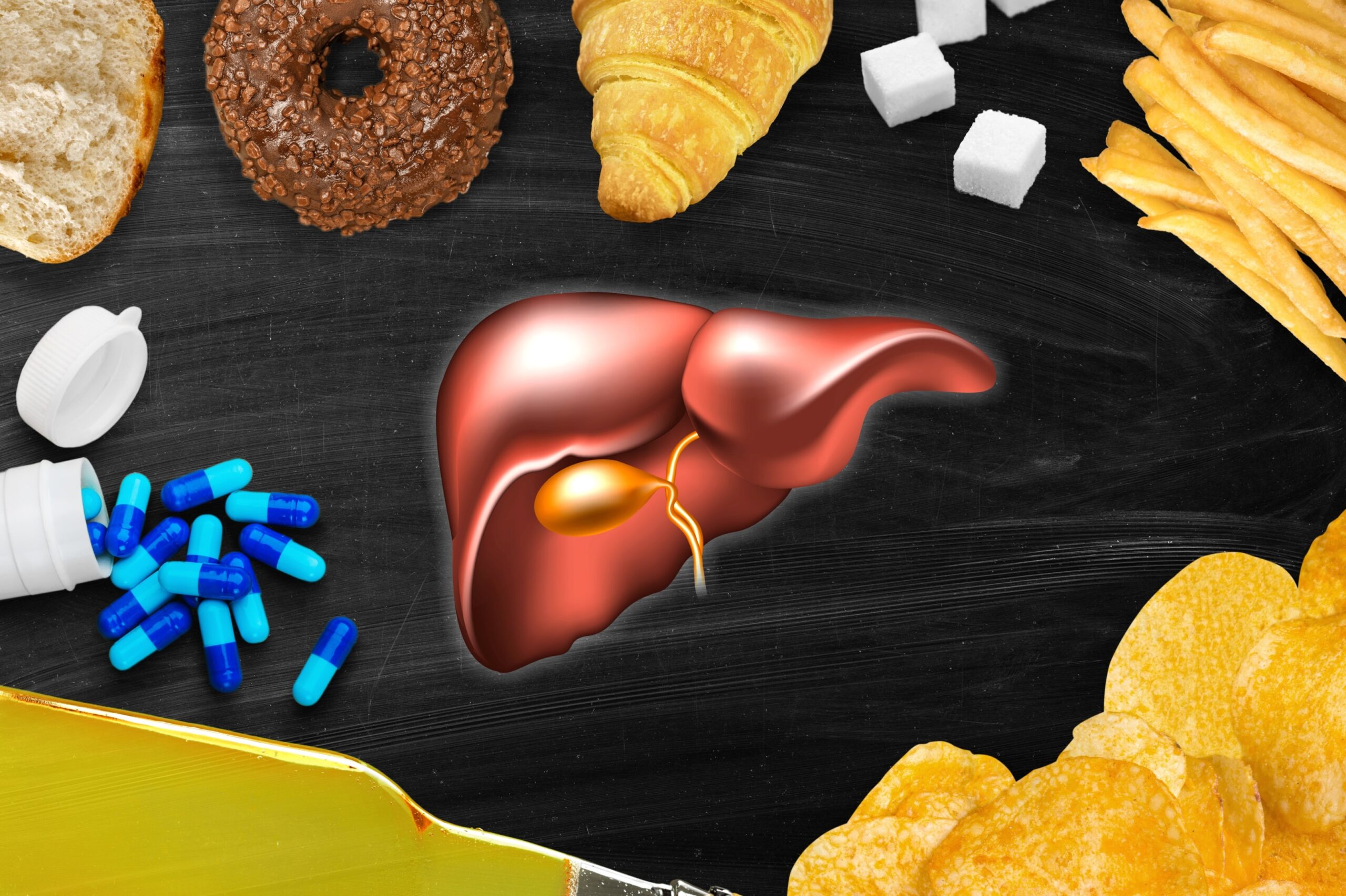
Transform Your Health: Overcoming Non-Alcoholic Fatty Liver Disease
Fatty liver disease happens when extra fat builds up in your liver. A little fat is normal, but more than 5% to 10% of liver weight is risky. It can be caused by alcohol, excess weight, or problems with metabolism. If unchecked, it can lead to inflammation, scarring, and even liver failure.
Non-alcoholic fatty liver is linked to Metabolic issues, which drive the fatty liver disease more than the alcoholic type. Early detection is crucial, with Blood tests, imaging, and, sometimes, a liver biopsy at SRM Global Hospitals to show the extent of fat and damage. Lifestyle changes such as weight loss, exercise, and diet can slow or reverse the condition. In severe cases, medical treatment or a liver transplant may be needed.
Understanding your risks and taking action now, with guidance from SRM Global Hospitals, can protect your liver and overall health. Small, steady changes make a big difference.
What is Fatty Liver Disease?
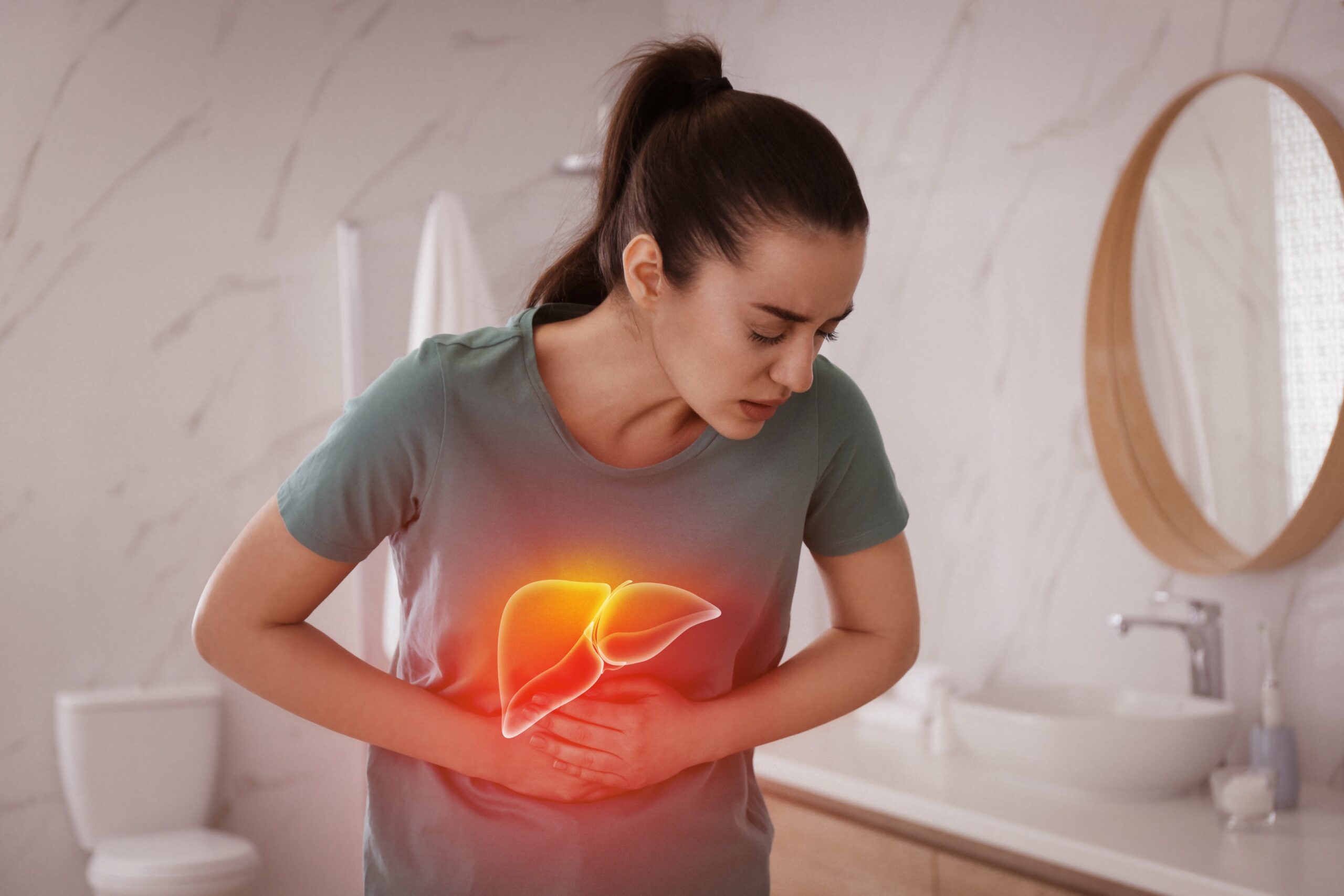
Your liver is one of the largest organs in your body, acting as a factory that cleans your blood and supports digestion. Steatosis means extra fat is stored in the liver. Most of the time, some fat builds up, and this is okay. But when excess fat makes up more than 5% to 10% of your liver weight, you have fatty liver.
Types of Fatty Liver Disease
Alcoholic Fatty Liver Disease (AFLD)
Non-alcoholic Fatty Liver Disease (NAFLD)
NAFLD happens to people who drink little to no alcohol. It is strongly linked to excess weight and metabolic problems, also called metabolic syndrome.
NAFLD can be simple fatty liver, or it can progress to non-alcoholic steatohepatitis (NASH), where you get liver inflammation and liver tissue damage. Over time, this damage leads to scar tissue called fibrosis, and then to severe scarring called cirrhosis in about 5% to 20% of those with NASH, and can result in liver failure or liver cancer, specifically hepatocellular carcinoma (cancer in liver cells).
The liver associations from the multi-society panel in 2023, renamed the NAFLD as MASLD (metabolic dysfunction-associated steatotic liver disease), and the progressive condition non- alcoholic steatohepatitis (NASH) was also renamed as metabolic dysfunction-associated steatohepatitis (MASH) to shift the focus from “non-alcoholic” to the real driver of the disease- metabolic dysfunction.
Causes of NAFLD/ MASLD
Insulin resistance: Your body’s cells don’t respond to insulin, leading to elevated blood sugar levels. Around 70% of people with NASH/MASH show insulin resistance.
High blood pressure: Also known as blood pressure over the normal range. Nearly 70% of NASH/MASH patients also have high blood pressure.
High cholesterol and high triglycerides: These imbalances of healthy fats are common. A high triglyceride level, often above 150 mg/dL, is a key part of metabolic syndrome.
Excess weight/Obesity: Having a body weight that is too high, with a BMI over 40. More than 50% of people with NAFLD/MASLD are overweight or obese.
Other health conditions are also risk factors, such as polycystic ovary syndrome (PCOS) and type 2 diabetes. The digestive system is also affected, and these metabolic health conditions often go hand-in-hand with kidney diseases and cardiovascular disease.
NAFLD/ MASLD- Diagnosis
Initial Blood Tests
Imaging Tests
Liver Biopsy (Most Accurate Test for Fibrosis)
The most accurate way to check for the stage of scar tissue (fibrosis) is a liver biopsy. It involves a doctor using a thin needle to take a tiny tissue sample of your liver. While it may sound like a big step, it gives your liver specialist the clearest picture of the damage.
At SRM Global Hospitals, we ensure this process is done with the utmost care and precision. We have experienced healthcare team members to guide you through this liver biopsy process.
NAFLD/ MASLD- Lifestyle Management
Weight Management
Losing 5% or more of your body weight can significantly reduce liver fat (hepatic steatosis). For reversing liver inflammation (steatohepatitis), a weight loss of at least 7% is recommended, while losing 10% or more of body weight may help reverse liver fibrosis (scarring) in many patients.
Steady weight loss
Aim to lose weight gradually – about 0.5 to 1 kg per week, as Rapid weight loss can sometimes make liver inflammation worse.
Be physically active
Exercise helps, even without significant weight loss. Aim for at least 150 minutes of moderate exercise per week, which is about 30 minutes a day, five days a week.
Diet Management
Choose whole grains
Foods like oats, brown rice, and whole-wheat bread. These are high in fibre, which helps manage blood sugar. A fibre-rich diet can reduce the risk of developing cirrhosis by about 35%.
Embrace the Mediterranean Diet
The diets are rich in healthy fats (like olive oil and nuts) and low in too much fat from processed foods. Studies show it can reduce liver fat by 10% to 30% in just six months.
Limit Sugars
Sugary drinks and foods are a significant source of fat buildup.
No to Too Much Alcohol
Even in NAFLD/ MASLD, keeping alcohol intake low is vital for overall liver health.
NAFLD/ MASLD- Clinical Management
Vitamin E Supplements
For those with NASH/MASH, vitamin E supplements (around 800 IU daily) have shown benefit in some clinical trials, but are generally not recommended for:
- Diabetic patients with NASH/MASH
- Patients with cirrhosis
- Simple fatty liver (steatosis) without inflammation
Liver Transplant
Symptoms like spiderlike blood vessels on the skin can appear as liver failure nears. The liver transplant is often the last and only option for liver failure, managing the severe complications of cirrhosis and portal hypertension. The need for liver transplant due to NAFLD/MASLD is rapidly increasing, and it is projected to be the leading reason for liver transplant in the coming years. The liver transplant team at SRM Global Hospitals provides complete support from evaluation to recovery.
NAFLD, now called MASLD, affects millions, but early action can protect your liver. Blood tests and advanced imaging detect fat and scarring before severe damage. Losing 5–10% of body weight, exercising for 30 minutes daily, and cutting processed sugar help lower liver fat and inflammation. A Mediterranean-style diet supports metabolism and liver health. Even with normal liver enzymes, fat and fibrosis can still be present, so regular monitoring is essential. In severe cases, medical treatment or a transplant may be needed.
Take control today- Small, steady lifestyle changes make a lasting difference. At SRM Global Hospitals, we provide expert care to safeguard your liver. Book your appointment now.
