



The Silent Shock Absorber: Why a Meniscus Tear is More Than Just Knee Pain
The knee joint relies on two crescent-shaped rigid fibrocartilaginous structures, the medial meniscus and the lateral meniscus sit between the thigh bone and the shin bone to absorb shock. These shock absorbers distribute weight and provide knee stability.
A meniscus tear is one of the most common knee injuries. Statistics from BMC Musculoskeletal Disorders in 2022 show that nearly 60 out of every 100,000 people suffer from meniscal injury annually. SRM Global Hospitals offers expert help to manage knee pain and restore movement.
Causes and Symptoms of Meniscus Injuries
Knee injuries usually happen during activities that involve sudden twisting or pivoting while bearing weight. An acute meniscus tear occurs when a person turns their knee while the foot remains planted or stiff in place. Athletes often suffer from a torn meniscus alongside an anterior cruciate ligament (ACL) injury. Recent data from 2023 indicates that 30% of ACL injury cases also involve meniscal tears. Meniscal tears are one of the most common intra-articular knee injuries.
Common Symptoms
- Pain and swelling around the joint line.
- Knee locks, catches, or gives way when moving.
- Feel like having a piece of torn cartilage at the knee joint stuck inside.
- Difficulty reaching a full range of motion.
Degenerative meniscus tears appear as the knee joint gets older. These degenerative tears typically occur in individuals over 40. Articular cartilage wears thin over time for older adults, making even small movements risky. People over age 60 could have a 40% chance of having degenerative meniscal tears without showing symptoms.
Diagnosis and Imaging Tests
A physical therapist or doctor will check your knee flexion and stability. Doctors utilise the McMurray test to check for meniscal injury through knee rotation and extension. Magnetic resonance imaging (MRI) remains an effective way with an over 90% accuracy rate in spotting a medial meniscus tear by viewing torn cartilage. An MRI scan uses magnets to create clear pictures of the healthy tissue and the injured knee.
Exercises for Meniscus Tear Recovery
Many meniscus injuries do not require surgery. Conservative treatment focuses on rest, ice, and physical therapy.
The physical therapies could help patients through meniscus tear exercises to strengthen thigh muscles and calf muscles, which helps improve knee stability and reduces pain.
Effective Recovery Exercises
- Straight Leg Raise. These improve the range of motion and engage multiple muscle groups.
- Hamstring Curls: These help provide comprehensive support to the knee joint.
- Mini Squats: These help strengthen the quadriceps without putting too much pressure on the knees.
- Quadriceps Sets: Tighten the thigh while keeping the straight leg on the floor.
Patients should keep their feet hip-width apart during standing drills. 70% of patients with degenerative tears find relief through physical therapy within six months.
Surgical Treatments for Meniscus Repair
When knee pain persists or mechanical symptoms like locking occur, meniscus surgery becomes necessary. Orthopaedic surgeons at SRM Global Hospitals use arthroscopic surgery. This surgical technique involves minor cuts and a tiny camera to see inside the joint capsule.
Types of Surgical Procedures
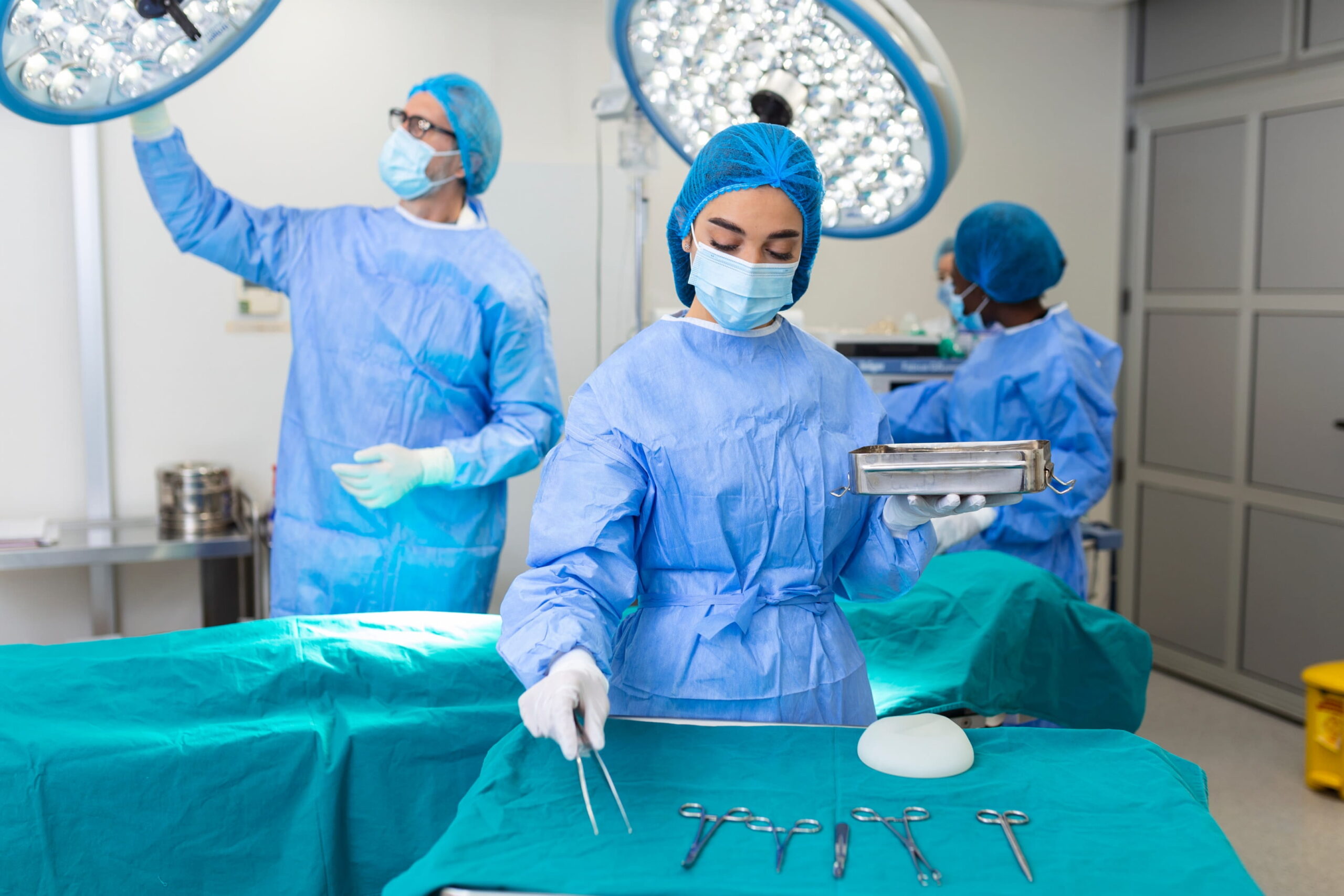
- Meniscal repair sews the torn cartilage back together. Meniscus repair has a high success rate of 85% to 90%. Meniscal tears that occur in the peripheral meniscal rim are more likely to heal after a meniscal repair due to better blood supply. Meniscal repair has a higher success rate when performed alongside anterior cruciate ligament (ACL) reconstruction.
- Arthroscopic Partial Meniscectomy removes only the damaged part of the meniscus.
- Meniscus Transplantation involves replacing healthy tissue from a donor in rare cases.
Long-Term Care and Rehabilitation
Recovery time depends on the surgical treatment used. Patients who undergo meniscal repair typically require a more extended rehabilitation period compared to those who have a partial meniscectomy, as the complications from meniscus surgery can include infection or neurologic injuries, although these are relatively rare.
Modern sports medicine research from 2025 suggests that early gentle exercises improve the success rate of arthroscopic meniscectomy by 25%. Physical therapy is often recommended post-surgery to restore knee function and strength.
Strength in the knees starts with the health of your meniscus!
SRM Global Hospitals ensures every patient receives a plan for their specific types of meniscus tears with our expert physical therapy and surgical treatments at SRM Global Hospitals.
FAQs on Meniscus Tear
1. My knee twisted during a football match, and now it feels stuck. What happened?
Traumatic meniscus tears are most common in active people aged 10–45 due to sudden pivoting. Your symptoms suggest a possible lateral meniscus tear or damage to the medial collateral ligament, which requires an urgent check-up.
2. I am 50 years old, and my knee started hurting without any injury. Is this normal?
Degenerative meniscal tears are most common in people over the age of 40 due to natural wear. Even without a fall, radial tears can develop in the posterior horn or anterior horn as the cartilage thins with age.
3. Will I definitely need knee surgery to fix a torn meniscus?
Not always, as we treat many meniscus tears through conservative paths like physical therapy; however, severe tears that cause the joint to lock may require arthroscopic surgery or, in complex cases, a meniscal transplantation.
4. Are there any simple exercises I can do at home to help my legs get away from meniscus tear pain?
A straight leg raise could help you by lying flat to lift the affected leg while bending the knee slowly. It helps manage risk factors like muscle weakness and provides better support to the joint during recovery.
5. If my cartilage is completely worn out, is a total knee replacement the only choice?
We only suggest a total knee replacement or partial knee replacement if the joint has severe arthritis. For younger patients with a missing meniscus, meniscal transplantation is a better option before considering major knee surgery.
