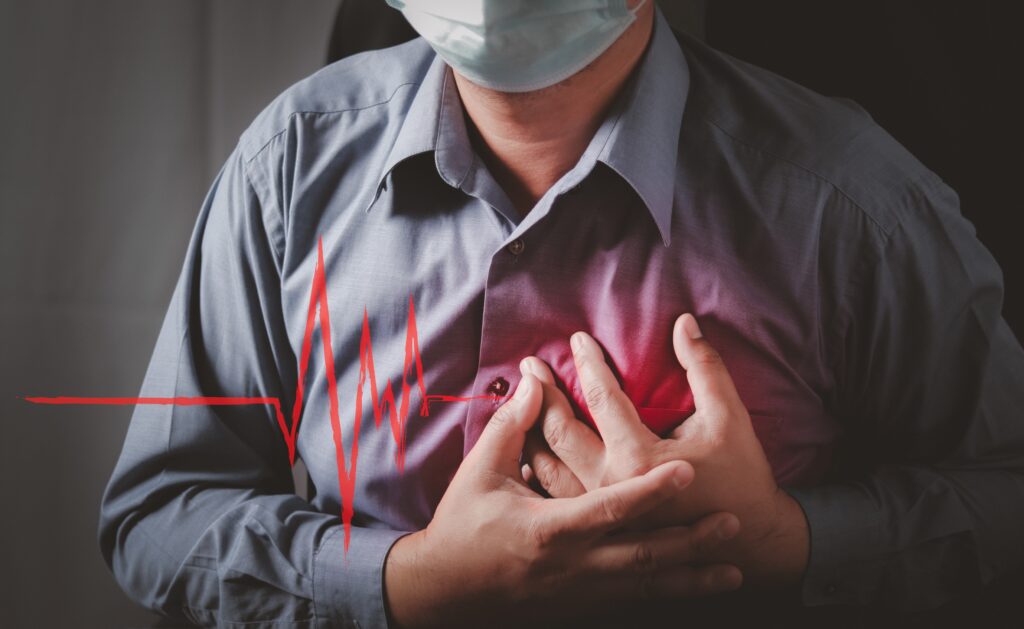

Right Side Chest Pain: What Your Symptoms Could Be Telling You?

Right-sided chest pain can feel alarming because chest discomfort is often associated with a heart attack. However, pain on the right side of the chest is less commonly linked to heart attack symptoms than left-sided chest pain. SRM Global Hospitals in Chennai provides advanced emergency care and accurate diagnosis for patients experiencing chest pain and related symptoms. In most cases, the cause involves the lungs, chest wall, digestive organs, muscles, or nerves rather than the heart. Serious conditions such as pulmonary embolism, collapsed lung, or severe infection can also cause right-sided chest pain and require immediate medical attention.

What is Right-sided Chest Pain?

Right-sided chest pain refers to discomfort felt anywhere along the right half of the chest cavity, from the collarbone down to the lower ribs, which specialists at SRM Global Hospitals evaluate carefully to determine its underlying cause. The pain remains localised or spreads to the:

  • Upper abdomen

  • Right shoulder

  • Upper back

  • Right arm

The nature of chest pain varies depending on the cause and could feel like:

  • Sharp and stabbing

  • Dull and aching

  • Burning (often related to acid reflux)

  • Tight or pressure-like

  • Worsening with deep breathing or movement

The associated symptoms of right-sided chest pain are:

  • Fever

  • Cough

  • Shortness of breath

  • Rapid heartbeat

  • Dizziness

  • Nausea

Common Causes of Right-Side Chest Pain
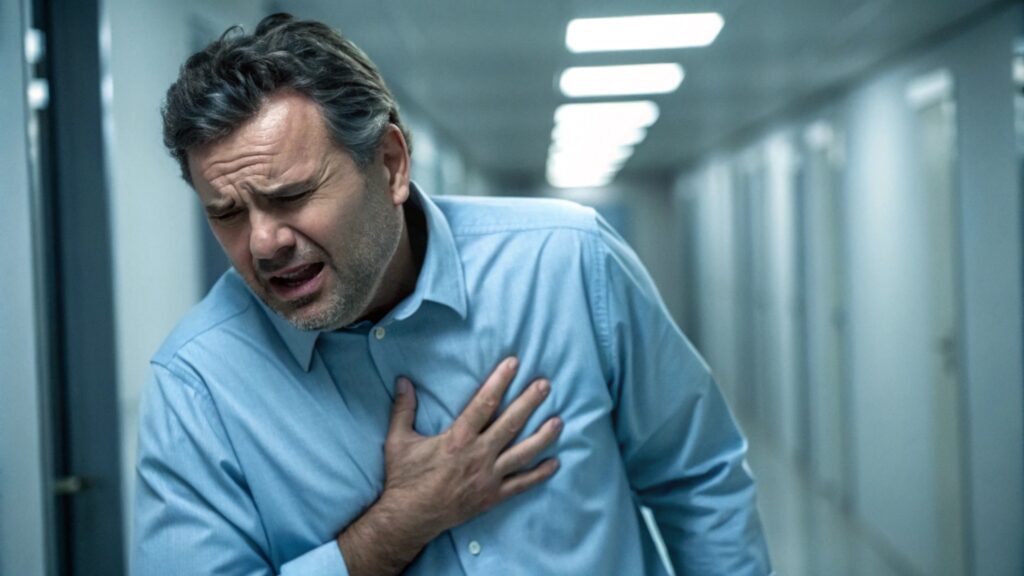
Right-sided chest pain can originate from multiple body systems, such as those evaluated by cardiologists, pulmonologists, gastroenterologists, orthopaedic specialists, and emergency physicians at SRM Global Hospitals.

Musculoskeletal Causes

Musculoskeletal problems are among the most common causes of right-sided chest pain.
Muscle Strain
Overuse of chest wall muscles from heavy lifting, intense upper body exercise, repeated coughing, or sudden twisting movements can cause sharp, localised pain, which orthopaedic specialists at SRM Global Hospitals evaluate through clinical examination and imaging when necessary. The discomfort typically worsens with movement, pressure, or deep breathing.
Rib Injury or Fracture
Falls, sports injuries, or blunt trauma lead to broken ribs or rib fractures, which emergency physicians and radiologists assess using diagnostic imaging at SRM Global Hospitals. Pain increases with coughing, laughing, or breathing deeply.
Costochondritis
Inflammation of the rib cartilage causes localised tenderness along the chest wall, and pressing on the area often reproduces the pain.

Lung Conditions

As the lungs occupy a large part of the chest cavity, lung disorders frequently cause right-sided chest pain.
Pneumonia
An infection of one or both lungs can cause sharp chest pain that worsens with coughing or deep breathing. Symptoms often include fever, fatigue, cough, and shortness of breath.
Pleurisy
Inflammation of the lining around the lungs causes sharp pain that intensifies during breathing.
Pulmonary Hypertension
Pulmonary hypertension refers to high blood pressure in the heart-lung system, which can cause widespread chest pain.
Pulmonary Embolism
A blood clot travelling to the lungs can cause sudden, severe chest pain, difficulty breathing, rapid heartbeat, dizziness, and cold sweats, which emergency physicians and cardiologists treat as a life-threatening emergency at SRM Global Hospitals.
Collapsed Lung (Pneumothorax)
A sudden collapse of the lung leads to severe chest pain and shortness of breath. Emergency treatment is necessary.
Chronic Obstructive Pulmonary Disease (COPD)
Long-term airflow limitation causes persistent right-sided chest discomfort and breathlessness, in which smoking significantly increases the risk.
Lung Cancer
Lung cancer chest pain worsens with coughing, laughing, or deep breathing, and persistent cough and unexplained weight loss are warning signs.

Digestive Causes

Disorders affecting the upper abdomen can cause pain that radiates to the right side of the chest, such as:
Acid Reflux and GERD
Acid reflux occurs when stomach acid flows back into the oesophagus, causing a burning sensation in the chest. Gastroesophageal reflux disease (GERD) is its chronic form, in which symptoms often worsen after meals or when lying down.
Gallbladder Inflammation (Cholecystitis)
Gallstones blocking bile flow can cause pain in the upper right abdomen that spreads to the right chest or back.

Cardiac Causes

Cardiac Causes

Although right-sided chest pain is less frequently linked to a heart attack than left-sided chest pain, cardiac causes must never be ignored and are carefully evaluated by cardiologists at SRM Global Hospitals, such as:

  • Chest tightness or pressure

  • Pain radiating to the arm, jaw, or back

  • Shortness of breath

  • Cold sweat

  • Nausea

  • Rapid heartbeat

Panic Attack

Extreme stress or panic attacks can cause chest tightness, rapid heartbeat, shortness of breath, and sharp pain. Because symptoms can mimic heart attack symptoms, medical evaluation is important before attributing pain to anxiety.

Shingles

Shingles, caused by the varicella zoster virus, produces burning or sharp pain along one side of the chest before a rash appears, in which the area of affected skin could be highly sensitive to touch.

Warning Signs of Right-sided Chest Pain

Seek emergency care immediately if right-sided chest pain occurs with:

  • Sudden severe pain

  • Difficulty breathing

  • Rapid heartbeat

  • Cold sweat

  • Dizziness or fainting

  • Pain spreading to the jaw, arm, or back

  • Coughing up blood

Conditions such as pulmonary embolism, collapsed lung, and heart attack, which could cause right-sided chest pain, are life-threatening and require immediate treatment.

Diagnosis of Right-sided Chest Pain

The diagnosis begins with a detailed medical history and physical examination, in which doctors evaluate pain location, intensity, duration, and associated symptoms, and radiologists at SRM Global Hospitals support evaluation through:

  • Electrocardiogram (ECG) to assess heart rhythm

  • Chest X-ray to detect pneumonia, rib fractures, or collapsed lung

  • Blood tests to identify infection or blood clots

  • CT scan for suspected pulmonary embolism

  • Ultrasound to assess gallbladder inflammation

Treatment for Right Side Chest Pain

Treatment for Right Side Chest Pain

Treatment of right-sided chest pain depends entirely on the underlying cause, which includes management plans designed by multidisciplinary specialists at SRM Global Hospitals, including:

  • Muscle strain: Rest, pain relievers, and avoiding strenuous upper body activity

  • Acid reflux / GERD: Dietary changes and acid-reducing medications

  • Pneumonia: Antibiotics and supportive care

  • Pulmonary embolism: Blood thinners and hospital-based emergency treatment

  • Gallbladder inflammation: Surgical management when necessary

  • COPD: Inhalers, pulmonary rehabilitation, and smoking cessation

  • Lung cancer: Treatment based on stage and pulmonologist evaluation

Get Advanced Chest Pain Care with the Experts- Book an Appointment

SRM Global Hospitals provides comprehensive evaluation and advanced treatment for right-sided chest pain through coordinated care from cardiologists, pulmonologists, gastroenterologists, orthopaedic specialists, emergency physicians, and radiologists.

  • Dedicated specialist-led assessment personalised to the underlying cause of chest pain

  • Comprehensive clinical evaluation supported by advanced imaging and laboratory diagnostics

  • Evidence-based treatment protocols for cardiac, pulmonary, digestive, and musculoskeletal conditions

  • 24/7 emergency services equipped to manage life-threatening chest pain conditions

  • Integrated multidisciplinary care to ensure accurate diagnosis and safe recovery

  • Modern infrastructure and an advanced medical approach for effective care

FAQs on Right-sided Chest Pain

1. Is My Chest Pain on the Right Side After Intense Upper-body Activity, Just Muscle Pain or Something Serious?

Muscle strain is one of the most common causes of pain on either side of the chest. Overuse of chest muscles, heavy lifting, or chest trauma can cause musculoskeletal issues. If the pain increases with movement or pressure, it is usually muscle-related, but seek medical evaluation if it persists.

2. Can Pneumonia, Dry Throat, and Cough Difficulty Cause Right-sided Chest Pain?

Yes. Pneumonia is an infection of one or both lungs that can cause chest pain, which worsens during deep breathing or coughing. Throat dry cough, difficulty and other symptoms like fever or shortness of breath require medical evaluation for appropriate treatment.

3. When Should I Seek Emergency Medical Care for Right-sided Chest Pain?

Seek emergency medical care if you experience chest pain accompanied by shortness of breath, sweating, dizziness, nausea, or intense pain spreading to your arm or back. These chest pain symptoms indicate a heart attack or pulmonary embolism and need immediate attention.

4. What Can I Do to Prevent Most Chest Discomfort on the Right Side?

Regular exercise, avoiding smoking, and managing high blood pressure can reduce risk. Practising deep breathing exercises, maintaining a balanced diet, and avoiding intense strain on chest muscles help prevent musculoskeletal pain. Always consult a specialist if additional symptoms appear.

5. I Had a Direct Blow to My Chest. Can Chest Trauma or a Broken Rib Cause Right-sided Chest Pain?

Yes. Chest trauma, blunt trauma, or a tear in the pectoralis muscle can cause intense pain on the right side. Rib injuries and costochondritis are common musculoskeletal causes, and a doctor should examine you if the pain is severe or persistent.

6. Can Lifestyle Changes Really Help Prevent or Reduce Right-sided Chest Pain?

Yes. Maintaining a balanced diet, regular exercise, avoiding smoking, and managing high blood pressure can reduce risk. Deep breathing exercises, stress control, and avoiding asthma triggers also support the heart-to-lung system and prevent lung-related chest pain.

7. If My Right-sided Chest Pain Does Not Go Away, What Should I Do?

If chest pain persists for more than a few days, consult a specialist for proper diagnosis and appropriate treatment. While rest and pain relievers help muscle strain, conditions like pulmonary embolism, COPD, or cardiac problems require emergency medical care.

8. Can a Pulmonary Embolism Cause Right-sided Chest Pain, and Is It Dangerous?

Yes. A pulmonary embolism happens when a blood clot travels from a vein in the leg to the lungs, causing sudden chest pain and breathing difficulty. It is a serious condition that requires immediate emergency medical care.

Leave a Reply

Your email address will not be published. Required fields are marked *