

Recovery After Stroke: The Steps Forward for Functional Independence
Stroke is a leading cause of long-term disability and one of the most serious neurological disorders worldwide, in which the recovery varies from person to person. Understanding the recovery provided by experts of SRM Global Hospitals in Chennai helps patients and caregivers to anticipate and prepare for each stage of rehabilitation.
What Happens During a Stroke?
When blood flow to a specific area of the brain stops, affected brain cells begin to die. The neurologically damaged region can no longer control the functions it once managed, due to deprivation of oxygen. Depending on the location and severity of injury, stroke patients experience:
- Weakness or paralysis
- Difficulty speaking or understanding language
- Loss of balance and coordination
- Memory and cognitive symptoms
- Swallowing difficulties
- Sensory changes
Warning Signs of a Stroke
Recognising stroke symptoms early can save brain cells and reduce long-term disability. Seek immediate emergency care from trained emergency physicians, neurologists, and critical care teams at SRM Global Hospitals if you notice any of the following warning signs:
- Facial drooping, especially on one side
- Weakness or numbness in one arm or leg, typically on one side of the body
- Difficulty speaking or slurred speech
- Confusion or trouble understanding speech
- Sudden loss of balance or coordination
- Sudden severe headache with no known cause
- Blurred or loss of vision in one or both eyes
The Stages of Stroke Recovery
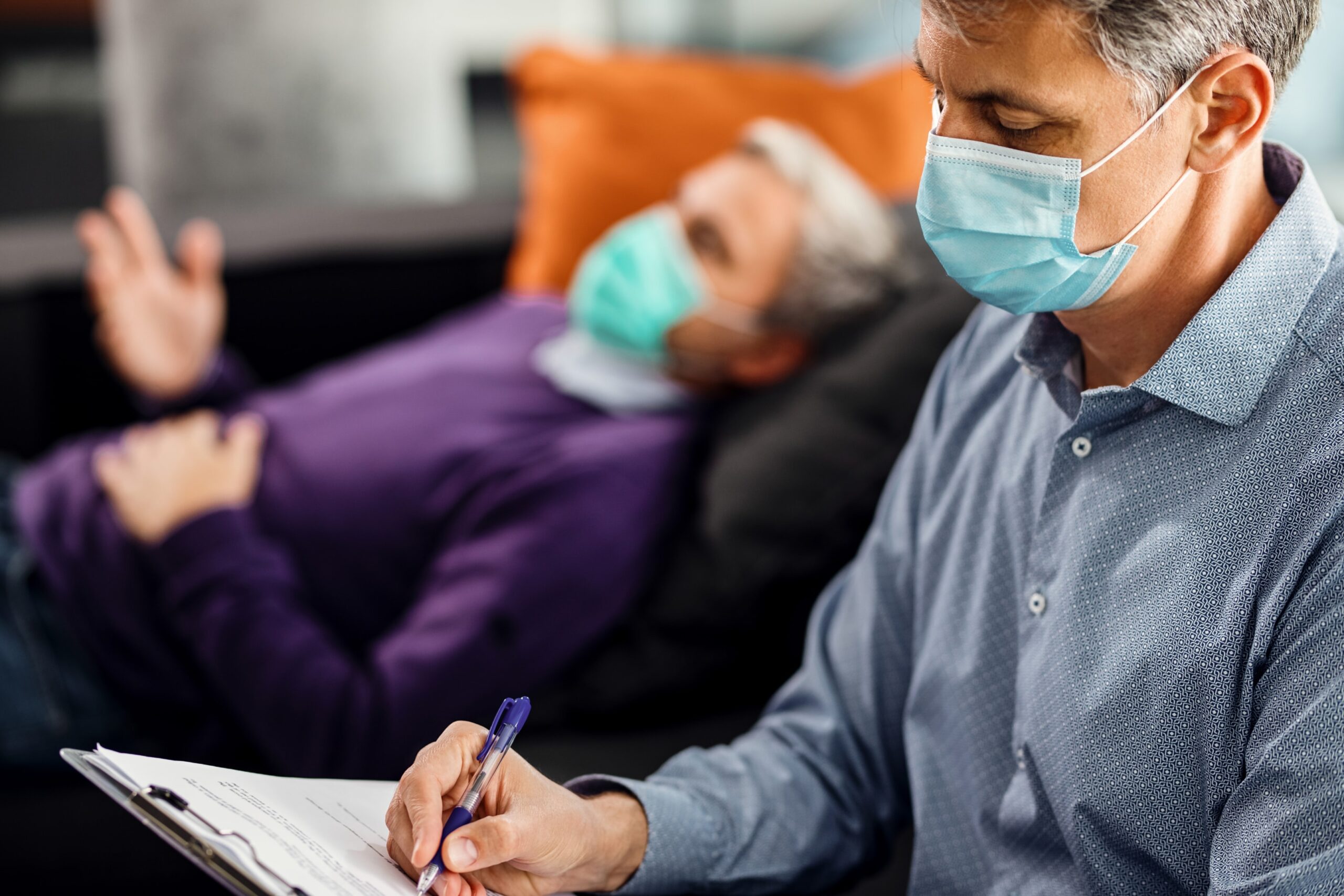
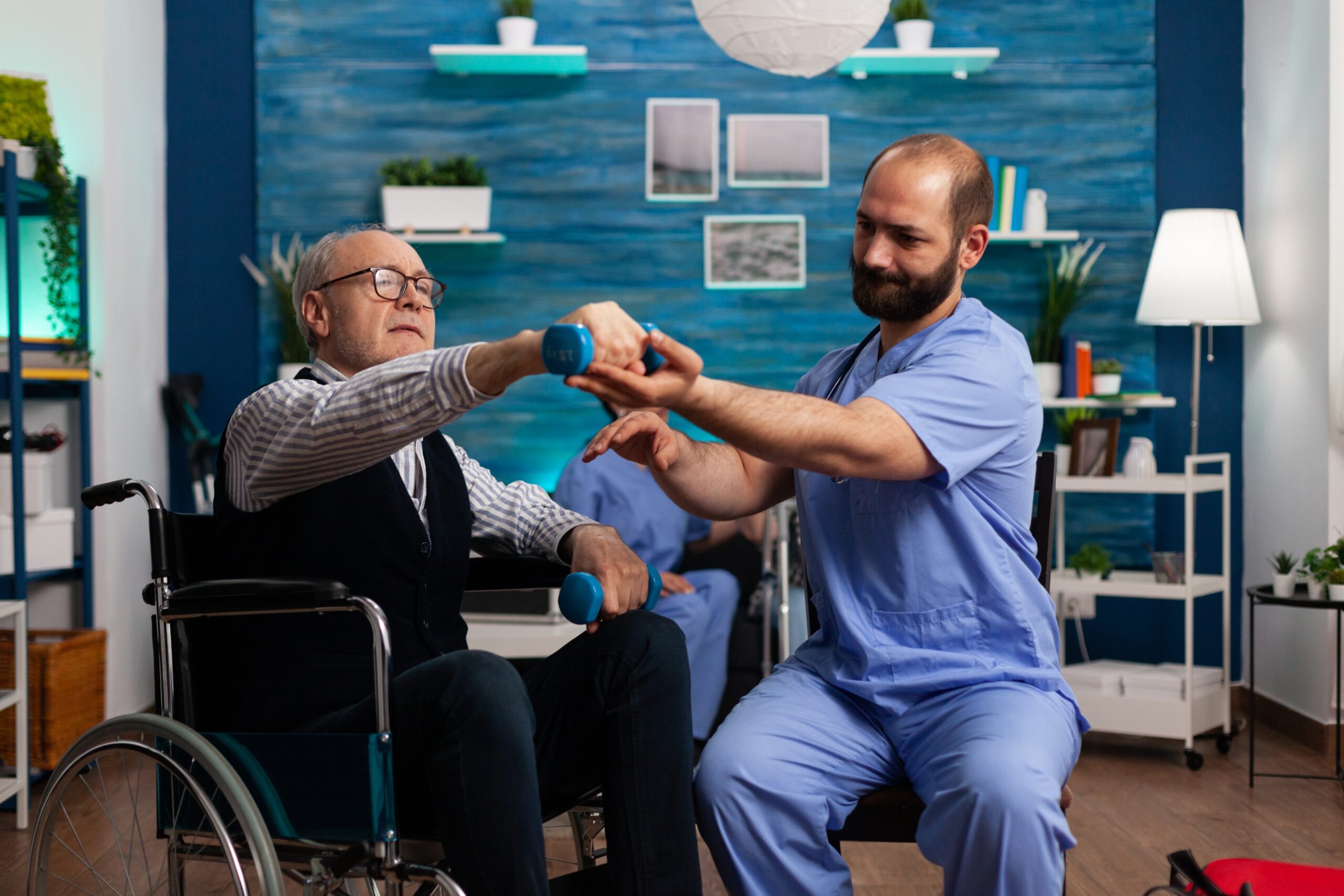
In stroke, the outcomes differ based on age, severity, and overall health. The neurologists and rehabilitation specialists at SRM Global Hospitals often describe progress using the stages of stroke recovery, which outline motor and functional milestones to coordinated voluntary movement. These stages provide patients and caregivers with a structured understanding of how improvement unfolds.
First Week
The rate of recovery is generally greatest in the first week. Spontaneous recovery occurs as swelling decreases and circulation stabilises. Patients often begin to regain basic movement during this period.
First Three Months
The first three months after a stroke are the most significant for recovery. This period produces the fastest measurable improvement.
Intensive and frequent therapy sessions during this phase strengthen neural connections. Daily, repetitive practice supports brain plasticity and motor relearning. The intensity and consistency of rehabilitation directly correlate with faster functional recovery.
Around Six Months
Most stroke patients reach a relatively steady state at the six-month mark. Gains continue, but at a slower pace. Focused rehabilitation remains important to prevent regression and maintain progress.
Twelve to Eighteen Months and Beyond
Performance can still improve 12 to 18 months after a stroke. The brain continues adapting when therapy remains structured and consistent. Coordinated effort among neurologists and rehabilitation teams at SRM Global Hospitals can facilitate further progress months and even years later.
Recovery could take weeks, months, or longer. About 10% of stroke patients achieve near-total recovery, while approximately 40% experience moderate to severe impairments requiring continued rehabilitation.
The Complications in Stroke That Need Rehabilitation
After a stroke, different muscle problems can develop depending on how the brain injury affects movement control.
- Some individuals appear completely limp (weak and loose) due to sudden muscle weakness. The affected arm or leg feels soft, heavy, and difficult to lift or control.
- In others, spasticity (muscle tightness and stiffness) develops gradually. The muscles become hard, tight, and difficult to bend. This stiffness can restrict movement and cause discomfort.
If not managed early, these complications can lead to:
- Joint stiffness
- Muscle shortening
- Reduced range of motion
- Difficulty performing daily activities
Early Rehabilitation: The First 24 to 48 Hours
Once the patient is medically stabilised after limiting nerve damage, rehabilitation after a stroke begins, often within 24 to 48 hours, under the supervision of rehabilitation specialists at SRM Global Hospitals. The sooner rehabilitation starts, the more likely patients are to regain lost abilities and skills.
During this early stage, a coordinated therapy team assesses:
- Physical symptoms and muscle tone
- Voluntary movement
- Swallowing safety
- Speech and cognitive symptoms
- Balance and sensory input
Core Therapies in Stroke Rehabilitation
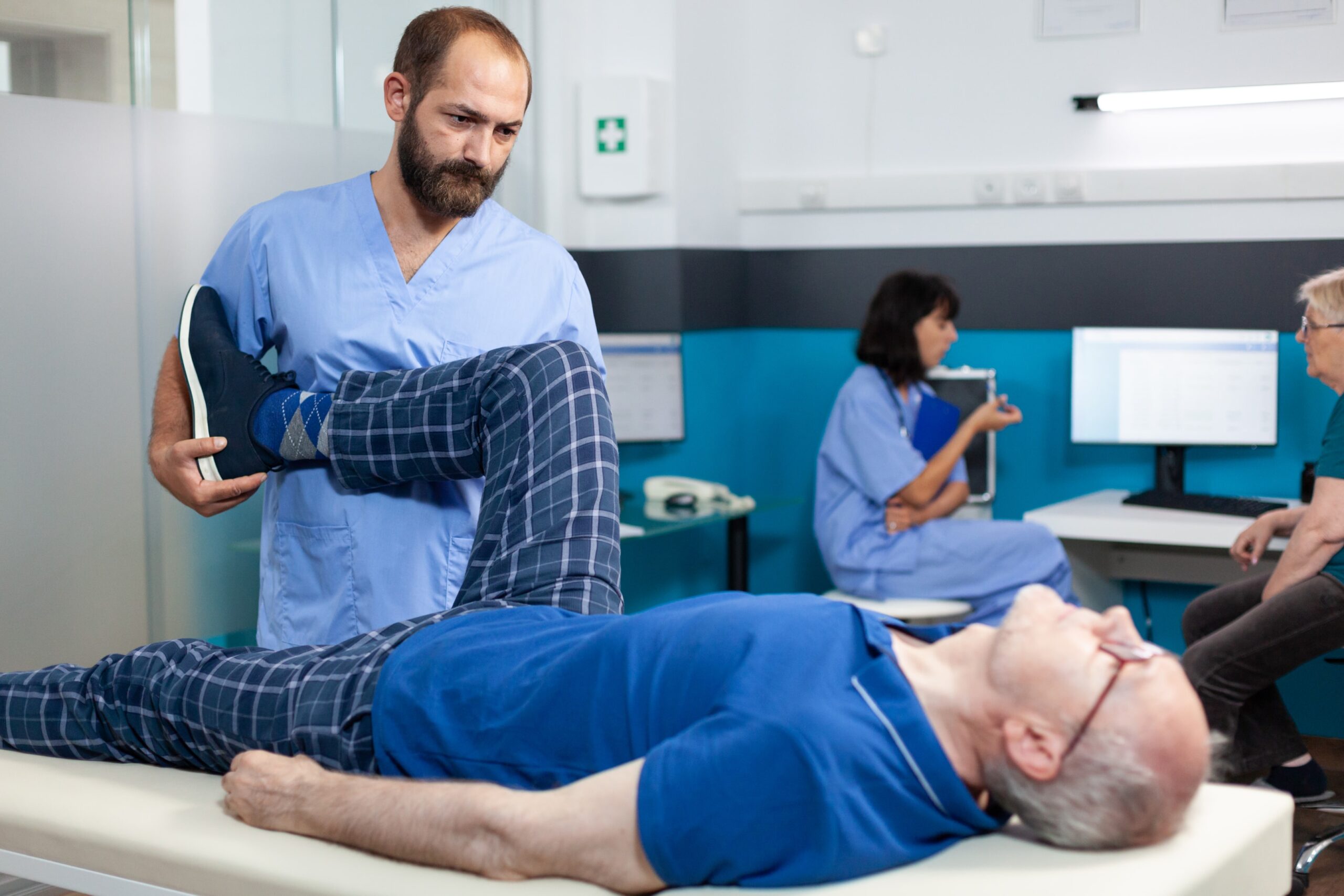
Effective stroke recovery depends on three key therapies: physical therapy, occupational therapy, and speech and language therapy, delivered through coordinated multidisciplinary care at SRM Global Hospitals.
Physical Therapy
Physical therapy at SRM Global Hospitals focuses on restoring mobility, strength, coordination, and balance, which includes:
- Strength training
- Balance exercises
- Gait retraining
- Stretching to manage muscle stiffness
Spasticity often decreases with guided therapy and resolves in some patients over time.
Advanced Methods in Physical Therapy
- Functional Electrical Stimulation, which applies low-energy electrical pulses to trigger muscle contractions and improve motor control
- Constraint-Induced Movement Therapy, which restricts the unaffected limb to retrain the weaker side
High repetition and consistent daily practice are essential to rebuild neural connections.
Occupational Therapy
Occupational therapy emphasises daily living skills to restore independence and self-reliance, which commonly focus on:
- Dressing and grooming
- Cooking and home management
- Writing and tool use
- Activities that enhance coordination and sensory processing
By retraining practical tasks under the guidance of occupational therapists at SRM Global Hospitals, patients are supported in their gradual return to normal life.
Speech and Language Therapy
Speech and language therapy at SRM Global Hospitals addresses communication and swallowing challenges, which include:
- Aphasia: Difficulty in speaking or understanding language
- Dysarthria: Slurred or unclear speech
- Dysphagia: Difficulty in swallowing food or liquids
Targeted speech and language therapy improves language processing, articulation (speaking words clearly and correctly), and swallowing safety. It also strengthens attention, memory, and reasoning, which are important for independent movements.
Technology-assisted Rehabilitation
Modern stroke rehabilitation integrates Technology-Assisted Training to enhance motor recovery, which includes:
- Robotics for repetitive movement retraining
- Virtual Reality environments that simulate real-world tasks and balance training
- Non-invasive brain stimulation techniques that activate specific brain regions
Virtual Reality engages patients in interactive settings to practice motor skills safely. Combined with traditional therapy and specialist supervision, these technologies increase intensity and engagement, improving long-term outcomes.
Emotional Health During Post-Stroke Recovery
Stroke recovery is not physical alone, as emotional challenges such as anxiety and depression can slow progress. Participating in a focused rehabilitation program improves both emotional well-being and functional outcomes.
- Rehabilitation psychologists help survivors build resilience and develop coping strategies.
- Counselling and support groups are significant for managing post-stroke depression and anxiety.
- Support from family and friends relieves fear and encourages consistent participation in therapy sessions under the guidance of mental health specialists at SRM Global Hospitals.
Schedule Your Consultation With Our Stroke Rehabilitation Experts
SRM Global Hospitals in Chennai combines clinical expertise, advanced neurodiagnostic support, and structured stroke rehabilitation programs to provide:
- Accurate neurological evaluation through detailed brain imaging and functional assessments.
- Personalised treatment plans depending upon the severity of stroke, recovery stage, and overall health condition.
- Integrated rehabilitation services include physical therapy, occupational therapy, speech and language therapy, and technology-assisted training.
- The multidisciplinary care teams, including experienced neurologists, rehabilitation physicians, physical therapists, occupational therapists and speech-language pathologists, will be offering the dedicated care throughout the recovery process.
FAQs on Recovery After Stroke
1. If I Had an Ischemic Stroke Caused by a Blood Clot, How Long Does Recovery From Stroke Usually Take?
Recovery from a stroke varies depending on the severity of the stroke and overall health. The rate of improvement is usually highest in the first weeks and months. However, long-term recovery can continue up to 12–18 months.
2. Is Full Recovery Possible After a Severe Stroke?
Full recovery depends on the severity of the stroke and how quickly treatment is started. Some stroke survivors achieve near full recovery, while others have lifelong disabilities. Early rehabilitation and consistent therapy improve long-term recovery outcomes.
3. Why is Starting Therapy Early Important in the Recovery Process?
Starting therapy within days after a stroke helps the brain relearn movement and improve cognitive function faster. The recovery process is most active in the first few months. Early and regular therapy sessions lead to better functional results.
4. Why Does Spasticity Appear After a Stroke, and Will It Go Away?
Spasticity appears when brain signals to muscles are affected after a stroke. With proper physical therapy and daily exercises, spasticity decreases, and in some patients, it gradually disappears.
5. Do I Really Need Speech Therapy if My Speech is Only Slightly Affected?
Yes. Speech therapy helps improve communication, swallowing, and problem-solving skills, even if symptoms are mild. Speech therapists use targeted exercises to rebuild language and articulation during recovery from stroke.
6. What Can I Do at Home to Support Long-term Recovery After a Stroke?
Spend time doing daily exercises, follow your rehabilitation plan, take medicines regularly, and maintain a healthy lifestyle. Consistent effort helps many stroke survivors prevent future strokes and improve overall recovery.
7. What Are the Key Components of the Stroke Rehabilitation Process?
The rehabilitation process includes physical therapy for movement, occupational therapy for daily tasks, and speech therapy for communication and swallowing.
