


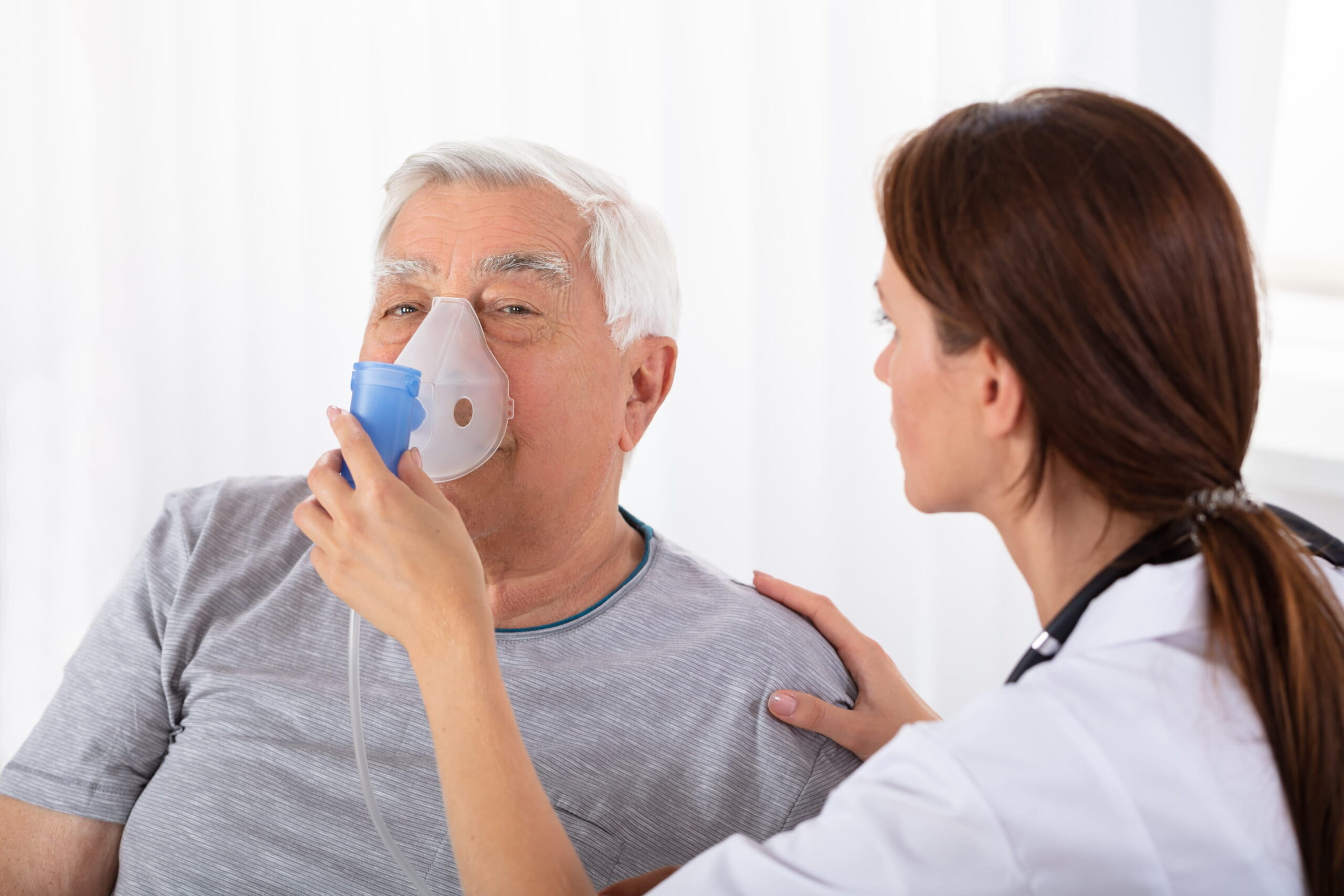
Pulmonary Rehabilitation for Effective Respiratory Health
SRM Global Hospitals in Chennai offers comprehensive pulmonary rehabilitation programs for patients with chronic lung conditions. Our specialists design rehabilitation programs to improve lung function, exercise tolerance, and overall quality of life. Our services support individuals with chronic obstructive pulmonary disease (COPD), interstitial lung disease, pulmonary hypertension, and other chronic respiratory diseases.
Our pulmonary rehabilitation program integrates advanced clinical expertise, state-of-the-art tools, and a multidisciplinary approach to help patients breathe easier, increase functional exercise capacity, and regain independence in daily activities.
What is Pulmonary Rehabilitation?
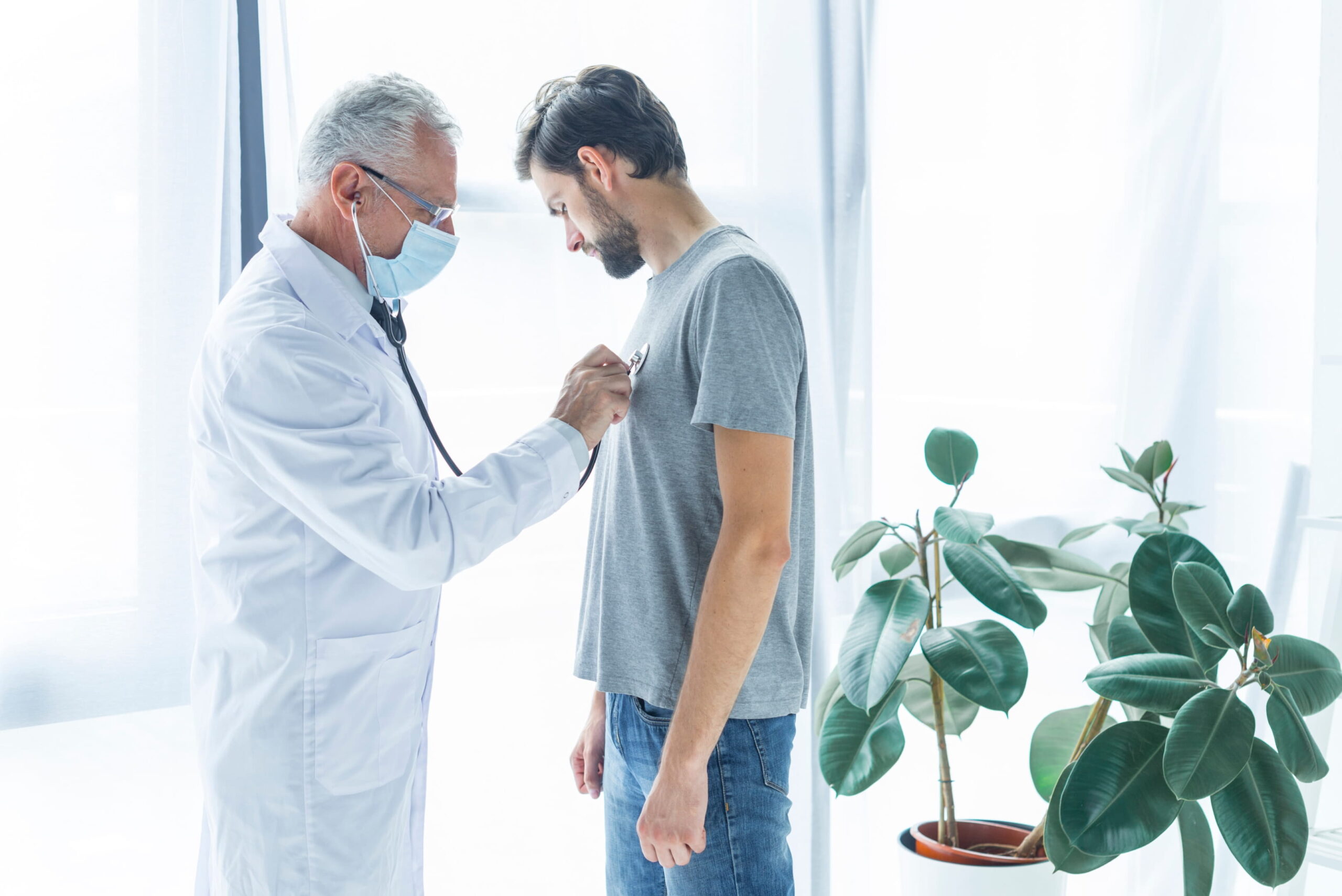
Pulmonary rehabilitation is a structured, evidence-based program intended for patients disabled by respiratory symptoms. It combines exercise training, breathing techniques, patient education, nutritional guidance, and psychological support to improve both physical and psychological health.
The rehabilitation program mainly addresses reduced exercise capacity, respiratory muscle weakness, physical deconditioning, and emotional challenges commonly associated with chronic respiratory disease.
Through a comprehensive and individualised approach, pulmonary rehabilitation enhances muscle strength, endurance, and functional performance while promoting long-term disease self-management.
Who Benefits from Pulmonary Rehabilitation?
Pulmonary rehabilitation is recommended for individuals with a wide range of chronic respiratory conditions who experience breathlessness, reduced physical activity, or declining functional independence.
Patients with chronic obstructive pulmonary disease (COPD) gain measurable improvements in exercise capacity, symptom control, and daily activity performance. Pulmonary rehabilitation also benefits individuals with:
- Interstitial lung disease
- Pulmonary hypertension
- Bronchiectasis and cystic fibrosis
- Chronic airflow limitation or restrictive lung disorders
Pulmonary rehabilitation is also essential for patients recovering from acute exacerbations and those preparing for or recovering from thoracic or lung-related surgical procedures.
Program Structure and Duration
The pulmonary rehabilitation program typically lasts 6 to 12 weeks, with supervised sessions conducted two to three times per week. Early initiation following hospital discharge for an acute exacerbation has been shown to improve survival rates and reduce hospital re-admissions significantly.
Each program follows a structured progression, allowing patients to gradually improve exercise tolerance, respiratory muscle strength, and confidence in performing daily activities.
Comprehensive Pulmonary Rehabilitation Services
Comprehensive Patient Assessment
Exercise-Based Pulmonary Rehabilitation
Breathing Techniques and Airway Clearance
Nutritional Counseling
Patient Education and Self-Management
Psychological Support
Multidisciplinary Pulmonary Rehabilitation Team
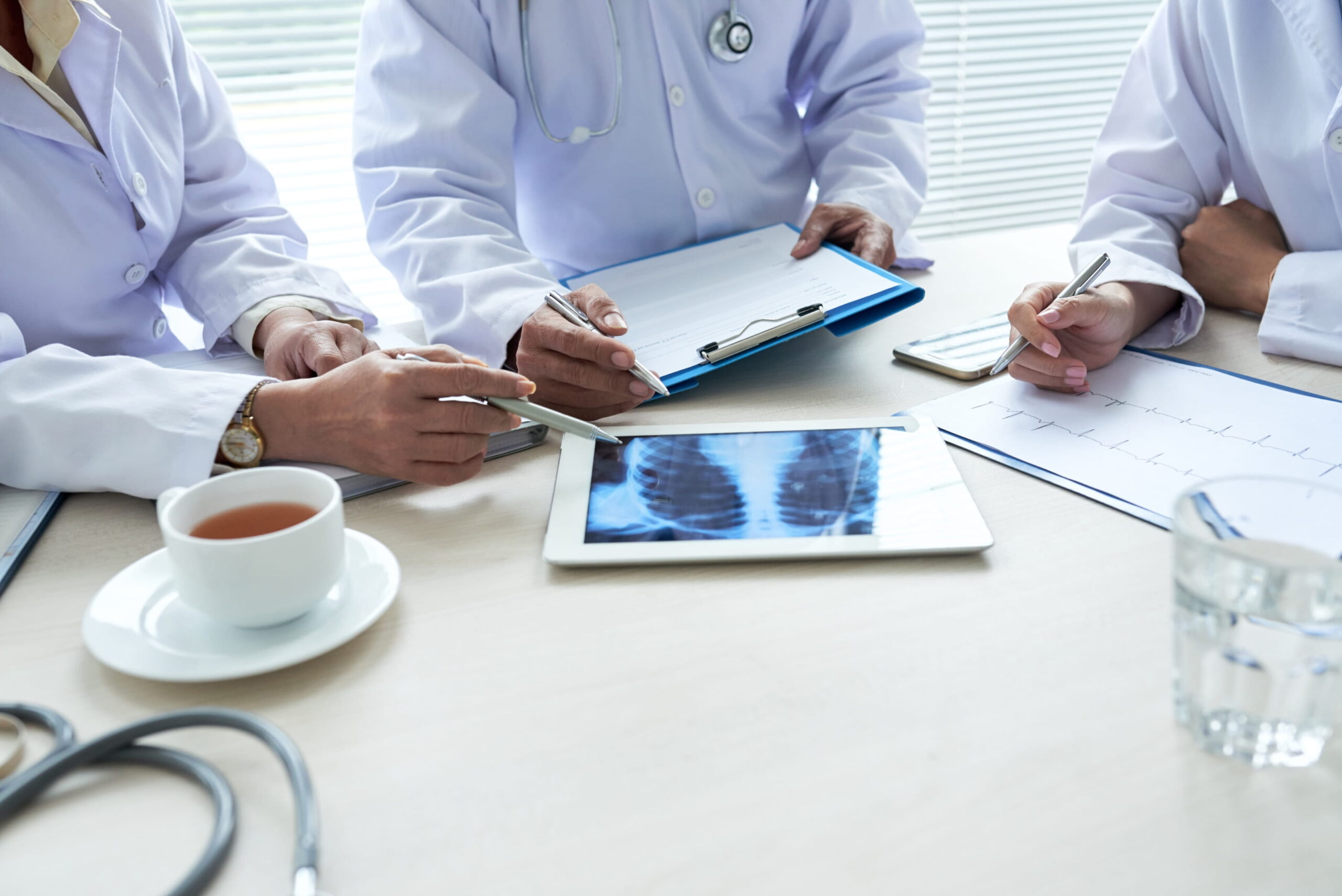
A specialised multidisciplinary team delivers SRM Global Hospitals’ pulmonary rehabilitation programs to ensure coordinated, comprehensive care:
- Physicians and Pulmonologists: Oversee medical management and assess comorbidities and disease severity.
- Respiratory Therapists: Teach essential breathing techniques and airway clearance strategies to manage respiratory symptoms.
- Exercise Physiotherapists: Lead supervised aerobic and resistance training to improve functional exercise capacity.
- Occupational Therapists: Focus on energy conservation strategies to optimise daily functional performance and promote independence.
- Dietitians: Provide individualised nutritional support to address weight loss, muscle weakness, and energy deficits.
- Psychologists: Deliver specialised psychological support to manage anxiety, depression, and emotional challenges related to chronic respiratory disease.
The team collaborates to design personalised rehabilitation therapies based on comprehensive pre-operative or post-exacerbation assessments, ensuring alignment with individual medical history, comorbidities, and rehabilitation goals.
Advanced Techniques and Tools
SRM Global Hospitals integrates advanced monitoring and diagnostic tools to enhance safety and maximise clinical effectiveness throughout the rehabilitation program.
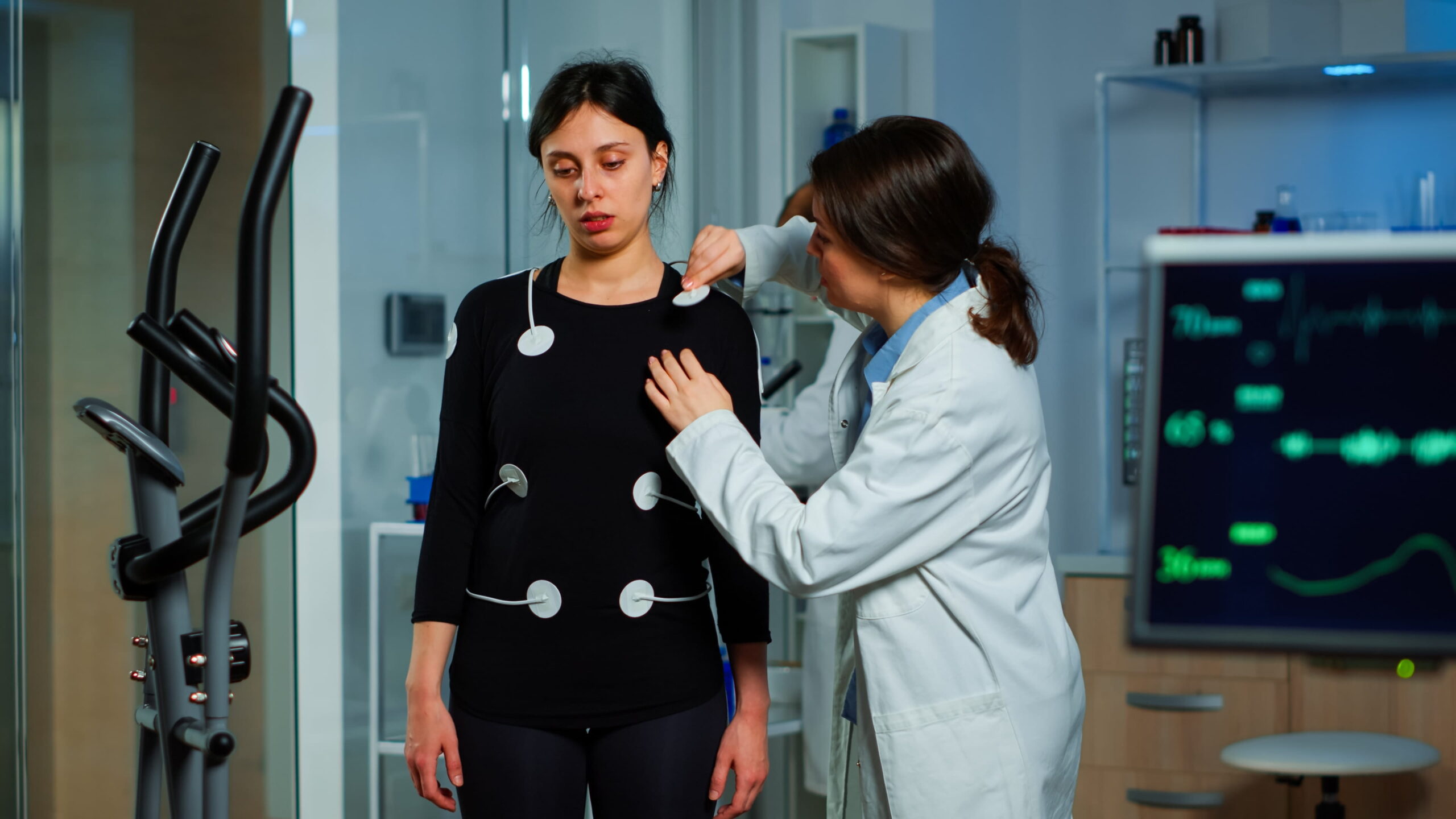
- Cardiopulmonary Exercise Testing: Evaluates functional exercise capacity and cardiovascular response to identify cardiopulmonary stress levels safely.
- Vital Sign Monitoring: Continuous monitoring of oxygen saturation, heart rate, and blood pressure during supervised exercise ensures patient safety, particularly for individuals with pulmonary hypertension or interstitial lung disease.
- COPD Assessment Test (CAT): Standardised scoring helps the rehabilitation team track symptom burden and adjust patient-personalised therapies.
- Tele-rehabilitation Models: Remote rehabilitation options reduce travel burden and provide outcomes comparable to traditional centre-based pulmonary rehabilitation.
- Wearable Technology: Remote monitoring tools support community pulmonary rehabilitation and improve long-term adherence for patients with competing time demands.
Benefits of Pulmonary Rehabilitation
Participation in a structured pulmonary rehabilitation program at SRM Global Hospitals can lead to measurable improvements in physical, emotional, and functional health:
- Enhanced Physical Function: Improved lung function, respiratory muscle strength, stamina, and walking capacity through endurance and interval training.
- Improved Symptom Management: Reduced breathlessness, fatigue, and chronic cough through breathing exercises and energy conservation strategies.
- Better Health Outcomes: Reduced hospital admissions and emergency visits related to acute exacerbations.
- Psychological Well-being: Reduced anxiety and depression, with improved confidence and emotional resilience.
- Surgical Readiness: Enhanced pre-operative fitness for lung cancer surgery and lung transplant candidates, supporting improved recovery and survival.
- Long-term Behaviour Change: Promotion of regular physical activity, smoking cessation, and medication adherence for sustained respiratory health.
Global Challenges in Lung Health
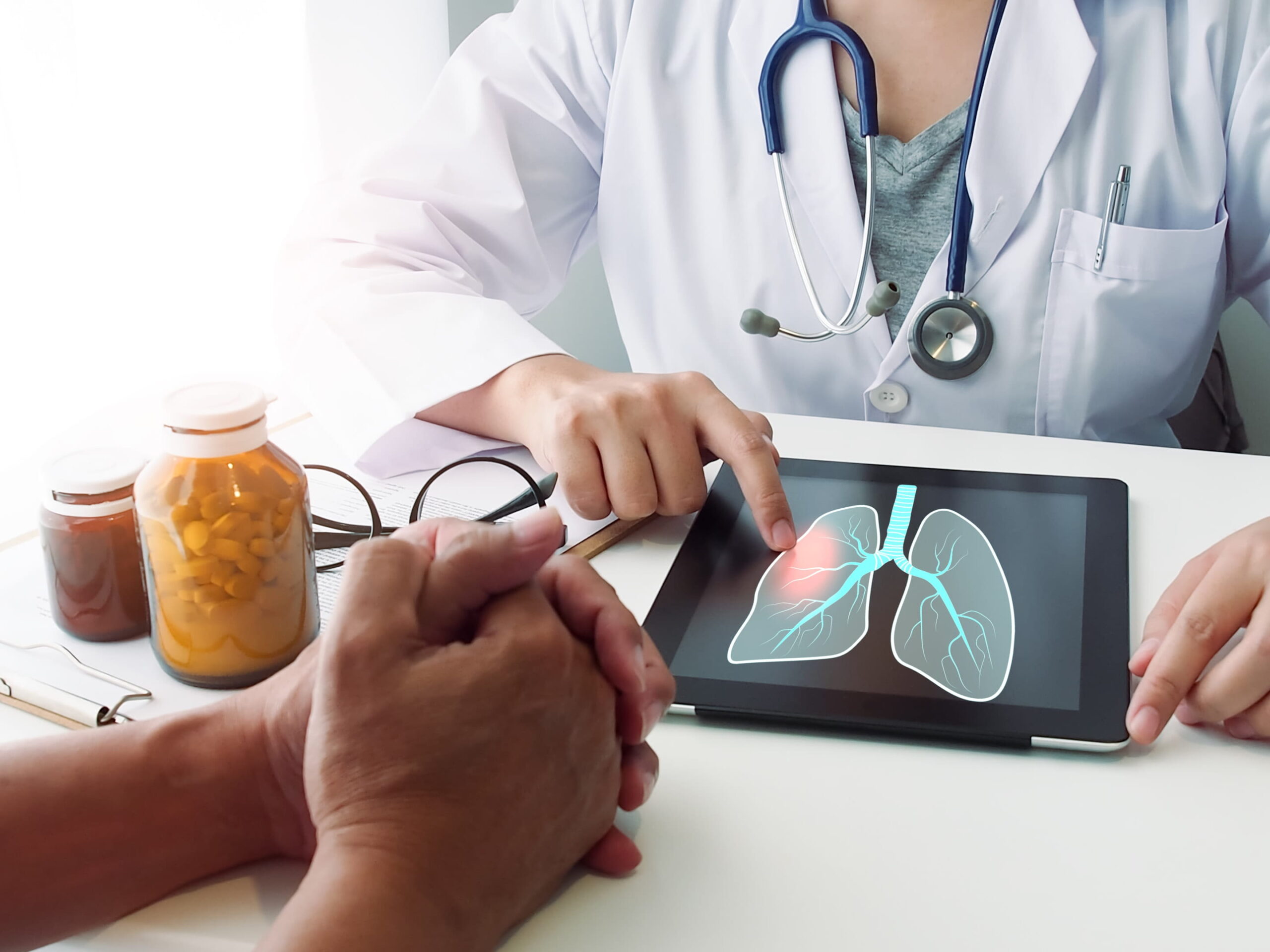
While pulmonary rehabilitation is recognised internationally as a core component of chronic respiratory disease management, it remains significantly underutilised worldwide. Less than 5% of eligible individuals participate in pulmonary rehabilitation programs due to low awareness among patients and healthcare providers, limited access, and geographical barriers.
SRM Global Hospitals actively works to bridge this gap through community pulmonary rehabilitation initiatives, tele-rehabilitation models, and comprehensive interventions aligned with international standards of lung health excellence.
