Power Your Comeback Through Sports Rehabilitation

SRM Global Hospitals is a superspeciality institution in Chennai, Tamil Nadu, equipped with world-class facilities and dedicated to athletes and active individuals. The hospital specialises in advanced sports rehabilitation, providing expert medical support to ensure every sportsperson receives comprehensive care.

What is Sports Rehabilitation?

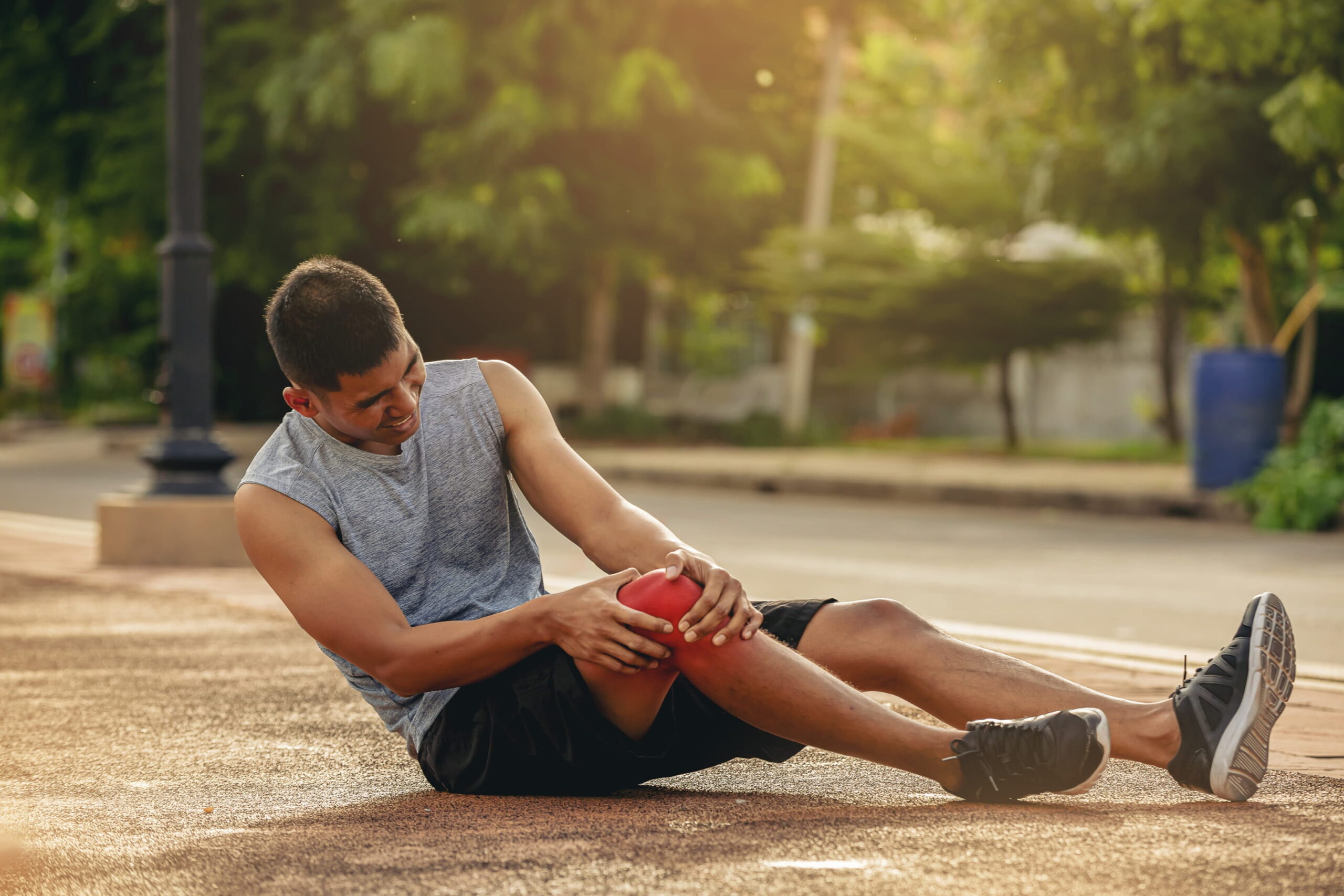
Sports rehabilitation is a specialised, multidisciplinary branch of healthcare designed to help athletes recover from injuries, reduce pain, and regain peak performance. It primarily focuses on musculoskeletal injuries, which can have immediate and significant effects on physical function. These injuries threaten professional careers and impact long-term quality of life. Whether an injury results from competitive athletics or recreational physical activity, a structured recovery plan is essential for effective healing and performance restoration.

Core Sports Injuries We Treat

SRM Global Hospitals treats a wide range of common injuries that occur as macro-traumatic injuries result from sudden impacts and micro-traumatic injuries develop due to repetitive training loads, such as:

  • Ligament injuries and tendon ruptures: Complex ACL tears, PCL injuries, and Achilles tendon damage.
  • Sprains and strains: Sprains occur when ligaments connecting bones stretch or tear, while strains involve damage to muscle tissue.
  • Concussions: Serious brain injuries resulting from a blow or jolt to the head require careful neurological monitoring.
  • Overuse injuries: Conditions like stress fractures and tendinitis develop when repetitive pressure exceeds the body’s healing capacity.

Our Multidisciplinary Rehabilitation Team
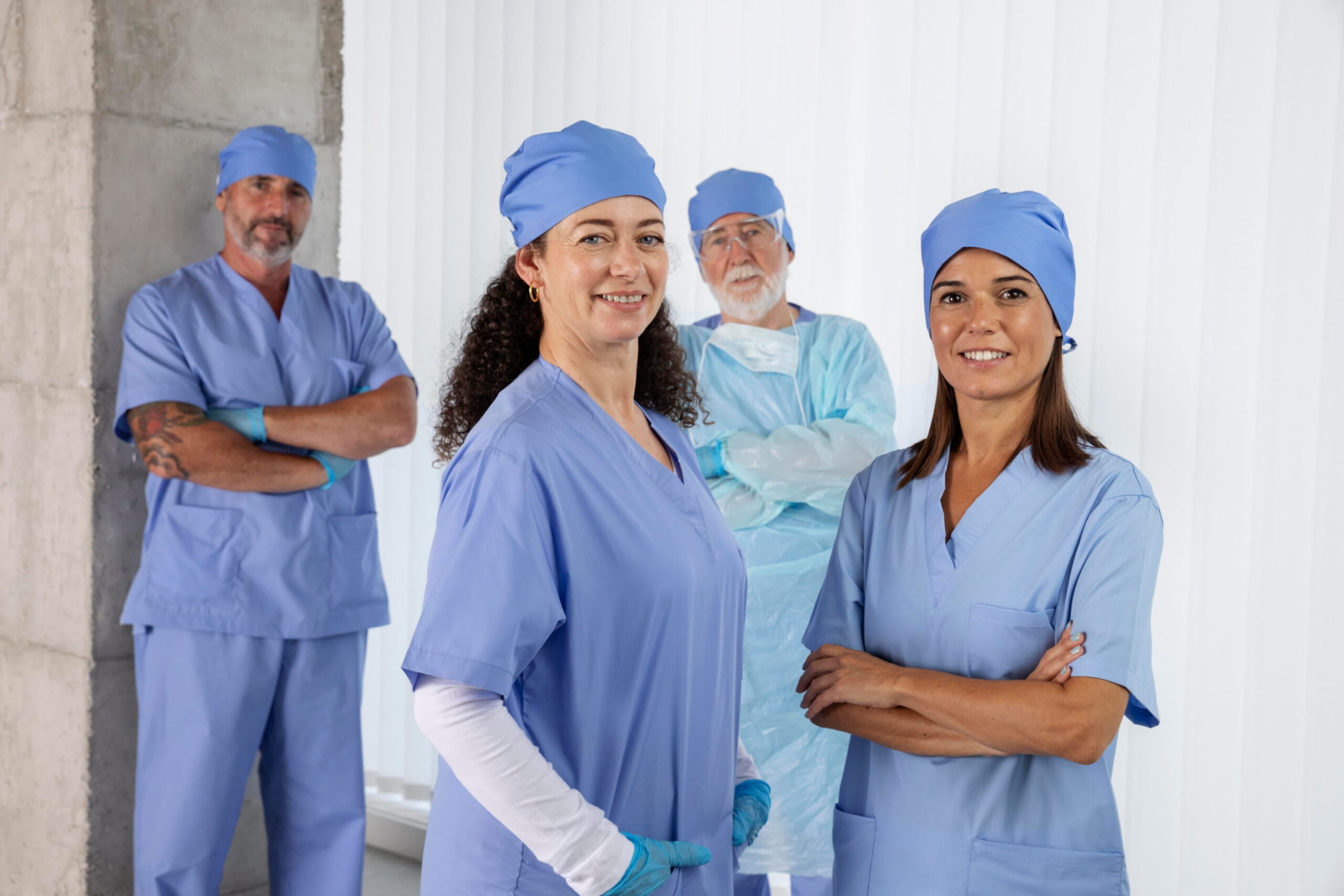
A collaborative, multidisciplinary team manages recovery at SRM Global Hospitals. A physician serves as the leader and coordinator of care, ensuring that every aspect of the treatment plan aligns with clinical reasoning.

  • Sports medicine physicians: Diagnose conditions and oversee the rehabilitation process.
  • Orthopaedic surgery specialists: Internationally trained surgeons perform minimally invasive arthroscopic procedures for ligament reconstruction and joint preservation.
  • Physiotherapists and athletic trainers: Guide physical recovery with manual therapy and functional training.
  • Sports psychologists: Address the emotional shock and denial that often follow severe injuries.
  • Nutritionists and coaches: Ensure aerobic capacity and overall physical health support recovery goals.

The Phases of the Rehabilitation Process

Rehabilitation at SRM Global Hospitals is personalised according to the degree of injury and the specific needs of the athlete. The hospital follows a multi-phased approach to ensure a safe return to sport:

Stage 1: Pain and Inflammation Management

The acute phase focuses on managing pain and immediate tissue damage. Physicians use medications and therapeutic methods to reduce pain, decrease inflammation, and stabilise the injured area. Early protective care, proper positioning, and patient education support tissue healing and prevent further injury.

Stage 2: Restoring Motion and Flexibility

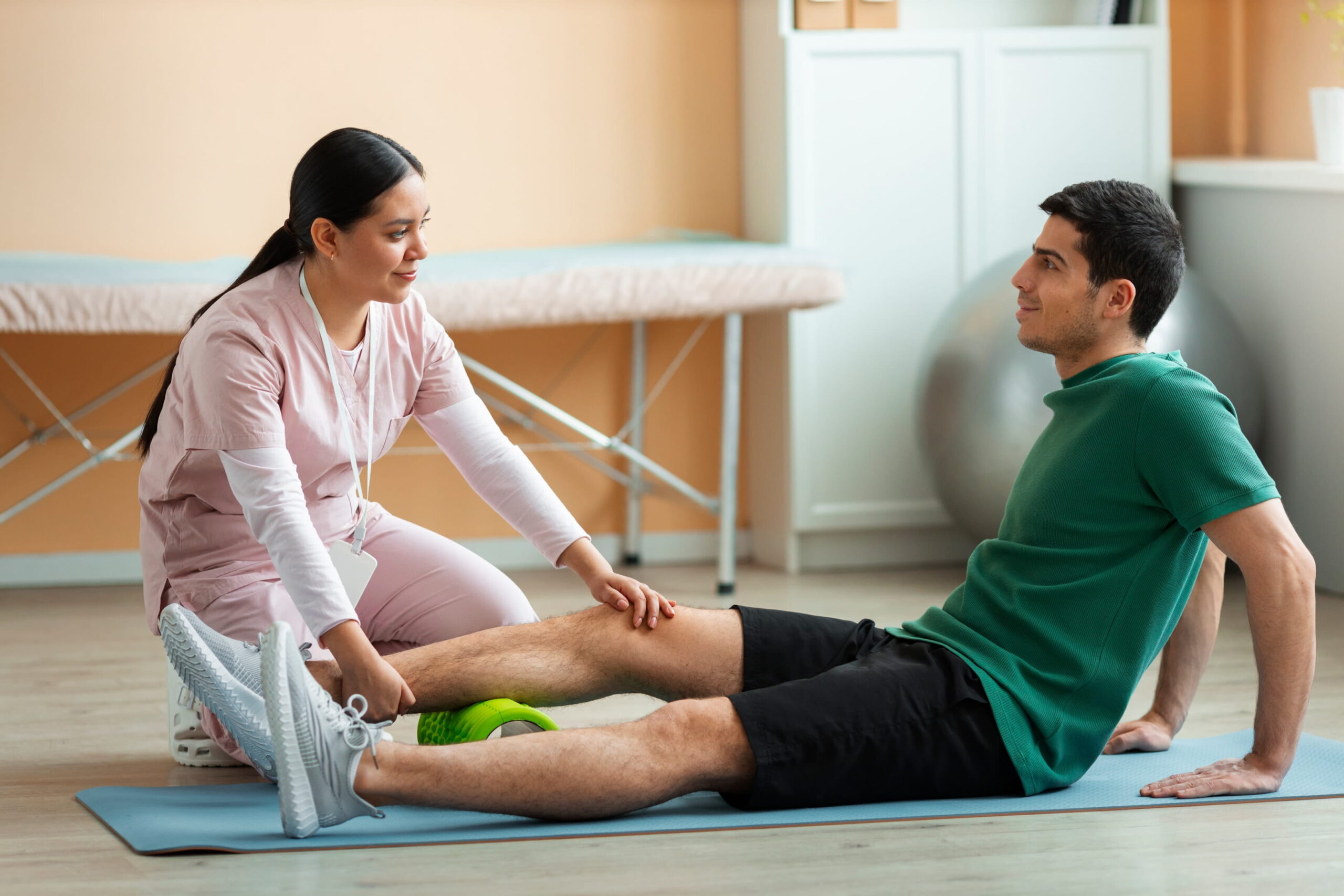
Mobility exercises are introduced to restore the natural range of motion. Physiotherapists use hands-on techniques, such as joint mobilisation and soft tissue manipulation, to improve flexibility and reduce stiffness.

Stage 3: Strengthening and Neuromuscular Control

As tissue healing progresses, the focus shifts to restoring strength. Neuromuscular training enhances coordination and proprioception, while techniques like isometric exercise allow for muscle activation without aggravating injured tissue.

Stage 4: Regaining Balance and Functional Training

Functional training involves sport-specific movements to prepare the body for the unique demands of each sport to ensure the musculoskeletal system can handle high-impact activity safely.

Stage 5: Psychological Readiness and Peak Performance

Injury affects both body and mind. Athletes must be psychologically prepared to return to competition. Proper goal setting, with measurable short-term objectives, supports long-term recovery. Continuous monitoring ensures athletes regain confidence and readiness for competitive sports.

Advanced Rehabilitation Tools and Technologies

SRM Global Hospitals integrates cutting-edge technology to optimise rehabilitation outcomes:

  • Minimally invasive arthroscopy: High-precision surgical procedures for ACL repair and meniscus transplantation minimise scarring and recovery time.
  • Isokinetic dynamometry: Tools that measure muscle strength and endurance provide data-driven insights into an athlete’s progress.
  • Athletic training facilities: An indoor running track and fitness centre allow sports-specific conditioning within the hospital campus.
  • Wearable device monitoring: Track training loads and help prevent re-injury.

Potential Benefits of Structured Rehabilitation

Engaging in an expert rehabilitation program offers several advantages:

  • Restoration of function: Recover pre-injury levels of strength and flexibility.
  • Prevention of further injury: Strengthen the affected area to resist future trauma.
  • Career longevity: Professional management ensures injuries do not result in permanent disability or career-ending complications.

Why Choose SRM Global Hospitals for Sports Rehabilitation?

As a leading superspeciality hospital in Chennai, SRM Global Hospitals provides an integrated platform for athletic recovery. The facility combines the expertise of globally trained orthopaedic surgeons with modern physical medicine practices.

  • Evidence-based protocols: Every treatment plan follows international standards of medical care.
  • Comprehensive services: From initial diagnosis to post-operative rehabilitation, all services are provided under one roof.
  • Patient-centric focus: Programs are individualised according to the athlete’s clinical condition and the specific demands of their sport.

FAQs on Sports Rehabilitation

1. How Does Advanced Sports Rehabilitation Help Athletes Recover From Ligament Injuries?

Advanced sports rehabilitation at SRM Global Hospitals addresses ligament injuries through a structured rehabilitation process, focusing on restoring joint stability, improving neuromuscular control, and gradually reintroducing sports-specific training. Early intervention ensures faster healing and reduces the risk of future injuries.

2. What is the Recommended Pain Management Strategy After a Shoulder Injury or Post-operative Surgery?

Pain management combines medical therapies, guided physiotherapy, and manual therapy techniques to decrease pain, maintain range of motion, and enhance functional recovery. Proper pain relief enables a smoother transition through the rehab process while supporting early mobilisation.

3. How is the Initial Stage of Sports Injury Rehabilitation Structured for Injured Athletes?

The initial stage prioritises protecting the injured tissue, controlling inflammation, and minimising pain. Acute injuries such as sprained ankles or ACL tears receive targeted interventions to stabilise the joint, allowing the healing process to progress without compromising future sports activity.

4. When Can a Sports Person Safely Return to Sport After an Injury?

Return to sport occurs after regaining normal function, strength, and balance specific to the athlete’s sport. SRM’s sports physicians follow sport-specific rehabilitation protocols, ensuring the injured athlete meets functional benchmarks and reduces the risk of re-injury before resuming competitive or recreational activity.

5. What Does Post-operative Rehabilitation Involve for Athletes After Orthopaedic Surgery?

Post-operative rehabilitation combines structured exercises, pain relief measures, and functional training to restore mobility and strength. Collaboration with orthopaedic surgeons and physiotherapists ensures the rehabilitation process aligns with the surgical procedure and the athlete’s specific sport requirements.