

Personalised Orthopedic Rehabilitation for Faster Recovery
What is the Orthopedic Rehabilitation Program?
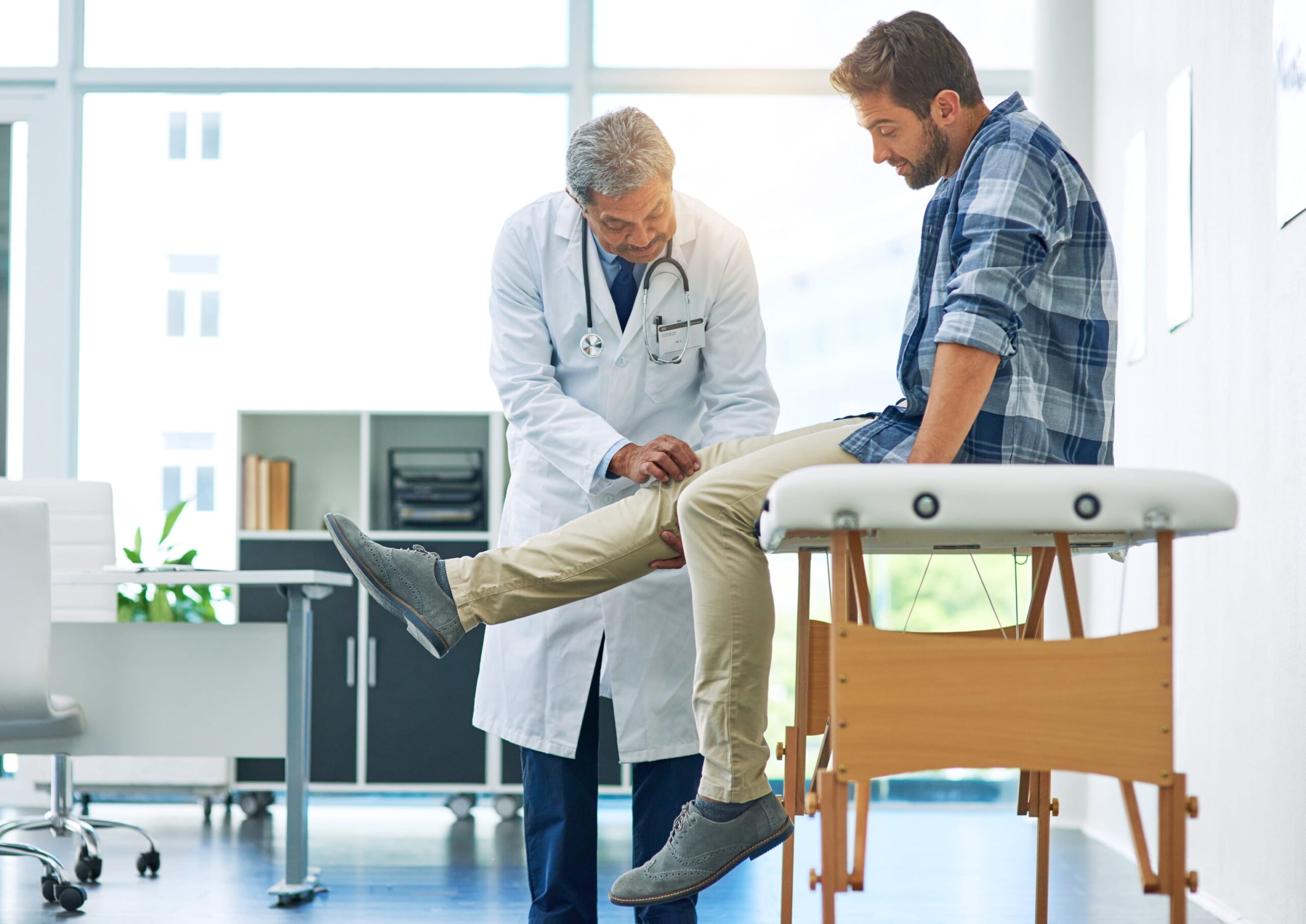
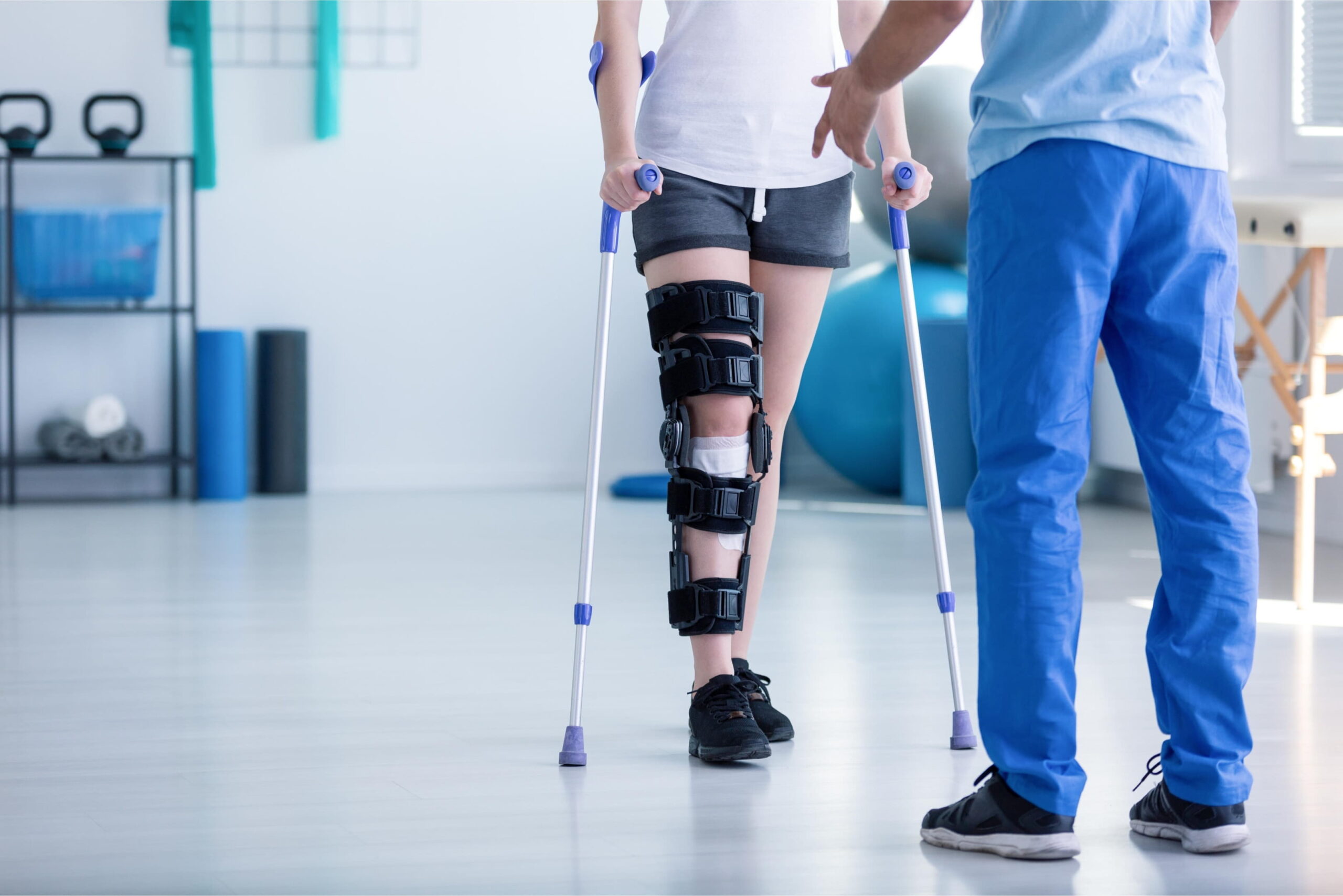
The orthopedic Rehabilitation Program is a therapeutic process designed to restore mobility, strength, and function in patients affected by trauma, chronic illness, or surgery. Its primary goal is to help individuals regain independence and return to their daily routines safely and efficiently.
This rehabilitation process is essential for:
- Recovering from sports-related injuries
- Managing chronic conditions such as arthritis
- Postoperative recovery following joint replacement or spinal surgery
- Preventing future injuries by improving stability and resilience
Our Core Areas of Expertise
1. Post-surgical Recovery (Joint & Spine)
We provide intensive, phased rehabilitation to ensure the success of your surgical outcome.
- Total joint replacements: Specialised protocols for knee, hip, and shoulder replacements to restore range of motion and weight-bearing capabilities.
- Spinal care: Comprehensive recovery for spinal fractures, scoliosis, and post-fusion surgery, with a focus on nerve protection and postural re-education.
2. Sports Medicine & Performance
Designed for athletes and active individuals who need to return to high-impact activities.
- Ligament & tendon repair: Advanced rehabilitation for ACL, PCL, and meniscus tears.
- Performance biomechanics: Analysing movement patterns to prevent future injuries and optimise athletic output.
3. Trauma & Fracture Management
Focused on restoring structural integrity and strength after an accident.
- Post-fracture care: Elevated exercise programs to reverse muscle atrophy and joint stiffness following immobilisation.
- Complex trauma: Multi-stage rehabilitation for polytrauma cases involving multiple bone and soft-tissue injuries.
Core Therapeutic Techniques at SRM Global Hospitals
Manual Therapies (Orthopedic Physical Therapy)
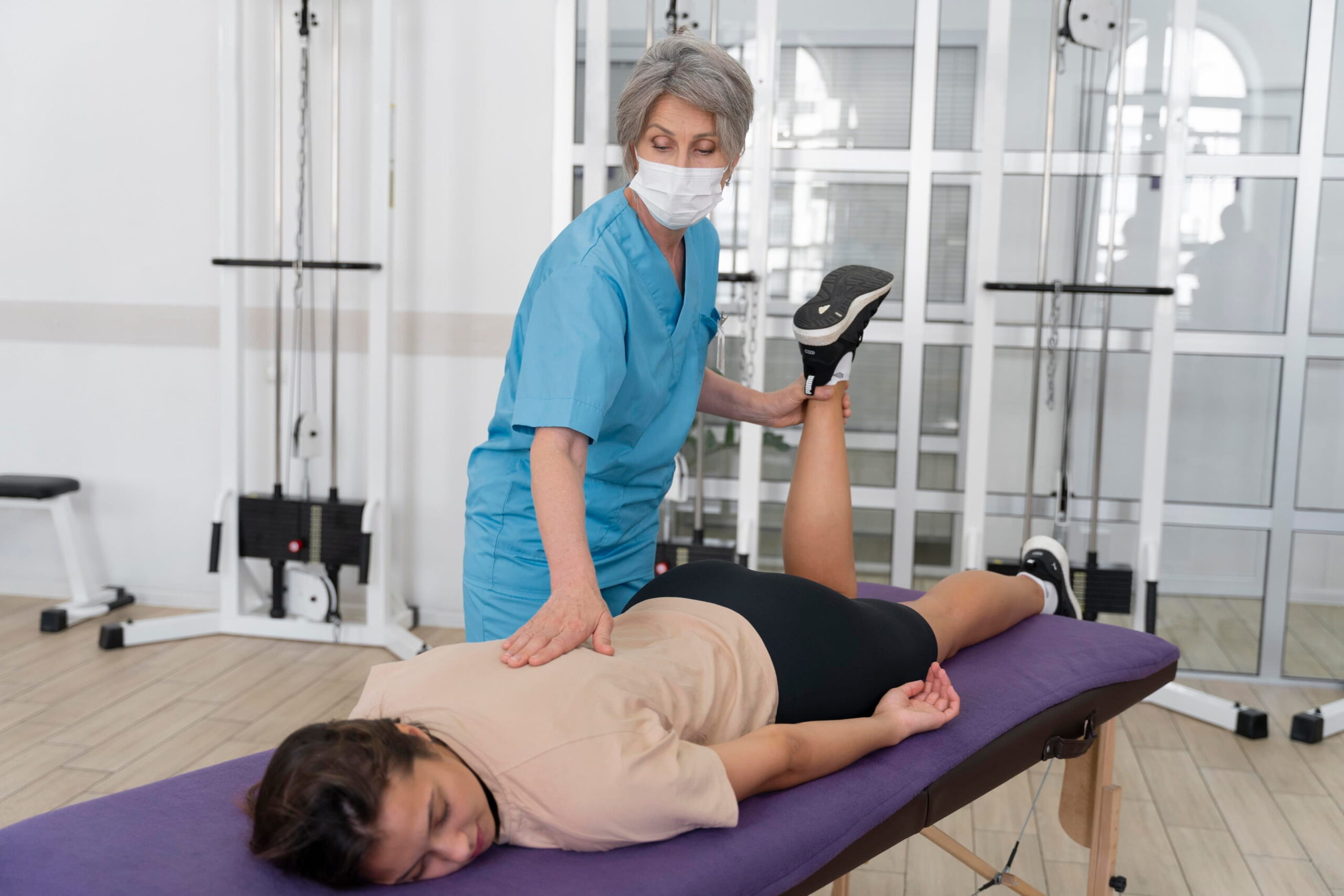
Core Therapeutic Techniques at SRM Global Hospitals
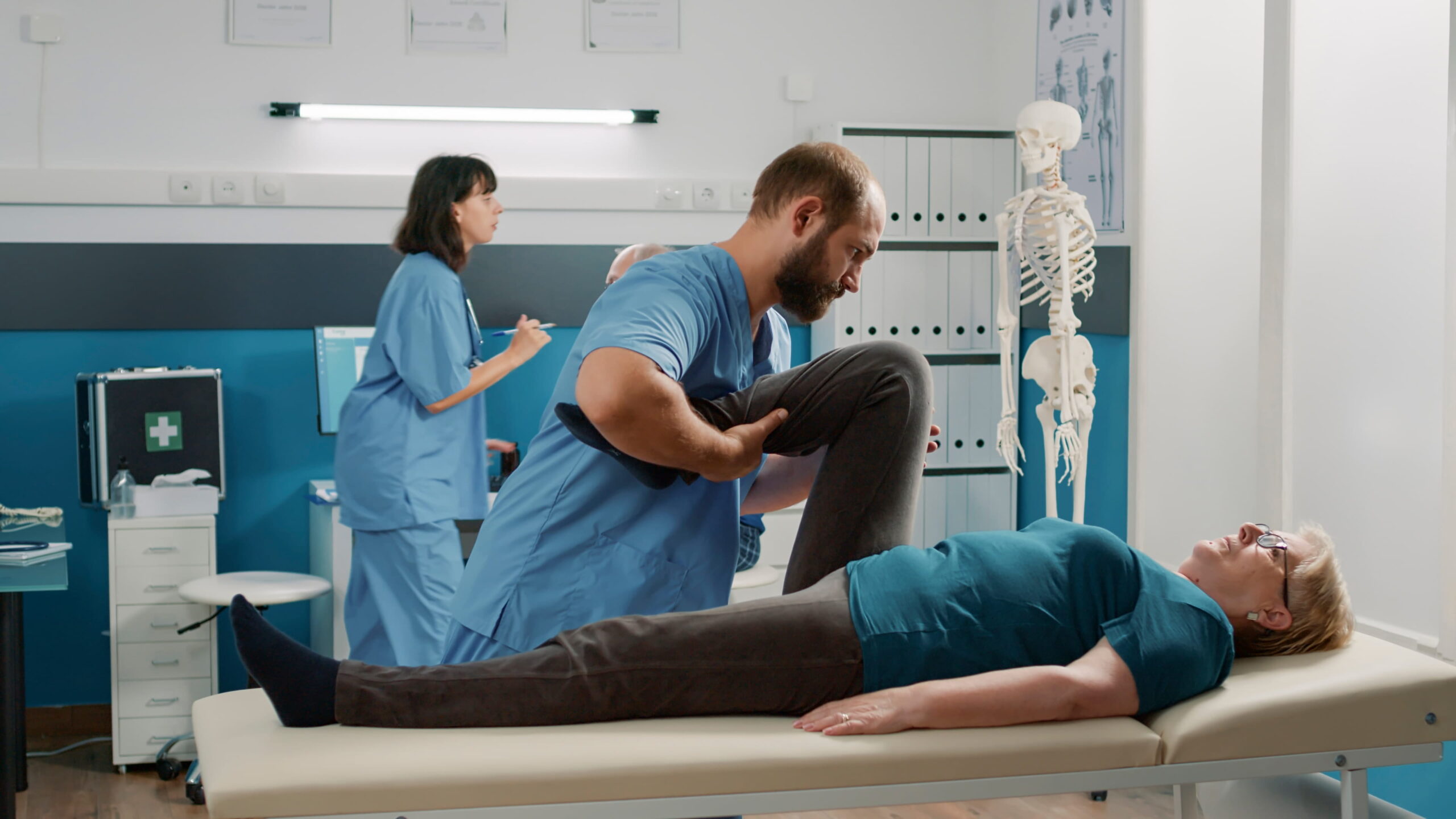
Manual therapies are skilled, hands-on techniques applied by our trained orthopedic physical therapists. They are designed to improve mobility, relieve pain, and restore proper musculoskeletal function. Key manual therapy techniques include:
- Joint mobilisation: Gentle movements applied to improve joint flexibility and restore range of motion.
- Soft tissue manipulation: Techniques like massage, myofascial release, and trigger point therapy reduce pain and stiffness, improve circulation, and promote tissue healing.
- Stretching & muscle activation: Targeted exercises restore muscle balance, prevent compensatory injuries, and strengthen supporting muscles.
Each therapy is personalised to the patient’s needs, ensuring a safe and effective recovery while minimising discomfort.
Cold & Heat Therapy
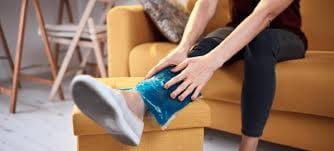
Cryotherapy and thermotherapy are essential methods for managing pain, inflammation, and tissue healing:
- Cold Therapy (Cryotherapy): Reduces inflammation, numbs pain, and limits tissue damage following acute injuries or surgeries.
- Heat Therapy (Thermotherapy): Increases blood flow, relaxes muscles, and improves tissue elasticity, preparing joints and muscles for active rehabilitation exercises.
These therapies are often combined with manual therapy, exercise therapy, or electrical stimulation to accelerate healing and enhance functional outcomes.
Occupational Therapy
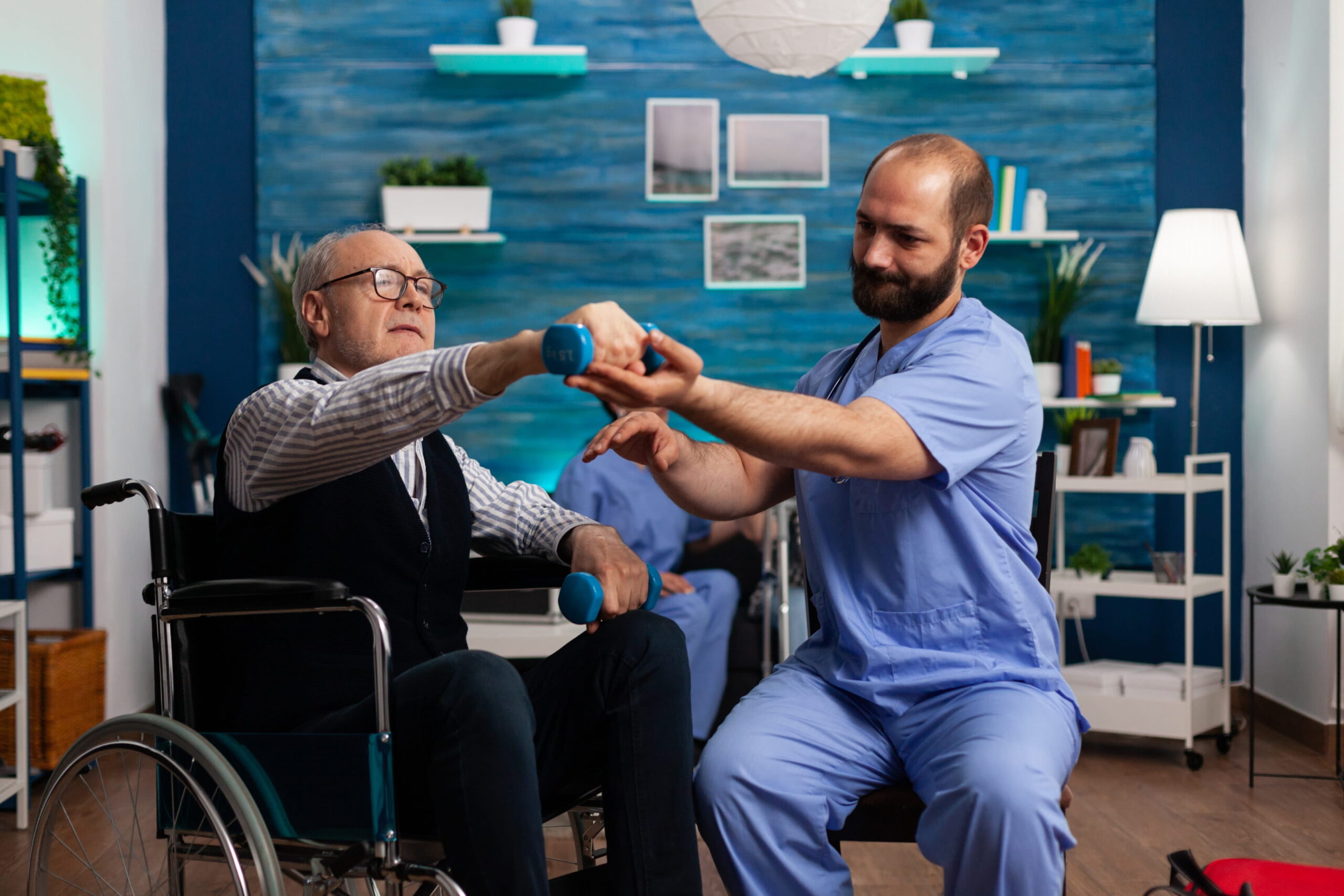
Occupational therapy (OT) at SRM focuses on helping patients regain independence in daily activities after orthopedic injuries or surgeries. Our expert occupational therapists work closely with patients to:
- Improve fine motor skills and hand-eye coordination
- Restore the ability to perform self-care tasks, such as dressing, bathing, or cooking
- Adapt the home or workplace environment to support safe movement
- Train patients in energy conservation and joint protection techniques
Occupational therapy is a critical component of a comprehensive rehabilitation program, ensuring patients can return to everyday life confidently.
Vocational Rehabilitation Therapy
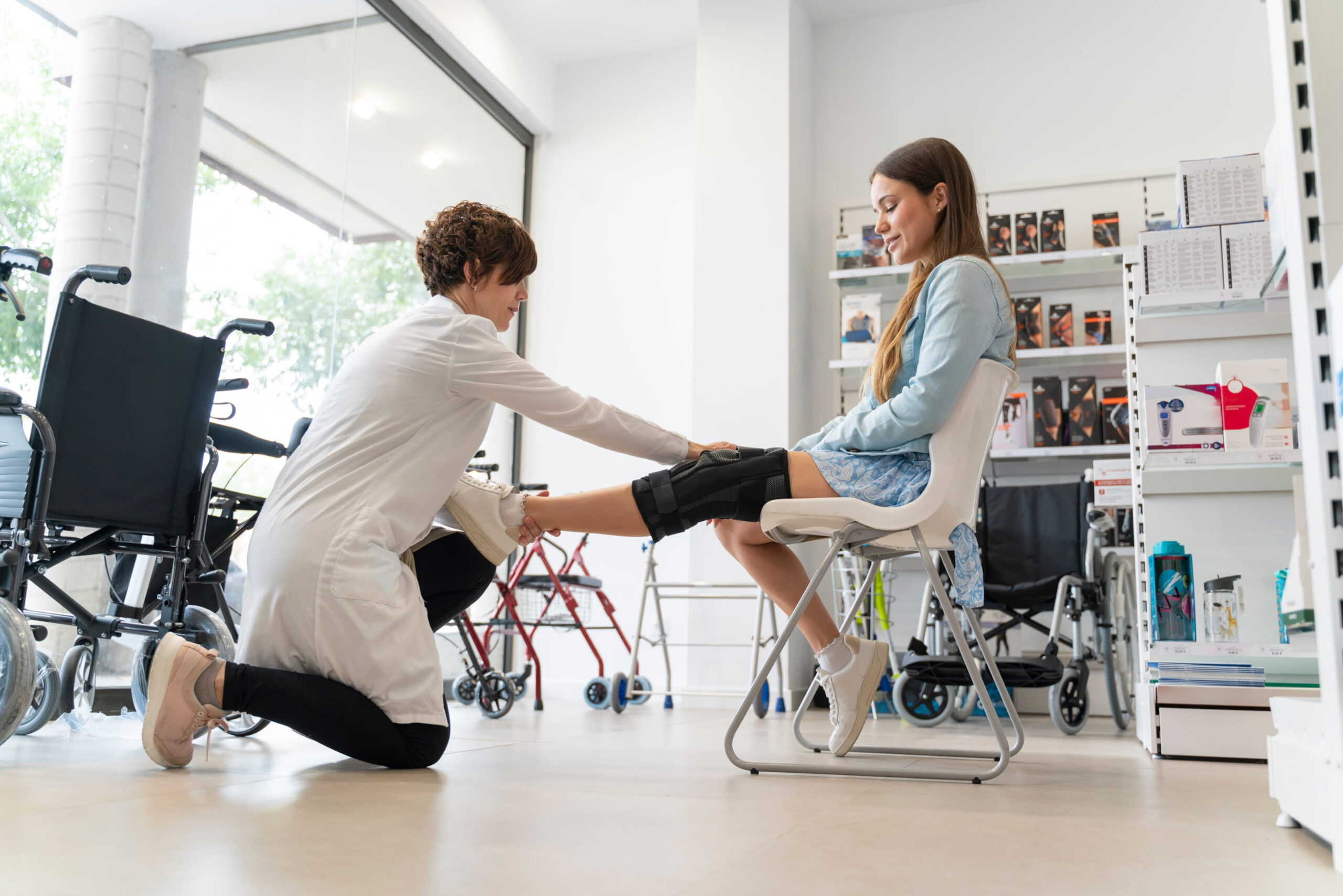
Vocational rehabilitation specialists support patients in returning to work safely after an orthopedic injury or surgery. This specialised therapy focuses on:
- Assessing the patient’s physical capabilities and limitations for their job role
- Designing work-specific exercises to restore strength and endurance safely
- Advising on ergonomic adjustments and modifications in the workplace
- Guiding a phased return-to-work program to prevent re-injury
This approach ensures that patients not only recover physically but also regain professional independence and confidence.
The Rehabilitation Process
The rehabilitation process at SRM Global Hospitals follows a structured, patient-centric approach:
- Comprehensive Evaluation: The rehabilitation therapist assesses medical history, pain levels, physical limitations, and functional goals.
- Personalised Treatment Plan: A personalised program is developed based on the patient’s injury type, severity, and lifestyle.
- Goal Setting: Realistic milestones are set collaboratively with the patient to track progress.
- Active Therapy: Therapeutic exercises improve strength, flexibility, and range of motion.
- Progress Monitoring: Objective assessments are conducted regularly to ensure adequate recovery.
- Patient Education: Individuals are trained in self-care, ergonomics, and injury prevention strategies.
Modern Recovery Trends
SRM Global Hospitals integrates advanced technologies to enhance rehabilitation outcomes:
- Wearable Sensors: Track joint angles and motion in real-time for precise therapy adjustments.
- Tele-rehabilitation: Enables remote monitoring and guidance, making recovery accessible beyond the hospital.
- Orthobiologics: Treatments like Platelet-Rich Plasma (PRP) therapy stimulate tissue healing at the cellular level, promoting faster recovery.
Why Choose SRM Global Hospitals for Orthopedic Rehabilitation?
- Expert multidisciplinary team: Orthopedic surgeons, therapists, and specialists work together for comprehensive care.
- Personalised rehabilitation programs: Every plan is personalised to the patient’s needs and recovery goals.
- Advanced tools and therapies: From manual therapies to orthobiologics, SRM employs the latest evidence-based techniques.
- Focus on functional independence: Patients are empowered for improved mobility, strength, and confidence in daily life.
At SRM Global Hospitals, orthopedic rehabilitation works to restore full quality of life while preventing future injuries and improving overall well-being.
