


Pediatric Rehabilitation Focused on Your Children
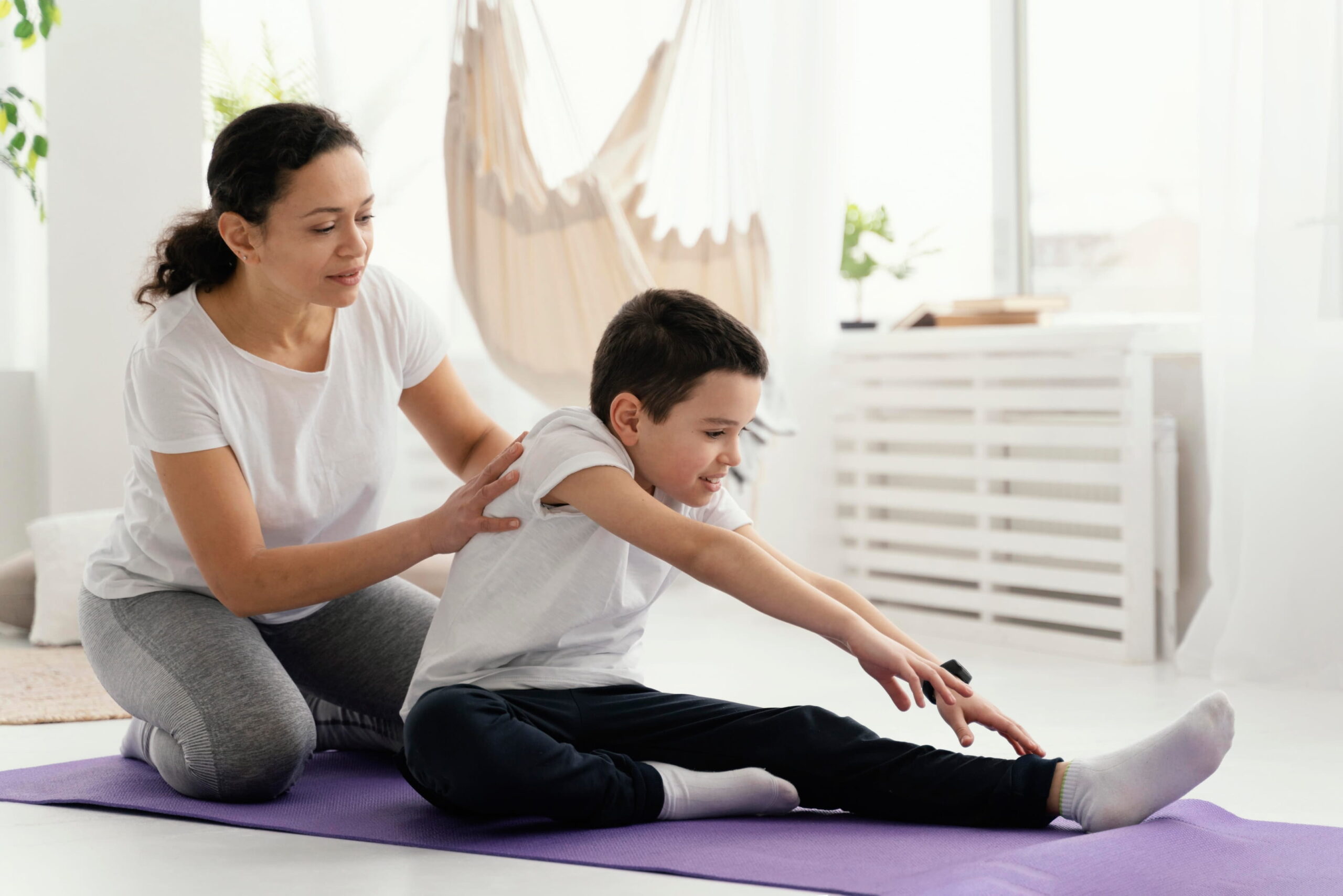
Pediatric rehabilitation at SRM Global Hospitals in Chennai provides children with holistic care designed to enhance their functional abilities, independence, and overall health. By combining pediatric therapies and medicines, our programs address a broad spectrum of conditions, including cerebral palsy, autism spectrum disorder, developmental delays, genetic disorders, musculoskeletal conditions, and speech or learning difficulties.
The core therapies available at our rehabilitation centre include:
- Sensory Integration Therapy: Helps children regulate and process sensory information, improving attention, behaviour, and social participation.
- Feeding Therapy: Ensures safe swallowing and supports nutrition for children with feeding difficulties.
- Augmentative and Alternative Communication (AAC): Enhances communication skills for children with speech delays or disorders.
- Assistive Technology Services: Evaluation, training, and support for braces, wheelchairs, prosthetics, and other adaptive equipment.
Multidisciplinary Team Approach
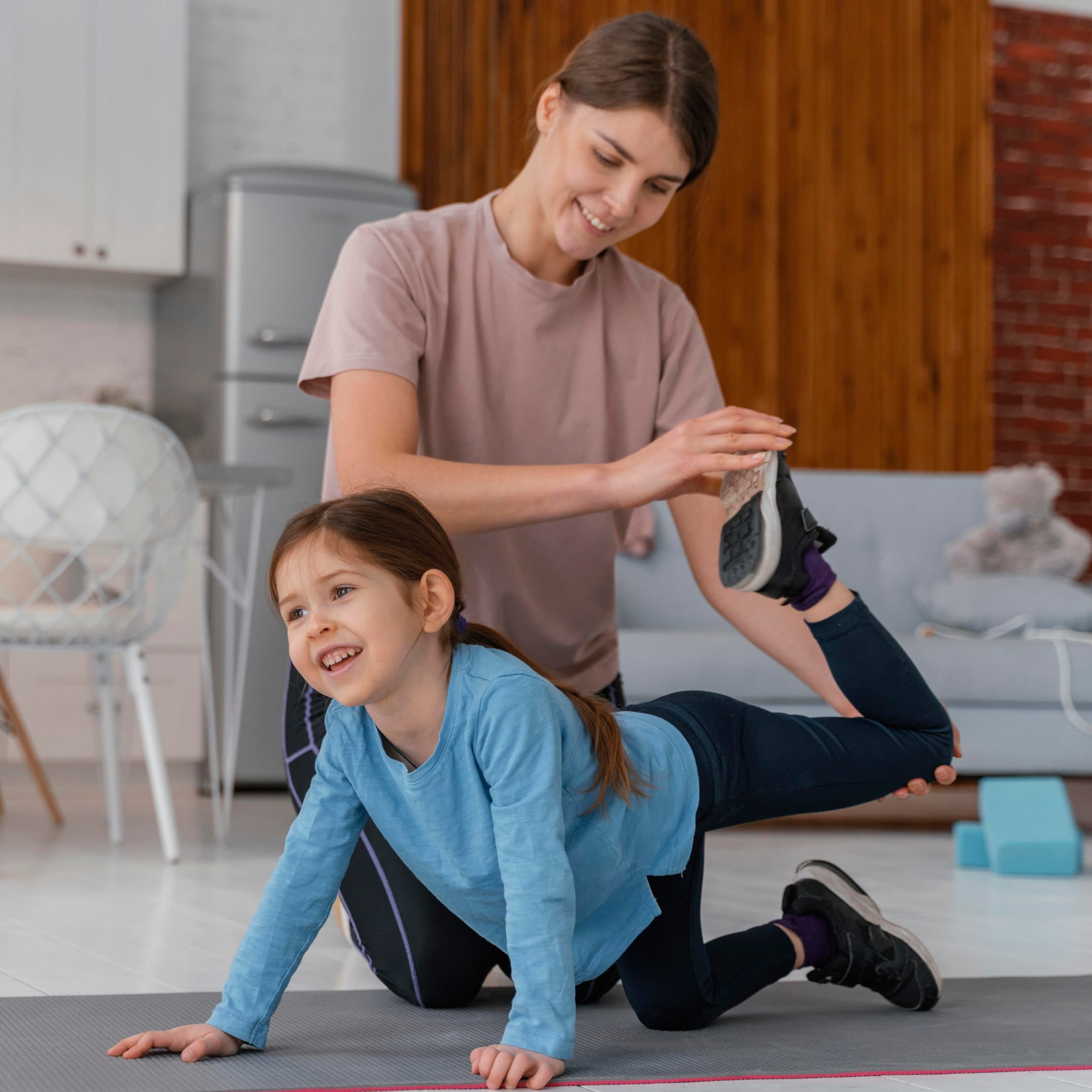
Pediatric rehabilitation is a complex process requiring a coordinated, family-centred approach. At SRM, our team of doctors, therapists, and specialists works closely together to create an integrated plan that addresses both physical and cognitive development:
- Pediatric Rehabilitation Medicine (PRM) Physicians: Lead therapy plans, oversee progress, and apply research-based interventions in physical medicine to manage pain, musculoskeletal conditions, and neurological disorders.
- Paediatricians: Monitor growth, nutrition, and overall health, ensuring that interventions match the child’s age and developmental milestones.
- Neurologists: Treat neurological diseases and provide neuromuscular stability, helping children with cerebral palsy, spina bifida, or post-surgical recovery.
- Neuropsychologists: Assess and guide cognitive, emotional, and learning strategies, supporting special education goals and school reintegration.
- Physiotherapists / Physical Therapists: Focus on mobility, balance, coordination, and strength through play-based and structured activities personalised to each child.
- Occupational Therapists: Develop fine motor skills, daily living abilities, and independence using adaptive techniques and assistive devices.
- Speech-Language Pathologists: Improve communication, feeding, and swallowing, integrating therapies with family and school support.
- Prosthetists / Assistive Device Specialists: Customise mobility aids and prosthetics to enhance independence and participation in everyday activities.
Individualised Therapy Programs
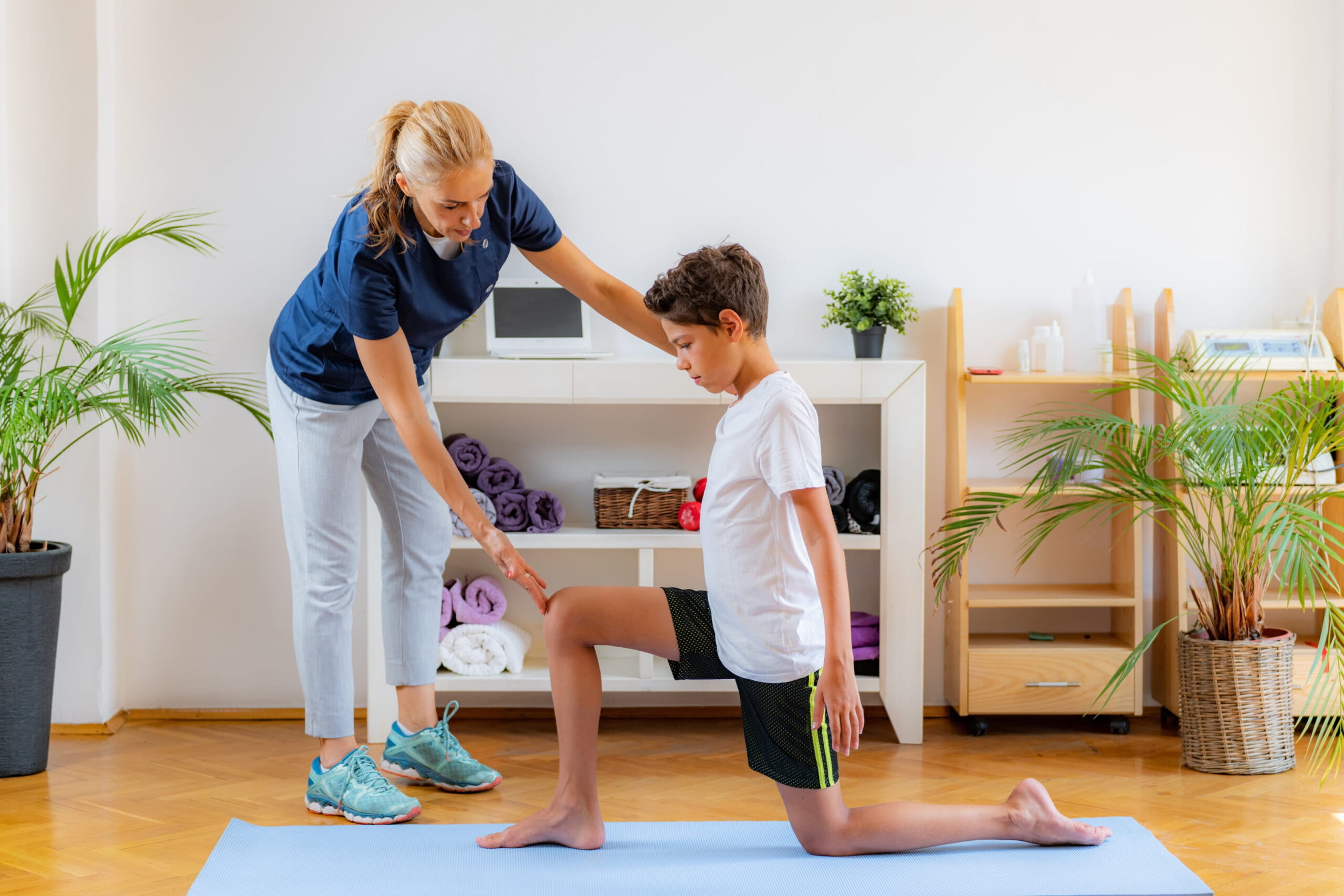
Every child’s age, developmental stage, and health needs are carefully assessed to create a personalised rehabilitation plan. Therapy begins with a minimum of three hours daily. It can expand to full-day programs as the child progresses to enhanced physical endurance, cognitive skills, and emotional resilience.
From Childhood to Adulthood
Our programs are designed with long-term goals in mind. Therapies focus on functional independence, such as dressing, feeding, hygiene, and communication, to enable children to participate in social and educational activities and navigate daily life with minimal assistance.
Focus on Holistic Development
Pediatric rehabilitation at SRM Global Hospitals goes beyond physical recovery. Our programs promote emotional resilience, social skills, and educational support, so parents and caregivers also receive counselling, workshops, and educational resources to reinforce therapy at home and in school.
Why Choose SRM Global Hospitals for Pediatric Rehabilitation?
SRM Global Hospitals offers child-focused, family-centred care, as every rehabilitation plan is personalised to the child’s age, developmental stage, and specific health needs.
- Expert Multidisciplinary Team: Paediatricians, rehabilitation physicians, therapists, neurologists, neuropsychologists, and assistive device specialists collaborate closely to ensure integrated and effective care.
- Personalised Therapy Programs: Individualised daily therapy sessions, play-based interventions, and assistive technology support maximise functional independence, social participation, and cognitive development.
- Holistic Development: Programs address physical, cognitive, and emotional growth, while parents and caregivers receive guidance, workshops, and resources to reinforce therapy at home and school.
- Advanced Technology and Care: From adaptive mobility aids to communication devices, children benefit from evidence-based interventions and modern assistive solutions to improve independence and quality of life.
- Long-Term Outcomes: Therapies are designed to support lifelong functional skills, enabling children to engage in school, play, and daily activities with confidence and minimal assistance.
FAQs on Pediatric Rehabilitation
1. What is Pediatric Rehabilitation Medicine at SRM Global Hospitals?
Pediatric rehabilitation medicine at SRM Global Hospitals in Chennai provides coordinated physical medicine and pediatric therapy under one roof to support infants and children with disabilities. The rehabilitation team focuses on early intervention to help each patient reach full potential and functional improvement.
2. Which Conditions Are Managed Through the Pediatric Rehabilitation Centre?
The centre supports children with a wide range of conditions, such as cerebral palsy, autism spectrum disorder, genetic disorders, developmental delays, and musculoskeletal conditions. The rehabilitation process supports improvement after diagnosis, surgery, or long-term neurological and physical conditions.
3. How Do Physical Therapy and Occupational Therapy Support Children?
Physical therapy/ physiotherapy improves strength, movement, and balance, while occupational therapy supports daily activities and independent function. The combined approach helps children improve physical abilities and participation in school and society.
4. What is the Role of Sensory Integration Therapy and Assistive Devices?
Sensory integration therapy supports children with sensory processing disorders to improve attention, coordination, and daily function. Assistive devices are introduced when needed to assist movement, communication, and independent participation.
5. How Are Caregivers Involved in the Rehabilitation Process?
Caregivers receive guidance from the rehabilitation team to support therapy goals at home and during daily routines. Active involvement helps infants, children, and even adults with childhood conditions achieve consistent improvement and long-term benefit.
