


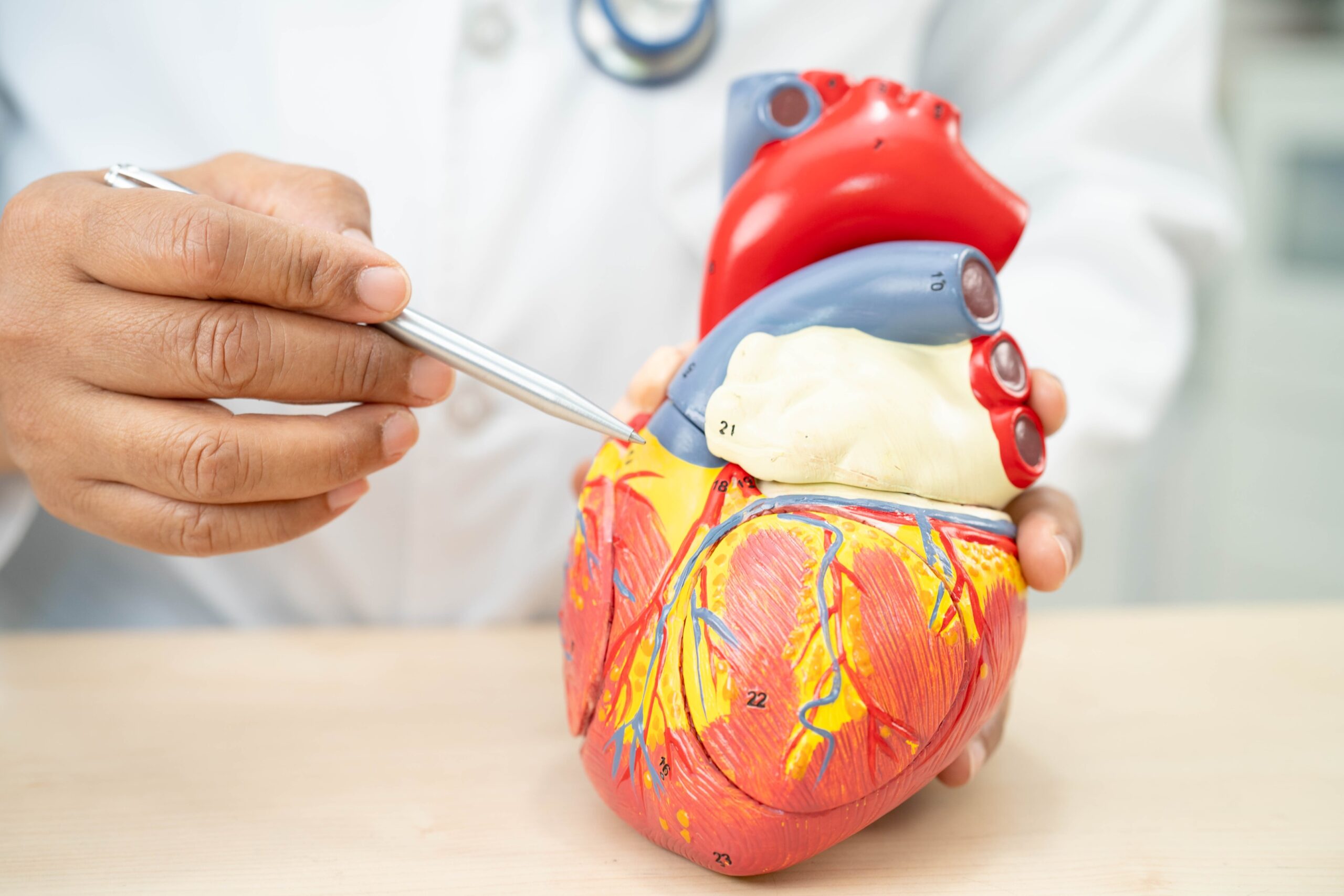
Microvascular Disease Guide: Symptoms, Care & Long-Term Risks
Most Indians know about heart attacks, blocked coronary arteries, and cholesterol problems. Yet many do not realise that the body depends heavily on small blood vessels, the tiny tubes that supply oxygen-rich blood to every corner of the body.
When these vessels begin to malfunction, the signs appear slowly. People blame age, a busy life, or tiredness. But beneath these minor complaints lies a serious condition called microvascular disease.
This disease affects how the tiny blood vessels deliver oxygen and nutrients. Even when the large coronary arteries appear normal, these microvessels may fail to provide the required blood flow. Because symptoms occur in different organs and can be mild, many people ignore them until the damage becomes severe. The condition can affect the heart, brain, kidneys, eyes, and many other organs simultaneously, making it a multisystem disorder.
In this guide, we will explore how microvascular disease develops, why coronary microvascular dysfunction progresses silently, and how long-term risks affect Indians who already face diabetes mellitus, high blood pressure, cholesterol imbalance, emotional and mental stress, sedentary lifestyles, and other cardiovascular risk factors.
What Is Microvascular Disease?
Microvascular disease affects the smallest blood vessels that supply organs with blood. Unlike coronary artery disease, which blocks large arteries, this condition targets tiny blood vessels. When these vessels stiffen, narrow, or respond poorly, tissue perfusion drops. As a result, the oxygen delivery becomes weak. Over time, organs such as the heart, brain, and kidneys experience reduced blood flow and chronic damage.
Doctors often call this process coronary microvascular disease, small-vessel disease, coronary microvascular dysfunction, systemic microvascular dysfunction, or coronary microvasculature problems, depending on the affected area. These issues lead to poor tissue perfusion during activity, which can cause chest pain, fatigue, cognitive impairment, difficulty swallowing, breathlessness, or unexplained discomfort.
How Microvascular Disease Begins Inside the Body
Before symptoms appear, the disease progresses quietly inside the vascular anatomy. The tiny blood vessels are stressed by cholesterol levels, plaque buildup, trans fats, saturated fat, and high blood sugar. Slowly, the arterial walls lose their flexibility.
Eventually, they do not open fully when the body needs increased oxygen during physical activity or mental stress.
Damage Starts When Endothelial Function Weakens
Poor Oxygen Delivery Creates Myocardial Ischemia and Organ Fatigue
Over Time, Tissue Perfusion Reduces Across Multiple Systems
Early Symptoms of Microvascular Disease
Chest Pain That Does Not Feel Like Typical Heart Attack Pain
Breathlessness Even When Doing Simple Everyday Tasks
Cognitive Slowness and Mild Memory Changes
Kidney Issues That Seem Gradual and Long-Term
Difficulties During Swallowing or Fatigue After Meals
Difference Between Microvascular Disease and Coronary Artery Disease
Minor Blood Vessel Problems vs Large Artery Blockages
Chest Pain Without Clear Blockages on Angiography
Diffuse Symptoms vs Localised Heart Symptoms
Stages of Microvascular Disease Progression
Understanding the stages of microvascular disease helps you recognise early warning signs before serious complications develop. The disease moves slowly from mild vessel stiffness to widespread dysfunction. This progression disrupts tissue perfusion achieved across different organs.
The table below breaks down how the disease shifts from early endothelial dysfunction to full systemic microvascular dysfunction.
| Stage | What Happens Inside the Body | Possible Symptoms |
| Early Endothelial Changes | Endothelial dysfunction weakens vessel flexibility | Mild fatigue, light chest pain |
| Mid-Stage Microvascular Narrowing | Small blood vessels stiffen and reduce blood flow | Breathlessness, slower thinking |
| Advanced Dysfunction | Tissue perfusion drops across major organs | Kidney strain, memory issues |
| Systemic Microvascular Dysfunction | Multiple organs show reduced blood flow | Chest pain, shortness of breath, and cognitive decline |
| Severe Small Vessel Disease | Coronary microvascular dysfunction becomes chronic | High risk of heart attack or stroke |
Before we explore each risk factor, it’s helpful to understand that Indians face a unique blend of dietary, genetic, and lifestyle factors. These elements contribute to a higher incidence of endothelial dysfunction and accelerate the development of microvascular disease. When multiple risk factors combine, such as poor diet, sedentary habits, and chronic illnesses, the microvessels are affected more rapidly than expected, leading to widespread organ damage even before symptoms become clear.
Diabetes Mellitus and High Blood Sugar Damage Tiny Vessels
High Blood Pressure and Stress on Arterial Walls
High Cholesterol Levels and Plaque Buildup
Emotional Stress and Mental Stress Increase Heart Load
Body Mass Index Changes and Sedentary Routine
Long-Term Organ Risks Linked With Microvascular Disease
Heart Problems Like Microvascular Angina and Myocardial Infarction
Brain Damage Connected to Cerebral Small Vessel Disease
Kidney Damage, Including Chronic Kidney Disease
Vascular Cognitive Impairment and Memory Decline
Higher Risk of Acute Coronary Syndromes
Diagnostic Methods Doctors Use to Identify Microvascular Disease
Coronary Angiography to Examine Large Arteries
Cardiac MRI for Tissue-Level Clarity
Brain MRI to Study Cerebral SVD
Blood Tests for Cholesterol and Blood Sugar
Treatment Pathways to Control Microvascular Disease

Medication to Improve Blood Flow and Support Vessel Health
Lifestyle Changes for Better Vascular Health
Stress Management to Reduce Vessel Strain
Regular Monitoring to Avoid Future Complications
Prevention Strategies That Lower Risk for Indian Adults
Diet Adjustments That Protect Arterial Walls
Physical Activity to Support Better Tissue Perfusion
Control Diabetes, Pressure, and Cholesterol Carefully
Protect Your Vessels Before Small Damage Becomes a Large Problem
Microvascular disease grows slowly and affects the body in many ways. It damages tiny blood vessels and reduces blood flow to the heart, kidneys, brain, and other organs. Early awareness and regular screening prevent long-term complications.
If you face chest pain, breathlessness, slow thinking, tiredness, or unexplained discomfort, get evaluated early. To receive expert guidance, accurate diagnosis, and complete care for microvascular disease, visit SRM Global Hospitals today.
