


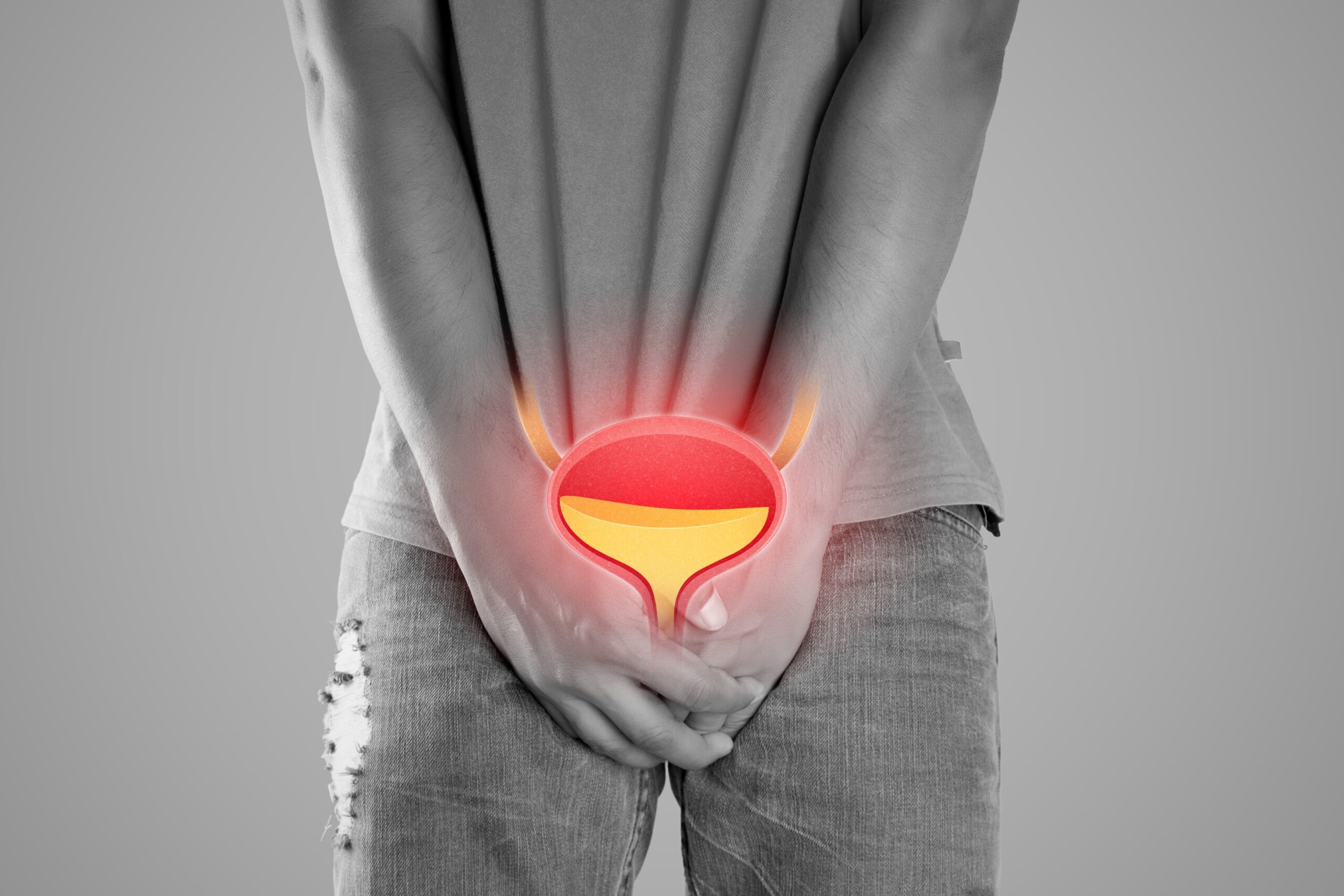
Do you find yourself rushing to the washroom too often or waking up several times at night because of an urgent need to urinate? If yes, you are not alone. Many people face this daily struggle, and it can interfere with work, travel, and even sleep.
Overactive bladder (OAB) is more common than most think, yet many hesitate to seek help. Understanding the condition, its causes, and the treatment options available can help you take back control. Let’s explore this step by step.
What Is an Overactive Bladder?
Overactive bladder is a condition where the bladder muscles contract suddenly, even when the bladder is not full. This creates a sudden urge to urinate, often difficult to control. For some, it leads to urine leaks, called urgency incontinence.
Others may experience frequent urination during the day or night. These overactive bladder symptoms are not just uncomfortable but also disruptive. When bladder function is affected like this, daily life, confidence, and sleep quality all suffer.
Causes and Risk Factors
Understanding overactive bladder is important because it helps in creating the right treatment plan. While sometimes the reason remains unclear, many known factors contribute to OAB.
Some common causes include:
- Weak pelvic floor muscles that reduce bladder control
- Neurological diseases like multiple sclerosis or spinal cord injury
- Bladder wall irritation caused by urinary tract infections
- Age-related changes in bladder nerves and muscles
- Complications after pelvic surgery or pelvic organ conditions
- Use of certain medications that affect nerve signals
Risk factors increasing the chances of OAB include:
- Being elderly
- Having diabetes or nerve disorders
- Suffering from chronic constipation and avoiding healthy bowel habits
- History of urinary tract infections
- Stress urinary incontinence or voiding dysfunction
- Obesity and poor fluid intake practices
- Smoking, which irritates bladder tissues
- Long-term stool softeners or other drugs that affect bladder capacity
Overactive bladder causes are often complex. Knowing these helps in diagnosing and choosing the right overactive bladder treatment.
Diagnosing Overactive Bladder
Seeking treatment for OAB starts with accurate diagnosis. Many people delay, thinking symptoms of overactive bladder are part of ageing. However, overactive bladder diagnosed early improves outcomes. Doctors use multiple steps to check bladder function and rule out other bladder symptoms or urinary tract issues.
Medical History and Physical Exam
Doctors begin by discussing urinary urgency, bladder control problems, and any past urinary tract infections. They ask about urine leakage, stool habits, pelvic surgery, or spinal cord injury. A physical exam, including a pelvic exam in women, helps detect issues in pelvic organs, pelvic floor muscles, or bladder nerves.
Bladder Diary
Patients are often advised to keep a bladder diary. This records fluid intake, how often the bladder fills, urgency episodes, and when bladder muscles contract. It also tracks urinary incontinence, stress incontinence, or urge incontinence episodes. A bladder diary is one of the most reliable tools to spot OAB symptoms.
Urine Tests and Residual Urine Checks
Lab tests rule out urinary tract infections, kidney problems, or residual urine after voiding. Temporary urinary retention or incomplete bladder emptying may show voiding dysfunction. Doctors sometimes check residual urine through an ultrasound.
Neurological Assessment
Since bladder control depends on central nervous system and peripheral nervous systems, neurological disease like multiple sclerosis or spinal cord damage can affect bladder function. A neurological exam helps confirm if nerve signals or spinal cord injury are affecting bladder capacity and bladder symptoms.
Specialised Tests
For patients with severe symptoms, additional checks may include:
- Urodynamic studies to measure bladder capacity, bladder wall strength, and the response of the bladder muscles response
- Cystoscopy to inspect the bladder wall and detect bladder pacemaker needs
- Imaging scans to evaluate pelvic muscles, pelvic organs, or nerve stimulation response
Diagnosis helps to design a treatment plan. With OAB symptoms, early medical attention prevents symptoms from worsening over time.
Lifestyle Changes for Managing Overactive Bladder
For many, lifestyle adjustments improve bladder function before medical treatments are considered. These steps reduce bladder symptoms and improve quality of life.
Bladder Training
Bladder training teaches the bladder muscles to hold urine longer. Patients delay urination gradually to increase bladder capacity. Using a bladder diary helps track progress. Over time, urgency incontinence reduces and bladder control improves.
Tips:
- Start with short delays (10–15 minutes)
- Increase gradually as bladder muscles adapt
- Use distraction or relaxation during urinary urgency
Pelvic Floor Muscle Training
Pelvic floor muscle exercises, also known as Kegel exercises, strengthen the pelvic floor. This supports bladder control and reduces urine leakage. Women after pelvic surgery or men with bladder control problems benefit greatly.
Steps include:
- Identify pelvic muscles during urination
- Contract for 5 seconds, then relax
- Repeat multiple times daily
Healthy Bowel Habits and Fluid Intake
Keeping healthy bowel habits reduces constipation. Constipation puts pressure on bladder wall and worsens OAB symptoms. Drinking enough water helps, but avoid excess caffeine, alcohol, or fizzy drinks that irritate bladder.
Simple habits:
- Eat fibre-rich foods
- Use stool softeners if prescribed
- Spread out fluid intake through the day
Lifestyle changes are often the first step to treating an overactive bladder.
Medical Treatments for Overactive Bladder
When lifestyle changes are not enough, doctors recommend medical treatments. These aim to reduce bladder muscle spasms, improve bladder capacity, and restore bladder control.
Medications
Anticholinergic medications reduce the bladder muscles too often. Side effects may include dry mouth, constipation, or temporary urinary retention. Elderly patients require close monitoring.
Examples:
- Oxybutynin
- Tolterodine
- Solifenacin
Injections and Nerve Stimulation
Botulinum toxin injections (Botox injections) relax bladder muscles, reduce muscle spasms, and improve bladder function. Nerve stimulation methods, like sacral nerve stimulation or tibial nerve stimulation, send mild electrical impulses to bladder nerves. These reset nerve signals and reduce urinary urgency.
Types:
- Sacral nerve stimulation (bladder pacemaker implanted)
- Percutaneous tibial nerve stimulation (through ankle nerves)
- Peripheral tibial nerve stimulation (an alternative for some patients)
Surgery and Advanced Treatments
For severe symptoms, doctors may suggest surgery to increase bladder capacity or adjust bladder wall. These treatments are considered when other options fail. Pelvic exam and physical exam decide if surgery is safe.
Medical treatments help manage OAB symptoms when lifestyle strategies alone are not enough.
Living With Overactive Bladder: Coping Strategies
Living with OAB requires daily adjustments. With the right coping strategies, people manage bladder control problems and improve their quality of life.
Emotional Well-being
Anxiety and stress worsen OAB symptoms. Learning stress management, meditation, or counselling helps. Support groups connect patients with similar bladder control challenges.
Workplace Adjustments
Patients often worry about urine leaks during office hours. Planning ahead reduces stress. Keep extra clothes, absorbent pads, or identify restrooms near workstations. Employers can be supportive when made aware.
Sleep and Night-time Urgency
Waking up multiple times at night reduces rest. Limit evening fluid intake, avoid caffeine after lunch, and use bladder retraining to control night urgency.
Travel and Social Life
Overactive bladder treatment must also cover social needs. Plan short breaks during travel, carry absorbent products, and choose seating close to washrooms. Inform close family so that sudden urinary urgency is not embarrassing.
Diet and Exercise
Avoid bladder irritants like spicy foods, citrus, or artificial sweeteners. Regular physical exercise, pelvic floor training, and maintaining weight support bladder function.
Coping with OAB takes patience. Yet with practice, these methods reduce symptoms further and bring confidence back.
Preventing Overactive Bladder Worsening
Prevention focuses on reducing risk factors and protecting bladder nerves, the pelvic floor, and bladder capacity.
Early Intervention
Treat urinary tract infections quickly to avoid bladder wall irritation. A regular pelvic exam detects problems early. Monitoring residual urine prevents voiding dysfunction. Seeking treatment early avoids severe symptoms.
Long-Term Health Habits
Maintaining healthy bowel habits, balanced fluid intake, and pelvic floor muscle training keeps bladder control strong. Managing neurological disease like multiple sclerosis with proper care reduces bladder symptoms.
Tips:
- Avoid smoking to protect the bladder wall
- Do not delay urination when the bladder fills
- Use a bladder diary for regular monitoring
- Keep a healthy weight and reduce strain on pelvic organs
Preventing OAB worsening is about consistency. Daily effort keeps bladder function steady.
Take Charge of Your Bladder Health with SRM Global Hospitals
Overactive bladder is treatable. From lifestyle changes to medical treatments like botox injections, nerve stimulation, or anticholinergic medications, many options exist. The earlier you seek treatment, the better your bladder control and quality of life become. Living with OAB is challenging, but with expert guidance, it can be managed effectively.
At SRM Global Hospitals, specialists diagnose overactive bladder with advanced tools and personalised treatment plans. From bladder diary review to pelvic floor therapy, from percutaneous tibial nerve stimulation to sacral nerve stimulation, every modern option is available. Experienced doctors help elderly patients, women after pelvic surgery, or those with neurological diseases like multiple sclerosis.
If you face overactive bladder symptoms, do not wait. Connect with SRM Global Hospitals for the best recommendation of doctor, treatment options, and hospital care. Book your appointment today and take the first step towards better bladder control.
FAQs
1. What are the common symptoms of an overactive bladder?
Symptoms of an overactive bladder include urinary urgency, frequent urination, urine leakage, and waking up often at night to urinate. Some also experience urgency incontinence and bladder muscle spasms.
2. How is an overactive bladder diagnosed?
Doctors diagnose overactive bladder through a bladder diary, urine tests, pelvic exam, and sometimes urodynamic studies. These help rule out urinary tract infections and identify voiding dysfunction.
3. Can lifestyle changes treat an overactive bladder?
Yes. Bladder training, pelvic floor exercises, healthy bowel habits, and proper fluid intake reduce OAB symptoms. Many patients benefit from these before medical treatments.
4. What medical treatments are available for an overactive bladder?
Overactive bladder treatment includes anticholinergic medications, botulinum toxin injections, sacral nerve stimulation, and tibial nerve stimulation. Each works differently to control bladder muscles and nerve signals.
5. When should I seek treatment for an overactive bladder?
If OAB symptoms disrupt daily activities, sleep, or travel, seek treatment. Early diagnosis prevents symptoms from worsening and helps in planning the right treatment plan.
