


Hiatel Hernia- A Threat to the Muscle that Separates
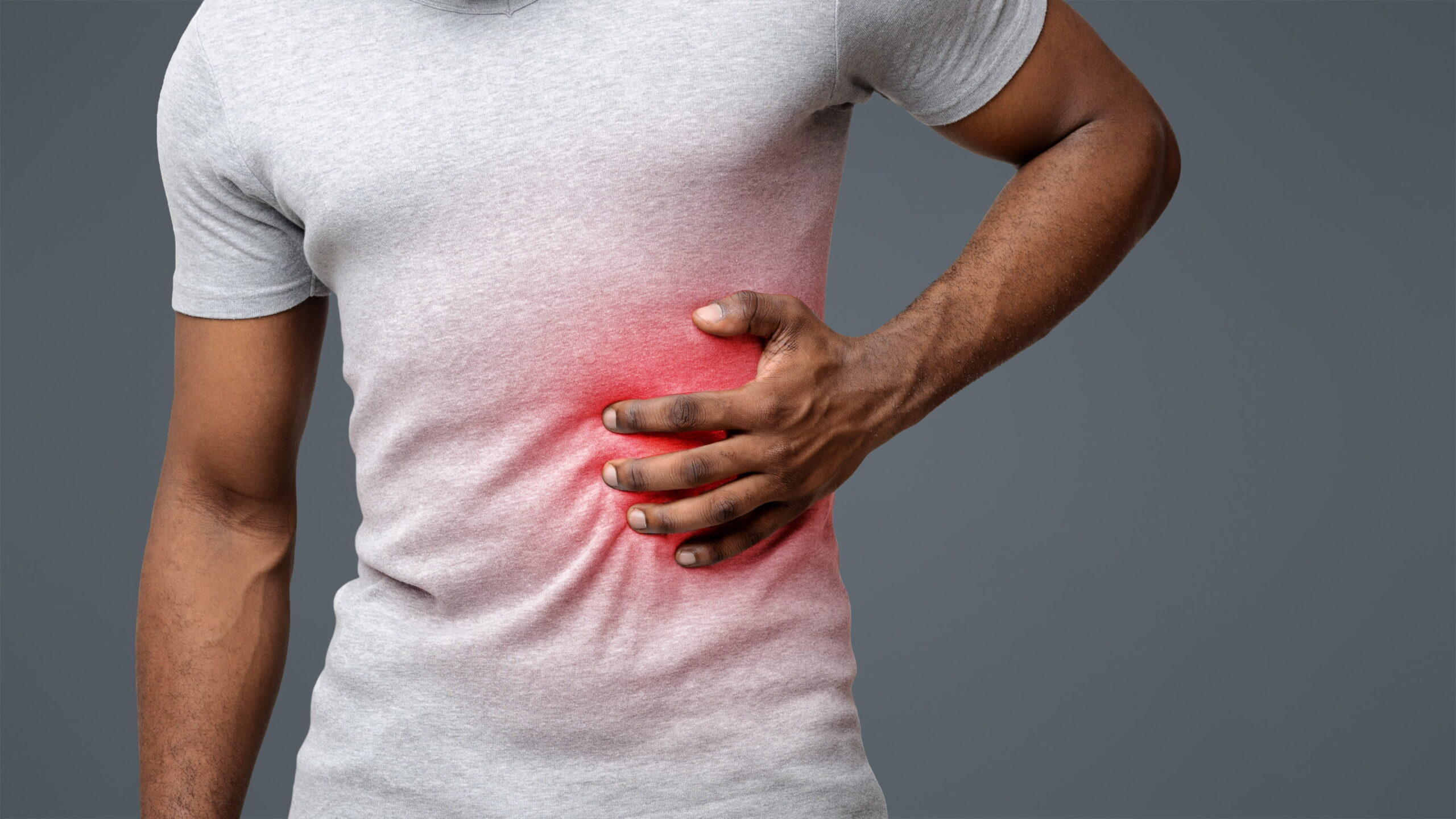
A hiatal hernia occurs when the stomach pushes through the esophageal hiatus, a muscle opening in the diaphragm that separates the chest cavity from the abdominal cavity. The esophagus, also called the food pipe, passes through this opening to reach the stomach. When the opening becomes wider, the stomach moves upward into the chest, leading to acid reflux. Symptoms of a hiatal hernia include regurgitation (acid reflux), chest or abdominal pain, shortness of breath, and feeling full soon after starting a meal. Most cases appear between 46 and 60 years of age.
Nearly 46% of patients with chronic reflux disease had a hiatus hernia in a 2024 research in Northern India, which highlights how closely these two conditions connect. A study involving 750 Indian patients in 2024 found that women are nearly three times more likely to have a hiatal hernia than men.
Hiatal Hernia Types
Doctors classify these based on how the stomach slides or moves. Knowing the hiatal hernia types helps in choosing the proper hiatal hernia treatment.
Type 1: Sliding Hiatal Hernia
It is the most common type, occurring at the top of the stomach. The junction where the esophagus meets the stomach slides slightly into the chest and then moves back down. Most people do not notice any bulge and remain symptom-free, as this type usually involves small hernias. Type-1 hiatal hernias generally don’t require treatment unless they’re developing any symptoms.
Paraesophageal Hiatel Hernias
Paraesophageal hernias have a serious type 2, 3 and 4 than sliding hiatal hernias. The types of Paraesophageal hernias pose higher risks with severe pain and potential complications, which can lead to a medical emergency if the stomach or abdominal organs twist.
Type 2: Paraesophageal Hernia
The stomach bulges through the hiatal opening at the diaphragm while the gastroesophageal junction stays in its usual place. It means the top of the stomach pushes up next to the lower esophagus. Such hernias are less common but pose higher risks like strangulation (compression of the stomach region).
Type 3: Mixed Paraesophageal Hernia
Mixed Hernia combines Type 1 and Type 2 hernia movements. Both the junction (lower esophagus and upper stomach meet) and the part of the stomach slide up into the chest cavity. Large hernias at the diaphragm opening of this type often lead to trouble swallowing and severe abdominal pain.
Type 4: Complex Paraesophageal Hernia
In a complex hernia, other abdominal organs like the colon or spleen move into the chest along with the stomach, which is a grave condition.
Causes of Hiatal Hernias
| Hernia Type | Primary Physical Cause | Risk Factors and Facts |
|---|---|---|
| Type 1 (Sliding) | Weakening of the lower esophagus tissues causes the gastroesophageal junction to slide up. | Ageing, frequent coughing, long-term straining during bowel movement, and obesity raise the risk further. Type 1 hiatal hernia accounts for nearly 95% of cases reported in India. |
| Type 2 (Rolling) | A gap in the diaphragm allows the stomach to bulge next to the food pipe. | Increased abdominal pressure from obesity, pregnancy, or heavy physical activity could lead to the development of Type 2 hiatel hernias. The stomach may get trapped if untreated. |
| Type 3 (Mixed) | Combined damage to the diaphragm and the food pipe moves both the junction and the stomach. | Long-term strain, obesity, and repeated acid reflux worsen the condition. Chronic acid reflux is severe in these patients. |
| Type 4 (Complex) | A large hiatal opening allows other abdominal organs, like the colon, to enter the chest. | Continuous straining, trauma, or high abdominal pressure increases risk. Emergency surgery is often required. |
Symptoms of Hiatal Hernia
Small hiatal hernias do not cause trouble for everyone and have no noticeable symptoms in many cases. Larger hiatal hernias frequently lead to a burning sensation (heartburn) in the chest as they cause the stomach contents, such as improperly digested food, digestive acids and enzymes move back into the lower esophagus, which causes the pain.
Common hiatal hernia symptoms include:
- Chest pain or recurring chest pain after meals.
- Difficulty swallowing or trouble swallowing food.
- Feeling full very quickly or early satiety.
- Stomach acid rising into the throat or regurgitation.
- Shortness of breath after eating.
The most common symptoms of hiatal hernias are chronic acid reflux (GERD), yet we should understand that not everyone with a hiatal hernia has acid reflux. Similarly, not everyone with acid reflux has a hiatal hernia.
Complications of Hiatal Hernia
Leaving a hernia without medical help leads to serious complications. Stomach contents can move where they do not belong, causing damage. While chronic acid reflux is a common complication caused by hiatal hernias, other complications also arise based on the specific type of hiatal Hernia. SRM Global Hospitals identifies specific risks for each of the four types.
1. Type 1 Complications: Chronic Acid Damage
Sliding hernias mainly cause problems from stomach acid.
- Reflux esophagitis occurs when acid burns the esophagus lining.
- Chronic acid reflux leads to sores or ulcers in the esophagus.
- Eosinophilic esophagitis can develop as an allergic response to food or acid.
- Untreated acid damage increases the risk of gastritis and esophageal cancer.
- The acid reflux (GERD) with this type 1 may also cause gastrointestinal obstruction and ischemia (constricted blood flow).
2. Type 2 Complications: Blockage and Pain
Rolling hernias create physical pressure along with acid issues.
- Stomach tissue can get twist in the esophageal opening, causing severe pain and potential strangulation (compression of the stomach region).
- Ischemia could occur as blood flow from the heart to the stomach gets constricted.
- Tissue death starts if blood does not return quickly.
- Gastrointestinal obstruction prevents food from moving into the intestines.
3. Type 3 Complications: Combined Inflammation
Mixed hernias bring dangers from both sliding and rolling types.
- Esophagitis becomes severe because the valve remains open.
- Gastritis or swelling of the stomach lining happens inside the chest cavity.
- Difficulty in swallowing occurs as the food pipe narrows.
- Recurring chest pain arises from acid reflux and organ pressure.
- Chronic acid reflux worsens overall complications in these patients.
4. Type 4 Complications: Organ Failure
Complex hernias allow other abdominal organs to enter the chest.
- Blood supply to the colon or spleen can be cut off suddenly.
- Type 4 Paraesophageal hernias can lead to organ strangulation (compression) or severe infection.
- Shortness of breath occurs because the lungs have no room to expand.
Hiatal Hernia Diagnosis: How Doctors Check

1. Type 1: Sliding Hiatal Hernias
Hiatal hernia diagnosis for Type 1 usually begins when a person reports a burning sensation.
- Physical exam results often show signs of acid reflux and bloating.
- Barium swallow tests allow the doctor to see the stomach slide up and down through the esophageal hiatus.
- Upper endoscopy reveals if the esophagus lining has redness from stomach acid.
- Esophageal manometry checks if the lower esophageal sphincter (muscle) closes tightly.
2. Type 2: Rolling Hiatal Hernias
A hiatal hernia diagnosed as Type 2 requires seeing the stomach bulge next to the food pipe.
- Chest X-ray images often catch a bubble of air where the stomach pushes into the chest cavity.
- A barium swallow shows the part of the stomach sitting beside the esophagus.
- Doctors look for the gastroesophageal junction to stay below the large muscle of the diaphragm.
- Endoscopy checks if the blood supply to the trapped part is healthy.
3. Type 3: Mixed Hiatal Hernias
Combined hernias show a mix of movements from the first two types.
- Upper endoscopy provides a view of a large part of the stomach sliding into the chest.
- Test measures using pH monitoring show very high levels of trapped acid.
- CT scans provide a 3D view of the abdominal cavity and its size.
- Doctors check if the esophagus and stomach connection is wide and loose.
4. Type 4: Complex Hiatal Hernias
Complex cases involve other abdominal organs like the spleen or colon.
- A chest X-ray might show more than just the stomach inside the chest cavity.
- Emergency CT scans determine if any organ has lost blood flow.
- Physical exam often reveals severe abdominal pain or a hard belly.
- Barium tests show a blockage in the digestive system where organs have moved.
Effective Hiatal Hernia Treatment
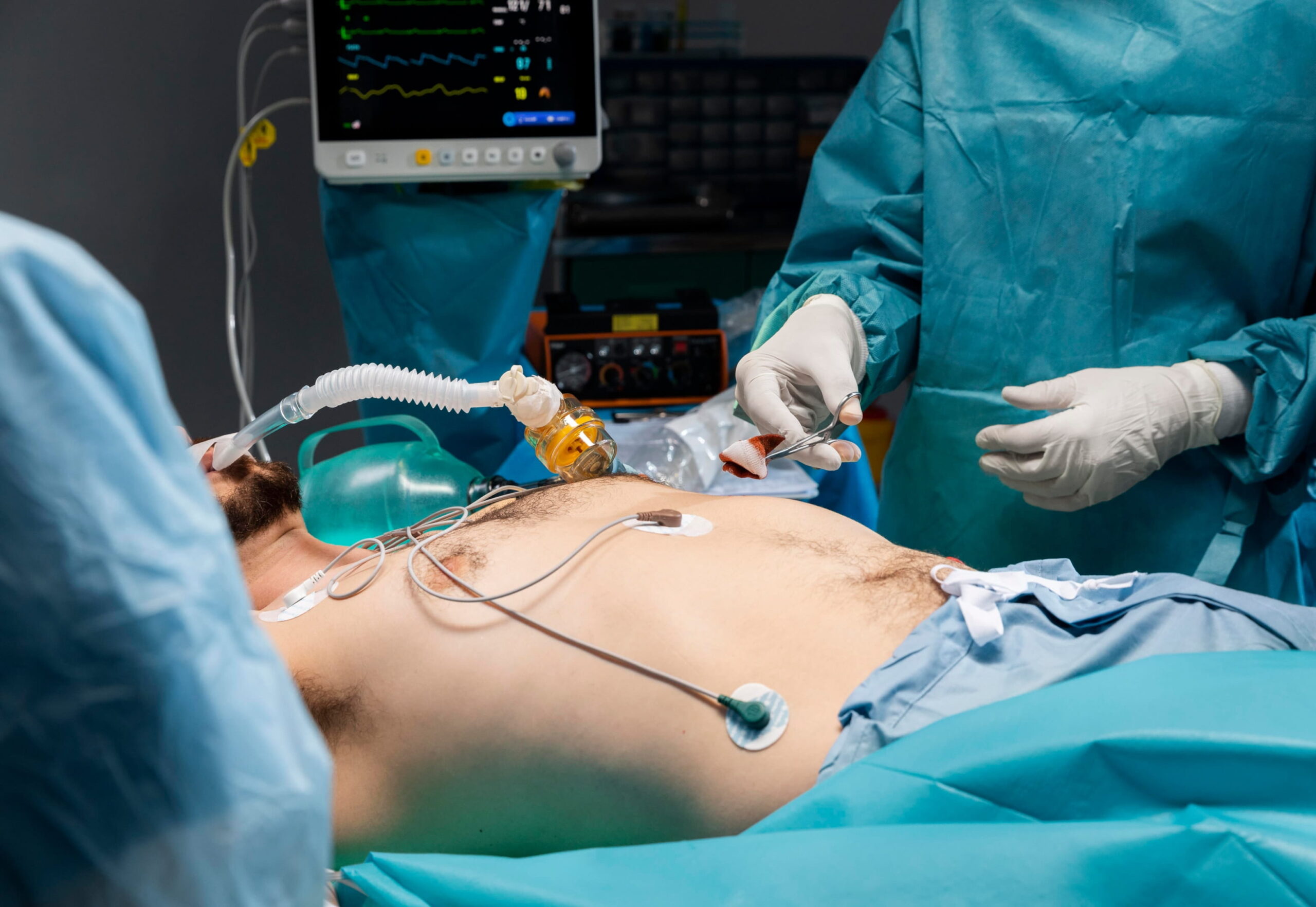
SRM Global Hospitals offers specific paths to fix each version of this condition. Doctors choose the method based on whether the stomach slides or stays trapped. All the treatments focus on fixing the stomach position, as it is the best way to ensure the digestive system works correctly. Specifically in type 4, the only way to move the top of your stomach back beneath your diaphragm is by having surgery.
1. The Medical Management Method (Mainly for Type 1)
Doctors start with this method when the stomach slides but does not get stuck.
- Acid Blocking: Doctors give proton pump inhibitors to stop the cells from making stomach acid. It helps the esophagus lining heal from reflux esophagitis.
- Acid Neutralising: Patients are advised to take more liquid or semi-liquid foods to neutralise stomach acid already in the food pipe. It stops the burning sensation quickly after meals.
- Lifestyle Shifts: You must stop lifting heavy objects and focus on losing weight. A healthy weight takes the pressure off the abdominal organs.
- Positional Therapy: Patients sleep with the head raised to keep stomach contents down using the gravitational-focused approach.
For sliding hernias causing mild acid reflux, doctors recommend dietary changes, positional modifications, and weight management. Surgery may be needed if conservative treatment methods have failed to provide sufficient relief.
2. The Laparoscopic Fundoplication Method (For Types 1, 2, and 3)
Laparoscopic fundoplication is a minimally invasive surgery used to manage severe cases of hiatal Hernia with chronic acid reflux.
- The Reset: The doctor pulls the part of the stomach back down into the abdominal cavity.
- The Wrap: The surgeon takes the top part of the stomach and wraps it around the lower esophagal part.
- The Valve: The wrap of the stomach with the esophagus creates a tight valve that prevents stomach acid from moving up.
3. The Mesh Method (For Types 2, 3, and 4)
The mesh method focuses on fixing the larger hiatal opening in the diaphragm.
- Mesh Placement: A medical-grade mesh is placed over the repair to strengthen the esophageal hiatus. The mesh acts like a net to stop the stomach from moving up again.
- Organ Check: The surgeon looks at the blood flow to ensure no tissue death has occurred in the abdominal organs while deciding the mesh treatment plan to fix the hiatel hernia.
4. The Gastropexy (Tunnel) Method
- The Tunnel: The Tunnel approach avoids having invasive cuts on the essential nerves that help the digestive system work.
- The Fixation: The doctor performs an “Anterior Gastropexy”, in which the stomach is stitched directly to the inner belly wall.
- The Benefit: Clinical data from 2025 shows that gastropexy reduces the recurrence of the Hernia from 21% down to just 6%, as it keeps the stomach in place even if you cough or strain.
Management of the Hiatal Hernia- Lifestyle and Diet
Managing all four types requires making wise daily choices to keep food down and reduce pain. Lifestyle changes may include dietary modifications, exercises and daily habits that strengthen the diaphragm.
Food and Drinking Habits
| What to Do | Why it Helps |
| 1. Eat five small meals instead of three big ones. | Keeping the stomach half-full prevents it from pushing through the diaphragm. |
| 2. Chew every bite until it is soft. | Soft food moves easily through the throat without causing pain or pressure. |
| 3. Pick lean foods like chicken, fish, or boiled lentils. | Light proteins are easy to digest and do not cause heavy acid flow. |
| 4. Include high-fibre plants like leafy greens and carrots. | Fibre keeps your bowels moving so you do not strain in the bathroom. |
| 5. Drink plain water or coconut water. | These liquids soothe the stomach and do not create painful gas bubbles. |
| 6. Avoid hot chillies, onions, and garlic. | Strong spices and raw bulbs burn the food pipe and increase swelling. |
| 7. Stop eating lemons, oranges, and tomatoes. | Sour items make your stomach acid very harsh and cause chest burning. |
| 8. Cut out tea, coffee, and fizzy drinks. | Caffeine and gas force the Hernia to bulge and leak acid upward. |
Daily Life Habits
| Action to Take | How it Protects You |
| 9. Finish dinner three hours before sleep. | Gravity keeps your food down while your body starts to digest it. |
| 10. Raise the head of your bed by six inches. | A slight slope stops stomach juices from flowing into your throat at night. |
| 11. Wear loose-fitting clothes and avoid tight belts. | Reducing pressure on your waist keeps the stomach from being squeezed. |
| 12. Sit or stand straight after every meal. | Staying upright helps food move naturally into the lower gut. |
| 13. Walk for ten minutes after eating. | Gentle movement helps your stomach empty faster without causing reflux. |
| 14. Lift heavy objects using your legs, not your back. | It prevents sudden pressure that can make the Hernia larger. |
| 15. Lose extra body weight through steady habits. | Carrying less mass reduces the constant load on your internal muscles. |
| 16. Stop smoking tobacco immediately. | Smoking weakens the valve that acts as a gate for your stomach acid. |
Hernias worsen when treatment gets delayed!
Whether it is a small or larger hiatal hernia, ranging from manageable acid reflux (GERD) to serious medical emergencies, understanding the specific type, from standard Type 1 Sliding Hernia or a more complex Type 4 Paraesophageal Hernia, is the first step toward effective management. The advanced diagnosis with evidence-based medications to the minimal invasive surgical options are the key to preventing severe complications such as esophagitis, tissue ischemia, or organ failure.
It's Expert Gut care - then SRM Global Hospitals is there on the lead!
Advanced clinical expertise and structured patient support allow even complex hernias to be managed. Treatment works to make you return to daily life without ongoing pain or digestive discomfort. Hiatal hernia symptoms that raise concern need timely review by a qualified doctor.
Contact SRM Global Hospitals today to schedule a comprehensive evaluation and discuss a personalised treatment plan that fits you.
FAQs on Hiatel Hernia
1. Why does a hiatal hernia cause chest or upper abdomen pain?
Hiatal hernia pain starts when part of the stomach moves into the chest and triggers acid flow. Persistent pain needs medical review to rule out gastroesophageal reflux disease or tissue damage.
2. Can a hiatal hernia trigger heartburn even after neutralising stomach acid?
Heartburn can continue when the stomach stays above the muscle (Hiatus/diaphragm opening) that separates the chest and abdomen. Acid reflux could be controlled to reduce the symptoms and effects, but the diaphragm opening should be structurally corrected through surgery in some types of hiatal Hernia.
3. Do paraesophageal hiatal hernias cause the same symptoms as sliding hernias?
Paraesophageal hiatal hernias may cause severe pain, breath trouble, or food blockage, which could resemble the larger sliding hernias, but the serious complications of Paraesophageal hiatal hernias could pose a higher risk of organ trapping or constrictions.
4. When do doctors advise hiatal hernia surgery?
Surgery is advised when possible complications or organ-level compressions happen despite a medicinal approach, such as PPIs. Laparoscopic surgeries or gastropexy are minimally invasive procedures that place the stomach back and secure the opening of the diaphragm.
5. Can chronic straining worsen a hiatal hernia over time?
Chronic straining raises pressure in the upper abdomen and enlarges the Hernia. Food habits and lifestyle changes with medical guidance help slow progression and reduce symptoms.
