


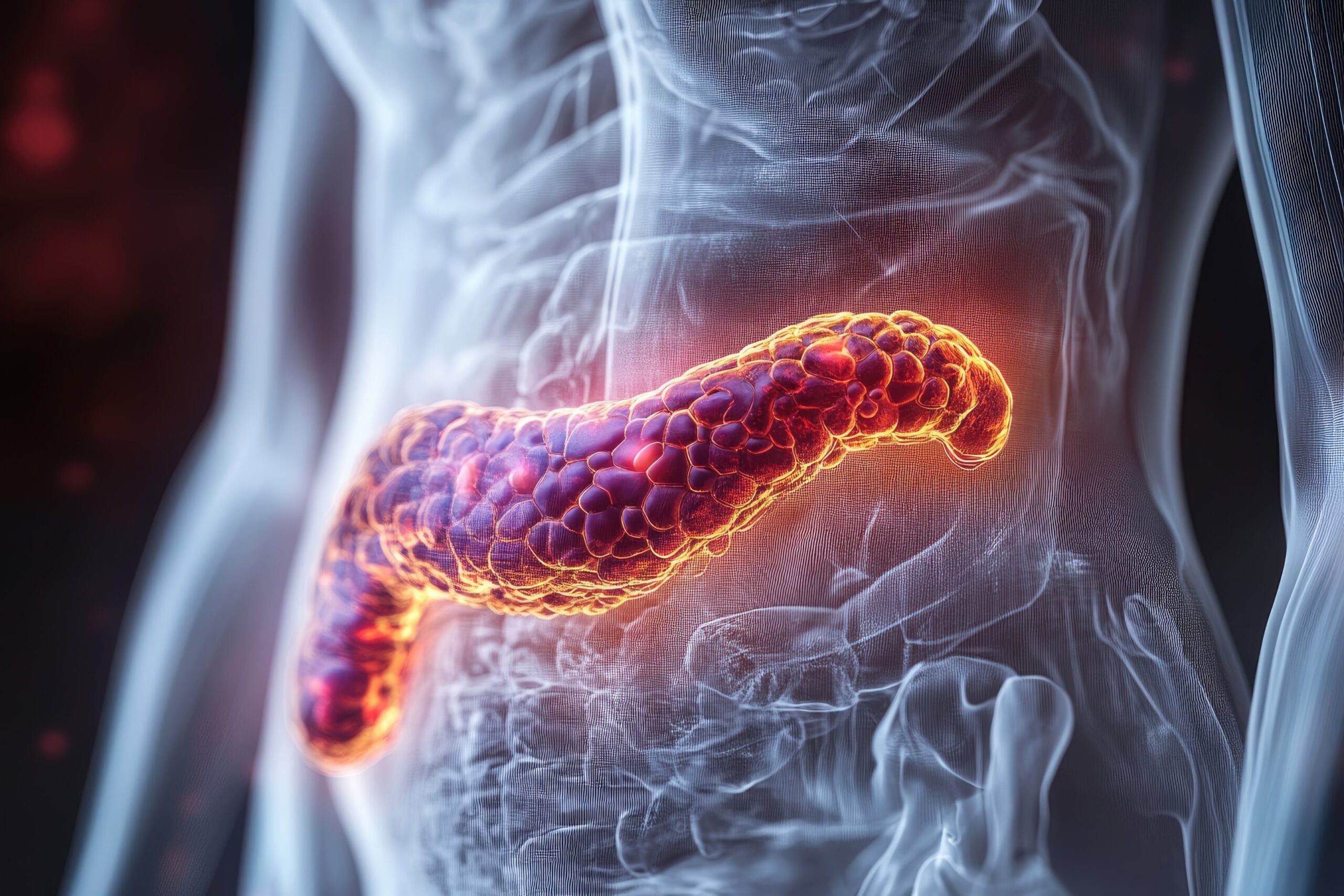
Helicobacter pylori Infection- Symptoms, Diagnosis, and Treatment
If you’ve ever had a painful, upset stomach or frequent stomach pain, the cause might be the invaders, bacteria. We are talking about Helicobacter pylori, a ubiquitous bacterium that can live in the digestive tract, which is a risk factor for several digestive system problems, including stomach ulcers and gastric cancer. Approximately half of the world’s population carries this pylori infection without knowing it.
What is Helicobacter pylori Infection?
The Helicobacter pylori attacks the protective layer that guards your stomach from strong digestive stomach acid, such as hydrochloric acid. When the bacteria damage the stomach’s protective lining, the digestive acids can reach beneath the tissue, causing chronic inflammation and leading to problems like peptic ulcers or even stomach cancer. The damage can progress to atrophic gastritis, which is a long-term thinning of the stomach lining.
The peptic ulcer disease could affect approximately 20 million Indians at some point in their lives, and H. pylori is often the cause. In a highly populous, developing country like India, poor living conditions and inadequate sanitation increase the risk. Pylori infection typically persists for years if left untreated, so many patients seek evaluation and care at trusted centres like SRM Global Hospitals to manage these risks.
Recognising Helicobacter pylori Symptoms
Other symptoms of a long-term H. pylori infection
- Bloating, burping- Feeling full quickly after starting to eat food
- Weight loss- Losing weight without trying
- Trouble swallowing- Feeling like food gets stuck
- Nausea or an upset stomach
If the peptic ulcers worsen, you might see signs of bleeding as black, sticky stools or bloody vomit that looks like coffee grounds.
Understanding how H. pylori is Contagious
Major Risk factors for H. pylori infection
- Poor sanitation in crowded areas.
- Drinking or eating contaminated food and water that is not cooked safely.
- Living close to someone who has the Infection.
Diagnosing H. pylori Infection
Non-invasive tests for H. pylori infection :
Stool antigen test
This test looks for pylori antigens (proteins) tied to the bacteria in your stool. Many studies show this test has an accuracy of over 95% in detecting active Infection.
Urea breath test (breath test)
Minimal Invasive Test for H. pylori Infection :
Endoscopy
In some cases, a doctor might advise an upper gastrointestinal endoscopy as it is vital for patients with severe symptoms. Endoscopy and biopsy analysis at specialised centres such as the GI labs at SRM Global Hospitals can provide definitive information when non-invasive tests are inconclusive. During this, a small tube is passed down the throat to examine the stomach lining and the upper digestive tract. A tissue sample to test (biopsy) for the PCR (polymerase chain reaction) method or a rapid urease test.
How to treat Helicobacter pylori effectively
Triple Therapy for H.pylori Infection
- Antibiotics: Amoxicillin and clarithromycin usually kill the bacteria.
- Proton Pump Inhibitors (PPIs): PPIs, such as omeprazole, lansoprazole, or esomeprazole, reduce stomach acid secretion, which can help heal and improve the effectiveness of antibiotics.
It is absolutely crucial to complete the entire course of medication exactly as prescribed, even if symptoms improve sooner. If the first treatment does not eradicate the Infection, a second round with different antibiotics may be required. The success rate of eradicating H. pylori with the first round of triple therapy is typically 60%-90%.
Helicobacter pylori (H. pylori) is a common stomach bacterium that can cause ulcers, stomach pain, and even cancer. It spreads through saliva or contaminated food and water, and many people have it without symptoms. Treating stomach infections like pylori often needs a careful, multi-speciality approach. Centres that combine diagnostic accuracy with practical treatment plans, such as SRM Global Hospitals, offer coordinated care to improve outcomes.
At SRM Global Hospitals, our expert team uses reliable tests and provides personalised treatment with antibiotics and acid-reducing medicine.
Take control of your health and contact us today to schedule a consultation.
