



Expert Diabetic Foot Care to Keep You Moving
SRM Global Hospitals, a leading multispecialty hospital in Chennai, offers specialised services through its Podiatric Care & Diabetic Foot Clinic, dedicated exclusively to the prevention, diagnosis, and management of diabetes-related foot conditions. The clinic delivers structured diabetic foot care by integrating advanced wound management, offloading techniques, vascular interventions, comprehensive foot examinations, and patient education.
A multidisciplinary team comprising podiatrists, foot and ankle surgeons, vascular surgeons, endocrinologists, and wound care nurses works collaboratively to ensure limb preservation, maintain functional mobility, and achieve improved patient outcomes.
How Diabetes-Related Foot Conditions Occur?

Diabetes-related foot conditions develop due to multiple interconnected factors:
- Uncontrolled blood sugar and high blood pressure: Increase damage to blood vessels and nerves, delaying healing.
- Peripheral neuropathy and loss of sensation: Reduce protective sensation in the feet, allowing injuries to go unnoticed.
- Peripheral vascular disease and impaired circulation: Limit blood flow, slow wound healing, and increase infection risk.
- History of cracked skin, ingrown nails, or previous ulcers: Create entry points for infection and increase the likelihood of recurrence.
- Structural foot deformities and restricted joint movement: Cause pressure points and abnormal weight distribution, leading to ulcer formation.
- Inappropriate footwear or walking barefoot: Increases exposure to injury, friction, and pressure on sensitive areas.
- Comorbidities such as kidney or digestive disorders: Delay recovery and reduce overall immunity.
- Smoking with severe blood flow restriction: Slows healing of foot injuries and worsens circulation.
Comprehensive Foot Assessment

The Podiatric Care & Diabetic Foot Clinic at SRM Global Hospitals provides structured evaluations to detect early signs of diabetic foot disease:
- Neurological testing using monofilaments to detect early nerve damage.
- Vascular assessments, including ankle-brachial index and Doppler studies
- Detailed skin and nail inspection, including assessment of cracked skin, wounds, and nail care
- Measurement of feet for accurate fitting of protective footwear and offloading devices
- Pressure mapping and mobility evaluation to identify high-risk pressure zones
Podiatrists, foot and ankle surgeons, vascular surgeons, and wound care nurses collaborate for continuous monitoring and early intervention, significantly reducing the risk of advanced diabetic foot complications.
Preventive Foot Care Practices
Prevention at the Podiatric Care & Diabetic Foot Clinic combines medical supervision with daily self-care:
- Daily inspection of feet for cuts, blisters, cracked skin, or temperature changes
- Regular moisturising while avoiding areas between the toes
- Keeping feet warm and wearing appropriate socks
- Wearing protective footwear both indoors and outdoors
- Trimming toenails straight to prevent ingrown nails
- Avoiding walking barefoot
- Monitoring early signs of pressure, redness, or inflammation
Patient education is a core component of the clinic, empowering individuals with diabetes to identify early warning signs and seek timely medical care.
Advanced Wound Management
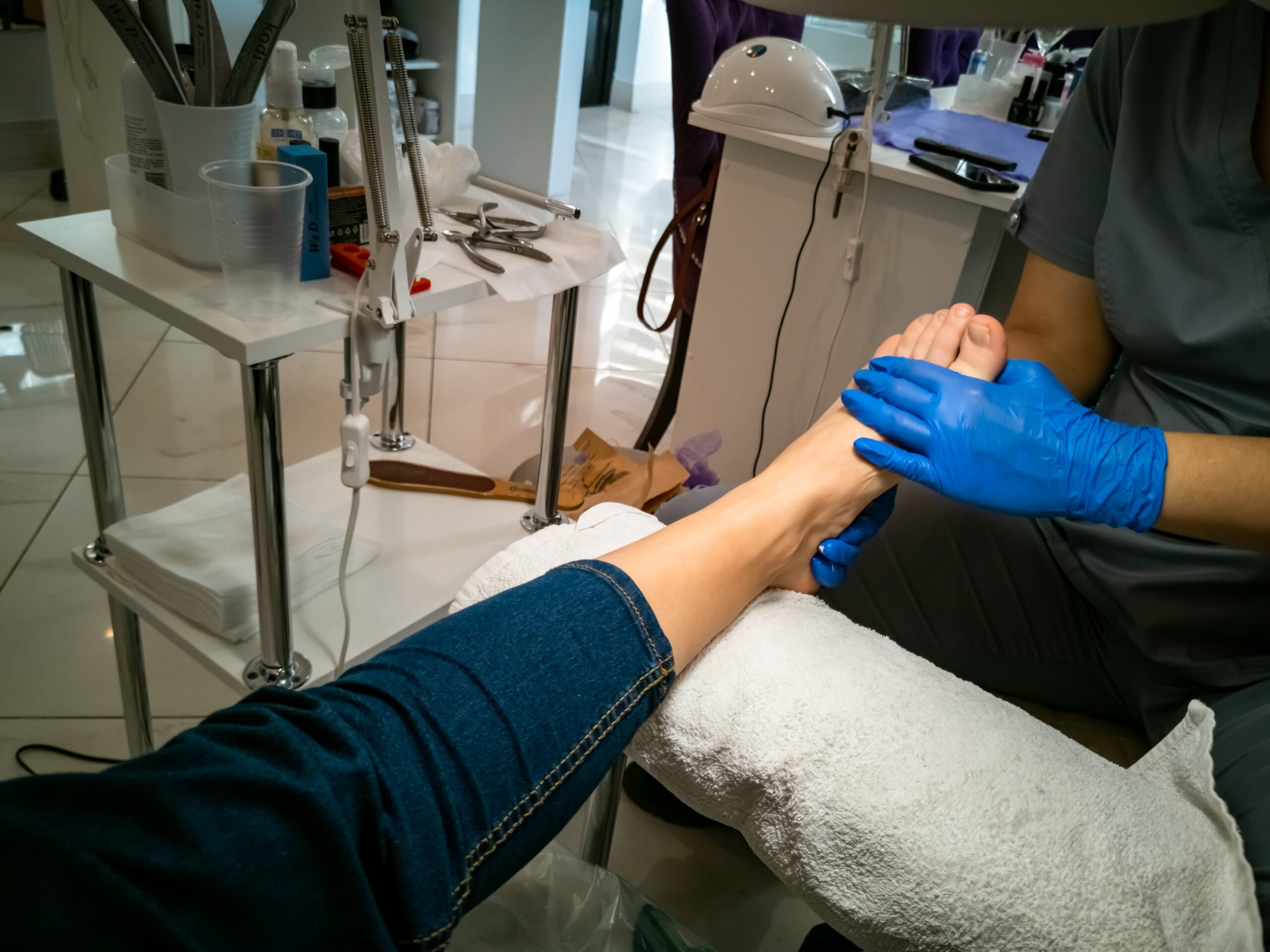
The clinic follows evidence-based protocols for managing diabetic foot ulcers, focusing on infection control, circulation, and tissue repair:
- Advanced wound dressings to maintain a moist healing environment
- Bioengineered skin substitutes to promote tissue regeneration
- Growth factor therapies to accelerate wound healing
- Offloading devices, including total contact casts and personalised footwear, to redistribute pressure away from ulcer sites
Continuous supervision by wound care nurses and podiatric specialists ensures optimal healing and reduces the risk of lower-extremity amputation.
Technological Advancements in Diabetic Foot Care

The Podiatric Care & Diabetic Foot Clinic integrates modern technology to enhance patient outcomes:
- Online consultation platforms for remote monitoring and follow-up of high-risk patients
- Wearable devices for continuous tracking of foot health and early ulcer detection
- Advanced vascular imaging to assess blood flow and identify peripheral vascular disease
These innovations support early diagnosis, patient engagement, and structured long-term management.
Multidisciplinary Approach
Managing complex diabetic foot conditions requires coordinated care acrspecialitiesties:
- Physicians and endocrinologists manage blood sugar, blood pressure, and metabolic control
- Vascular surgeons restore blood flow and address vascular disease
- Podiatrists and foot and ankle surgeons treat deformities, ulcers, and foot infections
- Wound care specialists deliver advanced wound therapies
- Physiotherapists improve mobility and optimise offloading strategies
- Patient educators reinforce daily foot care, appropriate footwear use, and preventive habits
This integrated approach ensures comprehensive care, early intervention, and better long-term outcomes.
Managing Severe Complications
If left untreated, diabetic foot ulcers may progress to gangrene, Charcot foot, or tissue necrosis. The Podiatric Care & Diabetic Foot Clinic addresses severe cases through:
- Surgical debridement of infected or non-viable tissue
- Vascular surgical procedures to restore circulation
- Targeted antimicrobial therapy for foot infections
- Rehabilitation programmes to restore function and prevent recurrence
Timely intervention significantly lowers the risk of limb loss and improves recovery.
Healing and Recovery

Structured follow-up at the clinic supports sustained recovery:
- Continuous monitoring of wounds for delayed healing or infection
- Long-term use of offloading devices and personalised footwear
- Strict control of blood sugar and blood pressure
- Education on daily foot inspection, footwear use, and preventive strategies
This approach promotes healing, prevents recurrence, and supports long-term foot health.
When to Seek Medical Evaluation?
Immediate consultation at the Podiatric Care & Diabetic Foot Clinic is advised if any of the following occur:
- Cuts, blisters, cracked skin, or sores that do not heal
- Redness, swelling, warmth, or discharge indicating infection
- Numbness, tingling, or loss of protective sensation
- Structural changes, deformities, or pressure abnormalities in the foot
Early evaluation enables prompt treatment and prevents serious complications.
