


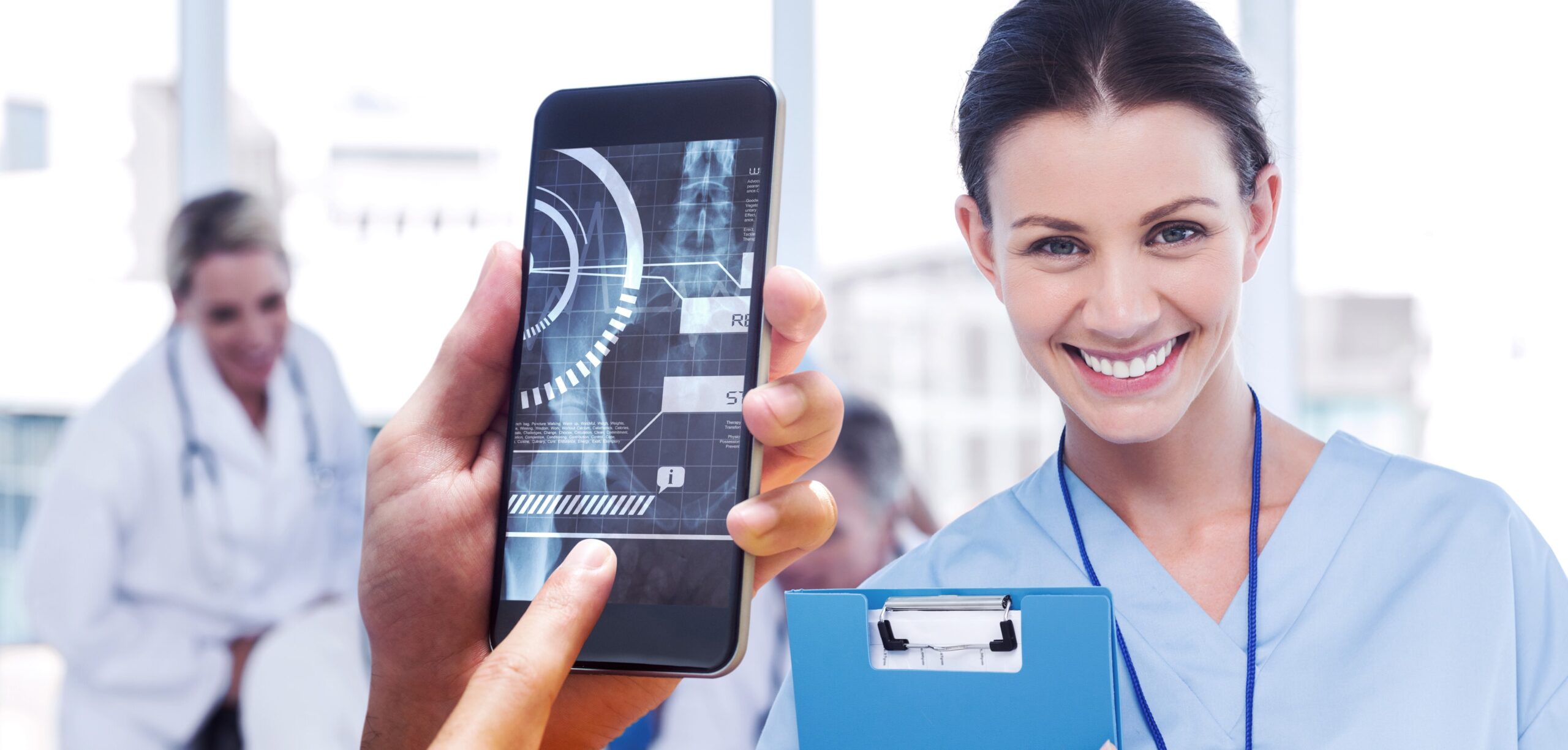
Empowering Independence Advanced Assistive Device Technology
SRM Global Hospitals in Chennai provides clinically guided assistive device technology services, including device selection, fitting, training, and follow-up through structured rehabilitation programs. Assistive Technology (AT) is an umbrella term encompassing assistive products, medical devices, electronic devices, software, and equipment. These tools help people with disabilities perform daily tasks, improve functional capabilities, support self-care, and maintain overall well-being.
AT enhances independence, access to the digital world, and daily living through both low-tech and high-tech solutions, personalised to individual needs and functional goals.
Global Needs for Assistive Technology
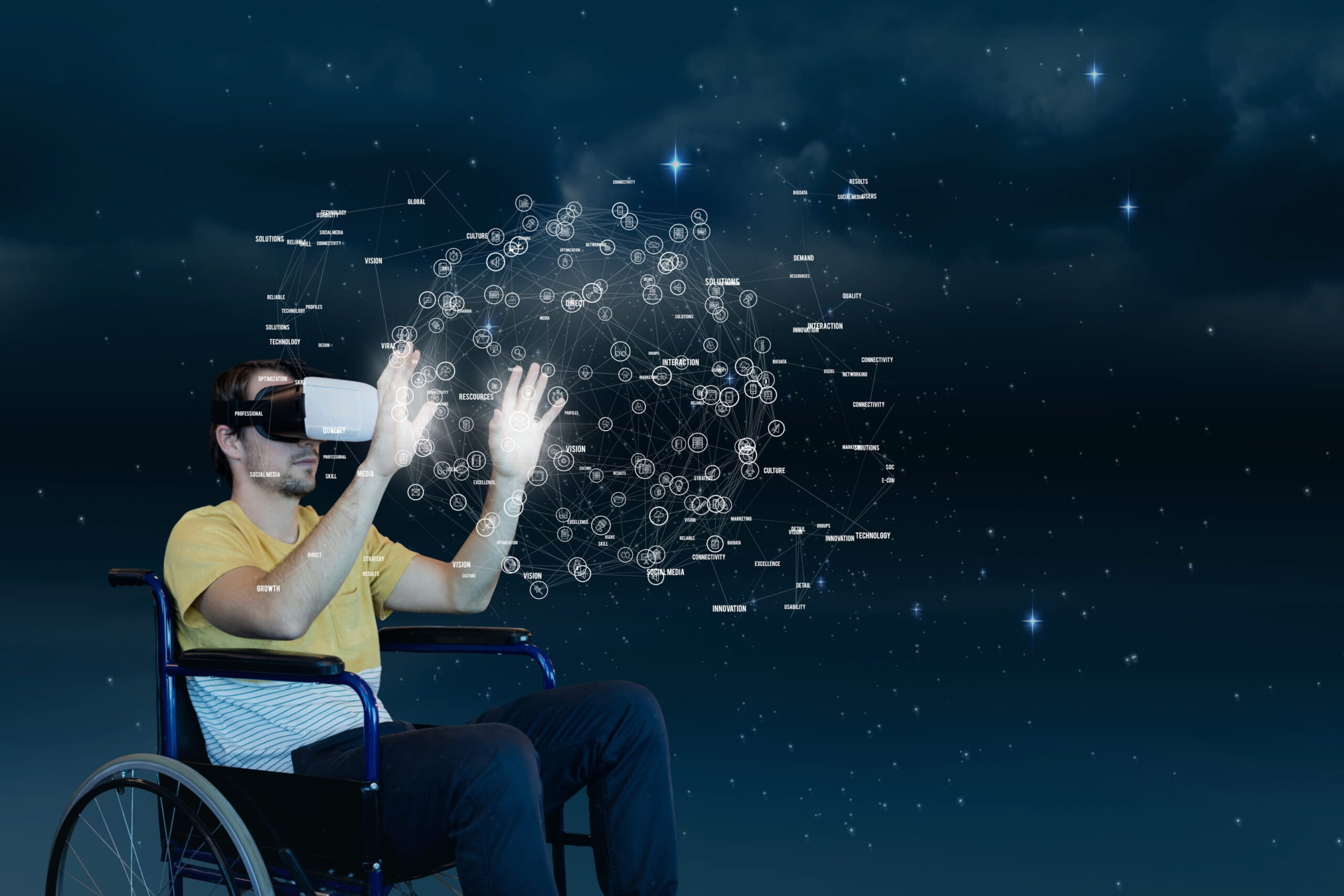
The World Health Organisation (WHO) estimates that 2.5 billion people worldwide currently use assistive Technology, a number expected to rise to 3.5 billion by 2050. Timely access to these products significantly improves quality of life by enhancing independence, enabling daily activities, and improving access to essential services.
At SRM Global Hospitals, assistive technology devices are selected on a case-by-case basis and integrated into physician-led rehabilitation programs. This approach supports daily living, reduces caregiver burden, improves return to work or school, and enhances overall well-being.
Clinical Integration and Oversight
Mobility, Seating, and Positioning Devices
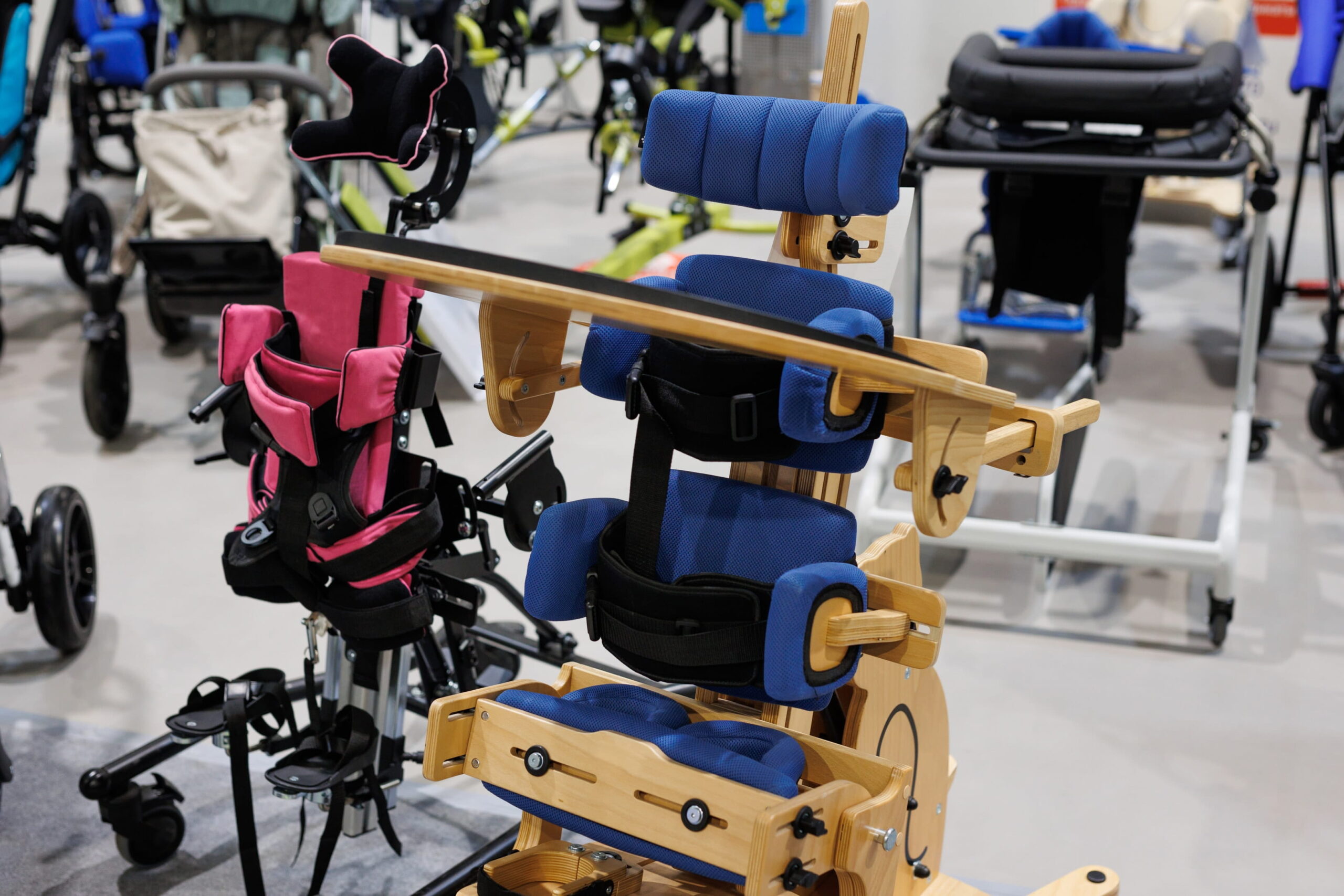
Specialists perform detailed assessments to select mobility and positioning devices that optimise comfort, posture, pressure management, and movement. These services are essential for wheelchair users, people with mobility limitations, cerebral palsy, spinal cord injury, and other neurological or orthopaedic conditions. Proper seating and postural support prevent pressure injuries, pain, and long-term posture problems while enhancing participation in daily activities.
Services include:
- Manual and powered wheelchairs: Support safe and independent mobility based on individual strength and needs.
- Advanced powered mobility devices: Use a joystick, head, or alternative controls for individuals with severe physical disabilities.
- Tilt-in-space and recline wheelchairs: Enable position changes to reduce pressure and improve comfort.
- Pediatric adaptive mobility and special seating: Support posture, safety, and growth in children with mobility challenges.
- Walking aids, rollators, gait trainers, and grab bars: Support balance, walking, and safe movement.
- Standing frames and supported standing systems: Promote bone health, circulation, and pressure management.
- Pressure-relieving cushions and postural components: Reduce skin pressure and improve sitting posture.
- Orthotic devices: Support joints, improve alignment, and increase stability.
- Transfer and mobility support equipment: Assist safe transfers between bed, chair, and bathroom to reduce fall risk and caregiver strain.
Neurological and High-Tech Rehabilitation Technologies
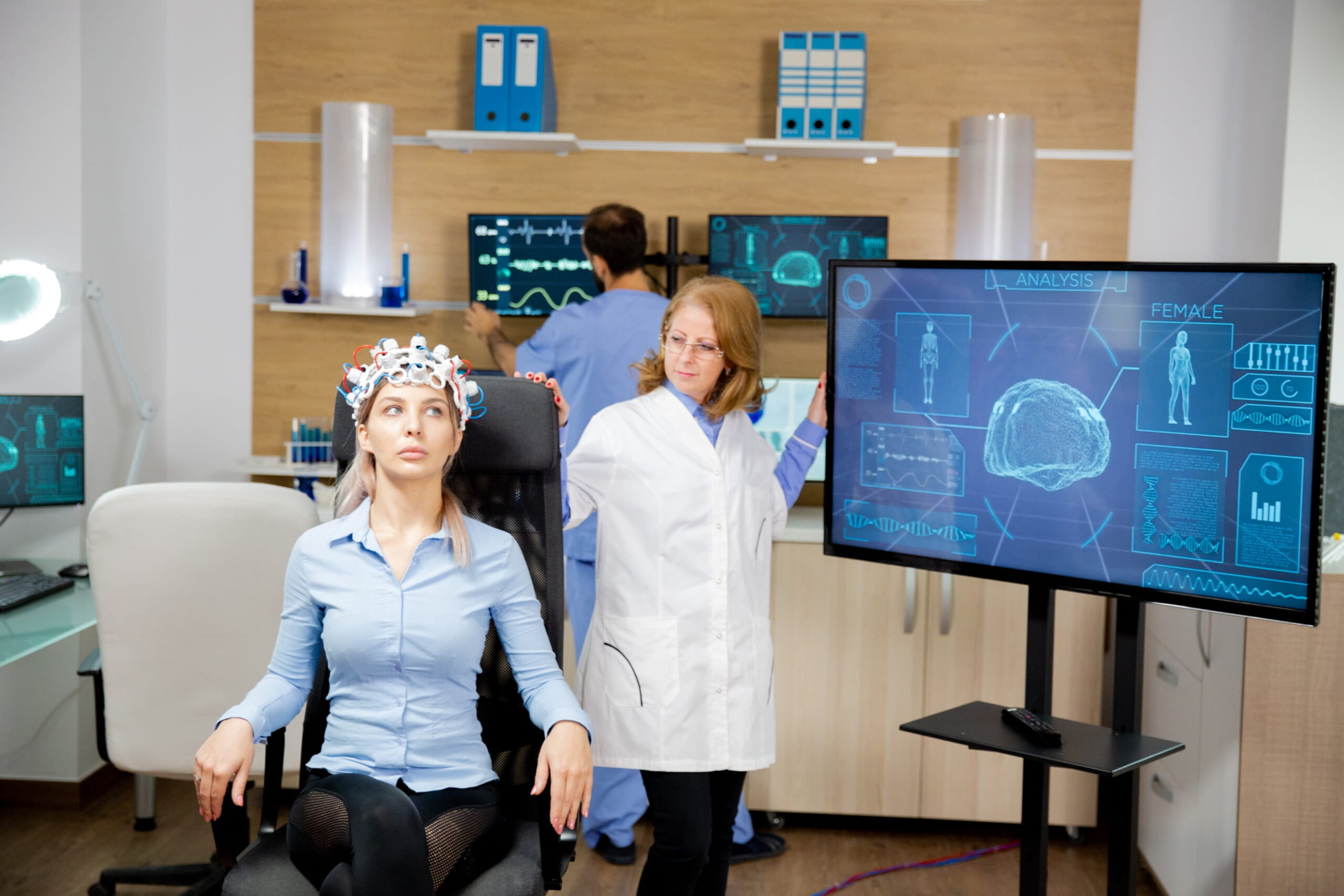
Technology-supported rehabilitation includes:
- Wearable exoskeletons: Assist standing and walking using powered support.
- Robotic-assisted gait training: Retrains walking patterns after neurological injury.
- Body-weight supported treadmill therapy: Supports partial body weight during walking practice to improve strength and balance.
- Functional electrical stimulation (FES): Activates weak muscles using mild electrical signals.
- Upper-limb robotic therapy: Facilitates recovery of arm and hand function.
- Computer-based balance and coordination systems: Improve posture, balance, and coordination.
- Digital therapy systems: Provide task-based training with real-time feedback for functional recovery.
Communication, Speech, and Cognitive Assistive Devices
Speech and rehabilitation teams support individuals with speech, communication, and cognitive challenges using assistive Technology and digital tools.
Clinical features include:
- Speech-generating devices: Enable communication using digital voice output.
- Communication boards and visual tools: Use pictures, symbols, or text to support communication.
- Adaptive tablets with educational software: Support learning, therapy, and communication.
- Voice recognition software: Enables hands-free typing and device control.
- Smart home technology: Supports control of lights, appliances, and devices using voice commands.
- Memory aids and attention-support apps: Support task reminders and focus.
- Cognitive training platforms: Improve memory, attention, and problem-solving skills.
Sensory Access and Digital Accessibility
To support individuals with visual or hearing impairments, SRM Global Hospitals provides solutions for digital accessibility and sensory access.
Available solutions include:
- Screen readers: Convert digital text into audio for visually impaired users.
- Screen magnifiers: Enlarge on-screen content for low vision users.
- Braille displays: Convert digital text into refreshable Braille.
- Hearing aids coordination and amplified telephones: Improve hearing and phone communication.
- Alternative and adaptive keyboards: Facilitate typing for individuals with limited hand movement.
- Trackballs and alternative input devices: Enable easier computer control.
- Ergonomic workstation assessments: Optimise workspaces to reduce strain and support safe computer use.
These solutions enhance access to digital content, online learning, and workplace technology, promoting universal access and equality.
Smart Hospital AI Monitoring for Rehabilitation Safety
SRM Global Hospitals leverages artificial intelligence and intelligent monitoring systems to enhance patient safety and rehabilitation outcomes.
Digital solutions include:
- Contactless vital sign monitoring: Tracks vital signs without physical contact.
- Continuous heart rate, breathing, and oxygen monitoring: Enables real-time clinical observation during rehabilitation.
- Early warning systems: Detect health changes early to allow faster medical response.
Why Choose SRM Global Hospitals?
SRM Global Hospitals offers a patient-centred approach: every assistive device and rehabilitation plan is tailored to the individual’s needs, goals, and lifestyle.
Key advantages:
- Expert Care: Multidisciplinary teams ensure safe, effective, and comprehensive support.
- Advanced Technology: Innovative solutions enhance independence and recovery.
- Safety and Monitoring: AI-assisted monitoring ensures timely interventions and optimal outcomes.
- Holistic Support: Focus on physical, cognitive, emotional, and social well-being empowers patients.
- Integrated Rehabilitation: Seamless coordination from assessment to device training and follow-up ensures maximum functional improvement.
