

Empower Your Neurological Rehabilitation Journey
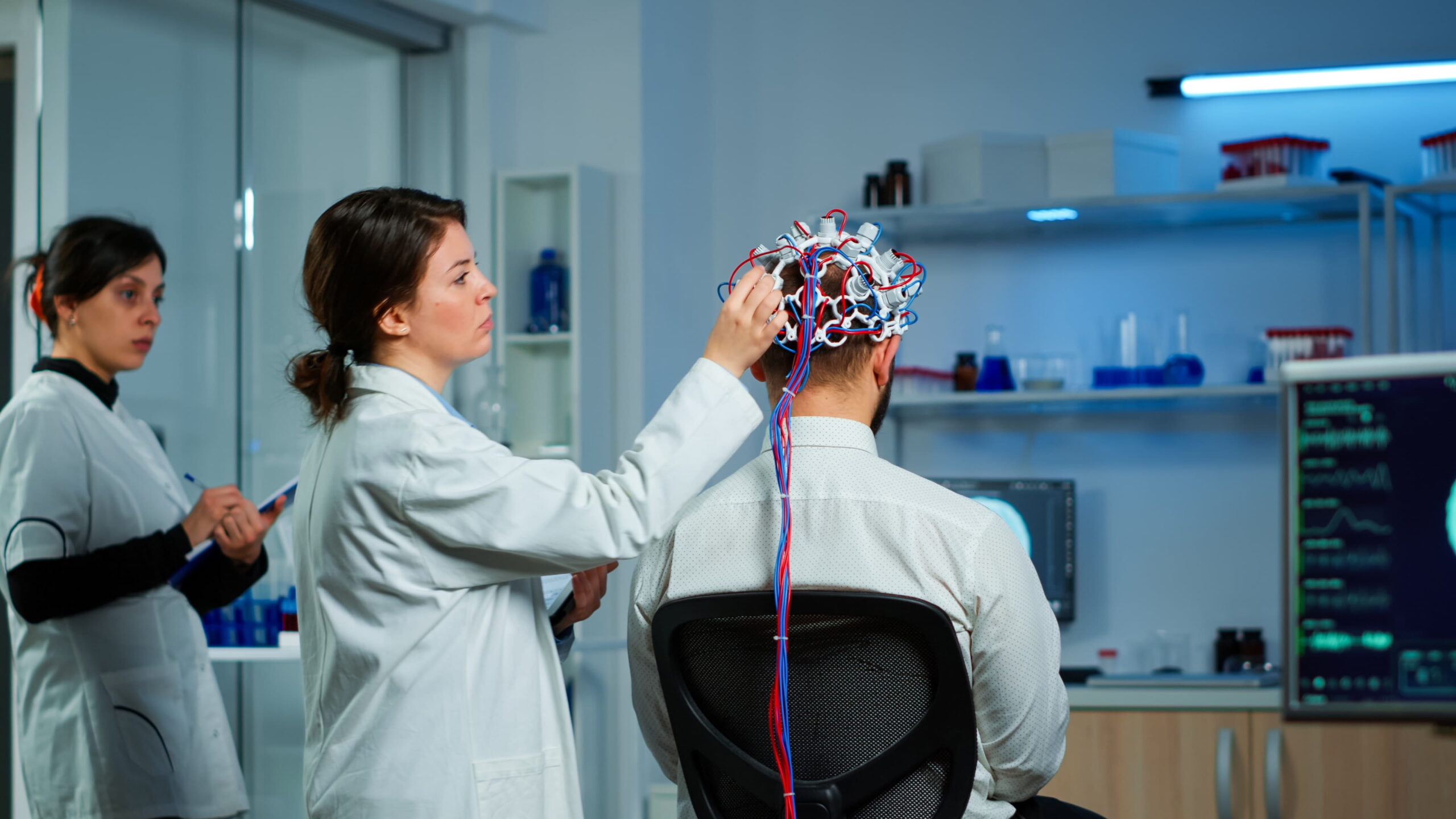
SRM Global Hospitals, a superspeciality hospital in Chennai, Tamil Nadu, provides advanced neurological rehabilitation for individuals affected by injuries, diseases, or disorders of the nervous system. Our Neuro Rehabilitation Centre integrates state-of-the-art tools, expert therapists, and multidisciplinary programs designed to improve the quality of life.
Who Can Benefit from Neurological Rehabilitation?
Neurological rehabilitation focuses on restoring movement, cognitive function, and daily living skills by improving the nervous system’s ability to reorganise and adapt. The primary goal of a neurorehabilitation program is to reduce symptoms, enhance muscle control, and improve independence in daily activities affected by conditions of the brain, spinal cord, and peripheral nerves.
Conditions Managed
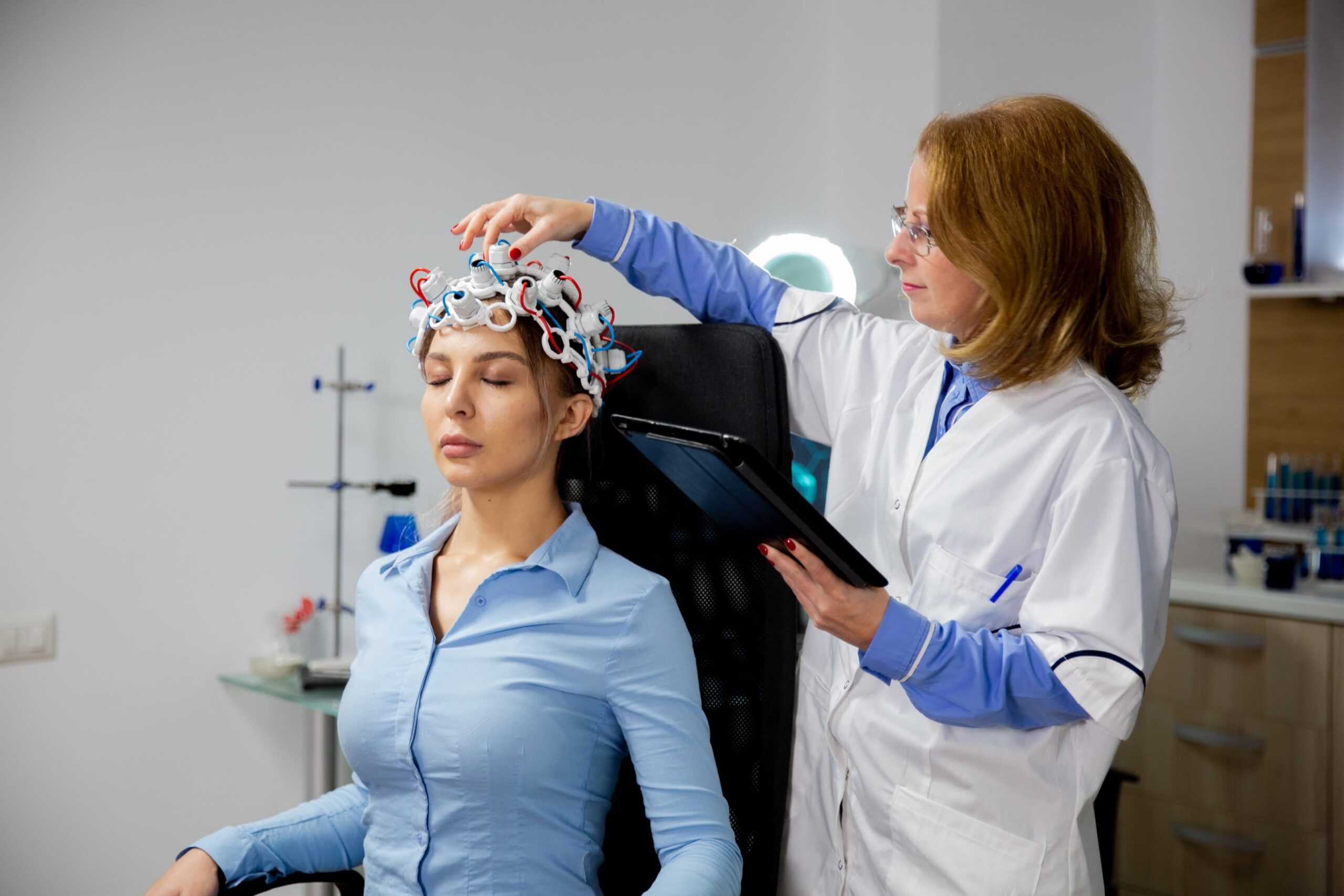
SRM Neuro Rehabilitation Centre manages a wide range of neurological conditions:
- Stroke and Transient Ischemic Attacks (TIA): Recovery focuses on regaining independence, improving movement, and cognitive rehabilitation.
- Traumatic brain injury and head trauma: Programs emphasise cognitive function, coordination, and daily living skills.
- Spinal cord injury: Patients participate in exercise programs, respiratory therapy, and bowel and bladder retraining.
- Parkinson’s disease and Multiple Sclerosis: Therapy improves muscle control, mobility, and neurological function.
- Amyotrophic Lateral Sclerosis (ALS) and Guillain-Barré Syndrome: Programs aim to reduce debilitating symptoms and enhance quality of life.
- Alzheimer’s disease and Dementia: Cognitive and behavioural interventions maintain brain function and independence.
- Peripheral neuropathy and Neuromuscular Disorders: Exercise and physical therapy decrease weakness and restore range of motion.
- Brain tumours and neuro-infections: Rehabilitation supports recovery after tumour removal surgery or infection.
Core Tools and Techniques
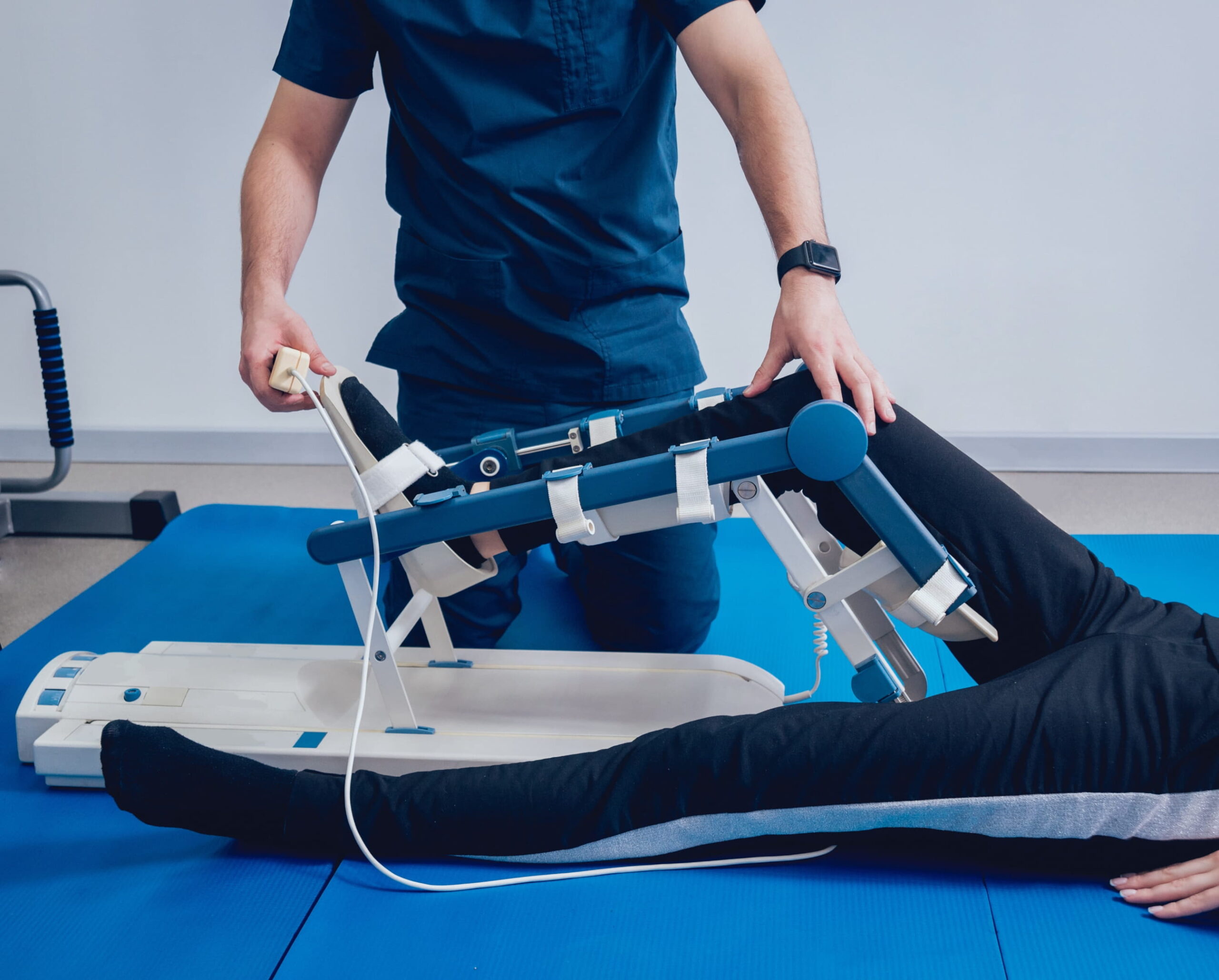
SRM Global Hospitals employs advanced equipment and innovative therapies to maximise recovery.
- Non-Invasive Brain Stimulation (NIBS): Techniques like Transcranial Magnetic Stimulation (TMS) increase brain excitability and enhance physical therapy outcomes.
- Task-Specific Training: Repetitive practice of functional activities rewires neural connections to improve movement.
- Gait and Mobility Training: Programs using Body-Weight-Supported Treadmill Training (BWSTT) and ankle-foot orthotics support intensive walking practice.
- Mirror Therapy: Utilises reflections of an unaffected limb to stimulate movement perception in the affected limb.
- Constraint-Induced Movement Therapy (CIMT): Encourages use of the affected limb while restraining the unaffected one.
- Functional Electrical Stimulation (FES): Electrical signals trigger contractions in paralysed muscles, improving muscle control and movement.
Services Offered
SRM Global Hospitals provides comprehensive neurological rehabilitation services personalised to each patient. Services include:
- Neuro Physiotherapy: Focuses on restoring movement, improving balance, and maintaining muscle strength.
- Exercise Therapy: Programs to improve mobility, balance, strength, and coordination.
- Occupational Therapy: Supports daily living skills, basic housekeeping, and independence with activities using assistive devices.
- Speech Therapy: Addresses challenges in speaking, swallowing, reading, and writing.
- Cognitive and Behavioural Therapy: Enhances cognitive abilities, social and behavioural skills, and emotional well-being.
- Pain Management: Techniques and therapy sessions reduce pain and improve function.
- Respiratory Therapy: Supports breathing in patients with spinal cord injury or neuromuscular disorders.
- Nutritional Counselling: Supports recovery and overall health during rehabilitation.
- Mental Health Counselling and Support Groups: Provides guidance, stress management, and community support activities.
- Tele-rehabilitation: Video consultations and home monitoring apps increase accessibility for patients in remote areas.
Expertise of SRM Global Hospital's Neuro-Rehabilitation Centre
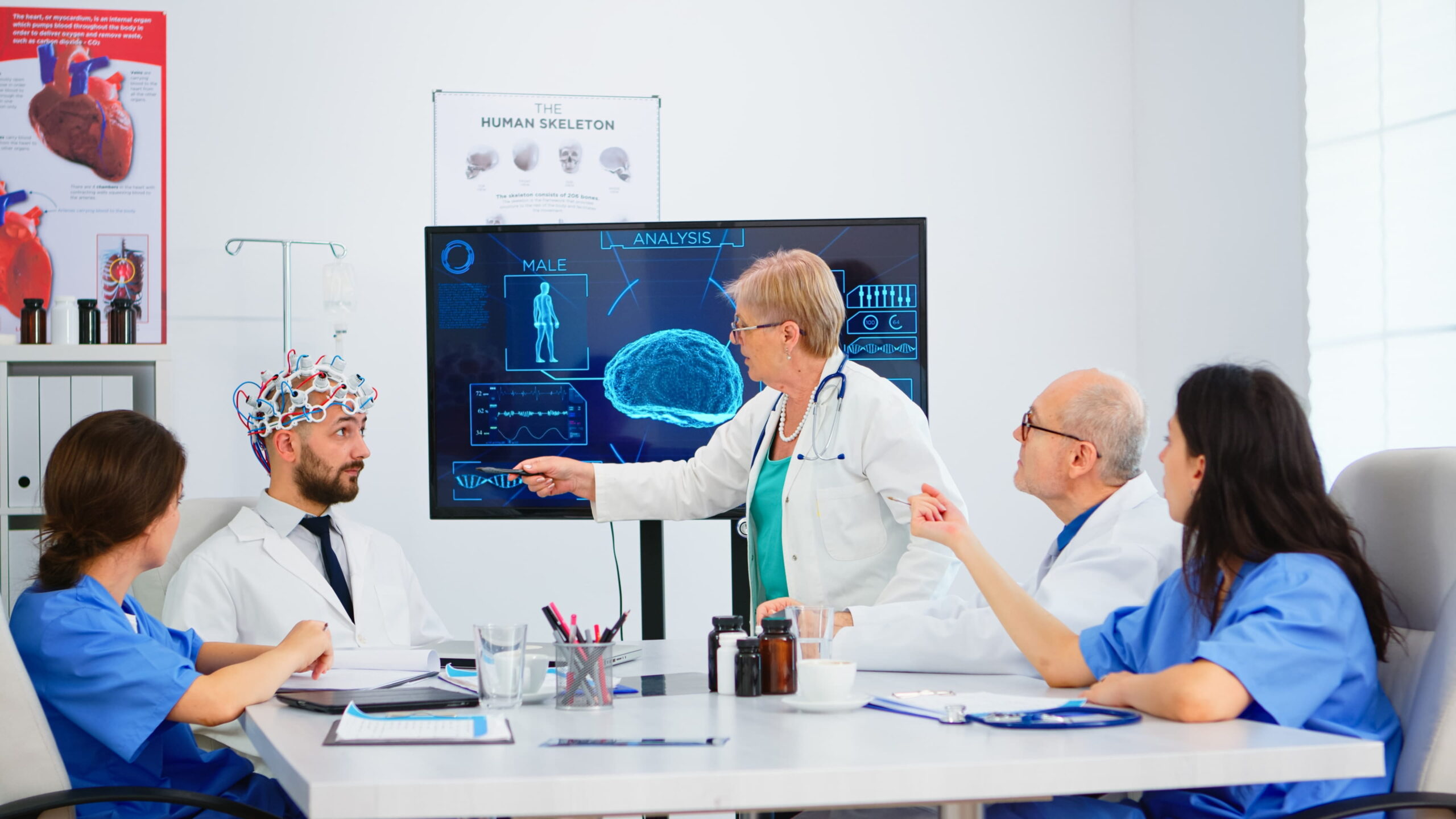
A multidisciplinary team at SRM Global Hospitals ensures high-quality care. The team includes:
- Neurologists: Specialising in neurodegenerative disorders and nervous system injuries.
- Rehabilitation Physicians: Guide rehabilitation strategies for functional recovery.
- Physiotherapists: Focus on movement, balance, exercise programs, and restoring strength.
- Occupational Therapists: Improve daily activities and independence.
- Speech Therapists: Assist with language therapy, swallowing, and cognitive communication.
- Clinical Psychologists: Provide counselling for depression management and emotional support.
- Nursing and Support Staff: Trained in assistive devices, safety measures, and patient monitoring.
Why Choose SRM Global Hospitals?
SRM Global Hospitals in Chennai offers a comprehensive Neuro Rehabilitation Centre with world-class facilities and expert medical professionals. The hospital integrates advanced equipment, evidence-based therapies, and a patient-focused approach to provide the highest standard of neurological care.
- A multidisciplinary team ensures coordinated care.
- Cutting-edge technologies for movement and cognitive rehabilitation.
- Programs are designed for both short-term recovery and long-term maintenance.
- Support for patients with a wide range of neurological conditions.
- Emphasis on independence, safety, and quality of life.
FAQs on Neurological Rehabilitation
1. What is the role of occupational therapy in neurological rehabilitation?
Occupational therapy helps patients regain independence in daily activities by improving motor skills, coordination, and cognitive function. Therapists design exercises that enhance quality of life while addressing neurological disorders.
2. How does neuro-physiotherapy aid patients with brain injuries or stroke?
Neuro-physiotherapy focuses on retraining the brain and muscles to restore movement. Personalised exercises from the physiotherapy helps to form new neural connections and improve strength, balance, and functional mobility.
3. Can neurological rehabilitation programs help conditions like Parkinson's disease or multiple sclerosis?
Yes, neurological rehabilitation programs provide targeted interventions for Parkinson’s disease, multiple sclerosis, and neuromuscular disorders, relieving symptoms and maintaining functional independence under expert supervision.
4. How can rehabilitation support patients with episodic neurological disorders?
Neurological rehabilitation assists with episodic disorders such as seizures or headaches by addressing underlying conditions and improving daily functioning through consistent therapy and monitoring.
5. What is the importance of active involvement in neurological rehabilitation?
Active involvement by patients in exercises and therapy sessions enhances recovery and maximises improvements in strength, coordination, and independence.
