


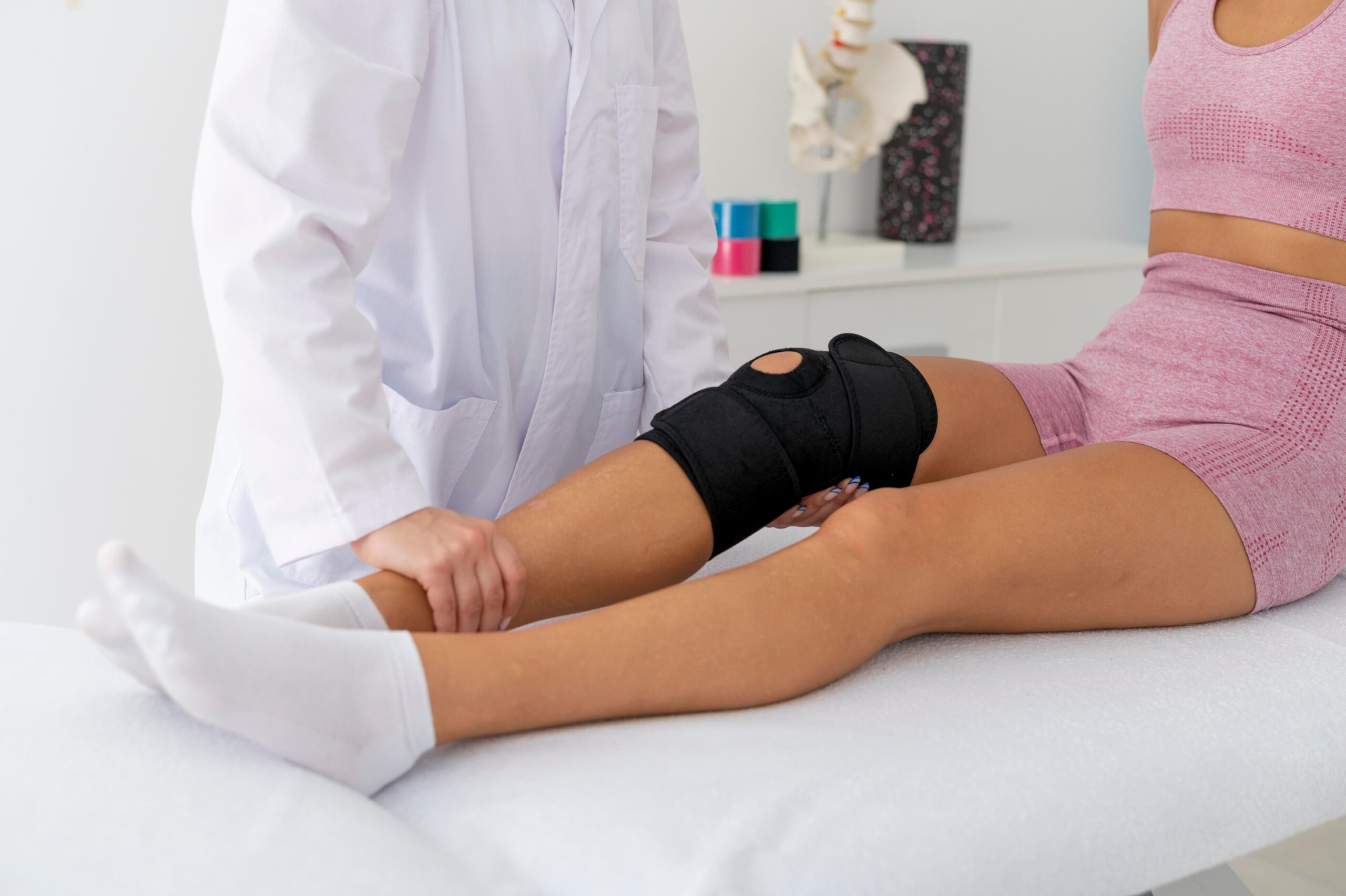
Have you ever tried to walk after twisting your knee and felt it buckle? That sudden “give-away” feeling can scare anyone. Many times, it points to an injury in one of the main knee ligaments, the anterior cruciate ligament (ACL).
In India, where sports like cricket, football, kabaddi, and badminton are loved, ACL tears are sadly common. Even a simple slip on wet stairs or a car accident can cause the knee joint to twist in a way it should not. The good news? With proper ACL tear treatment, recovery is possible.
What is an ACL Tear?
The ACL, short for anterior cruciate ligament, is a tough band of tissue connecting your thigh bone (femur) to your shin bone (tibia). It works like a stabiliser, keeping the knee joint steady while you walk, run, jump, or turn. Along with other knee ligaments, posterior cruciate ligament (PCL), medial collateral ligament (MCL), and lateral collateral ligament (LCL), it allows smooth movement.
An ACL tear happens when this ligament stretches beyond its limit and breaks. Sometimes, the ACL is only partially torn, while in other cases, it is a complete tear. A torn ACL can cause knee pain, swelling, and instability. You may feel as if your knee wants to give way, especially while turning or playing sports. Early ACL reconstruction surgery or nonsurgical treatment options depend on the severity of the injury, age, and activity level. With the right treatment options and physical therapy, most ACL injuries heal with positive patient outcomes.
Common Causes of ACL Injuries
Knee injuries are one of the most common injuries in both sports and daily life. The anterior cruciate ligament is vulnerable because of the way the knee joint bends and rotates.
1. Sudden Change in Direction
When you quickly change direction while running, the ACL may be strained. Sports such as football, hockey, and basketball often put players at risk.
2. Landing Incorrectly from a Jump
Jumping puts stress on the knee. If you land awkwardly, the ACL may tear. Bad landings are one of the leading causes of ligament injuries in athletes.
3. Direct Impact or Collision
A blow to the knee, such as in car accidents or contact sports, may injure not only the ACL but also other knee ligaments like the medial collateral ligament.
4. Overstretching or Twisting the Knee
Even a simple misstep on uneven ground can twist the knee joint, leading to a partial tear or complete ACL tear.
Symptoms and Diagnosis
A torn ACL is hard to ignore. Many patients say they hear a “pop” sound at the time of injury. Swelling and knee pain appear within a few hours.
Common Symptoms
- Sudden knee pain and swelling
- Difficulty moving the knee through its full range of motion
- Knee instability or the knee “giving way” during physical activity
- Trouble playing sports or even walking in a straight line
Diagnosis by Doctors
Orthopaedic surgeons often perform a physical exam by moving the injured and opposite knee to compare stability. Imaging tests such as magnetic resonance imaging (MRI) show whether the ACL, cartilage, or other ligaments are damaged. Early detection helps doctors decide if nonsurgical treatment or surgical treatment is best.
Treatment Options for ACL Tears
ACL tear treatment depends on the type of injury, age, and activity level. While some patients recover with nonsurgical treatment, others may require ACL reconstruction surgery.
Before treatment decisions, doctors often focus on reducing swelling and pain caused by the injury. Applying ice, using an elastic bandage, and taking rest for a few weeks helps control symptoms.
1. Non-Surgical Treatments
- Physical therapy: A physical therapist guides exercises to strengthen thigh muscles, improve range of motion, and reduce pain.
- Bracing and support: Wearing a knee brace helps stabilise the joint and prevents further injury.
- Activity modification: Avoiding high-impact sports and focusing on safe physical activity helps the partially torn ACL heal.
- Medication: Pain relievers and anti-inflammatory drugs reduce swelling and pain.
- Lifestyle care: Simple steps like applying ice, elevating the knee, and gentle stretching can support recovery.
2. Surgical Treatments
When there is a complete ACL tear or combined ligament injuries, ACL reconstruction surgery is often recommended.
- ACL reconstruction: The damaged ligament is replaced with a graft from the patient’s thigh or hamstring tendon.
- Arthroscopic surgery: A minimally invasive outpatient procedure that reduces complications and improves recovery time.
- Cartilage repair: If articular cartilage or meniscus is also damaged, surgeons repair it during surgery.
- Reconstruction in young patients: For those with open growth plates, orthopaedic surgeons take special care to avoid disturbing bone development.
- Post-surgery physiotherapy: Physical therapy begins soon after surgery to reduce swelling, restore motion, and build muscle strength.
Rehabilitation and Recovery for ACL Tear
Rehabilitation is the backbone of ACL tear treatment. Without structured rehab, even the best surgery cannot deliver successful ACL reconstruction outcomes. Recovery takes months, not weeks. But with patience and effort, most patients return to their normal lives, sports, and work.
Phase 1: Immediate Post-Injury Care (0–2 weeks)
- Focus on reducing swelling using ice and an elastic bandage
- Rest the knee and avoid sudden movement
- Begin a gentle range of motion exercises under supervision
- Use crutches if the knee feels unstable
Phase 2: Early Rehabilitation (2–6 weeks)
- Strengthen quadriceps and hamstrings with simple exercises
- Improve flexibility with stretching
- Start partial weight-bearing activities
- Continue to reduce pain with guided therapy
Phase 3: Progressive Strengthening (6–12 weeks)
- Focus on building thigh and hip muscle power
- Introduce balance training and resistance bands
- Improve walking patterns
- Prevent stiffness with daily exercises
Phase 4: Functional Training (3–6 months)
- Begin sport-specific drills like jogging and agility exercises
- Add controlled jumping and turning movements
- Focus on endurance training
- Monitor for any signs of knee instability
Phase 5: Return to Sport (6–12 months)
- Engage in high-intensity training under supervision
- Practice safe landing techniques
- Test stability with dynamic drills
- Resume sports only after clearance from the orthopaedic surgeon
Phases of ACL Recovery
| Phase | Duration | Key Goals | Activities | Support Tools |
|---|---|---|---|---|
| Phase 1 | 0–2 weeks | Reduce swelling, protect the knee | Ice, gentle motion | Crutches, bandage |
| Phase 2 | 2–6 weeks | Early strength, flexibility | Stretching, partial weight | Brace, PT |
| Phase 3 | 6–12 weeks | Progressive strengthening | Balance, resistance | Bands |
| Phase 4 | 3–6 months | Functional training | Jogging, agility drills | Supervised PT |
| Phase 5 | 6–12 months | Return to sport | Jumping, turning, sports drills | Clearance by a doctor |
Role of Physiotherapy
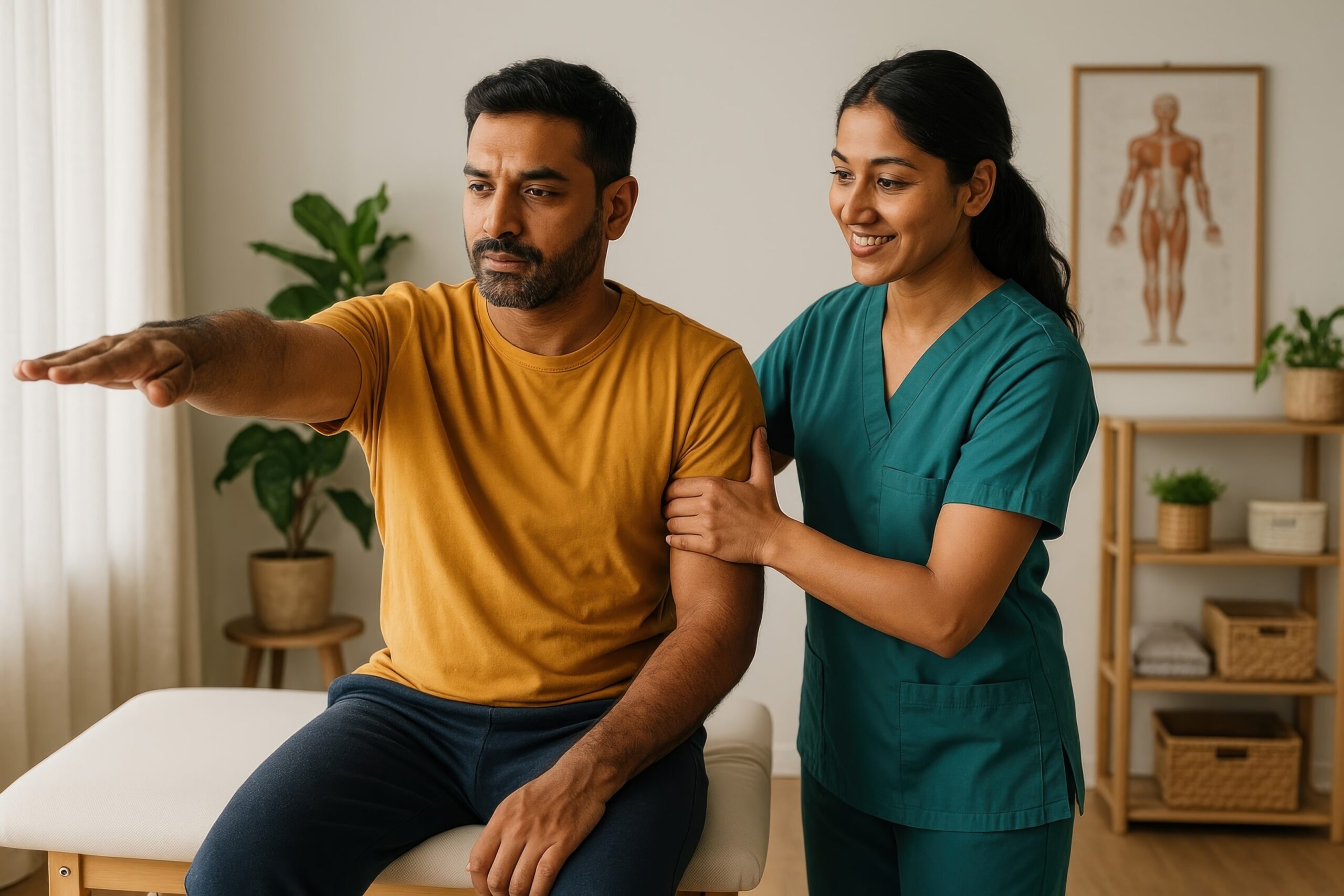
A physical therapist is central to ACL tear treatment without surgery and after ACL reconstruction surgery. From improving range of motion to preventing knee osteoarthritis, physiotherapy ensures long-term knee health. It also reduces the risk of re-injury and improves patient outcomes.
Psychological Support in Recovery
Healing is not only physical. Many patients with anterior cruciate ligament injuries struggle emotionally. Fear of re-injury and frustration from slow progress can delay recovery.
- Counselling sessions help manage anxiety
- Support groups offer motivation from others with knee injuries
- Stress-relieving activities like meditation aid focus
- Setting small goals keeps patients positive during long recovery
Lifestyle Adjustments and Prevention
Living with a torn ACL means making changes in daily life. Small steps can reduce pain and prevent further injury.
- Maintain a healthy weight: Extra weight adds stress to knee ligaments.
- Warm up properly: Stretch before physical activity.
- Strengthen thigh muscles: Strong quads and hamstrings support the knee joint.
- Wear proper footwear: Good shoes reduce the risk of twisting.
- Avoid risky moves: Sharp turns or sudden stops increase the chance of ligament injuries.
- Injury prevention programs: Many schools and sports academies now teach safe landing and turning drills.
When to Seek Medical Help
Do not ignore knee pain or swelling that lasts for several weeks. If you notice pain when moving or feel unstable while walking, consult an orthopaedic surgeon. Early ACL reconstruction or nonsurgical treatment can prevent long-term complications like knee osteoarthritis.
Final Thoughts – Connect with SRM Global Hospitals
Choosing the right hospital makes all the difference in ACL tear treatment. At SRM Global Hospitals, patients receive complete ACL tear treatment, from diagnosis and imaging tests to surgical and nonsurgical treatment options. Their orthopaedic surgeons and physical therapists provide personalised care to ensure positive outcomes.
Book your appointment today with SRM Global Hospitals and get expert recommendations for the best doctors, treatment options, and rehabilitation plans. Click here to book now.
FAQs
1. Can a complete ACL tear heal without surgery?
In some cases, complete ACL tear treatment without surgery is possible for less active patients. But most athletes or young individuals require ACL reconstruction.
2. How long does ACL reconstruction surgery recovery take?
Recovery usually takes 6–12 months, depending on patient effort, physiotherapy, and overall health.
3. What is the difference between a partial tear and a complete tear?
A partially torn ACL means some fibres remain intact. A complete tear means the ligament is fully ruptured and often requires surgery.
4. Is ACL surgery always necessary?
Not always. Nonsurgical treatment options like physical therapy and braces may be enough if knee stability is maintained.
5. Can ACL injuries lead to long-term complications?
Yes, untreated ACL tears may cause knee osteoarthritis, cartilage injury, or chronic instability. Early treatment helps prevent complications.
