


All About Esophagitis: Types, Causes, Complications, Treatments and Management
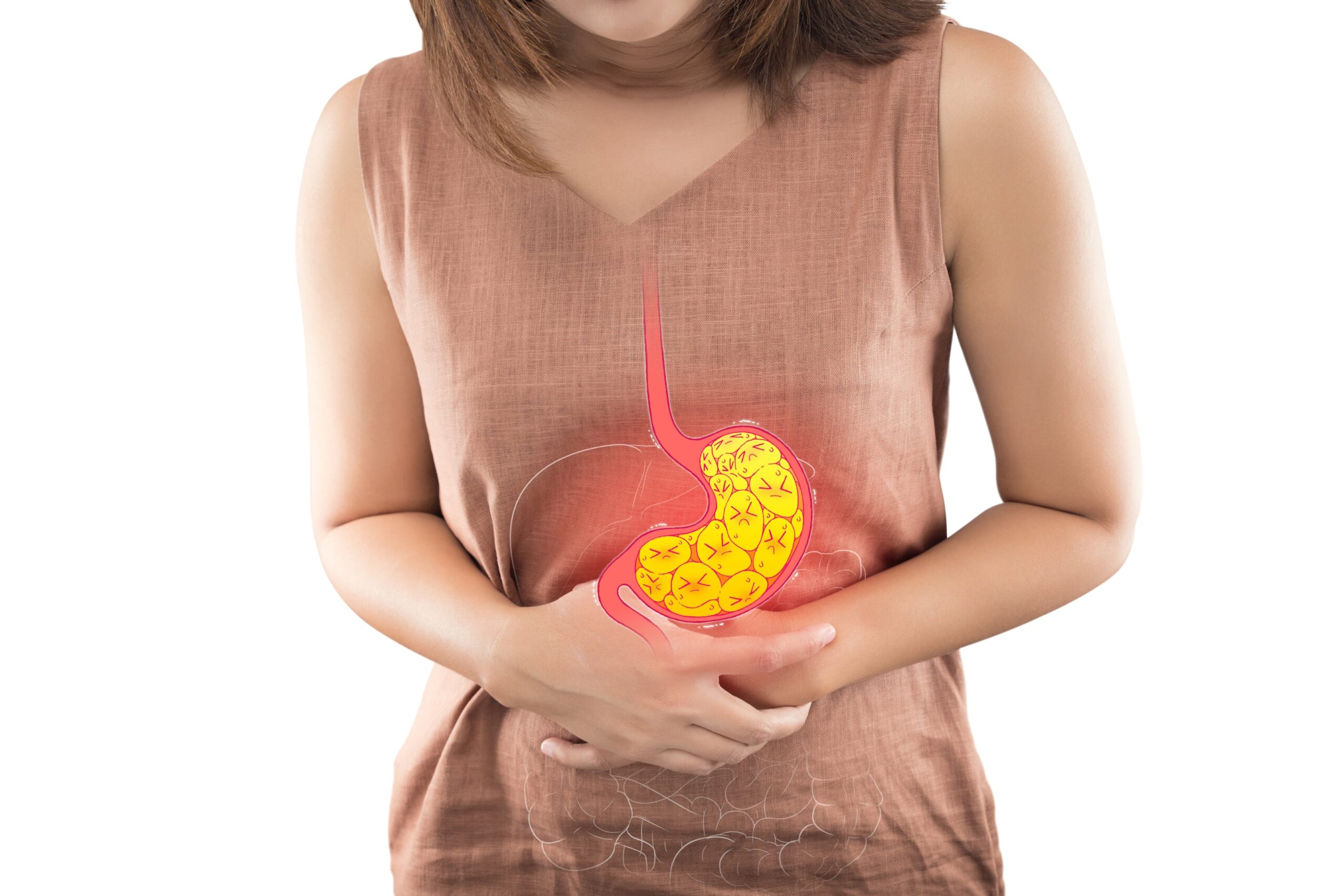
The esophagus (food pipe) is the muscular tube that carries food and drink from the mouth to the stomach. Redness from swelling in the esophagus causes Esophagitis, making swallowing difficult or causing sharp chest pain and could cause serious complications for the digestive system.
Immediate medical attention is required for severe chest pain lasting several minutes or vomiting blood. Knowing the type of Esophagitis and receiving expert care from an advanced medical setting like SRM Global Hospital ensures proper treatment and healing.
The Different Faces of Esophageal Inflammation
Not all cases of Esophagitis are the same. The cause of your discomfort determines how a healthcare provider will treat it. The four most common types seen in clinical practice are:
Reflux Esophagitis: This happens when stomach acid flows back up into the esophagus. It is the most common form of gastroesophageal reflux.
Eosinophilic Esophagitis (EoE): This is an allergic reaction where white blood cells, called eosinophils, build up in the food pipe.
Drug-induced Esophagitis: It is an injury to the food pipe caused by a pill getting stuck and dissolving in the wrong place.
Infectious Esophagitis: Small germs like fungi or viruses attack the digestive pipe lining, usually when the body’s defence system is weak.
Reflux Esophagitis
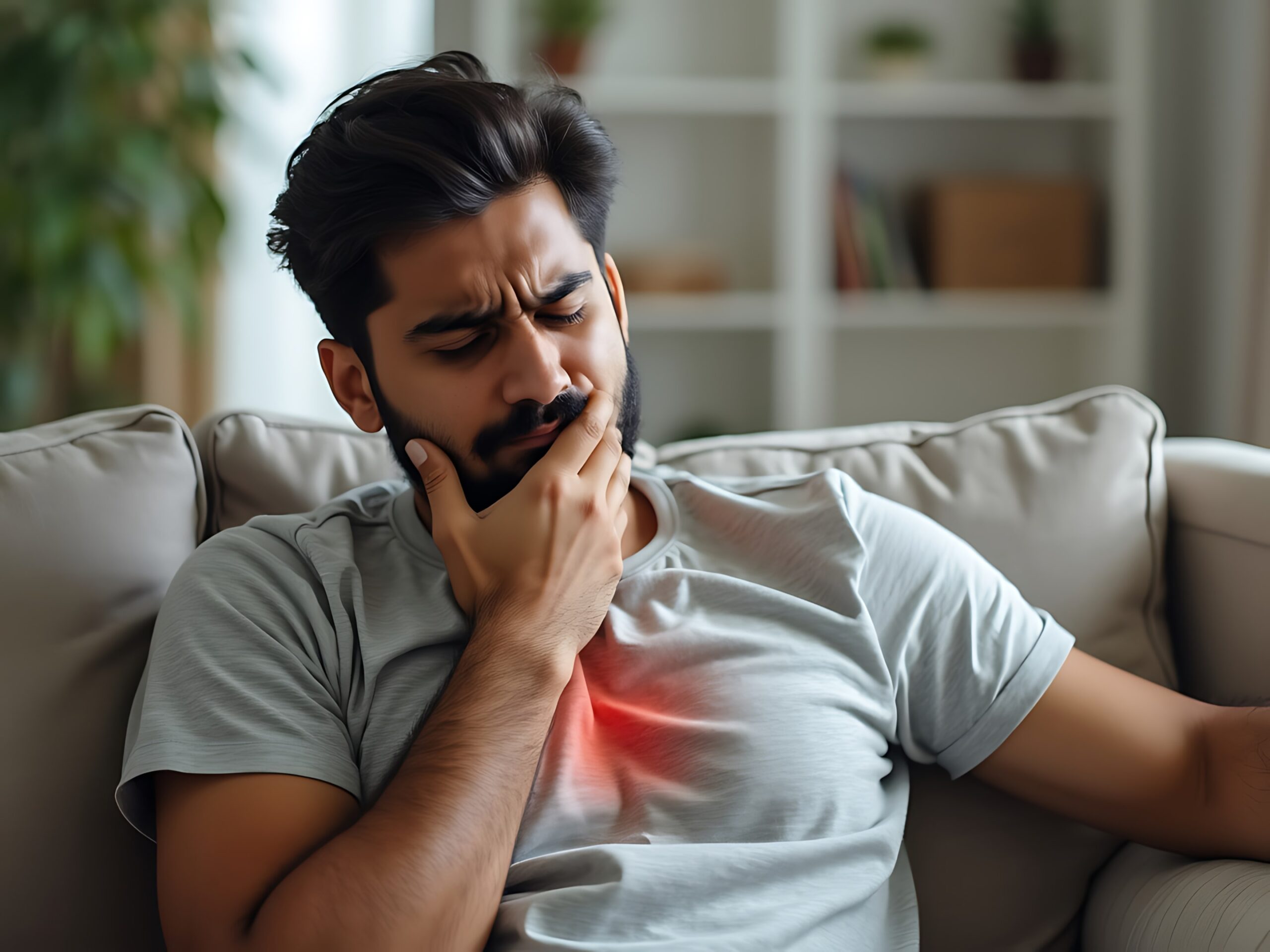
Stomach acid flows back into the food pipe and causes reflux esophagitis. Usually, the muscle ring at the lower end of the food pipe blocks acid rising from the stomach and swallowing opens the ring for food passage, after which the muscle should close firmly.
In reflux esophagitis, weak closure of the muscle ring at the lower end of the food pipe allows acidic digestive fluid to move upward from the stomach. Strong acid damages the soft inner lining of the food pipe, and raw sores may form inside the chest and throat. A burning sensation in the chest after a heavy meal usually reflects this condition, and pain increases when the body fails to stop repeated acid backflow. Typically,
How GERD and Reflux Esophagitis Are Linked
GERD (gastroesophageal reflux disease) is a long-term condition that causes repeated acid reflux into the esophagus. GERD is the ongoing acid reflux, while reflux esophagitis refers to the physical damage to the food pipe. Risk factors that elevate the GERD include obesity, smoking, and dietary triggers such as fatty, spicy, and acidic foods.
Typical GERD Symptoms
- Burning feeling in the chest or sore throat
- Sour liquid taste at the back of the mouth
- Sensation of a lump in the throat
- Abdominal pain or bloating after eating
In early stages, a person may have GERD without visible injury to the esophagus, but when symptoms persist, it could lead to visible inflammation, as reflux esophagitis. Untreated GERD can cause scarring, narrowing of the esophagus, unhealthy weight loss, and dehydration.
Complication of Reflux Esophagitis- Hiatal Hernia
A hiatal hernia occurs as a significant risk, when part of the stomach moves up into the chest. The diaphragm acts as a barrier to keep the stomach and abdominal organs in place. A weakness or hole in the diaphragm reduces the strength of the lower food pipe muscle. When the stomach slides through this opening, acid can flow back into the esophagus more easily. Clinical reports from 2024 show that patients with a large hiatal hernia have a 50% higher risk of severe reflux esophagitis and heartburn.
Growing Burden of GERD in India
Research published in 2025 reports that nearly 36 % of adults in specific Indian rural communities had gastroesophageal reflux disease along with GERD. The increase is strongly linked to changes in eating habits and rising body weight, which increase acid production and reduce sphincter(muscle) control.
Possible complications
Untreated reflux esophagitis can progress to a narrowed food pipe, Barrett esophagus, and increased esophageal cancer risk.
Eosinophilic Esophagitis (EoE)
Eosinophilic Esophagitis is a chronic immune system disease. In this condition, inflammatory cells called eosinophils gather in the food pipe. The eosinophilic accumulation makes the pipe stiff and narrow. It is often linked to food allergies, atopic dermatitis (skin rash), and allergic rhinitis (nose allergies).
Eosinophilic Esophagitis can occur in both children and adults, although it was first described in children. The current estimates in 2024-25 on the global prevalence of this condition have increased from 1 to 6 per 10,000 persons to 40 per 10,000 persons. In India, about 1.14% of patients with swallowing difficulties are found to have EoE. EoE is often missed because its symptoms resemble regular acid reflux, and it is low in India.
Drug-Induced Esophagitis

Sometimes, medicines can get stuck and cause a chemical injury to the pipe, which is known as pill esophagitis. Common causes include naproxen sodium, certain antibiotics, or iron pills.
Infectious Esophagitis
Infectious Esophagitis occurs most common in people with HIV/AIDS, cancer, or other immune-weakening conditions. Candida albicans (fungus) is a common cause of infectious Esophagitis.
The Warning Signs of Esophagitis:
You should see a gastroenterologist at an advanced multispecialty care facility like SRM Global Hospitals if you experience warning signs that do not go away. While many think it’s just “gas,” it could be a sign of underlying Esophagitis.
| Reflux Esophagitis | Eosinophilic Esophagitis (EoE) | Drug-Induced Esophagitis | Infectious Esophagitis |
|---|---|---|---|
| 1. Burning pain in the chest after meals | 1. Difficulty swallowing solid foods | 1. Sudden pain while swallowing tablets | 1. Painful swallowing with fever |
| 2. Sour or bitter taste in the mouth | 2. Food sticks in the throat while eating | 2. Chest discomfort or pressure | 2. White or yellow patches in the throat |
| 3. Regurgitation (throwing up) of food or acid | 3. Slow eating due to a tight throat | 3. Cough or throat irritation | 3. Red, swollen throat lining |
| 4. Sore throat in the mornings | 4. Occasional vomiting or gagging | 4. Mild bleeding in the throat | 4. Trouble swallowing liquids and solids |
| 5. Hoarseness or voice change | 5. Chest discomfort while eating | 5. Heartburn after pills | 5. Fever and general weakness |
| 6. Difficulty lying down after meals | 6. Weight loss due to eating trouble | 6. Sensation of a pill stuck in the throat | 6. Loss of appetite |
| 7. Cough at night or chronic cough | 7. Itchy or irritated throat | 7. Ulcers in the throat in severe cases | 7. Swollen lymph nodes in the neck |
Possible complications of Esophagitis
Reflux Esophagitis, Eosinophilic Esophagitis (EoE), Drug-Induced Esophagitis, and Infectious Esophagitis can all cause serious health issues if left untreated.
| Reflux Esophagitis | Eosinophilic Esophagitis (EoE) | Drug-Induced Esophagitis | Infectious Esophagitis |
|---|---|---|---|
| 1. Narrowing of the esophagus, causing trouble swallowing | 1. Scar tissue formation leading to a tight throat | 1. Ulcers or open sores in the throat | 1. Severe swelling makes swallowing very hard |
| 2. Bleeding from the esophagus lining | 2. Difficulty eating leading to weight loss | 2. Infection in the damaged areas of the throat | 2. Spread of infection to the chest or lungs |
| 3. Chronic cough or asthma-like symptoms | 3. Food getting stuck frequently | 3. Scar tissue causing a tight esophagus | 3. Long-term throat pain or irritation |
| 4. Barrett’s esophagus (altered tissue nature of the food pipe due to GERD), which may increase cancer risk | 4. Chronic inflammation in the esophagus | 4. Persistent pain while swallowing | 4. Fever or weakness due to ongoing infection |
| 5. Tooth decay from stomach acid | 5. Vomiting or gagging | 5. Bleeding in severe cases | 5. Formation of pus or abscess in the throat |
| 6. Trouble sleeping from nighttime reflux | 6. Poor nutrition due to eating difficulties | 6. Stricture formation blocking food | 6. Chronic discomfort affecting eating habits |
| 7. Heartburn becoming constant and painful | 7. Esophagus lining damage | 7. Rare risk of severe infection spreading | 7. Swollen neck glands from infection |
How do Doctors Confirm Esophagitis?

Reflux Esophagitis
- GERD may be linked to reflux esophagitis, based on clinical symptoms and patient response to proton pump inhibitors (PPIs).
- Endoscopy detects redness, swelling, or sores in the esophagus.
- Monitoring acid levels shows the flow of stomach acid back to the food pipe and identifies times when meals trigger pain.
Eosinophilic Esophagitis (EoE)
- Eating history may show food sticking in the throat or slow swallowing.
- Allergy history can help identify triggers linked to the condition.
- Endoscopy identifies inflammation in narrow areas of the esophagus and the ‘corrugated esophagus, which is the appearance of circular rings or furrows in the esophageal wall.
- Biopsy on tissue samples taken during endoscopy shows excess eosinophils, the white blood cells involved in allergic reactions, confirming the diagnosis.
- A diagnosis of eosinophilic Esophagitis is confirmed when an esophageal biopsy shows a minimum of 15 eosinophils per high-power field under the microscope.
Drug-Induced Esophagitis
- Endoscopy reveals raw sores or ulcers where the medicine stayed in the esophagus.
- Sharp pain immediately after swallowing a pill may indicate drug-induced Esophagitis.
Infectious Esophagitis
- Endoscopy shows white patches or deep ulcers on the inner lining of the esophagus.
- Swab or tissue tests identify whether fungi, viruses, or bacteria are causing the infection.
- Blood tests help assess the severity of the infection in seriously ill patients.
Treatment and Management of Esophagitis
Treatments aim to restore the esophagus lining and address the underlying cause of various Esophagitis. Medicines and lifestyle changes work together to restore health. Timely treatment prevents narrowing or scarring of the throat. Following a structured treatment plan and maintaining good overall health support long-term recovery and prevent future complications.
| Condition | Regular Treatment | Advanced Treatment Options | Monitoring & Recovery |
| Reflux Esophagitis | Acid Suppression: Patients with mild reflux esophagitis are usually prescribed to take Proton Pump Inhibitors (PPIs) for about 4 weeks, and those with severe reflux esophagitis may require 8 weeks |
Surgery/Procedures: Surgical options may be considered for medically refractory (medicine fails to control the acids) Esophagitis. Fundoplication, a minimally invasive endoscopic procedure, wraps the top of the stomach around the lower food pipe to prevent acid backflow. |
Safety Checks: Monitoring bone density and mineral balance during long-term PPI use; follow-up endoscopy. |
| Eosinophilic (EoE) | Steroids & Diet: Taking prescribed steroids; removing trigger foods (milk, wheat, eggs). | Biologics & Dilation: Medicines to block immune pathways; stretching (dilating) a narrowed throat. | Tissue Checks: Repeat biopsies to count eosinophils; tracking weight and nutrition during diets. |
| Drug-Induced | Behavioural Change: Stopping the troubling pill; taking pills with plenty of water and staying upright for 30 minutes after taking a pill. | Surgical/Endoscopic: Treating deep ulcers or bleeding; dilation if scar tissue causes narrowing. | Pain Tracking: Monitoring the disappearance of chest pain; ensuring food intake returns to normal. |
| Infectious | Targeted Meds: Anti-fungal, antiviral, or antibacterial drugs depending on the causative agent of the infection; soft diet. | Medications: IV medications for systemic infections; endoscopic cleaning of infected tissue. | Infection Clearance: Monitoring fever and swallowing ease; repeat tests to ensure the infection is gone. |
Managing Your Health Through Habits
| Type of Esophagitis | Core Management Focus | Key Lifestyle & Eating Habits |
| Reflux (GERD) | Healing tissue injury by controlling acid flow. | Stop eating 3 hours before bed; avoid caffeine, chocolate, and fatty foods. |
| Eosinophilic (EoE) | Identifying and removing allergic food triggers. | Follow a strict elimination diet (common triggers: milk, wheat, eggs). |
| Drug-Induced | Preventing chemical burns from pills sticking in the food pipe. | Drink a full glass of water with pills; stay upright for 30 minutes after. |
| Infectious | Clearing the infection and protecting the lining. | Consuming soft/cool foods to soothe the throat while the body fights the infection. |
Health begins with a clear throat!
SRM Global Hospitals uses advanced tools to identify the exact cause of Esophagitis. Our Gastroenterology experts provide a combination of medicines and modern endoscopy procedures to support every patient. Advanced diagnosis detects the inflammation and guides targeted therapies. Infectious Esophagitis could be treated effectively with the right anti-fungal or antiviral medicines.
Experts create personalised care plans to restore esophagus health and ensure safe swallowing. Book an appointment at SRM Global Hospitals for timely evaluation and guided treatment. The treatments upon early diagnosis prevent narrowing, scarring, and long-term damage in the esophagus.
FAQs on Esophagitis
1. Why does my throat feel sore from Esophagitis when I swallow food?
The throat feels stuck when the lower part of the esophagus narrows due to swelling. High counts of eosinophils (white blood cells) could also cause esophageal rings to form, which makes it hard for meals to pass down the digestive system.
2. Can my family history cause these chest pains and reflux?
Genetics and environmental factors play a significant role in eosinophilic disorders. A specialist will check your medical history to see if clinical immunology tests can find links between your genes and severe Esophagitis.
3. How will a doctor check if my lower esophagus is damaged?
A surgeon uses an upper endoscopy to look at the mucosal folds and squamous epithelium tissues inside you. This flexible tube helps see esophageal strictures or any change in the esophageal circumference grade caused by long-term reflux esophagitis.
4. Will acid suppression therapy fix my feeding difficulties?
Standard medical therapy helps reduce burning, but treating eosinophilic Esophagitis often requires stopping certain foods. If acid suppression therapy with PPIs fails, you might need to avoid specific food groups identified through allergy testing.
5. Is the new treatment, magnetic sphincter augmentation, better for GERD than taking certain medications?
Magnetic sphincter augmentation strengthens a weak lower esophageal sphincter (muscle) to stop gastroesophageal reflux disease (GERD), which could lead to reflux esophagitis. While certain medications mask the pain, this surgery provides a physical fix to keep stomach acid out of the distal esophagus.
