

Types of Cerebral Palsy: What It Means for Your Child?
Impact of Cerebral Palsy
Risk Factors of Cerebral Palsy
Cerebral palsy develops from a combination of medical and environmental influences that affect the developing brain, such as:
- Pregnancy and Prenatal Health: Most cases of cerebral palsy result from pregnancy complications, premature birth, or infections during intrauterine development, which obstetricians and maternal-fetal medicine specialists carefully monitor.
- Maternal Infections: Infections in the mother during pregnancy can triple the risk of the child developing cerebral palsy.
- Environmental and Genetic Influences: Risk factors such as being a twin or exposure to methylmercury also increase the risk of a child developing cerebral palsy.
- Birth and Neonatal Challenges: Between 40% and 50% of children with cerebral palsy were born prematurely with low birth weight and complications during delivery, requiring specialised neonatal care from neonatologists and paediatricians.
Classification of Cerebral Palsy
Muscle Tone
Distribution of Muscle Spasticity
Cerebral palsy is also classified according to the distribution of muscle spasticity throughout the body. This method identifies which limbs or areas are severely affected by the brain injury, such as:
- Monoplegia: Only one limb is involved, which is a rare occurrence.
- Diplegia: Both legs are primarily affected, leading to a scissoring gait while the upper body remains functional.
- Hemiplegia: One side of the body is impacted, usually with the arm being more affected than the leg.
- Triplegia: Three limbs are involved, typically both legs and one arm.
- Quadriplegia: All four limbs, the trunk, and the neck muscles are affected, representing a severe form of the condition.
Spastic Cerebral Palsy
Spastic Cerebral Palsy
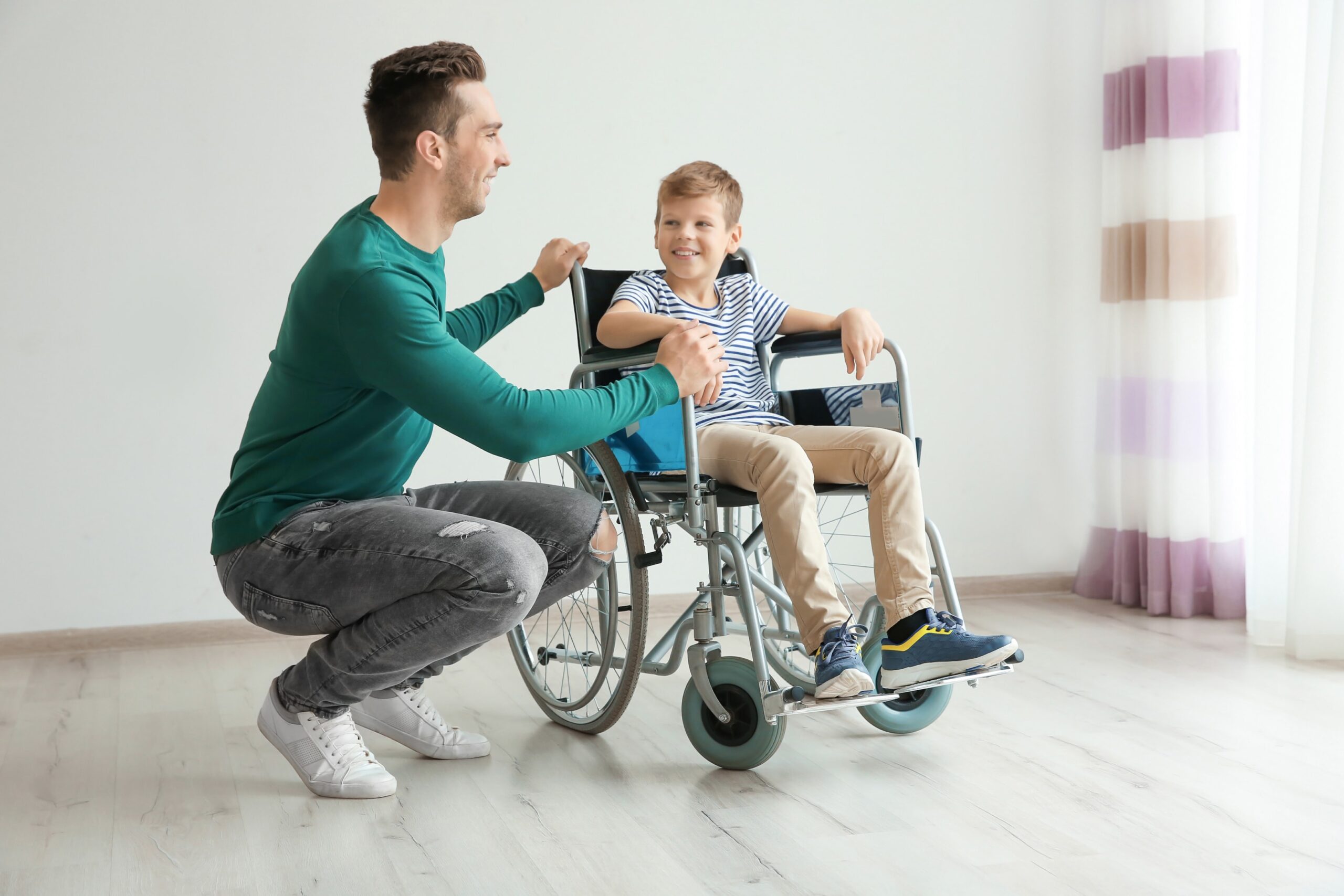
Spastic cerebral palsy is the most common type, accounting for about 77% to 80% of all cases. High muscle tone causes stiff muscles and jerky movements in this type. As the muscles remain tight, children struggle with transitions between different positions.
Spastic Hemiplegia
Spastic Diplegia
Spastic Quadriplegia
Dyskinetic Cerebral Palsy
Athetoid Cerebral Palsy
Choreoathetosis
Dystonia
Ataxic Cerebral Palsy
Ataxic cerebral palsy is the rarest form, affecting roughly 2.4% of cases. Damage occurs in the cerebellum, the region of the brain responsible for coordination, balance, and depth perception. As a result, children experience difficulties with controlled and precise muscle movement, such as:
- Wide-Based Gait: Children with ataxic cerebral palsy walk with their feet placed far apart to maintain balance. A wide-based gait helps improve stability but reflects poor coordination and impaired balance control.
- Shaky Movements: Voluntary movements such as reaching for an object appear unsteady. Shaky movements become more noticeable during tasks that require accuracy.
- Tremors: Tremors are rhythmic, involuntary muscle contractions that occur during purposeful movement. Tremors can interfere with fine motor skills, including writing, buttoning clothes, or holding utensils.
Hypotonic Cerebral Palsy
Mixed Cerebral Palsy
Common Symptoms of Cerebral Palsy
Symptoms vary from mild clumsiness to severe impairments, such as:
- Motor Impairments: Common symptoms include poor coordination, stiff muscles, weak muscles, and tremors, which pediatric neurologists and physiotherapists at SRM Global Hospitals evaluate through structured motor assessments.
- Speech and Language: Speech and language disorders are common, with a significant percentage experiencing dysarthria, managed by speech-language pathologists
- Sensory Impairments: Some children require hearing aids or glasses due to sensory processing issues, assessed by audiologists and ophthalmologists.
- Secondary Health Issues: Chronic sleep disorders are prevalent, leading to higher rates of sleep disturbance. Mental health issues and seizures are also common and are managed by pediatric neurologists and psychiatrists.
- Feeding Difficulties: Children have difficulty with self-feeding, which can lead to malnutrition. Drooling is common and can lead to mouth infections.
Diagnosis Using Gross Motor Function Classification System (GMFCS)
The Gross Motor Function Classification System, GMFCS, is widely used to describe the severity of movement limitations. The system focuses on five levels assessing sitting, walking, and mobility needs, and rehabilitation specialists at SRM Global Hospitals use it to plan personalised therapy goals.
- Level I: Walks without limitations. The child can run and jump, but has reduced speed, balance, or coordination.
- Level II: Walks with limitations. The child has difficulty with uneven surfaces, long distances, or crowded areas and needs support in outdoor settings.
- Level III: Walks using a handheld mobility device. The child uses crutches or a walker and relies on a wheelchair for longer distances.
- Level IV: Self mobility is limited. The child uses powered mobility or requires assistance for most movement activities.
- Level V: Transported in a manual wheelchair. Severe cerebral palsy at this level significantly restricts voluntary movement and postural control.
The GMFCS helps pediatric neurologists, orthopaedic surgeons, and physiotherapists at SRM Global Hospitals develop an appropriate treatment plan and set realistic mobility goals based on functional ability.
Multidisciplinary Approach in Cerebral Palsy
Multidisciplinary Approach in Cerebral Palsy
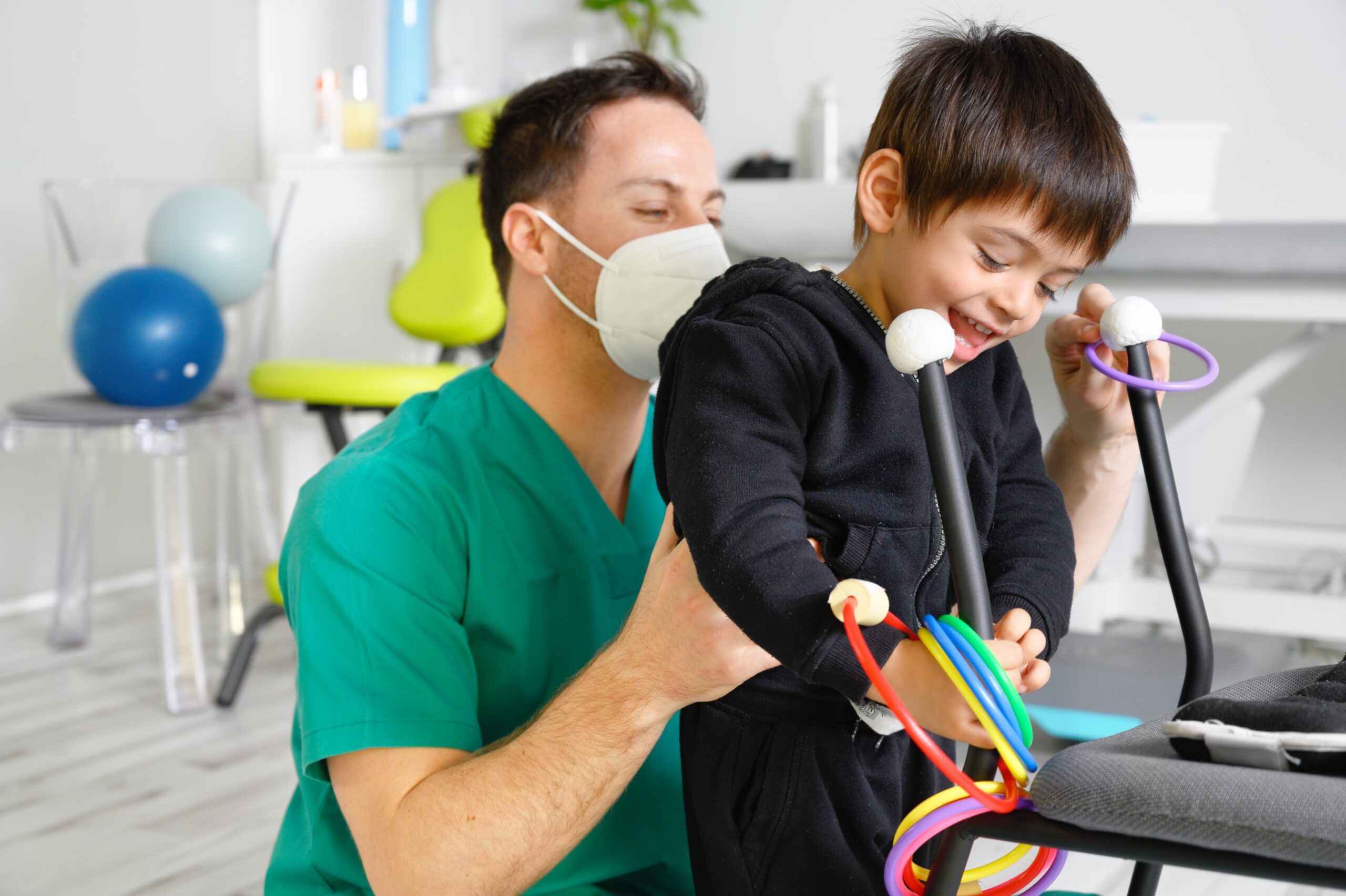
Optimising care for Cerebral Palsy (CP) requires a collaborative, multidisciplinary strategy, as it affects movement, muscle tone, and posture in diverse ways. A team of specialists, including pediatric neurologists, orthopaedic surgeons, physiotherapists, occupational therapists, speech-language pathologists and psychiatrists at SRM Global Hospitals, works together to create a personalised plan that addresses the physical, communicative, and emotional needs of the individual.
Therapeutic Services
Comprehensive therapy forms the backbone of cerebral palsy management, designed to adapt to a child’s growth and evolving functional goals.
- Physical Therapy: Focuses on improving muscle strength, flexibility, and balance. Physiotherapists use specific exercises and gait training to enhance mobility and prevent muscle contractures.
- Occupational Therapy: Helps children develop fine motor skills necessary for daily living. This includes mastering tasks like dressing, writing, and using utensils to foster greater independence.
- Speech and Language Therapy: Addresses communication disorders and difficulties with swallowing or feeding. Speech-language pathologists introduce augmentative and alternative communication (AAC) devices for those with limited verbal abilities.
Medications for Muscle Control
Medications target spasticity (muscle stiffness) and involuntary movements to improve comfort and range of motion.
- Oral Relaxants: Medications such as diazepam and oral baclofen help reduce systemic muscle tension under the supervision of pediatric neurologists.
- Injected Treatments: Botulinum toxin (Botox) injections can be applied directly to specific muscle groups to provide localised relief from stiffness for several months.
- Pain Management: These treatments effectively alleviate the chronic discomfort associated with muscle spasms or abnormal posturing.
Surgical Care
Surgery is reserved for correcting structural issues or when conservative treatments no longer provide sufficient relief.
- Orthopaedic Procedures: Orthopaedic surgeons perform tendon releases to lengthen shortened muscles, hip rotations to improve joint alignment, or spinal fusions to correct scoliosis.
- Intrathecal Baclofen Pump: A small medical device is surgically implanted under the skin of the abdomen and connected to a catheter in the spinal canal. It delivers muscle relaxants directly to the spinal fluid, allowing for more effective spasticity control with fewer side effects than oral medication.
Assistive Devices
Managing Mental Health
Receive Multidisciplinary Care for Your Child's Special Needs- Book an Appointment
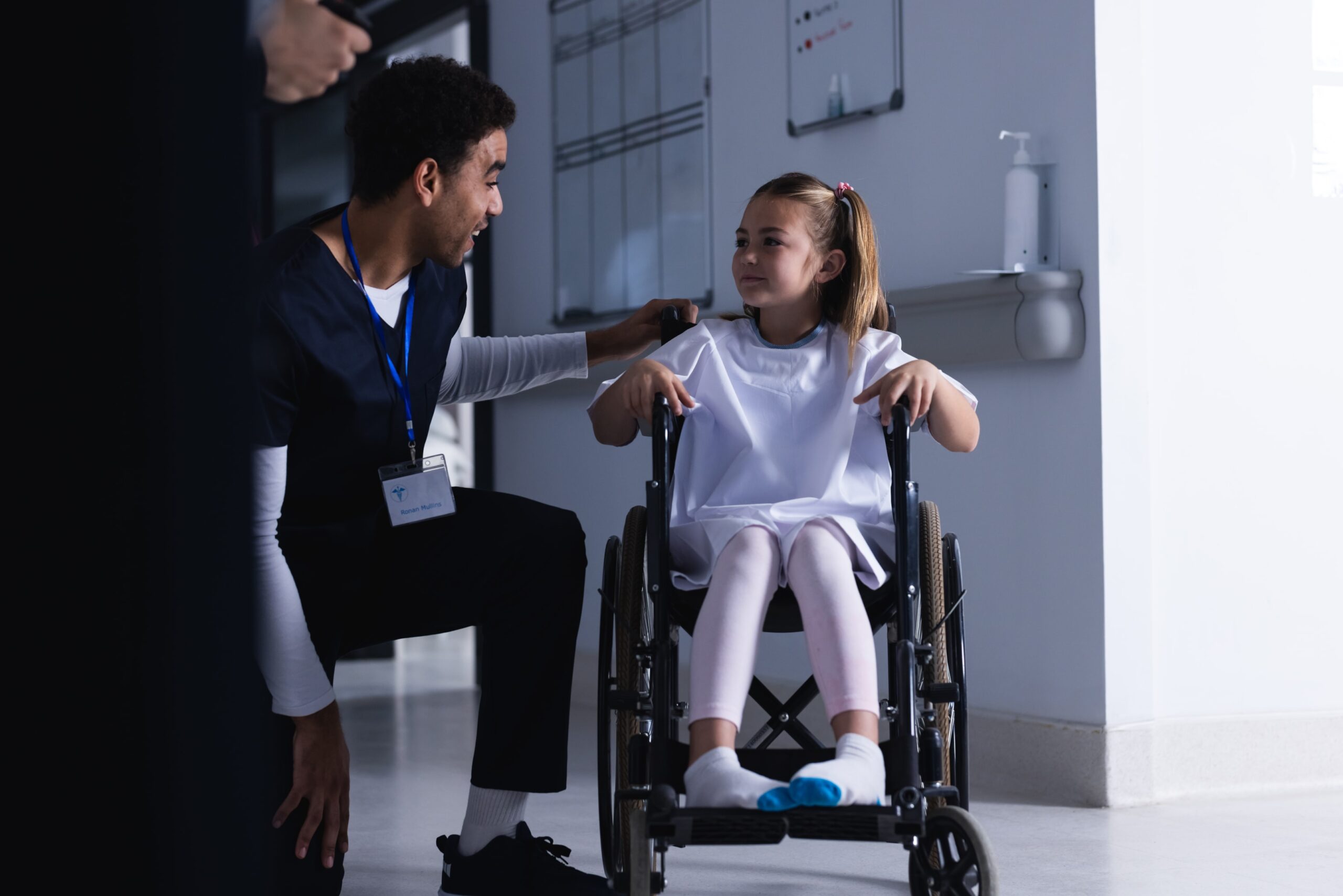
SRM Global Hospitals in Chennai offers structured, specialist-led care designed to address every stage of diagnosis, treatment, and rehabilitation.
- Comprehensive evaluation by pediatric neurologists, neonatologists, and developmental specialists.
- Early risk assessment supported by advanced neuroimaging and clinical screening.
- Personalised rehabilitation programs guided by physiotherapists, occupational therapists, and speech-language pathologists.
- Spasticity and movement management through medication, injection therapies, and surgical expertise.
- Functional assessment using standardised tools such as GMFCS for goal-based planning.
- Integrated mental health support from pediatric psychiatrists and counsellors.
- Collaborative multidisciplinary care focused on mobility, communication, and long-term independence.
- Child-friendly infrastructure with coordinated inpatient, outpatient, and rehabilitation services.
