


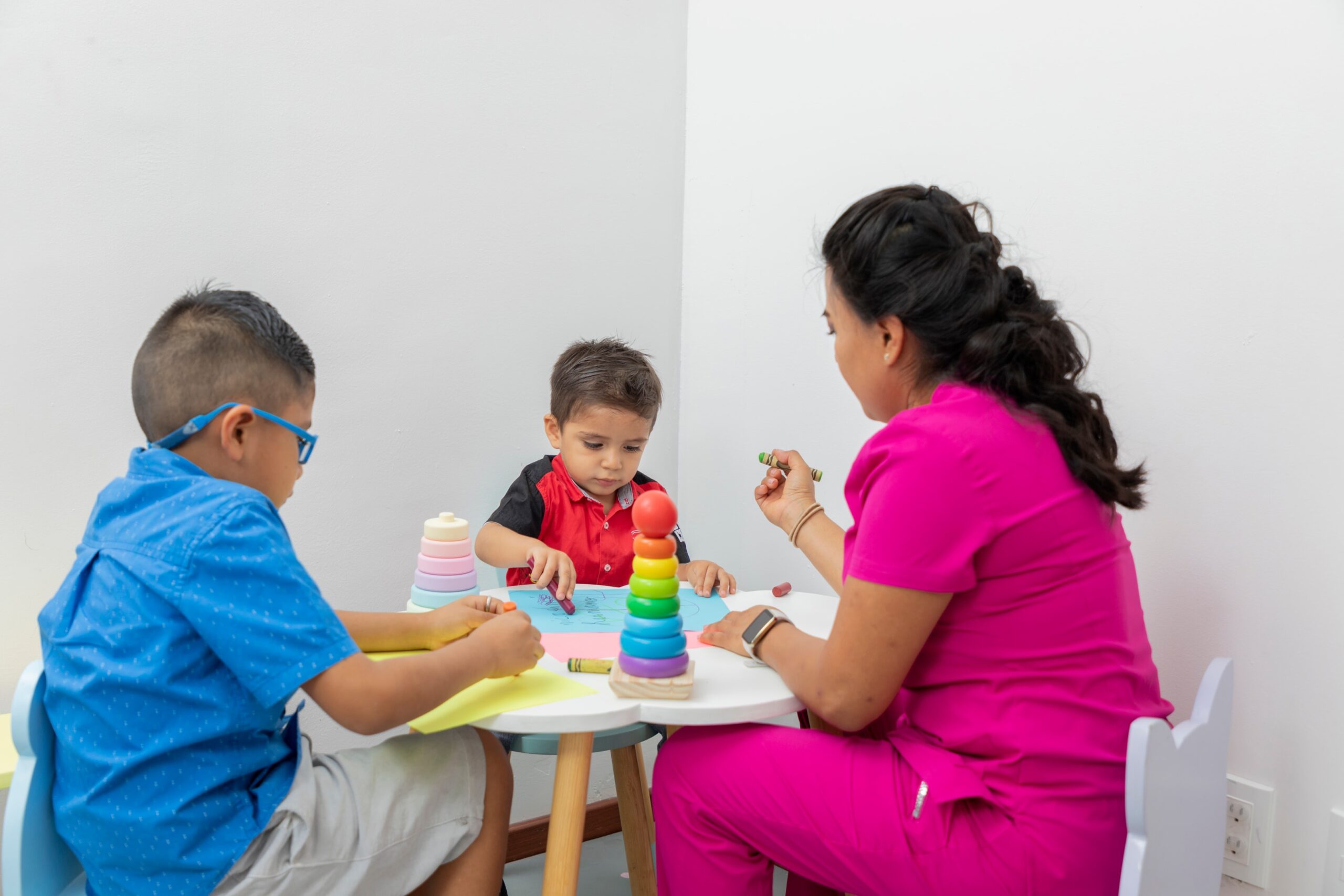
Occupational Therapy for Children: Expert Support for Real-life Development
Occupational therapy for children helps them take part in everyday activities that support learning, play, and independence. Childhood development depends on steady progress in motor skills, sensory processing, communication, and self-care. When developmental delays, physical conditions, or sensory challenges interfere with daily life, paediatric occupational therapy provided at SRM Global Hospitals in Chennai provides structured, goal-based support to help children build functional skills at their own pace.
What Does Occupational Therapy Mean for Children?
In childhood, “occupations” include self-care, play, learning, and social participation, such as
- Daily activities such as feeding, brushing teeth, dressing, bathing, and toileting build independence.
- School-related tasks like handwriting, classroom attention, reading readiness, and group participation support academic progress.
When Does a Child Need Occupational Therapy?
Parents often seek occupational therapy when developmental milestones are delayed or when daily routines become difficult, such as:
- Difficulty with sitting balance or posture
- Poor fine motor skills, such as holding a pencil or using utensils
- Challenges with dressing, feeding, or brushing teeth independently
- Weak coordination during play
- Poor handwriting or slow writing speed
- Limited attention in class
- Sensory sensitivities to sound, touch, or movement
- Difficulty interacting with peers
The occupational therapy provided at SRM Global Hospitals focuses on improving participation across home, school, and community settings to achieve practical function, not just isolated exercises.
Importance of Early Therapeutical Intervention in Child Development
Early therapeutical intervention in paediatric occupational therapy at SRM Global Hospitals significantly improves long-term outcomes. As the therapy addresses developmental delays during early childhood, it supports smoother transitions into later stages of growth, builds resilience and enhances overall quality of life, such as:
- Improved motor skills
- Greater independence in self-care
- Stronger social participation
- Better classroom engagement
Role of a Paediatric Occupational Therapist

A paediatric occupational therapist at SRM Global Hospitals evaluates how physical strength, coordination, sensory processing, cognitive skills, and emotional regulation affect a child’s ability to manage daily tasks. The therapist works with infants, preschool children, school-aged children, and adolescents experiencing developmental delays, physical disabilities, or sensory processing difficulties, such as:
- Autism spectrum disorder
- Cerebral palsy
- Sensory processing disorder
- Genetic or neurological conditions affecting motor skills
Comprehensive Assessment
Assessment takes place in the clinic, school, or through virtual consultation, which includes evaluation of:
- Fine and gross motor skills
- Postural control
- Sensory processing
- Attention and behaviour
- Social interaction
Personalised Treatment Plan
A structured therapy plan outlines specific goals related to motor development, self-care, feeding, sensory regulation, and school participation. Therapy sessions use play-based methods to maintain engagement while targeting functional outcomes. Parents and teachers receive consultation to reinforce progress during daily routines, in which regular reviews ensure that goals remain relevant and achievable.
Core Areas in Pediatric Occupational Therapy

Pediatric occupational therapy in SRM Global Hospitals focuses on developing essential skills that enable children to participate confidently in daily life. In this, the core areas address physical, sensory, functional, and social abilities in a structured and holistic manner. Strengthening these foundations supports independence at home, improved school performance, and effective participation in play and social activities.
Fine Motor Skills
Fine motor development involves small muscle coordination in the hands and fingers. Weakness in this area affects handwriting, buttoning clothes, tying shoelaces, or using utensils.
Occupational therapy strengthens hand muscles, improves dexterity, and enhances hand–eye coordination. Better fine motor control supports writing clarity, dressing independence, and efficient feeding skills.
Gross Motor Skills
Gross motor skills involve larger body movements such as running, jumping, balancing, and climbing. Poor core stability or posture can reduce sitting tolerance in class and limit playground participation.
Therapy improves balance, coordination, and motor planning. Stronger postural control supports classroom engagement and confident physical activity.
Sensory Processing and Regulation
Some children overreact or underreact to sensory input such as sound, touch, light, or movement. Sensory processing difficulties lead to distraction, discomfort with clothing textures, or avoidance of certain environments.
Structured sensory integration techniques help children regulate responses and maintain attention. Improved sensory processing supports emotional stability and smoother participation in daily routines.
Self-care and Daily Living Skills
Feeding, grooming, dressing, and toileting require coordination, sequencing, and attention. Difficulty in these areas can affect confidence and family routines.
Occupational therapists teach step-by-step strategies and adaptive methods that promote independence, in which consistent guided practice strengthens long-term skill retention.
Social Skills and Emotional Development
Social participation is essential for healthy development. Some children struggle with turn-taking, sharing, or interpreting social cues.
Therapy uses structured play and guided interaction to improve communication, cooperation, and emotional expression to build confidence and self-esteem.
Support Beyond Therapy Sessions
Occupational therapy progress continues through consistent support at home and school. When parents or caregivers and teachers reinforce therapeutic strategies in daily environments, children experience steady improvement and better long-term outcomes.
From Parents or Caregivers
Parental or caregiver involvement plays a major role in successful therapy outcomes. Occupational therapists provide structured home programs and practical strategies that help children practise newly learned skills during everyday routines. Consistent guidance at home strengthens independence and reinforces progress made during therapy sessions.
From Teachers
Paediatric occupational therapists collaborate closely with teachers to support classroom success. This includes improving seating posture, modifying writing techniques, and assisting with task management strategies. These practical adjustments enhance school participation, sustain attention, and improve overall academic performance.
Begin Your Child's Occupational Therapy-Book an Appointment
SRM Global Hospitals in Chennai offers structured, child-focused rehabilitation services designed to support steady progress in motor skills, sensory regulation, learning readiness, and independence in their daily activities.
- Dedicated paediatric occupational therapy programs personalised to individual developmental needs
- Comprehensive evaluations covering motor, sensory, cognitive, and behavioural areas
- Evidence-based, goal-oriented treatment plans with measurable progress tracking
- Play-based therapy approaches that keep children engaged and motivated
- Parent and teacher guidance to ensure consistent support beyond therapy sessions
- Modern rehabilitation facilities are designed to create a safe and child-friendly environment
FAQs on Occupational Therapy for Children
1. How do I know if my child or young people in my family need occupational therapy?
If children and young people are not meeting developmental milestones, have trouble with attention, hyperactivity, sensory difficulties, or conditions like cerebral palsy, occupational therapy can help.
2. What Will Happen During My Child's First Visit to a Pediatric Occupational Therapist?
Your child’s first visit with a pediatric occupational therapist is an evaluation. The therapist will assess your child’s fine motor skills, behaviour during age-appropriate play, and ability to manage daily activities.
3. Can Occupational Therapy Help if My Child Has Sensory Issues or Genetic Conditions?
Yes. Children’s occupational therapists support children and young people with sensory difficulties, genetic conditions, and other genetic conditions affecting health and development conditions. The therapy improves sensory processing, attention, and daily functioning through structured activities.
4. My Child Gets Distracted Easily and Avoids Eye Contact. Should I Be Worried?
Lack of attention, hyperactivity, impulsivity, or avoiding eye contact can indicate functional trouble in daily activities. Occupational therapy can help improve focus, emotional regulation, and social interaction through structured play and guided skill development.
5. How Do Occupational Therapists Work With Families and Schools?
Children’s occupational therapists work closely with parents, teachers, and other health professionals. They provide advice, home programs, and school strategies to support children and young people in education, play, and daily activities.
