


Cervical Lymph Nodes: The Body’s Defence You Didn’t Know About
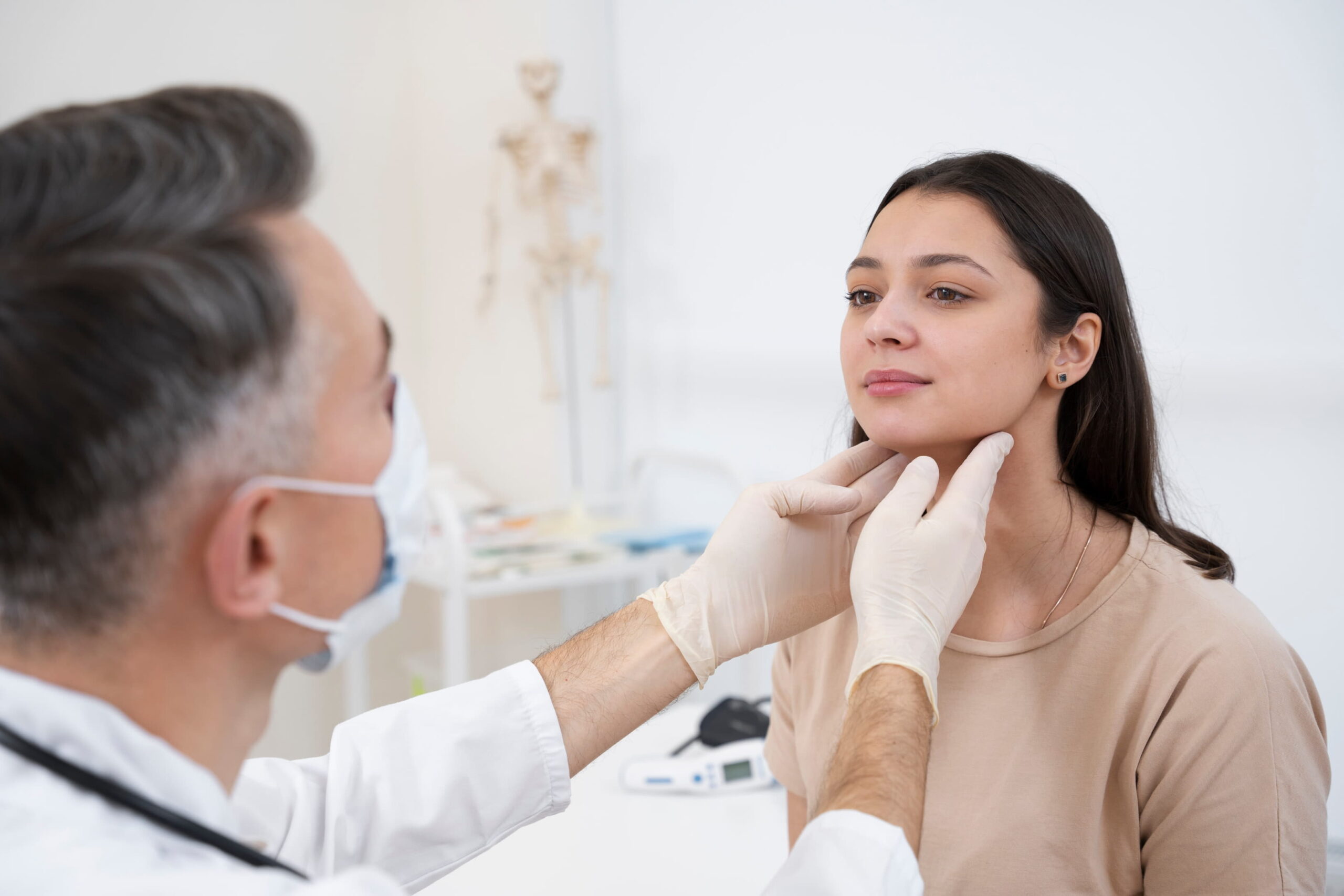
Cervical lymph nodes are small, bean-shaped structures in the neck that filter harmful substances like bacteria, viruses, and damaged cells from the lymphatic fluid. They form one of the densest networks in the body, with nearly 300 nodes present in the neck. These nodes filter lymph drained from the head and neck region, returning filtered fluid, salts, and proteins to the bloodstream.
SRM Global Hospitals in Chennai evaluates cervical lymph node conditions using world-class diagnostic facilities and evidence-based clinical protocols.
Structural Composition of Cervical Nodes
Each cervical lymph node consists of:
- Outer cortex: Contains lymphocytes (immune cells that detect and attack infections).
- Inner medulla: Contains medullary cords, sinuses, in which the lymphocytes interact with filtered lymph fluid.
Histological (microscopic) studies confirm that these lymphocytes coordinate immune responses and help prevent the spread of infections or cancer.
Classification of Cervical Lymph Nodes
Cervical Mucus and Fertility
| Levels | Anatomical Boundaries | Key Structures |
|---|---|---|
| Level I nodes | Between the anterior and posterior segments of the digastric muscle (a small neck muscle near the jaw and ear) | Submental nodes (under the chin), submandibular nodes (under the jaw) |
| Level II nodes | From the skull base to the hyoid bone (a small U-shaped bone supporting the tongue) | Internal jugular vein (central vein carrying blood from the head), spinal accessory nerve (controls neck and shoulder muscles) |
| Level III nodes | From the hyoid bone to the inferior border of the cricoid cartilage (ring-like cartilage at the base of the voice box) | Common carotid artery (main artery supplying blood to the head and neck) |
| Level IV nodes | From cricoid cartilage to clavicle (collarbone) | Internal carotid artery (supplies the brain), associated with thyroid and laryngeal cancers |
| Level V nodes | Posterior triangle (behind the sternocleidomastoid, in front of the trapezius) | Posterior triangle group nodes are commonly involved in nasopharyngeal tumours. |
| Level VI nodes | Anterior compartment (front of neck) | Thyroid gland (hormone-producing gland), recurrent laryngeal nodes (near the voice box nerve) |
Superficial vs. Deep Cervical Lymph Nodes
In addition to the six cervical lymph node levels, they are also classified as superficial or deep based on anatomical position:
- Superficial nodes: Located near the skin and filter lymph from the face, scalp, and outer neck. They act as first responders to infections or injuries.
- Deep nodes: Positioned closer to vital structures like blood vessels, nerves, and glands; filter lymph from deeper tissues such as the throat, larynx, thyroid, and oral cavity.
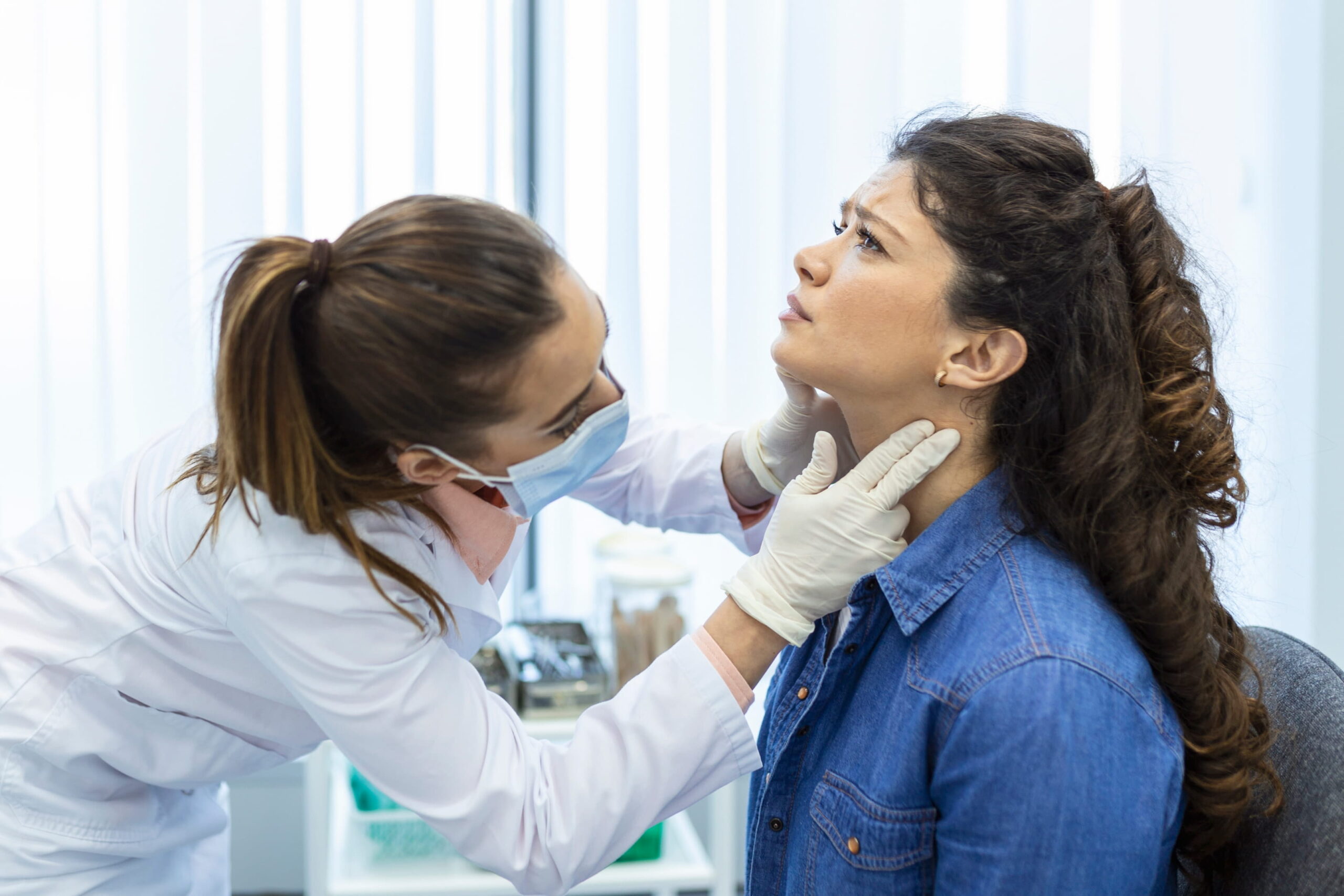
Swollen / Enlarged Cervical Lymph Nodes
Common Causes
| Cause | Examples | Effects |
|---|---|---|
| Infections | Viral: flu, common cold, mononucleosis; Bacterial: strep throat, tuberculosis | Lymph nodes enlarge as the immune system responds to germs in the head and neck region. |
| Autoimmune Disorders | Lupus, rheumatoid arthritis | The immune system attacks healthy tissue, causing lymph node swelling |
| Malignancy (Cancer) | Head and neck tumours, thyroid carcinoma, lung cancer metastasis, squamous cell carcinoma | Cancer cells can spread to cervical lymph nodes |
Children Vs Adults

- Children: Reactive cervical lymph nodes are common as part of the developing immune system. About 45–50% of healthy children may have palpable lymph nodes, usually due to minor infections or immune activity.
- Adults: Persistent lymph nodes swollen for more than two weeks, especially if firm, fixed, or painless, should be evaluated by a healthcare professional. These may indicate infections, autoimmune conditions, or malignancy.
Diagnostic Tools
| Diagnostic tools | Role |
|---|---|
| Ultrasound | Differentiates superficial and deep nodes |
| CT Scan | Evaluates nodal disease in the lateral neck and soft tissues |
| MRI | Provides soft tissue detail around nerves and vessels |
| PET Scan | Assesses metabolic activity in suspicious nodes |
| FNAC | Fine needle aspirate removes small tissue for lab diagnosis |
Neck Dissection – Swollen / Enlarged Cervical Lymph Node Treatment
Types of Neck Dissection
- Selective neck dissection: Removes only affected cervical lymph node levels while leaving others intact.
- Modified radical neck dissection: Removes cervical lymph nodes but preserves vital nerves and veins for normal function.
- Radical neck dissection: Removes all lymph nodes on the affected side, along with the sternocleidomastoid muscle, internal jugular vein, and spinal accessory nerve.
At SRM Global Hospitals, expert surgeons use nerve-sparing techniques, preserving the spinal accessory nerve, internal jugular vein, and sternocleidomastoid muscle. reduces complications after surgery, allowing faster recovery with better neck and shoulder movement.
Monitoring and Prevention of Swollen / Enlarged Cervical Lymph Node

Good Oral Hygiene
Vaccination
Regular Medical Check-up
Preventive Measures
- Healthy lifestyle habits: Balanced diet, adequate hydration, and regular exercise support the immune system.
- Early treatment of infections: Prompt management of throat, dental, or skin infections prevents chronic lymph node enlargement.
Book your appointment with our experts!
SRM Global Hospitals provides comprehensive evaluation and management of cervical lymph nodes:
- Advanced imaging platforms for superficial and deep nodes
- NABL (National Accreditation Board for Testing and Calibration Laboratories) accredited, world-class pathology labs for accurate tissue diagnosis
- Multidisciplinary head and neck surgery teams using nerve-sparing techniques
