
Restoring Hope Through Professional Gait Training

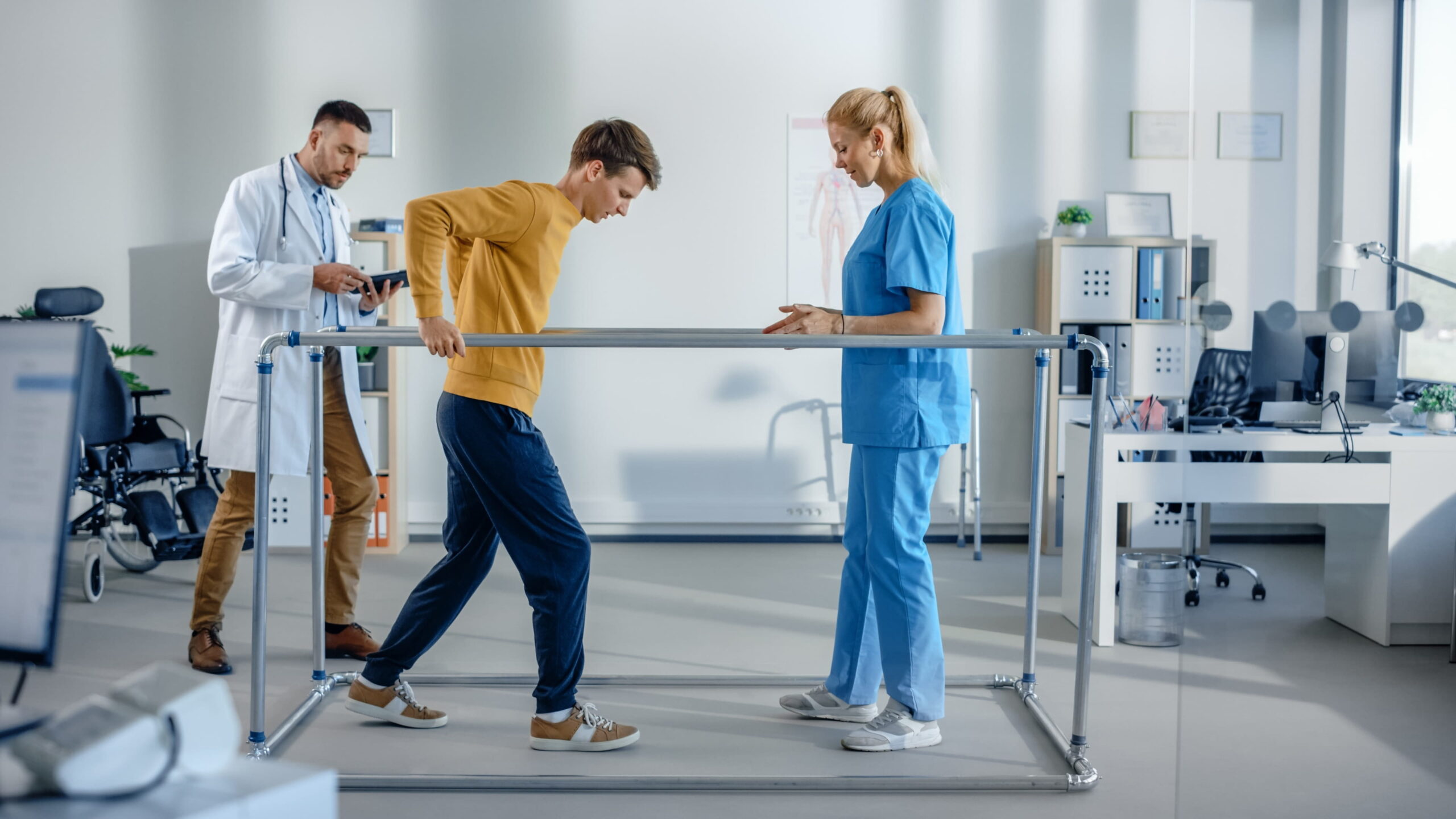
Walking helps people stay independent, mobile, and active in daily life. When the way a person walks (gait) changes, it can affect balance, reduce confidence, and make movement difficult. SRM Global Hospitals, a leading superspeciality hospital in Chennai, offers structured gait training through expert physical medicine and rehabilitation services.

The Science of Walking: Gait Cycle and Speed
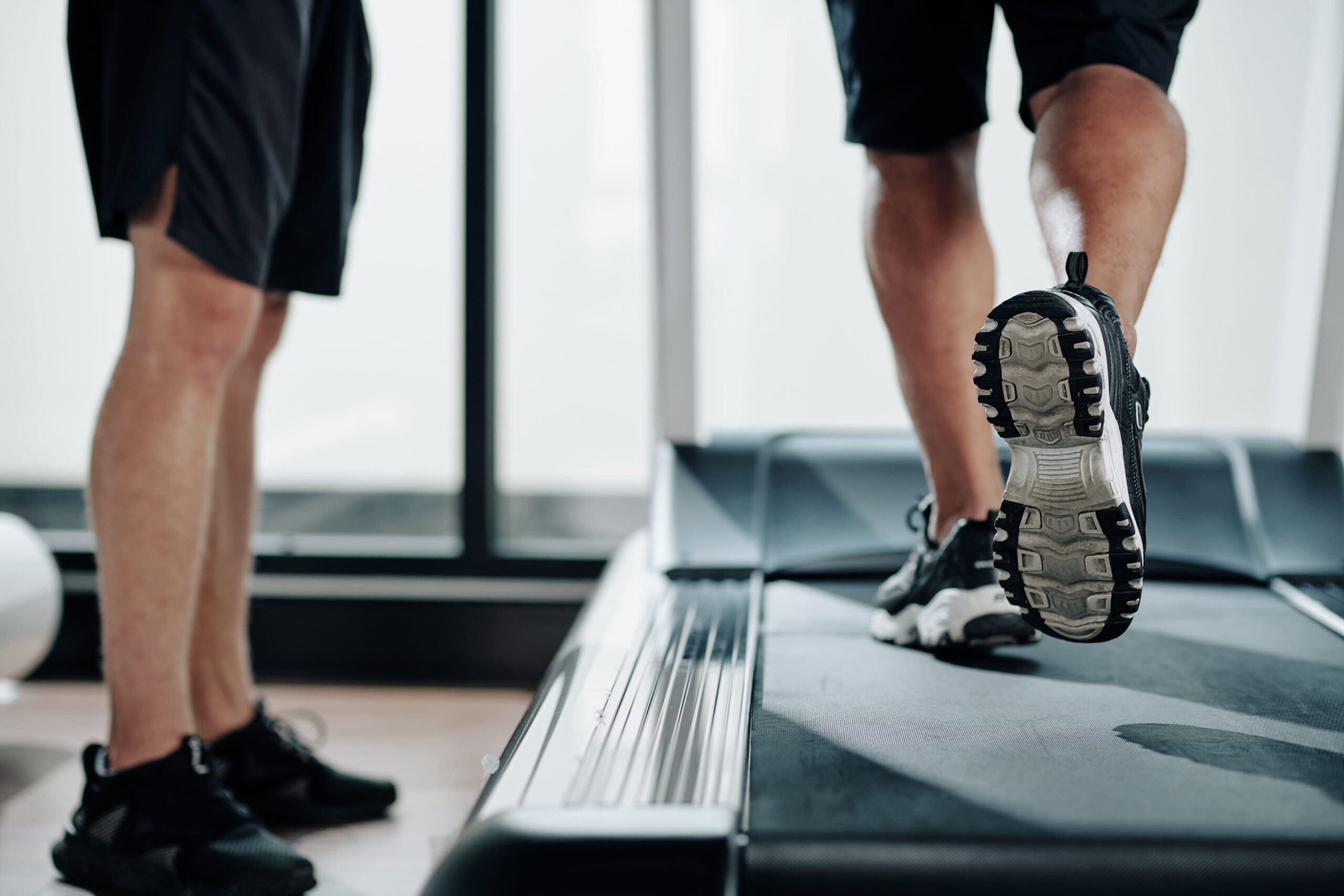
Walking follows a natural movement pattern called the gait cycle. It starts when one foot touches the ground and ends when the same foot touches the ground again.

  • The Stance Phase (Support): This is when the foot stays firmly on the ground. Its job is to support your full body weight and maintain balance while the rest of your body moves forward.
  • The Swing Phase (Movement): While one foot is in the stance phase, the other leg enters the swing phase. This is when the leg lifts and moves forward, clearing the ground to take the next step.

If any part of this cycle is interrupted, walking can become slow, unstable, or unsafe, which is where professional gait training becomes essential.

Gait Training- a Functional Rehabilitation Process
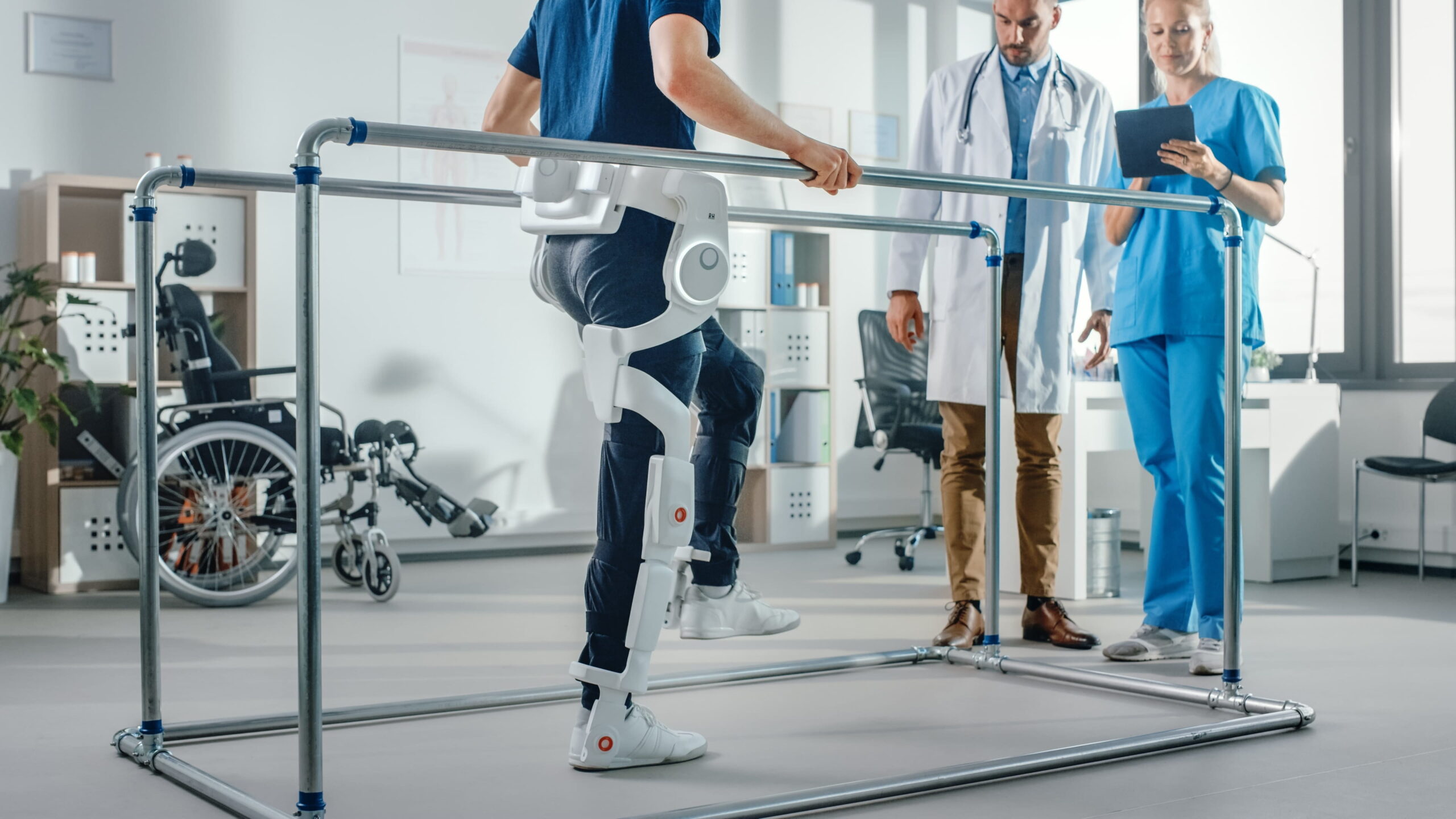
Gait training is a specialised form of physical therapy designed to improve the ability to walk safely and comfortably. By integrating repeated, guided practice, the muscles, joints, and nerves learn to work together, enhancing the control, confidence, and accuracy of every step.

Being able to walk safely at home and outdoors restores confidence and freedom of movement. Successful gait training:

  • Improves daily independence.
  • Lowers the risk of falls.
  • Enhances overall quality of life.

Core Medical Conditions Requiring Gait Training

Gait training is a step-by-step rehabilitation process essential for people with medical conditions that affect walking:

  • Stroke Rehabilitation: Focuses on balance, coordination, and equal use of both legs. Weight shifting and controlled walking speed help improve nerve recovery.
  • Spinal Cord Injury: Focuses on muscle control and sensation. Body-weight support and assistive devices are used when full weight-bearing is difficult.
  • Neuromuscular & Orthopaedic Conditions: Helps improve strength, endurance, and walking pattern while protecting healing tissues after surgery (such as bone and joint problems).

The Clinical Assessment Process
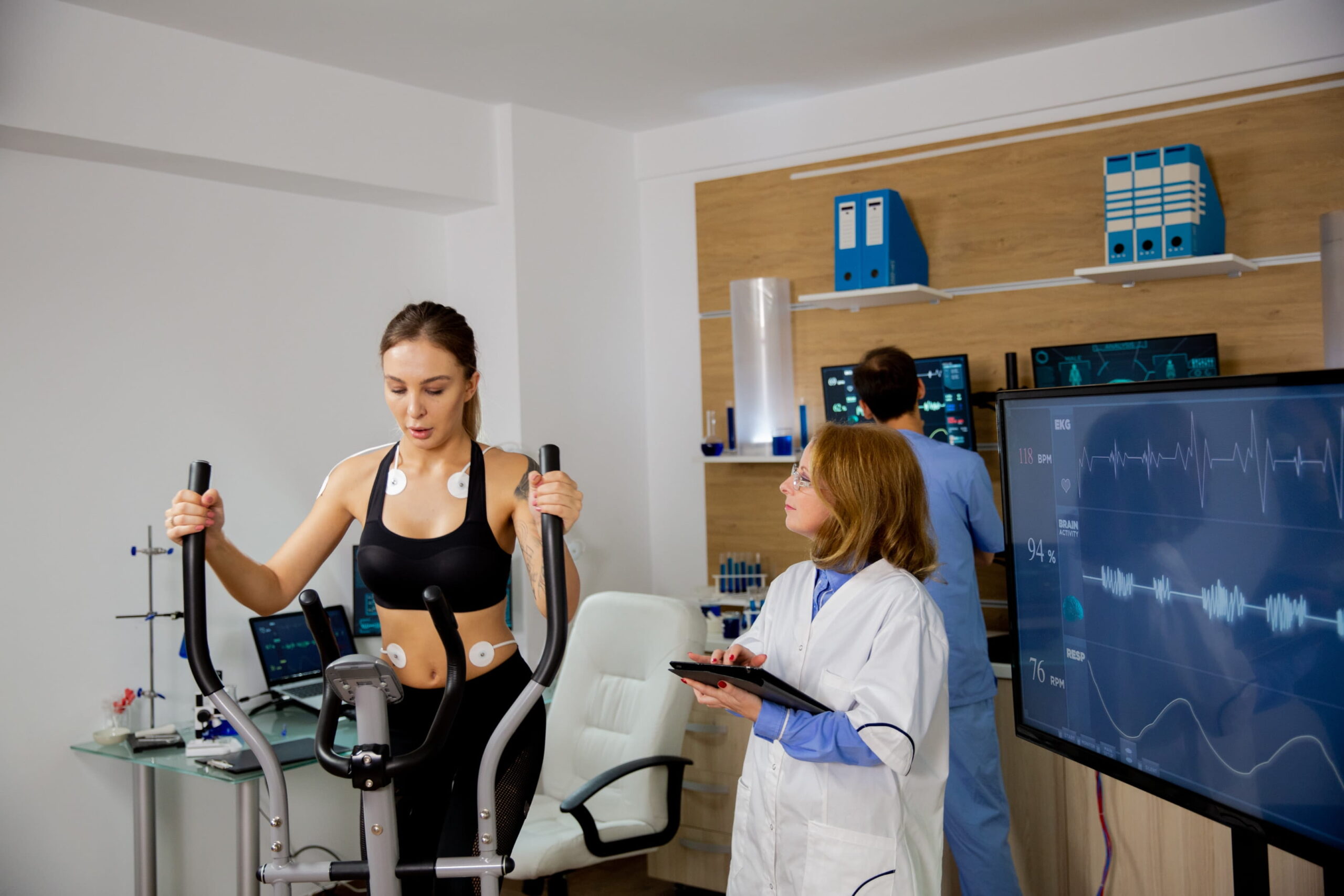
Gait training begins with a detailed clinical assessment by physiotherapists who check walking patterns, speed, step length, balance, and the ability to put weight on the legs with simple walking tests. Using rehabilitation medicine guidelines, experts carefully observe:

  • Foot placement.
  • Knee movement.
  • Overall posture.

Core Components of Training

To ensure a comprehensive recovery, the training focuses on three pillars:

  1. Balance and Stability: Exercises focus on maintaining posture, mastering weight shifting, and staying steady while turning or changing direction.
  2. Strength and Movement: Training focuses on the hips, thighs, calves, and core muscles to provide the power needed for movement.
  3. Flexibility: Stretching and joint mobility exercises improve the range of motion in the knees, ankles, and hips, ensuring a smoother stride.

Structured Gait Training Exercises

At SRM Global Hospitals, gait training includes exercises performed under expert supervision:

  • Parallel Bars: Help with balance and starting steps during early recovery.
  • Body-Weight Support Systems: Reduce stress on the legs for patients who cannot fully bear weight.
  • Treadmill Training: Helps improve walking rhythm and control speed.
  • Balance & Coordination: One-leg standing and heel-to-toe walking to improve posture and control.
  • Strength & Side Stability: Side-stepping exercises to strengthen hip muscles and improve foot placement.
  • Advanced Walking Practice: Step-ups, obstacle walking for better foot clearance, and backwards walking to activate different muscles.

Use of Assistive Devices

Assistive devices like walkers, canes, and braces provide support and safety during walking. The choice of device depends on balance, strength, and walking ability. As patients improve, therapists gradually reduce the use of these devices to regain confidence and move towards independent walking.

Why Choose SRM Global Hospitals?

SRM Global Hospitals provides gait training through a dedicated Physical Medicine and Rehabilitation (PMR) team with expertise in restoring movement after neurological, orthopaedic, and post-surgical conditions. Care is guided by rehabilitation physicians and experienced physiotherapists trained in evidence-based gait rehabilitation.

Individualised Gait Rehabilitation Programs

Every patient receives a personalised gait training plan based on detailed clinical assessment, diagnosis, functional goals, and recovery stage. Therapy intensity, exercises, and assistive support are personalised to ensure safe progression and measurable improvement.

Multidisciplinary Clinical Support

Gait training is supported by close collaboration between rehabilitation specialists, neurologists, orthopaedic surgeons, and neurosurgeons, ensuring coordinated care for complex conditions such as stroke, spinal cord injury, and post-operative recovery.

Advanced Rehabilitation Infrastructure

SRM Global Hospitals is equipped with modern rehabilitation facilities, including treadmills, body-weight support systems, parallel bars, and balance training tools that enable structured, progressive, and safe walking practice across all recovery phases.

Focus on Functional Independence

Rehabilitation is centred on real-life walking needs, including indoor mobility, outdoor walking, turning, obstacle negotiation, building endurance and helping patients return to daily activities with confidence and reduced fall risk.

Safe and Progressive Recovery Approach

Therapy protocols prioritise patient safety, controlled weight-bearing, posture correction, and balance retraining, ensuring gradual improvement without overloading healing muscles or joints.

Continuous Monitoring and Outcome Tracking

Walking speed, balance, endurance, and gait symmetry are regularly reassessed to track progress and refine treatment plans, ensuring consistent functional gains throughout rehabilitation.

Patient Education and Long-Term Mobility Support

Patients and caregivers receive guidance on home exercises, posture awareness, use of assistive devices, and fall prevention, promoting long-term mobility maintenance beyond hospital-based therapy.

FAQs on Gait Training

1. How Do Balance Exercises in Gait Training Help Me Walk More Safely?

Balance exercises are a key part of gait therapy because they help improve balance, coordination, and stability. A physiotherapist may guide you through one-leg standing, weight shifting, and motion exercises to support a regular gait pattern and reduce fall risk.

2. What is a Normal Gait Cycle, and How Does Gait Training Improve It?

A normal gait cycle includes phases like initial contact, initial swing, and smooth movement of the left leg and the right leg. Gait training retrains muscle groups, improves stride length, knee joint control, and overall leg strength to restore a normal gait.

3. Can Gait Training Help Stroke Patients or People With Nervous System Problems?

Yes, gait training supports stroke patients and people with central nervous system conditions by improving coordination and functional ability. Techniques like treadmill training, body-weight support, and robotic-assisted therapy help improve gait symmetry and stability.

4. What is Retro Walking or Backwards Walking, and Why is It Used in Gait Therapy?

Retro walking, also called backwards walking, is used to improve balance, lower-leg strength, and coordination. It challenges the brain and muscles differently, helping improve gait pattern, posture, and overall stability during daily physical activity.

5. How Does My Healthcare Provider Decide Which Gait Training Method is Right for Me?

Your healthcare provider or physiotherapist selects gait training methods based on your health condition, body weight support needs, and ability to maintain balance. Assistive devices, splints, or advanced technologies may be used to improve gait and overall health safely.