


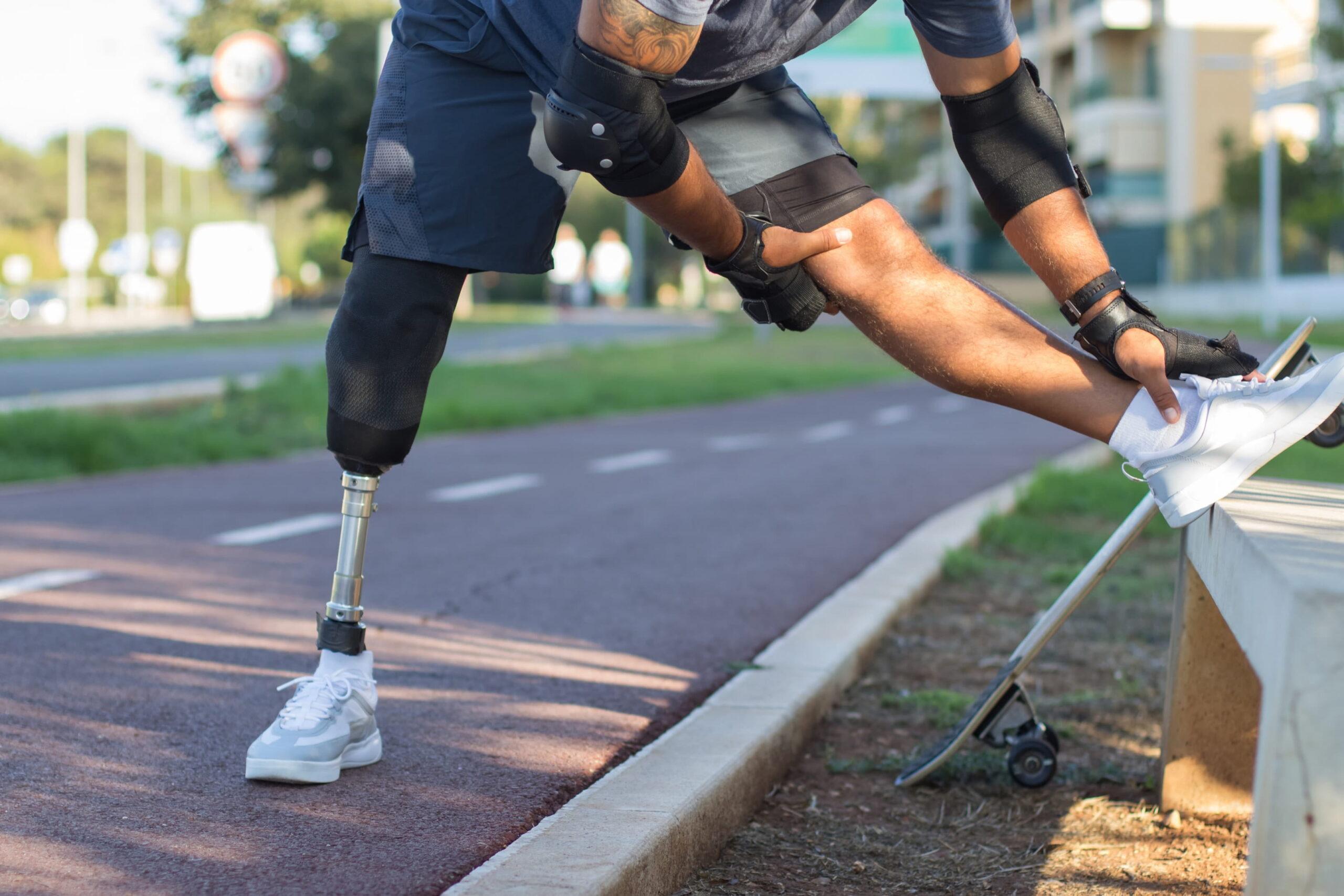
Redefining Life Through Amputation Rehabilitation
SRM Global Hospitals, a leading superspeciality hospital in Chennai, provides advanced amputee rehabilitation for individuals undergoing lower limb amputation, knee amputation, above-knee amputation, or bilateral amputation. The program integrates physical medicine and rehabilitation, prosthetic training, and emotional support to help patients regain mobility, independence, and confidence after amputation surgery.
The personalised rehabilitation plans combine pain management, physical therapy, prosthetic fitting, and psychosocial guidance, guiding patients to return to daily living and social activities safely.
Preoperative Assessment and Preparation
Preoperative preparation ensures readiness for amputation surgery and subsequent rehabilitation:
- Detailed medical assessment of the remaining limb, knee joint, and soft tissue coverage
- Evaluation of joint range of motion, muscle strength, and sensation
- Patient education on postoperative prosthesis, phantom limb pain, and functional expectations
- Planning for weight-bearing exercises, elastic bandaging, and rigid dressing when indicated
Early intervention minimises complications and optimises recovery outcomes for major amputation or leg amputation procedures.
Surgical and Immediate Postoperative Care
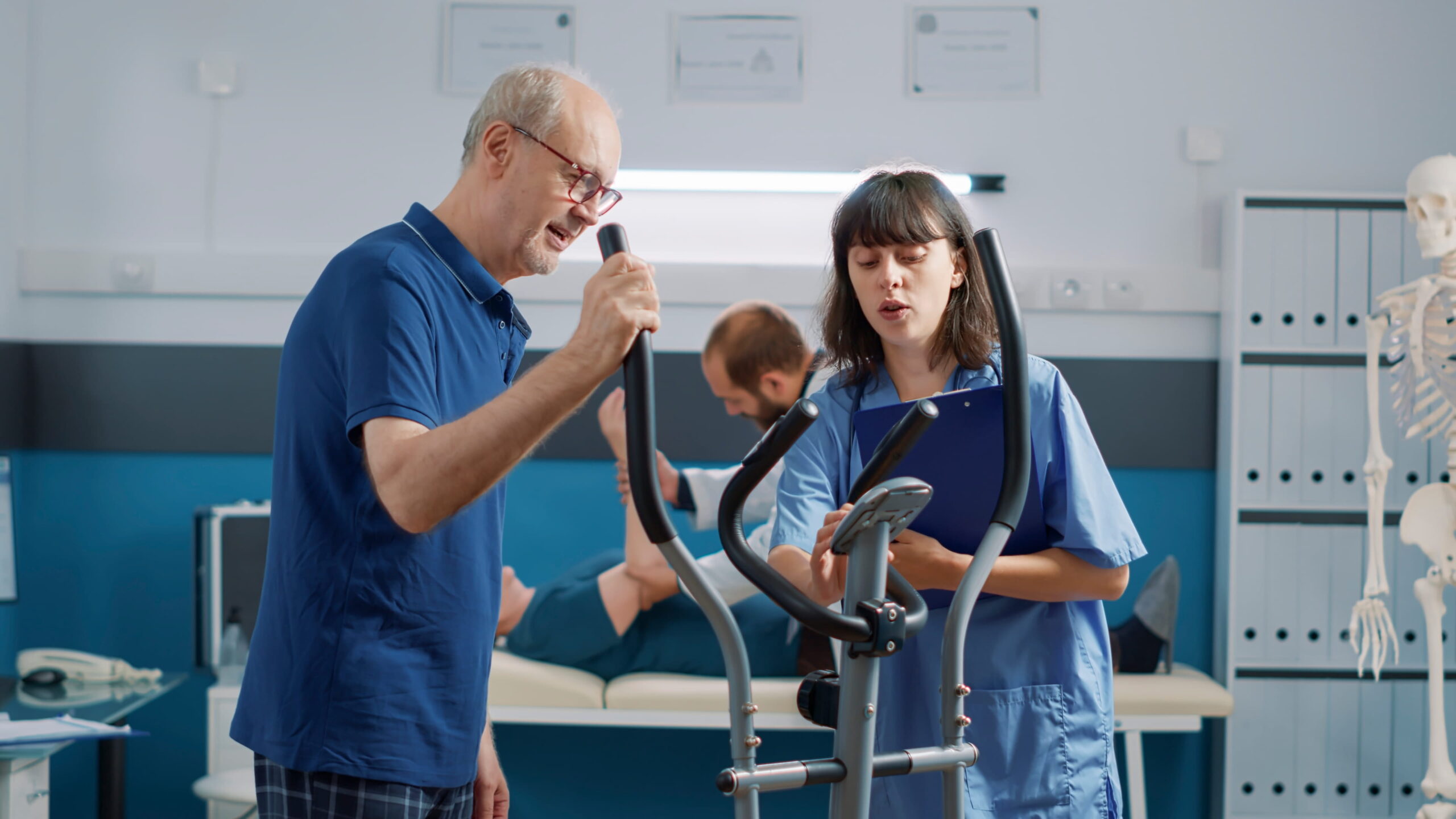
Acute post-surgical care emphasises:
- Pain management, including phantom pain control
- Promoting wound healing with soft dressings, compression therapy, and elastic bandaging
- Oedema reduction using shrinkers oran immediate postoperative prosthesis
- Early mobilisation and weight-bearing to prevent joint contractures
- Monitoring residual limb and soft tissue coverage for safe healing
Effective surgery pain control improves participation in pre-prosthetic training and long-term functional outcomes.
Residual Limb Care and Pre-Prosthetic Training
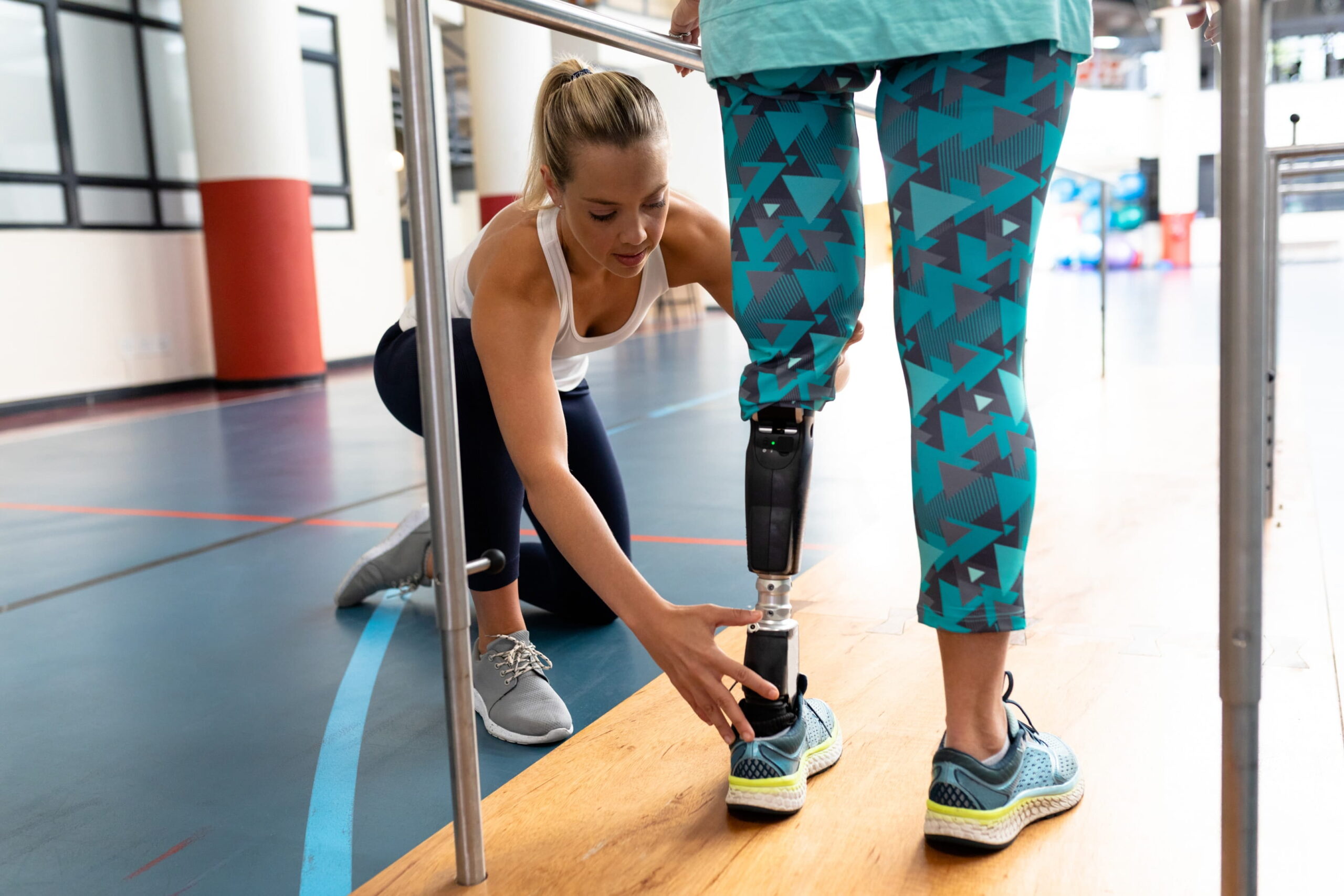
Proper preparation of the amputated limb ensures optimal prosthetic fitting:
- Compression and shaping exercises to reduce oedema
- Stump care, hygiene, and prevention of infection
- Exercises to maintain joint range of motion and muscle strength
- Prevention of contractures to enable safe use ofthe leg prosthesis
- Temporary prostheses for transtibial amputation or above-knee amputation during residual limb healing
Physiotherapists guide positioning, stretching, and relaxation techniques to support tissue integrity and functional recovery.
Pain Management and Early Mobilisation
Structured rehabilitation addresses phantom limb pain, affecting approximately 80% of amputees. Key strategies include:
- Transcutaneous electrical nerve stimulation (TENS)
- Mirror therapy
- Relaxation techniques and guided exercises
Early mobilisation enhances hip flexion, hip extension, knee joint mobility, muscle strength, and weight-bearing capacity, enabling lower limb amputees to participate in therapy actively.
Physical Therapy for Strength and Functional Mobility
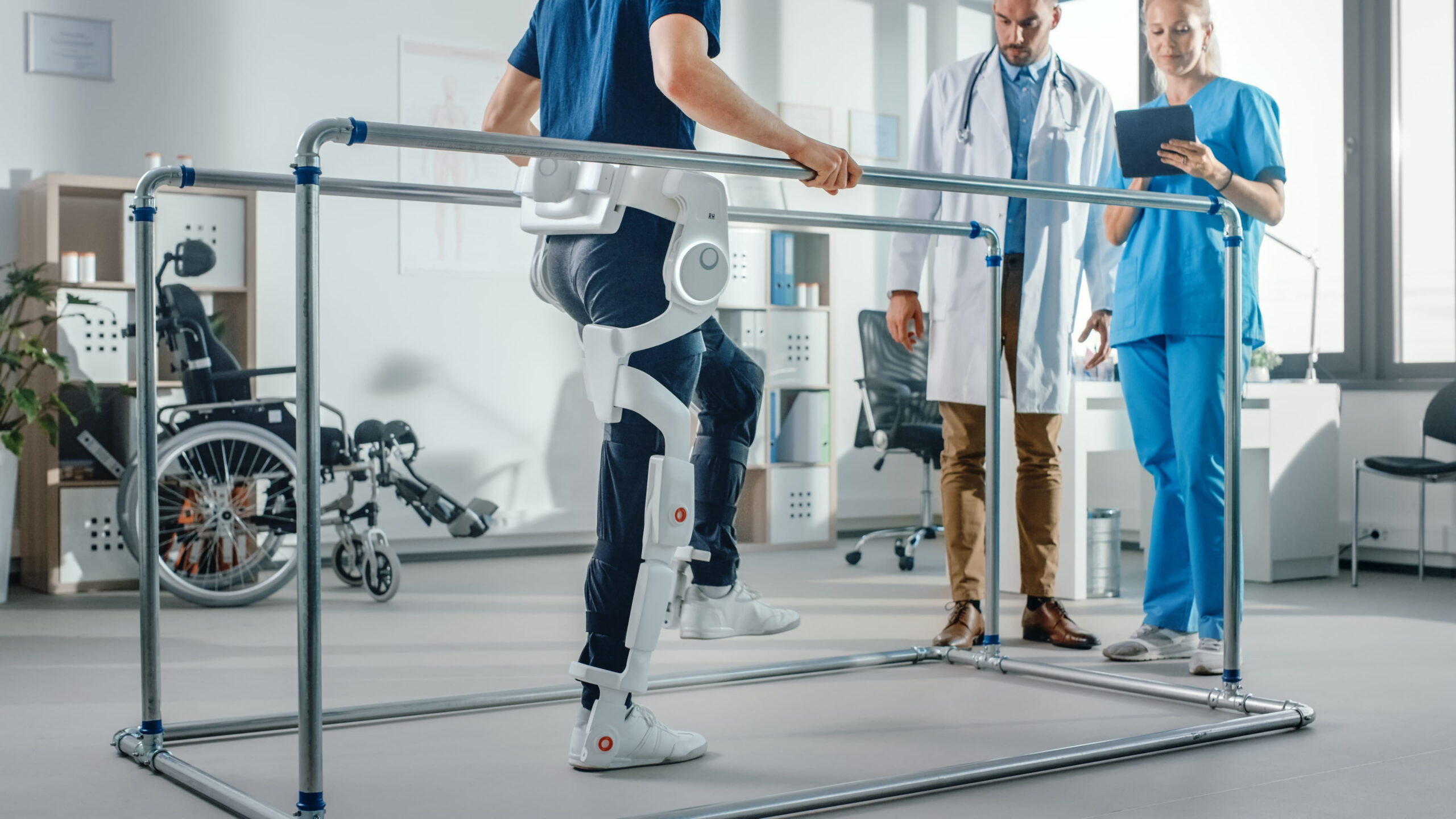
Physical therapy is vital for restoring mobility and independence:
- Strengthening the knee joint, hip flexion, hip extension, and overall joint range of motion
- Preventing muscle atrophy and enhancing cardiopulmonary capacity
- Gait training for proper weight transfer and energy-efficient walking with a leg prosthesis
- Instruction on residual limb care and prosthetic management
- Functional exercises for daily living activities and safe prosthetic use
Regular evaluation ensures joint contractures and residual limb complications are minimised.
Prosthetic Rehabilitation and Functional Training
Prosthetic training integrates device use with independent function:
- Initial temporary prosthesis for below-knee amputations, transtibial amputation, or above-knee amputations
- Education in donning and doffing, hygiene, and maintenance of artificial limb components
- Supervised gait training and functional exercises for mobility tasks
- Custom prosthetic prescription based on age, weight, profession, and activity level
- Transition to permanent prosthesis once the residual limb stabilises
Prosthetic training enhances confidence, safety, and independence in daily life.
Occupational Therapy and Activities of Daily Living
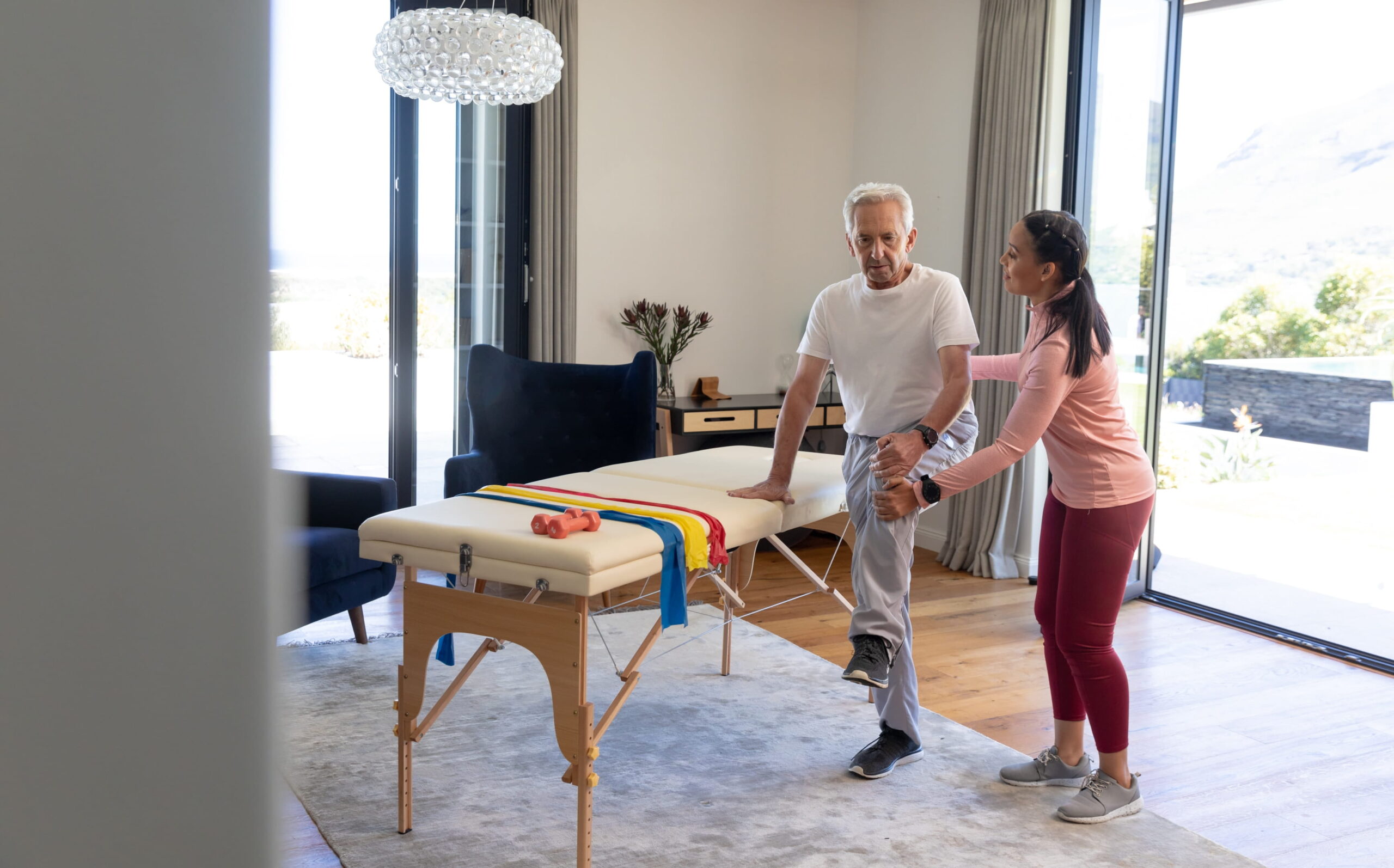
Occupational therapy restores functional independence:
- Relearning ADLs such as dressing, bathing, and home management
- Home and workplace modifications for prosthetic leg or artificial arm
- Recreational activities to enhance physical and social well-being
- Education for patients and families on safe mobility, limb care, and functional tasks
Emotional, Social, and Vocational Support
Psychosocial support ensures holistic recovery:
- Counselling for emotional challenges following limb loss
- Peer and professional support to prevent isolation and improve motivation
- Vocational training for job modification or retraining after amputation
- Encouragement to participate in recreational, leisure, and community activities
Healthy coping strategies enhance social integration and long-term rehabilitation success.
Multidisciplinary Rehabilitation Team
SRM Global Hospitals provides coordinated care through:
- PMR physicians and rehabilitation specialists: Guide recovery from surgery, design individualised amputee rehabilitation plans, and supervise physical and functional therapy.
- Orthopaedic and vascular surgeons: Perform precise amputation surgery, monitor residual limb healing, and ensure optimal soft tissue coverage for prosthetic fitting.
- Physiotherapists and occupational therapists: Restore joint range of motion, muscle strength, and independence in activities of daily living (ADLs); provide functional training for prosthetic use.
- Prosthetists and orthotists: Personalise leg prosthesis, artificial arm, or temporary and permanent prostheses, instruct on donning, doffing, and gait training, and ensure weight-bearing safety.
- Psychologists and social workers: Support emotional adaptation to limb loss, guide healthy coping strategies, facilitate peer support, and assist with vocational retraining and social reintegration.
The team ensures seamless care across preoperative, postoperative, prosthetic fitting, and social reintegration stages.
Long-Term Follow-Up and Recovery
Rehabilitation may take 1 to 1.5 years, so the comprehensive long-term care focuses on:
- Monitoring residual limb health and updating prosthetic devices
- Maintaining functional mobility and ADLs
- Ongoing physical therapy, compression techniques, and joint mobility exercises
- Safe participation in work, sports, and community activities
Consistent follow-up ensures optimal amputee rehabilitation outcomes and functional independence.
Return to Work and Community Integration
Structured rehabilitation supports reintegration:
- Vocational retraining and workplace adaptation
- Safe weight-bearing and mobility with prosthesis
- Participation in recreational, social, and community life
- Reintegration into family and professional roles
Successful rehabilitation restores confidence, health, and societal participation.
Why Choose SRM Global Hospitals?
SRM Global Hospitals offers advanced amputation rehabilitation with:
- Integrated Expertise among surgeons, PMR physicians, therapists, and prosthetists
- State-of-the-Art Facilities for prosthetic fitting, gait training, and therapy
- Patient-Centred Approach with personalised treatment plans
- Multidisciplinary support addressing pain, mobility, emotional well-being, and prosthetic training
- Continuous care from preoperative preparation to lifelong follow-up
