


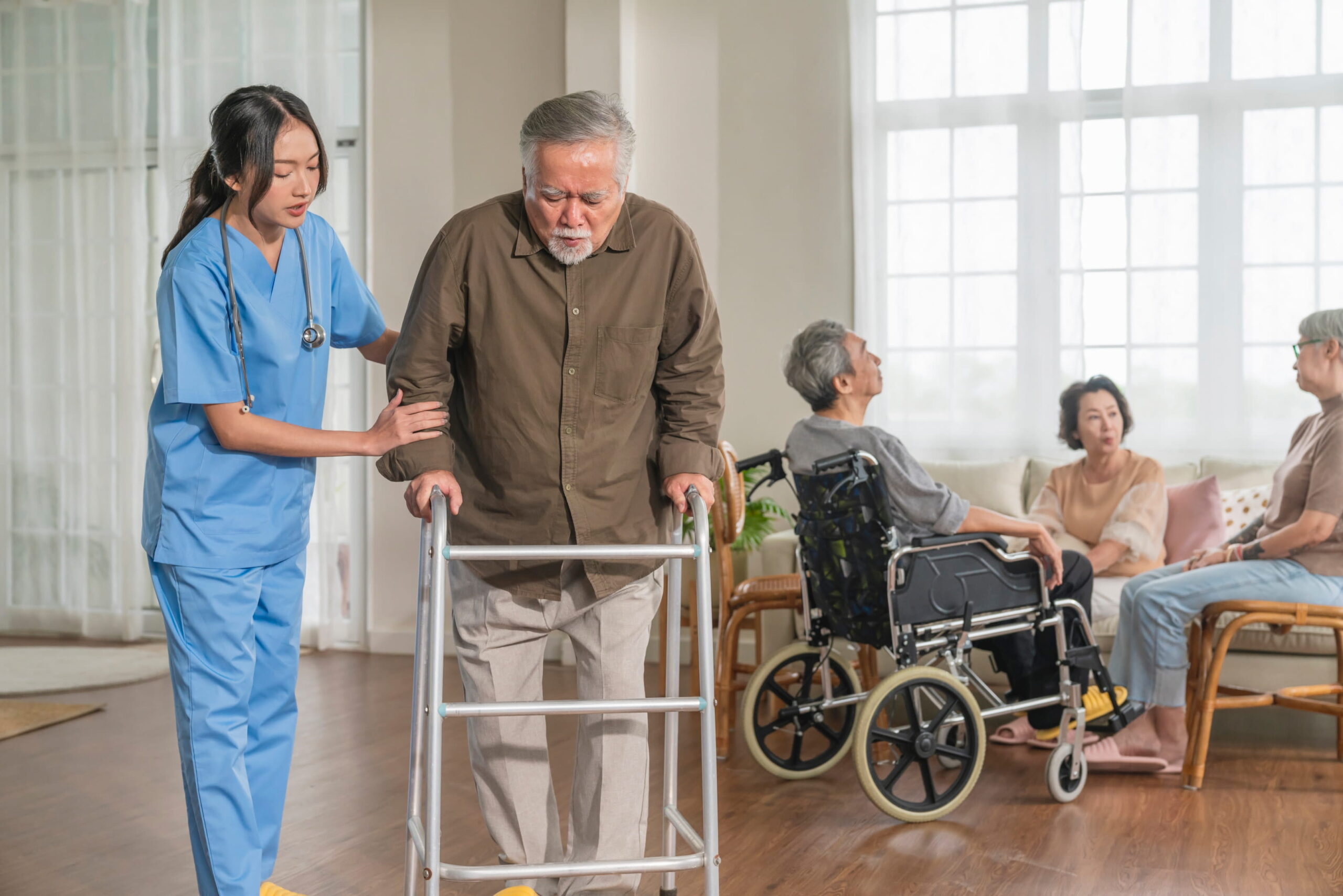
Expert Physiotherapy for Geriatric Rehabilitation
SRM Global Hospitals in Chennai, Tamil Nadu, is a leading superspeciality hospital dedicated to the well-being of elderly patients. Our specialised geriatric rehabilitation assists older patients in achieving functional independence and maintaining an active lifestyle. With world-class facilities and expert care from healthcare professionals, we focus on extending the health span of elderly individuals. Effective treatment involves restoring joint mobility, improving muscle strength, and ensuring safety in daily activities.
The Goal of Geriatric Rehabilitation
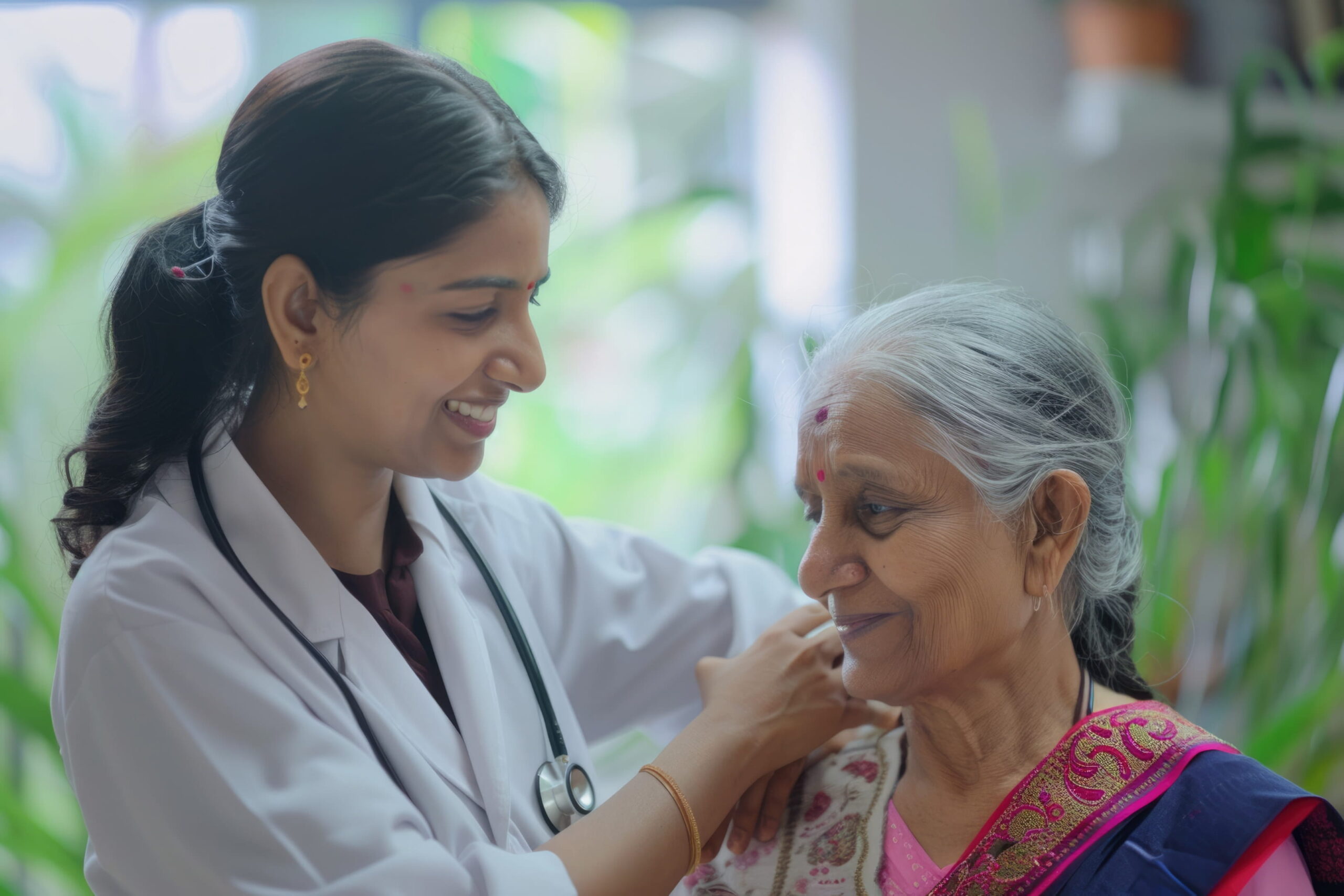
Geriatric rehabilitation is a specialised medical discipline that focuses on restoring functional ability and enhancing residual capacity in older adults. It addresses physiological changes associated with normal ageing while managing complex age-related conditions. At SRM Global Hospitals, the recovery approach combines clinical expertise, a multidisciplinary approach, and personalised care:
Comprehensive Geriatric Assessment (CGA)
A thorough evaluation of medical status, functional decline, nutrition, medications, cognitive function, and psychological health helps design personalised rehabilitation plans. The CGA ensures that healthcare providers can effectively treat older people with diverse needs, including cognitive impairment.
Targeted Therapeutic Interventions
Each patient receives a personalised plan incorporating therapeutic exercises, joint mobilisation, and incorporating exercises for strength, flexibility, and endurance. Every therapy session is focused on enhancing mobility, promoting health, and improving overall quality of life.
Managing Chronic Conditions in Older Adults
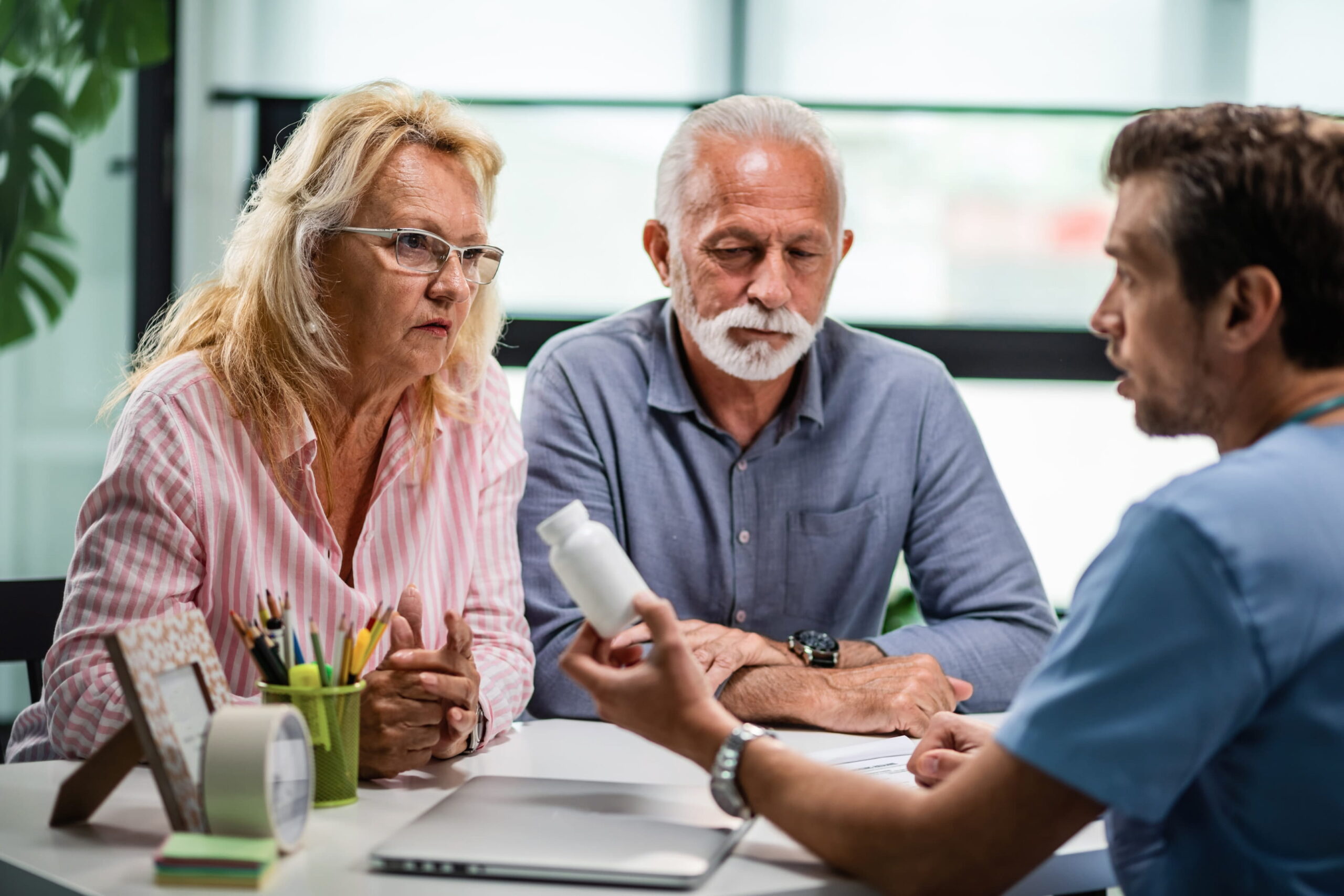
Geriatric rehabilitation at SRM Global Hospitals addresses a wide range of chronic conditions and disabling impairments. Our multidisciplinary approach ensures that every aspect of health is managed comprehensively:
Cardiovascular Health
The rehabilitation supports cardiovascular disease management through monitored activity, improving endurance and maintaining cardiovascular stability.
Neurological Care
Therapies target neurological disorders such as traumatic brain injury, stroke, and Parkinson’s disease, focusing on restoring coordination, cognitive function, balance, and motor skills.
Surgical Recovery
Post-surgical rehabilitation helps patients recover safely after orthopaedic surgeries or traumatic injuries, regaining strength, self-care, and functional independence.
Musculoskeletal Support
The Specialised care addresses joint pain, osteoporosis, arthritis, and joint replacement recovery to restore mobility, flexibility, and overall health.
The Role of Physiotherapy in Geriatric Rehabilitation
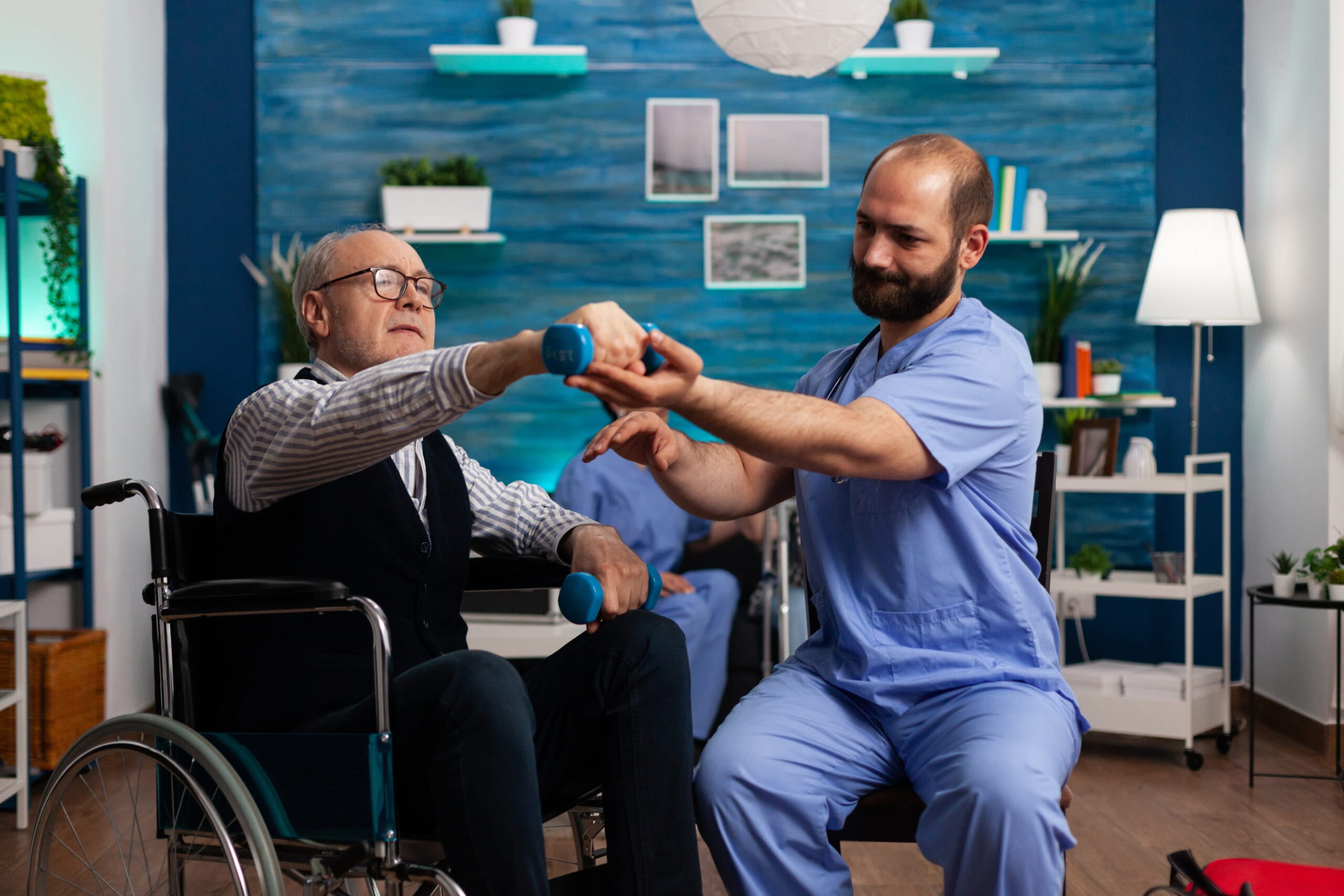
Physiotherapy plays a critical role in geriatric care at SRM Global Hospitals. Physical therapy programs are designed for older people to improve strength, flexibility, endurance, and confidence, allowing older adults to regain independence.
Falls Prevention and Balance Training
Physiotherapy reduces the risk of falls, a significant concern in older adult care, by improving postural control, coordination, and stability:
- Balance Training: Exercises strengthen the vestibular system, improving energy levels and more effortless movement in daily life.
- Weight Shifting Exercises: Enhance coordination and reaction time, essential for preventing falls.
- Neuromuscular Re-education: Improves proprioception and functional decline, helping prevent stumbles during activities like climbing stairs.
Pain Management and Manual Therapy
Chronic joint pain can limit mobility and independence. Experienced physiotherapists use hands-on techniques to reduce pain and improve movement:
- Relieving Discomfort: Manual therapy reduces joint stiffness, arthritis-related pain, and functional decline.
- Neurological Stimulation: Techniques enhance nerve-muscle coordination for smoother movement in patients with cognitive impairment or traumatic brain injury.
- Reduced Medication Reliance: Effective physiotherapy may decrease the need for long-term medications in chronic conditions.
Enhancing Quality of Life Through Specialised Care
Physiotherapy at SRM Global Hospitals is designed to improve both physical and psychosocial well-being:
- Managing Natural Ageing: Exercises maintain flexibility, coordination, and cardiovascular fitness to slow normal ageing.
- Restoration of Autonomy: Patients regain independence in daily tasks, enhancing self-care.
- Confidence in Mobility: Safe movement builds assurance, reducing fear of falling.
- Psychosocial Well-being: Improved mobility supports mental health, reduces social isolation, and encourages participation in any activities.
Advanced Tools and Services
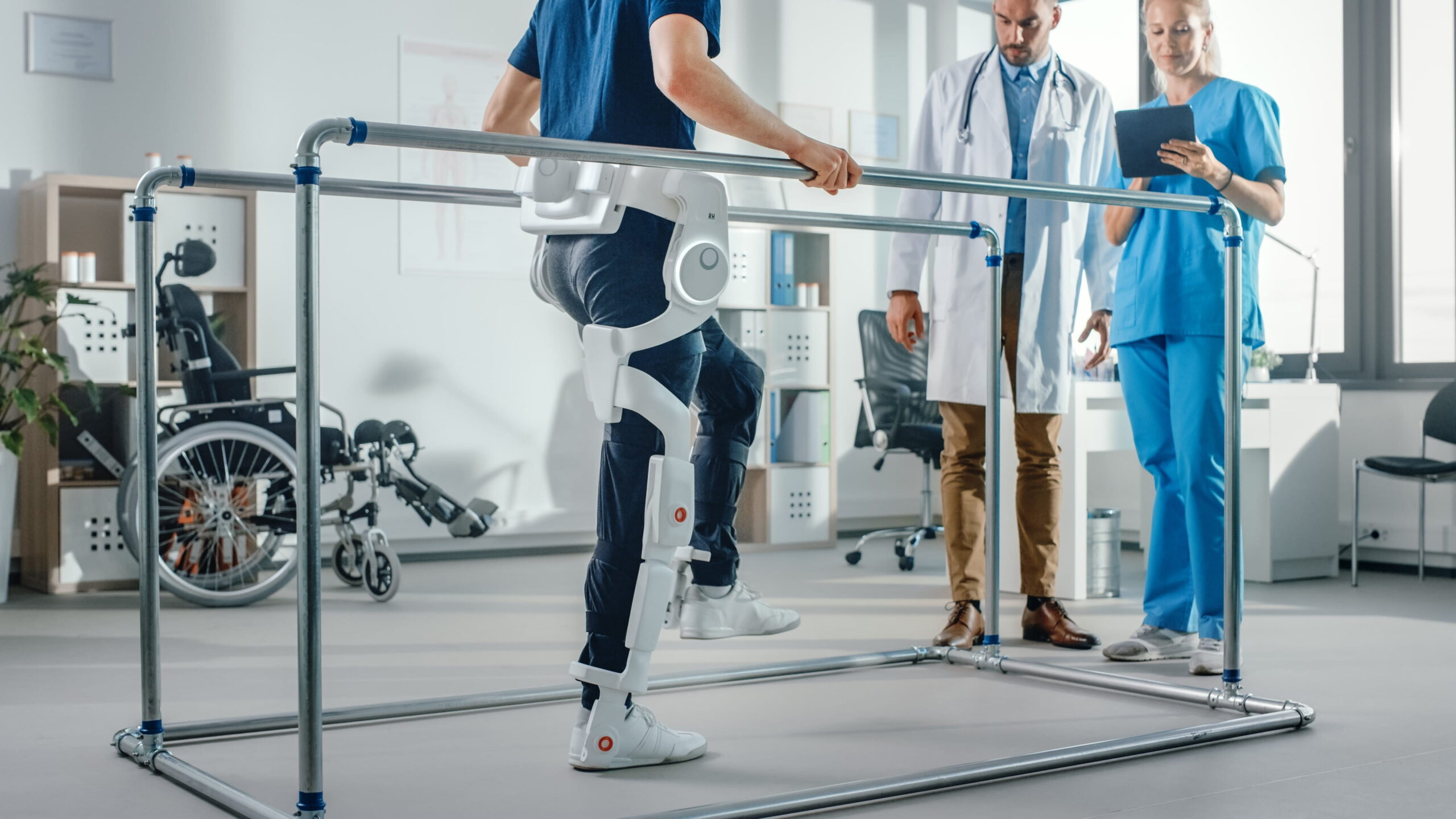
SRM Global Hospitals integrates advanced technology with evidence-based care to deliver precise, effective rehabilitation:
- Assistive Devices: Assessment and training in walkers, mobility aids, and custom supportive devices enhance more effortless movement and a better quality of life.
- Gait Analysis: Advanced systems evaluate walking patterns and balance to personalise therapeutic exercises accurately.
- Tele-rehabilitation: Remote sessions ensure safe, guided exercises at home for continued recovery.
- Cognitive Rehabilitation: Structured programs improve cognitive function and mental clarity in patients with cognitive impairment such as Alzheimer’s disease.
Why Choose SRM Global Hospitals?
SRM Global Hospitals offers a comprehensive, patient-focused model for geriatric rehabilitation:
- Integrated, Personalised Care: Our team of expert physiotherapists, geriatric specialists, and allied healthcare professionals works to deliver seamless, individualised care personalised to each older adult’s unique needs.
- Excellence in Practice: Combining years of clinical experience with advanced rehabilitation techniques, we focus on restoring mobility, enhancing independence, and improving quality of life for older adults.
- Holistic Support for Every Senior: Beyond physical rehabilitation, we address emotional well-being, social engagement, and functional independence.
FAQs on Physiotherapy in Geriatric Rehabilitation
1. What should older adults expect during a geriatric rehabilitation assessment?
The comprehensive geriatric assessment evaluates medical status, functional decline, and social constraints. Our Specialists use these detailed findings to create a specialised plan that restores the ability to perform daily activities.
2. How does geriatric physiotherapy help me stay safe from falls?
Physiotherapists focus on improving balance, flexibility, and muscle strength to decrease fracture risks. Our specialists also suggest environmental changes for your home to remove hazards that might cause accidents.
3. Are there assistive devices or modern methods to help with my mobility?
Therapists use advanced tools such as walkers, mobility aids, and gait analysis to monitor progress. At the same time, tele-rehabilitation sessions enable safe, guided exercises from the comfort of home.
4. Which primary conditions can geriatric rehabilitation treat?
Geriatric rehabilitation can address the primary age-related conditions such as Parkinson’s disease, stroke, hip fractures, arthritis, osteoporosis, balance disorders, and bladder control issues.
5. What role does a physiotherapist play in my recovery after a stroke or traumatic brain injury?
Physiotherapy practitioners design specialised movement programs to restore functional ability and accelerate healing. Exercises target coordination, cognitive function, and muscle memory.
6. What are the benefits of personalised exercise plans on physiotherapy?
Personalised exercises improve mobility, flexibility, and endurance, reduce fall risk, and promote healthy ageing while targeting each senior’s unique needs.
7. Can geriatric physiotherapy reduce my reliance on daily medications?
Movement-based physiotherapy helps manage chronic conditions such as cardiovascular disease, diabetes, and persistent pain, supporting overall health.
8. Can geriatric physiotherapy enhance social participation?
Maintaining mobility and independence allows seniors to engage in community activities, strengthening social connections and mental well-being.
