


Why Sarcoidosis Treatment is No Longer a Guessing Game?
Sarcoidosis is an inflammatory disease where the immune system overreacts. It leads to the growth of tiny lumps called granulomas. While these lumps can form in other organs, they most often appear in the lung tissue and lymph nodes. Doctors often find it hard to diagnose sarcoidosis because its symptoms look like tuberculosis.
Research from 2021 shows that global cases reached about 3,90,000 in a single year. Interestingly, while the disease is seen worldwide, it often hits people between 30 and 50 years of age. At SRM Global Hospitals, we focus on improving your quality of life through early and accurate care.
Is Sarcoidosis Cancer?
Sarcoidosis is not cancer. Cancer involves out-of-control cell growth, while sarcoidosis is an inflammatory disease. However, having a chronic illness may lead to an increased risk of other health issues. Doctors often monitor cancer patients and sarcoidosis patients using similar scans, like a CT or PET scan, which adds to the confusion.
How Doctors Diagnose Sarcoidosis?
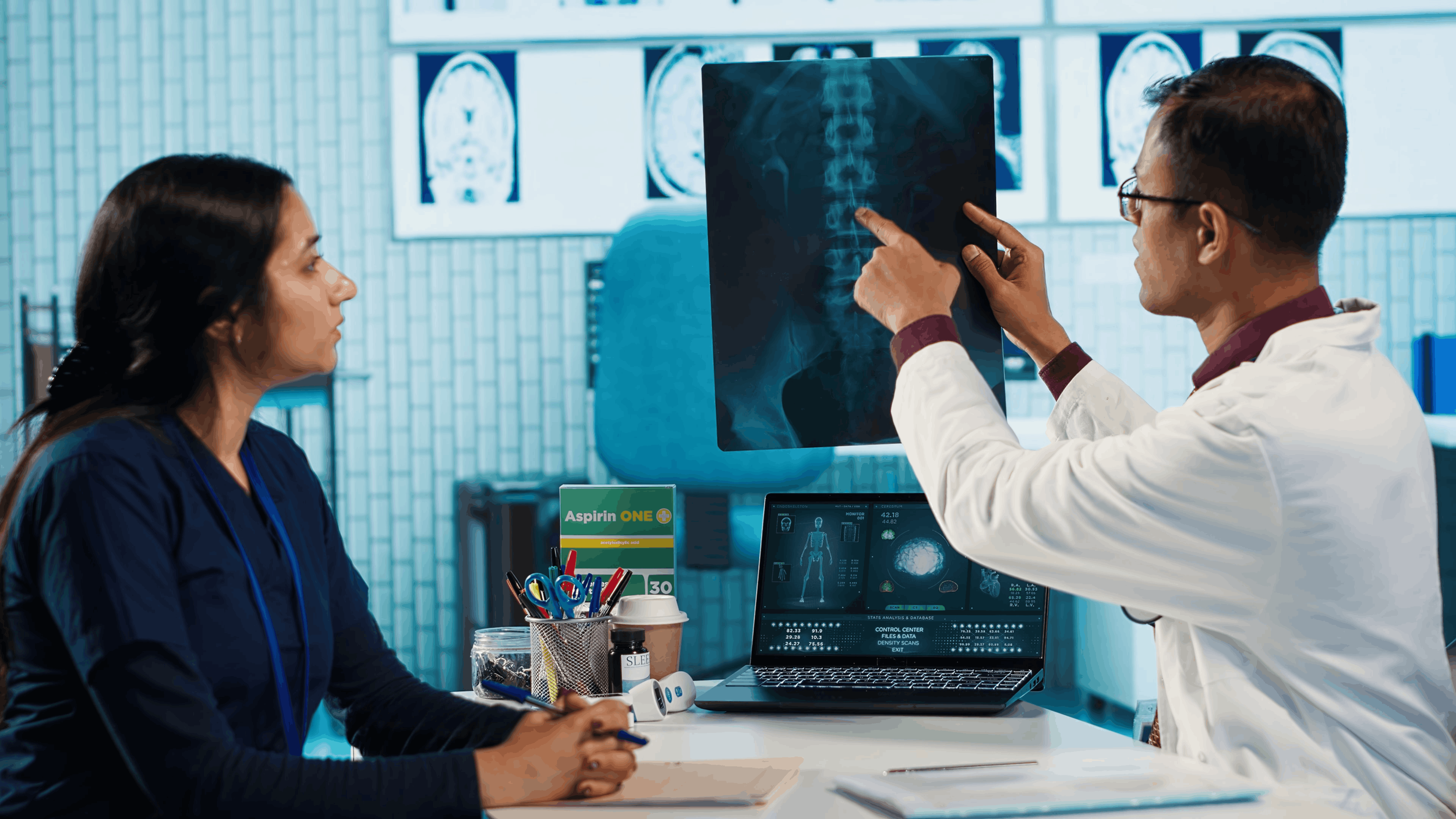
Identifying this chronic disease requires several steps. A physical exam is the first step, followed by specific tests:
- Chest X-rays and Computed Tomography (CT): These scans show enlarged lymph nodes or lung lesions.
- Lung Function Tests: Also called a pulmonary function test, these measure how well your lungs hold air through pulmonary function testing.
- Endobronchial Ultrasound Guided Transbronchial Biopsy: This allows doctors to take a tiny piece of lung tissue to check for granulomas.
- Blood Tests: These check for markers like tumour necrosis factor alpha, which indicates inflammation.
In a 2022 study from the North India states, nearly 61% of sarcoidosis patients were male. Early detection is vital as advanced pulmonary sarcoidosis can lead to pulmonary hypertension.
Standard Sarcoidosis Treatment
Many sarcoidosis patients have mild symptoms and may not need immediate medicine, which is called observation in sarcoidosis. Monitoring without pharmacological intervention is common for these cases. However, if the disease affects your daily life, doctors start symptomatic pulmonary sarcoidosis care.
1. Corticosteroid Therapy
Corticosteroid therapy is the mainstay of first-line treatment to treat sarcoidosis. These medicines lower the activity of immune cells.
- Low-dose corticosteroid therapy: Used for long-term control to avoid side effects. Medicines like prednisone are typically started at 20–40 mg daily and tapered over 6–18 months.
- Inhaled corticosteroids: These help if you have a cough or shortness of breath.
- Efficacy: These drugs improve overall disease control, symptoms, and quality of life. The initial dose is usually tapered after 3 to 6 weeks to find a maintenance level.
- Side Effects: Common risks include weight gain, diabetes, glaucoma, osteoporosis, and depression.
2. Immunosuppressive Treatment
If steroids do not work, doctors use other drugs. New consensus statements recommend early addition of these steroid-sparing agents instead of waiting for steroid failure.
- Methotrexate: A common and widely used second-line drug used as a steroid-sparing agent.
- Azathioprine and Leflunomide: The second-line non-steroid medicines, with their efficiency varying compared to methotrexate.
- Infliximab: The effective third-line drug for advanced or refractory stages.
- Hydroxychloroquine: Effective medicine for skin lesions in cutaneous sarcoidosis and high calcium levels with lower toxicity.
Future of Sarcoidosis Treatment

The European Respiratory Society (ERS) and the Indian Council of Medical Research (ICMR) update clinical practice guidelines regularly to ensure that Sarcoidosis treatment follows a highly individualised, stepwise approach.
Recent milestones in sarcoidosis research include:
- Efzofitimod (ATYR1923): It targets the neuropilin-2 receptor and has completed Phase III trial enrollment in 2025.
- Standardised Endpoints: An international expert panel reached consensus in 2024 on how to measure drug success to speed up future approvals.
- Biomarkers: There is a strong interest in finding biomarkers in sarcoidosis to predict who will respond to targeted therapies in sarcoidosis.
At SRM Global Hospitals, we ensure every patient gets a plan for long-term management of sarcoidosis based on the latest research.
Organ-Specific Treatment and Complications
Chronic sarcoidosis can move beyond the lungs. It is a chronic illness that may involve the heart, eyes, or skin.
| Organ Affected | Condition Name | Diagnostic Tool |
| Heart | Cardiac sarcoidosis | Cardiac magnetic resonance imaging (MRI) |
| Skin | Skin sarcoidosis | Skin biopsy for cutaneous disease |
| Eyes | Ocular sarcoidosis | Regular eye examinations for inflammation |
| Nervous system | Neurological sarcoidosis | Brain or spine MRI |
Cardiac involvement is severe and occurs in about 5% of cases, though autopsy studies suggest up to 25% may be clinically silent. It can cause ventricular arrhythmias, heart failure, or sudden death. Research indicates that using fluorodeoxyglucose positron emission tomography (PET scans) helps find active inflammation in the heart early. Neurosarcoidosis manifests mainly as cranial nerve palsy or masses in the brain.
Lifestyle and Long-Term Care
When the disease stays for a long time, it becomes chronic pulmonary sarcoidosis. It can lead to permanent scarring known as pulmonary fibrosis.
- Management of Fatigue: It is a core symptom that significantly impacts life. Physical activity can help improve mood and reduce exhaustion.
- Lifestyle Changes: Healthy eating, avoiding alcohol, and not smoking are highly recommended for all sarcoidosis patients.
- Advanced Care: In Stage IV Sarcoidosis, lung function may drop too low, making lung transplantation a necessary discussion.
- Regular Follow-up: Ongoing monitoring with imaging and lung function tests allows for early recognition of complications.
FAQs on Sarcodiosis Treatments
1. I was just diagnosed with stage II sarcoidosis, but I feel okay. Do I really need to start strong medicines right now?
Not all sarcoidosis patients need immediate medicine, as roughly 30% of cases subside by themselves without treatment. We follow the ERS clinical practice guidelines aligned with ICMR Principles to monitor mild cases without drugs unless lung involvement or bothersome symptoms worsen. Early treatment is only started if there is a high risk of permanent organ damage.
2. My breathing gets worse suddenly sometimes. How do you handle these acute pulmonary sarcoidosis exacerbations?
We treat sudden flares and lung symptoms using corticosteroid therapy, which is the first-line treatment for lung sarcoidosis. These drugs improve disease control and quality of life for such patients. We often use similar dosing for both acute flares and the management of progressive sarcoidosis.
3. I am worried about my heart and eyes. Can this rare disease spread to other parts of my body?
Yes, it can affect the central nervous system and the heart, where it might cause functional cardiac abnormalities. Such patients should have regular eye exams to check for ocular involvement and scans to catch silent cardiac involvement. Research shows anti-tumour necrosis factor drugs like infliximab can help improve heart function.
4. I have rheumatoid arthritis and now these sarcoidosis symptoms. Are these rheumatic diseases related, and can I use the same medicines?
Both involve an overactive immune system, and we often use similar immunosuppressive treatments like methotrexate. For refractory pulmonary sarcoidosis, we might move to anti-tumour necrosis factor therapies. Pulmonary and critical care teams now use a stepwise approach to manage these overlapping inflammatory disease markers.
5. Is this prolonged chloroquine therapy and new clinical trials of sarcoidosis treatment effective?
While chloroquine helps with skin sarcoidosis, we are now seeing exciting results from Efzofitimod in Phase III trials. Emerging data even suggests adding SGLT2 inhibitors might improve survival for those with advanced sarcoidosis. Pulmonary rehabilitation also remains a vital tool to manage sarcoidosis-associated fatigue and improve daily strength.
