


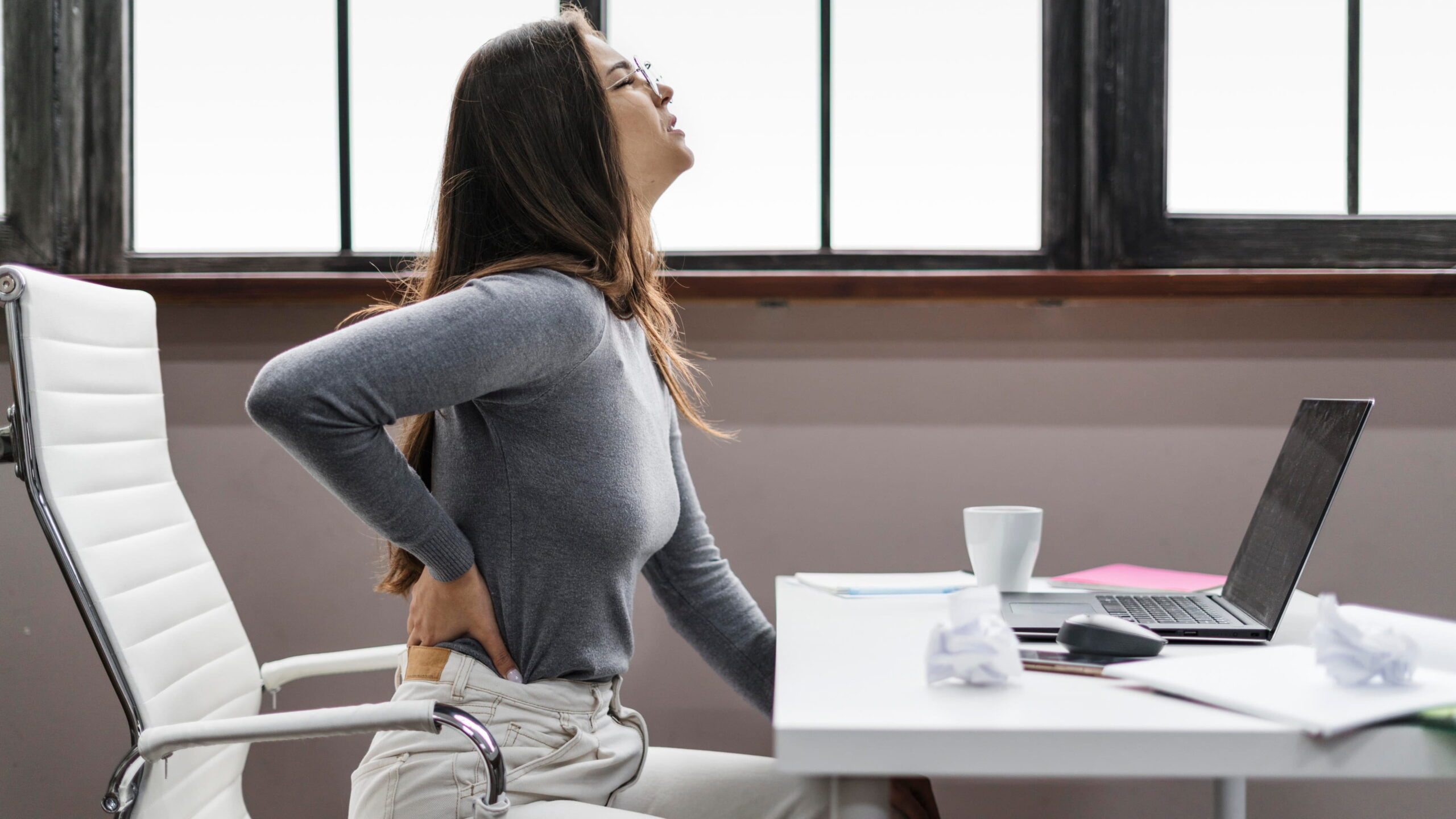
Sitting Without Struggle: Reclaiming Your Life from Tailbone Pain
The tailbone, known as the coccyx, sits at the base of the spinal column. The coccyx consists of three to five fused vertebrae to form a small triangular bone that supports your weight while in a standing position or sitting.
The coccydynia, the medical name for chronic tailbone pain, accounts for back-related clinic visits with multispecialty care like SRM Global Hospitals, which provides medical treatment to manage tailbone pain and restore comfort.
Causes of Tailbone Pain
The significant causes of tailbone pain (coccydynia) include injury, arthritis, and rare tumours often result from falls, prolonged sitting, childbirth, or repetitive strain.
- Repetitive and prolonged strain from cycling or rowing can inflame soft tissues around the coccyx.
- Trauma from accidents leads to dislocation or fractures.
- BMI (Body mass index) affects coccyx health, as obesity increases the risk of tailbone pain due to added pressure on the spine. Studies from 2021 show people with a BMI over 30 are three times more likely to develop tailbone pain.
- Being underweight also contributes to tailbone pain due to a lack of cushioning in the buttocks.
- Statistics show that tailbone pain is five times more common in women than in men. The female pelvis is naturally broader, which leaves the small triangular bone more exposed to pressure on the tailbone. Anatomical differences and the physical strain of childbirth are the primary reasons for this gender gap in chronic coccydynia.
- Pregnancy could lead to pain due to hormonal changes and physical pressure. Expectant mothers face this tailbone pain during the third trimester as the body releases hormones to relax the pelvic floor for childbirth. Statistics indicate 33% of women experience pelvic pain or coccyx discomfort during late pregnancy.
- Infections or tumours in the spine or pelvis can cause pain, though these are rare.
Symptoms of Tailbone Pain
A 2023 clinical review noted 70% of patients feel a dull throb that turns into piercing pain under direct pressure on the tailbone. Chronic coccydynia pain could last beyond a few weeks in the form of prolonged aching buttocks, backache, anxiety, and sleep problems. Symptoms of tailbone pain worsen during specific movements, such as
- Sharp or dull pain becomes most noticeable when sitting or squatting.
- Localised tenderness or ache in the coccyx can worsen when rising from a chair.
- Leaning backwards in bowel movements while seated on a regular basis can trigger intense discomfort in the tailbone area.
When to See a Doctor for Your Tailbone Pain?
Consult a doctor immediately if symptoms persist for more than two weeks. Seek medical attention for severe pain, numbness or tingling, fever, or loss of bladder or bowel control. Professional advice is necessary if pain involves:
- High fever or chills.
- Numbness in the legs or pelvic area.
- Visible lumps near the bone.
- Loss of bladder control.
Diagnosis of Tailbone Pain
A physical examination and medical history review start the recovery. A physical therapist checks for local tenderness. Diagnostic tests for tailbone pain may include X-rays, CT scans, or magnetic resonance imaging (MRI) to check for fractures or tumours.
Treatment of Tailbone Pain

Most people, as in 90% of cases, find relieve from tailbone pain through lifestyle modifications.
- Use a U-shaped cushioned seat to reduce pressure on the coccyx.
- Nonsteroidal anti-inflammatory drugs (NSAIDs)or Pain Relievers reduce inflammation and ease pain.
- Use ice packs for two days, then switch to a hot bath to relax muscles.
- Lean forward while sitting to shift weight onto the buttocks.
For severe cases, when your lifestyle modifications fail, doctors suggest corticosteroid injections or numbing medications. These nerve blocks could stop pain signals from reaching the brain.
Physical Therapy for Tailbone Pain
The pelvic floor muscles attach to the tailbone and can pull on the coccyx if they tighten, leading to chronic pain. During Physical Therapy, a physical therapist uses massage therapy and stretching exercises to release this tension. One such Physical therapy is Transcutaneous electrical nerve stimulation (TENS), which provides effective relief through mild and controlled electrical pulses in the tailbone area. Most patients see improvement within 12 weeks of starting pelvic floor physical therapy.
Prevention and Management of Tailbone Pain
Movement and proper sitting posture are the best ways to relieve tailbone pain. Avoid sitting on hard stools for long periods to prevent tailbone pain. If your job requires sitting, a cushioned seat is a mandatory tool. Stand up and stretch every 30 minutes for effective management of your pain.
Strengthening exercises help to distribute the extra weight of your body across the spine. Maintaining a healthy body mass index (BMI) reduces the weight-bearing load on the fused vertebrae of the tailbone area.
A healthy spine is the backbone of a comfortable life!
SRM Global Hospitals offers advanced help for symptoms that do not improve after a few weeks, including lifestyle modifications and physical therapies. Corticosteroid injections reduce localised swelling in most cases, and Coccygectomy (surgical removal of the tailbone) is rare and suggested for severe cases.
Our experts combine modern technology with patient-focused care to manage tailbone pain. Reach out to experts for advice on preventing tailbone pain or a diagnosis and management of chronic coccydynia.
FAQs on Tailbone Pain
1. I have been hurting at the base of my spine for days, so when should I worry?
Consult a doctor if tailbone pain persists beyond a few weeks or involves numbness and visible lumps. High fever or loss of bladder control are other severe symptoms that require immediate medical attention.
2. What actually causes this sharp ache when I try to sit down?
Trauma, obesity, or being underweight are often frequent causes of tailbone pain that increase pressure on the tailbone. Prolonged sitting could act as repetitive strain and also inflame the area, while arthritis remains a factor in rare cases.
3. Are there any quick facts or ways to get comfortable at home?
Clinical facts show that 90% of patients relieve pain using a U-shaped cushioned seat. You can relieve pressure by leaning forward while seated and applying ice packs or heat to the muscles.
4. Why does my tailbone hurt more now that I am in my third trimester?
Pregnancy hormones relax your pelvic floor, which often causes tailbone pain as the bone shifts. The extra weight of the baby adds a significant weight-bearing load to your fused vertebrae during this stage.
5. If my pain does not go away after two weeks, what will the hospital do?
If tailbone pain persists for more than two weeks, a healthcare provider will perform a physical examination. We may use magnetic resonance imaging (MRI) or X-rays to check for fractures or rare tumours before starting physical therapy.
