


Breathe New Life: Pulmonary Fibrosis Treatments, Symptoms, Causes and Complications
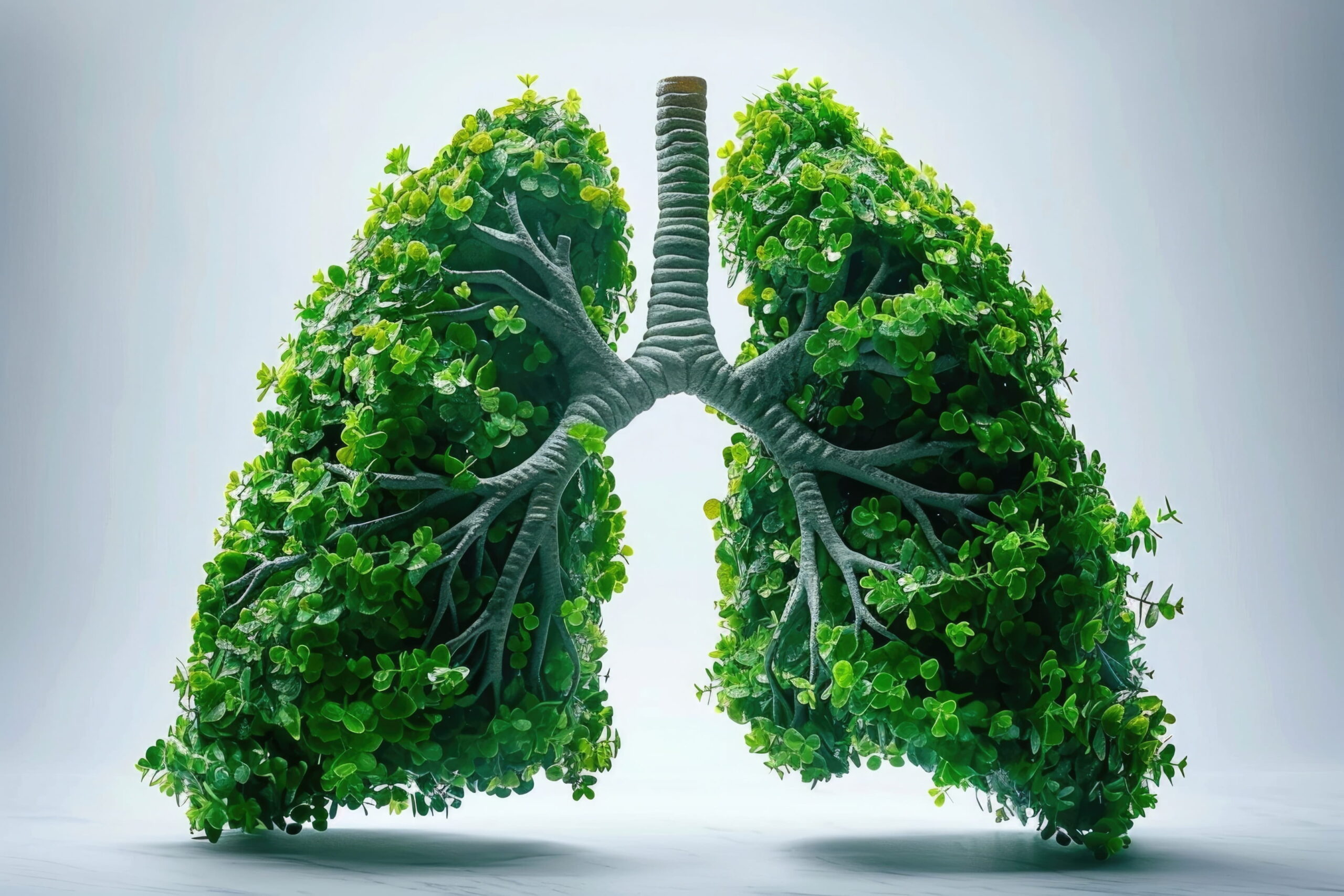
Healthy lung tissue remains soft and stretchy, allowing air sacs to fill with oxygen easily. However, when people face a condition called pulmonary fibrosis, the lung tissue becomes thick and stiff. The growth of scar tissue, or lung scarring, makes it hard for oxygen to enter the blood flow, which prevents the body from getting the air it needs to function well.
Idiopathic pulmonary fibrosis (IPF) occurs in most pulmonary fibrosis patients, where the cause of lung scarring cannot be specified. The number of people with pulmonary fibrosis is rising due to environmental factors like dust and smoke in India.
At SRM Global Hospitals, we focus on early diagnosis and a strong treatment plan to help you maintain your quality of life.
Causes and Risk Factors of Pulmonary Fibrosis

Lungs face danger from various sources, yet doctors often struggle to find one exact reason for the damage. The uncertainty lies highly in idiopathic pulmonary fibrosis, where the cause of lung scarring remains unknown. Understanding the risk factors that pulmonary fibrosis carries helps individuals seek help at SRM Global Hospitals before lung damage becomes severe.
- Workplace Pollutants: Breathing in silica dust, asbestos fibers, or coal dust can cause permanent fibrosis. A 2022 occupational clinical study indicated that 21% of IPF deaths are linked to these workplace pollutants. Construction sites or mine workers face a higher risk due to these particles.
- Harmful Medications: Chemotherapy drugs and certain antibiotics can hurt lung tissue. These medicines sometimes trigger a scarring process in the air sacs.
- Autoimmune Disease: Conditions like rheumatoid arthritis or scleroderma make the immune system attack healthy organs. This attack leads to tissue inflammation in the lungs.
- Gender and Age: Pulmonary fibrosis is more common in men than in women. Research from 2024 shows that nearly 60% of patients diagnosed with IPF are men over the age of 60. Aging also plays a role, as most cases appear in older adults whose lungs have faced years of environmental strain.
- Hidden Infections: Viral and bacterial infections, such as hepatitis C or herpes virus, can lead to the developing of pulmonary fibrosis. These germs create inflammation that turns into permanent scar tissue.
Symptoms of Pulmonary Fibrosis
Patients ignore early signs because people think getting older causes slow movement. The most common pulmonary fibrosis symptoms include a dry cough and shortness of breath. These severe symptoms appear during physical tasks like climbing stairs or walking fast.
- Breathing Difficulties: Lung problems tend to worsen over time. Patients find breathing harder as the scarring process fills the air sacs.
- Constant Fatigue: Feeling tired happens all the time for individuals with pulmonary fibrosis. The body works harder to get oxygen, which drains energy.
- Weight Loss: Unexplained weight loss occurs because the body uses more energy just to breathe.
- Finger Clubbing: Enlargement of the fingertips, or clubbing, is a visible sign. Blood oxygen levels stay low, causing the tips of fingers to bulge and nails to curve.
- Sudden Worsening: Some people feel symptoms suddenly during an acute exacerbation, as severe scarring of lung tissue.
Complications of Pulmonary Fibrosis
Lungs that suffer from fibrosis face many future health hurdles. The scarring process caused by pulmonary fibrosis is permanent and cannot be reversed.
- Heart Strain: Lung damage can lead to right-sided heart failure, also known as “cor pulmonale”. Scarred lung tissue makes blood flow difficult, forcing the heart to pump with more pressure.
- Weakened Defenses: Having pulmonary fibrosis increases the risk of contracting infections, including COVID-19. Damaged air sacs cannot clear out germs easily, making respiratory infections more dangerous.
- Blood clots: Serious complications include blood clots in the lungs. These clots block oxygen from reaching the rest of the body, causing low blood oxygen levels.
- Lung Cancer: Permanent scarring from these lung diseases poses a higher risk of developing lung cancer. Research from 2024 shows that about 10% of people with IPF may develop tumors over time.
- Limited daily activities: Chronic shortness of breath limits daily activities as time passes. Simple tasks like bathing or cooking become hard when lung capacity drops.
Diagnosis of Pulmonary Fibrosis
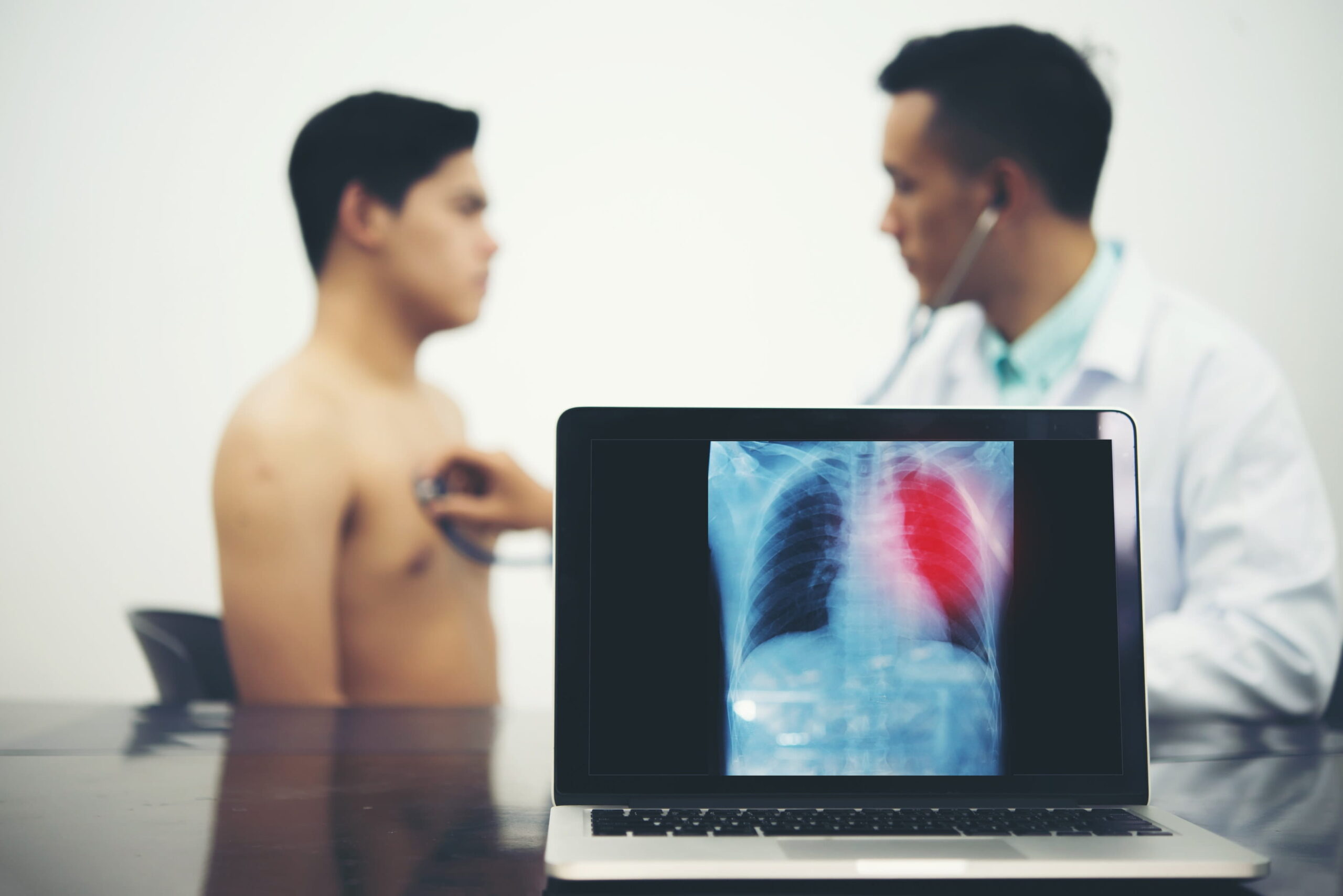
Consulting a pulmonologist from SRM Global Hospitals leads to an accurate assessment, as Pulmonary fibrosis often shares symptoms with other lung disorders, making expert eyes necessary.
- Physical Examination: Doctors listen carefully to your lungs for the sound patterns, like dry crackles often point toward lung scarring.
- Pulmonary Function Tests: These tests check how much air your lungs can hold. Measuring lung capacity shows the strength of your lung function.
- Imaging Tests: A high-resolution CT scan allows doctors to see the scarring process in the interstitial lung. Clear pictures show the exact state of your air sacs.
- Arterial Blood Gas Test: This procedure measures blood oxygen levels and carbon dioxide in the body. Low oxygen levels reveal how much the fibrosis affects your blood flow.
- Blood Tests: Lab results help rule out an autoimmune disease or connective tissue disease. These tests ensure that other medical conditions are not causing the lung problems.
- Tissue Sample: If other tests cannot find the cause, a doctor might remove a small piece of lung tissue with minimally invasive endoscopy for a biopsy to identify scar tissue.
Pulmonary Fibrosis Treatment at SRM Global Hospitals
Damage from fibrosis cannot be reversed, but advanced expert care helps slow it down. The main goal involves improving the quality of life for every patient. SRM Global Hospitals offers a range of treatment options to manage lung health.
Medical Management
Doctors use anti-fibrotic drugs and heart medicines to reduce lung damage. Research from 2025 highlights a breakthrough with the approval of Nerandomilast, which is a new medicine as a PDE4B inhibitor that helps slow the decline of lung function by targeting both inflammation and scarring.
- Immunosuppressants: Drugs like Mycophenolate mofetil help when an autoimmune disease or connective tissue disease causes lung problems.
- Reflux Management: Managing esophagitis (inflammation of the food pipe) is a vital part of the plan. Proton pump inhibitors manage reflux esophagitis, which stops stomach acid from causing more lung inflammation.
- Anti-fibrotics: Standard drugs help keep the air sacs from becoming thicker, preserving lung capacity for a longer time.
Oxygen Therapy
Supplemental oxygen helps when you have low blood oxygen levels. The oxygen therapy allows you to stay active and reduces the load on your heart. Maintaining blood oxygen levels prevents respiratory failure and keeps your brain sharp.
Pulmonary Rehabilitation
Pulmonary rehabilitation helps patients manage shortness of breath during daily tasks by focusing on breathing techniques and physical exercise.
Infection Control
Getting vaccinated against respiratory infections, such as flu, TB and pneumonia, is vital, as staying updated on vaccinations minimizes the risk of severe symptoms.
Lifestyle Modifications
Quitting smoking is crucial for reducing further lung damage, as the tobacco relief after quitting helps the immune system work better. Doctors also suggest staying active and maintaining social connections. Doing activities you enjoy helps your mental health while fighting a chronic disease.
Advanced Surgery
A lung transplant or lung transplantation remains the final option for some. It provides a new life for those with failing lung capacity. In India, the post-surgery success rate for a lung transplant has reached 80% during the first year and 50- 60% of long-term survival for more than 5-6 years.
Heal better, live your life!
Schedule a check-up at SRM Global Hospitals for a complete assessment of your lungs. Our expert pulmonologists use the latest imaging and pulmonary function tests to guide your path to recovery.
Breath is the finest gift that everyone deserves through advanced care!
Lungs define how we experience life every single day. A diagnosis of pulmonary fibrosis changes things, but medical help at SRM Global Hospitals offers a path forward. Early detection of lung scarring remains the best way to protect your breathing. Finding symptoms of pulmonary fibrosis early helps stop the scarring process from spreading. At the same time, doctors at SRM Global Hospitals use pulmonary function tests to track how your lungs work.
Breathing should never feel like a struggle because professional medical teams provide the right treatment plan to manage interstitial lung disease as pulmonary fibrosis. Waiting can lead to respiratory failure, so listening to your body is vital for a better future.
FAQs on Pulmonary Fibrosis Treatments
1. How will I know if my lung condition is severe enough for a check-up?
Early action helps our healthcare team find the cause before lung damage spreads further to cause permanent damage. Visit us immediately if you have a chronic dry cough or struggle to breathe during daily tasks.
2. What steps do you take to diagnose pulmonary fibrosis accurately?
We review your family history and perform lung function tests to measure your breathing strength. Listening to your chest during an exam helps us see if you are developing pulmonary fibrosis.
3. Why is my case called idiopathic pulmonary fibrosis?
The name applies when the exact cause of your lung scarring remains a mystery after all tests. We use clinical trials and modern medicines to manage this progressive pulmonary fibrosis effectively.
4. Can high blood pressure in my lungs affect my life expectancy?
Yes, pulmonary hypertension puts extra strain on your heart and requires specific medical care. We focus on treatments that reduce inflammation to help you live a longer and better life.
5. Do radiation treatments or a lung infection increase my risk?
Past medical history, like radiation or heavy infections, is are known risk factor for pulmonary fibrosis. Regular follow-up with your doctor is essential to catch any changes in your lung health early.
