


The Silent Expansion: Breaking the Cycle of Bronchiectasis
The breathing tubes of the lungs typically remain clear and narrow. The chronic respiratory disease called bronchiectasis causes these tubes to widen permanently and limits the lungs’ ability to clear out mucus. Harmful pathogens like bacteria, viruses, etc, then grow in the mucus, leading to recurrent pneumonia or lung infections. The indian patients could face bronchiectasis after suffering from severe tuberculosis or childhood lung infections.
At SRM Global Hospitals, our pulmonologists provide specialised care to manage these symptoms and improve your quality of life.
Different Forms of Bronchiectasis
Doctors classify this condition based on how the bronchial airways look during CT scans. The four most common types are:
Cylindrical Bronchiectasis: This is the mildest form, where the tubes are straight but wide.
Cystic Bronchiectasis: This is the most severe disease form, showing thick clusters of widened sacs.
Traction Bronchiectasis: Lung tissue scarring pulls the airways open, often due to pulmonary fibrosis (permanent lung scarring).
Non-Cystic Fibrosis Bronchiectasis: It is prevalent in India and is often linked to recurrent pneumonia or old tuberculosis infections.
Causes of Bronchiectasis
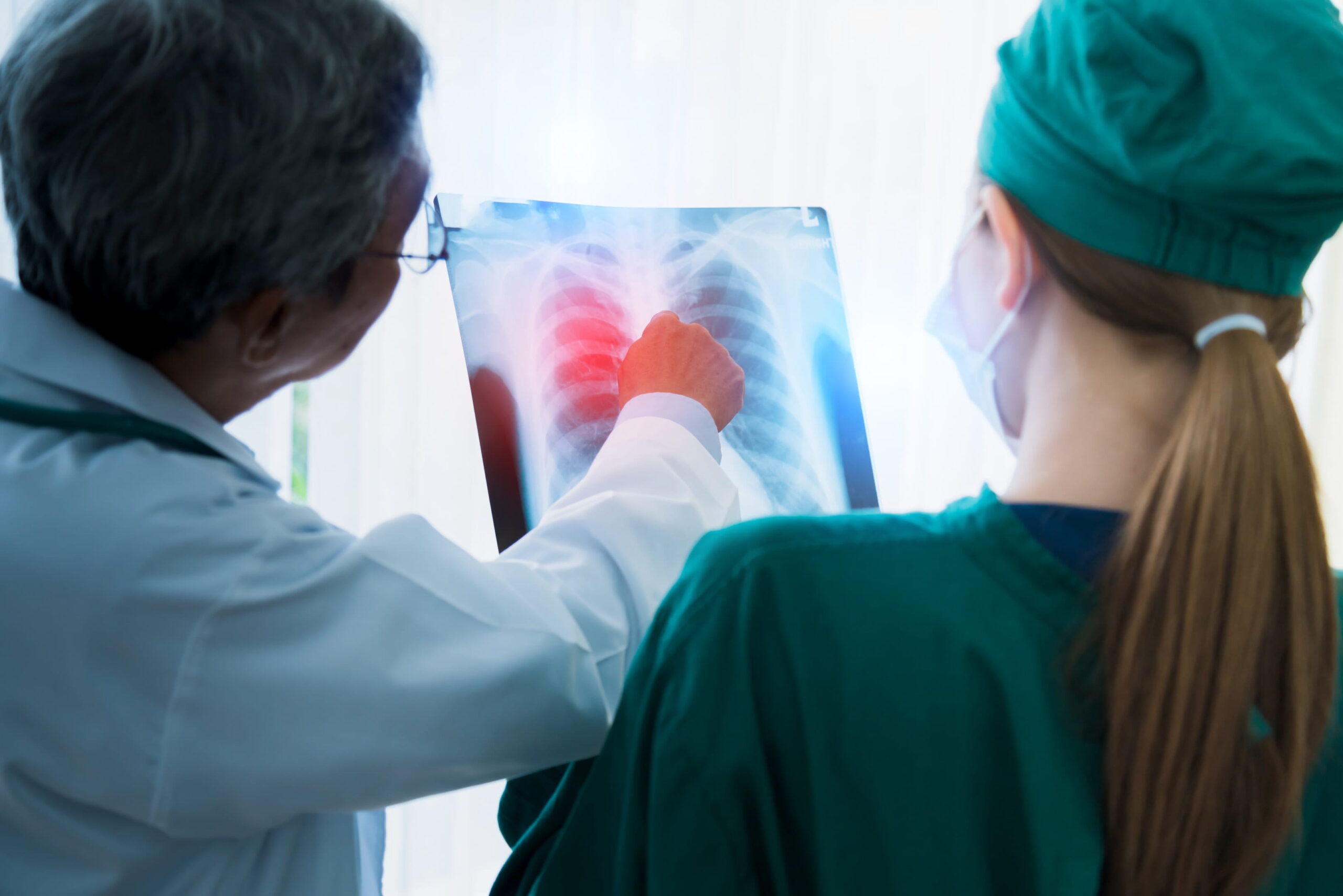
Knowing what triggers this lung damage helps the healthcare team at SRM Global Hospitals stop the condition from getting worse.
1. Severe Lung Infections
Infection remains the leading cause of airway damage across the country. In many Indian cases, childhood infection of whooping cough or measles is the hidden starting point for adult bronchiectasis. Research from the Indian EMBARC registry in 2024 shows that nearly 35% of bronchiectasis cases in India are linked to old infections like tuberculosis.
Pneumonia, tuberculosis, and viral infections can scar the bronchial airways during the healing process. These illnesses weaken the lung tissue, making it easier for a vicious cycle (loop of persistent symptoms) of new infections to start.
2. Genetic and Congenital Conditions
Some people are born with conditions that make their lungs struggle to clear out mucus.
- Cystic Fibrosis: It causes the body to produce thick, sticky mucus that blocks the respiratory tract.
- Primary Ciliary Dyskinesia: In this rare disorder, the airway blockage happens as the tiny hairs that sweep mucus out of the lungs do not work.
- Congenital Bronchiectasis: Some infants are born with poorly formed airways that widen as they grow.
3. Digestive Issues and Reflux
A common but overlooked cause is chronic aspiration, as food, liquids, saliva, or stomach contents repeatedly enter the lungs over time. Research from 2022 suggests that nearly 30% of people with chronic obstructive pulmonary disease also suffer from severe acid reflux.
- Reflux Esophagitis: Acid from the stomach can travel up and accidentally enter the lungs.
- Eosinophilic Esophagitis: Severe allergic reactions in the food pipe can also trigger airway irritation. These liquids cause chemical burns inside the lungs, leading to lung injury and inflammation.
4. Immune System Weakness
Weakened Immunodeficiency, like HIV, blood cancer, etc, makes the lungs prone to repeated infections that destroy the airway structure.
5. Environmental and Allergic Triggers
Allergic Bronchopulmonary Aspergillosis (ABPA) causes a severe hypersensitivity to a common fungus, leading to thick mucus plugs and traction bronchiectasis (lung tissue scarring pulls the airways), especially in asthma patients. The toxic gases, like ammonia, can also cause immediate damage to lung airways upon exposure.
Symptoms of Bronchiectasis

Healthy lungs depend on clear, open airways to move air and clear out dust. When these tubes are damage, symptoms often take months or years to develop. The main symptoms of bronchiectasis include a daily wet cough and heavy mucus production. Lungs facing severe bronchiectasis often struggle with problems that affect the entire body.
Patients experience systemic symptoms like fevers, chills, night sweats, fatigue and weight loss when a chronic infection settles deep in the lung tissue. As the condition gradually worsens over time, you may notice deeper signs with shortness of breath, wheezing and chest pain.
1. Cylindrical Bronchiectasis Symptoms
It is the most common form of the lung condition, where the tubes are straight but wide. Patients with this type often experience:
- A persistent cough that occurs for at least eight weeks.
- Daily production of yellow or green mucus, often thicker in the morning.
- A whistling sound while you breathe due to a slight airway obstruction.
- Difficulty breathing during physical activities like walking or climbing stairs.
2. Cystic Bronchiectasis Symptoms
It is considered the most severe disease form. The airways form thick clusters of widened sacs that trap massive amounts of phlegm. Symptoms include:
- Production of large volumes of bad-smelling mucus (often over 30 ml per day).
- Coughing up blood or mucus mixed with blood, known as hemoptysis, can develop as a less common symptom due to burst blood vessels in the bronchial wall.
- Heavy fatigue, fevers, chills, and night sweats as the body is fighting a chronic infection.
- Unintentional weight loss and a poor appetite are common in these severe cases.
3. Traction Bronchiectasis Symptoms
It happens when lung tissue scarring from conditions like pulmonary fibrosis pulls the airways open. Because the surrounding lung is also damaged, symptoms are often unique:
- Unlike other types, the cough may be less “wet” since the problem is scarring, not just mucus.
- Rapid worsening of shortness of breath even while resting.
- The tension of the scarred lung tissue causes pleuritic or sharp chest pain.
4. Non-Cystic Fibrosis Bronchiectasis Symptoms
It is prevalent in India and is often linked to old infections like tuberculosis. Patients face:
- Repeated cases of infection of “bronchitis” require many courses of antibiotics.
- Sudden flare-ups with increased sputum volume, thicker mucus, and worsening fatigue.
- Thickening of the skin under the fingernails, a sign of long-standing chronic respiratory disease.
- Feeling completely run-down after even small physical tasks.
Diagnosis of Bronchiectasis
SRM Global Hospitals uses a systematic path to diagnose bronchiectasis with high accuracy. A bronchiectasis diagnosis depends on your medical history and specific pictures of your chest. Doctors look for a pattern of chronic respiratory symptoms paired with clear signs in your lung tissue.
- Clinical Physical Exam: A doctor starts by listening to your chest with a stethoscope. Sounds like clicking or bubbling suggest that your bronchial airways are holding too much mucus.
- Initial Chest X-ray: An X-ray is often the first test, and results are abnormal in most patients with this lung disease. While it shows a general problem, further tests are needed for a final answer.
- High-Resolution Computed Tomography (CT Scan): A CT scan is the best way to confirm the lung condition. This scan shows characteristic radiographic findings like widened airways or bronchial wall thickening.
- Sputum Culture Testing: Lab experts check your phlegm for bacteria, mycobacteria, and fungi. Identifying the specific germs in your respiratory tract helps choose the proper treatment.
- Lung Function Testing: This test measures how well you breathe and checks for airway obstruction. Regular pulmonary function monitoring shows the level of functional impairment.
- Specialised Laboratory Tests: Blood tests help find the underlying condition, such as autoimmune diseases. Doctors also perform genetic testing for cystic fibrosis if needed.
Treatment for Bronchiectasis

Lungs affected by bronchiectasis cannot usually be cured. The primary aim of treatment at SRM Global Hospitals is to manage symptoms and prevent them from worsening.
1. Medications
- Brensocatib helps reduce the frequency of flare-ups by blocking enzymes that damage lung tissue.
- Doctors use antibiotics to treat chest infections. Sputum cultures help us choose the correct medicine for the bacteria in your lungs.
- Inhaler-based medicines are often used for chronic infections like Pseudomonas aeruginosa. Patients who face more than 3 chest infections a year may need long-term antibiotics.
- Regular flu and pneumococcal vaccines are essential to prevent new infections.
Scientists reached a historic milestone in 2025, with the first-ever FDA-approved medication for bronchiectasis called Brinsupri™ (brensocatib). The medicine targets the root cause of inflammation rather than just treating symptoms.
2. Airway Clearance Techniques
Clearing mucus is the most important daily task for any patient with widened airways.
- Drinking plenty of fluids keeps the airway mucus moist and easier to clear.
- Expert physiotherapists at our hospital teach you how to clear phlegm effectively.
- Specific sitting postures work with gravity to help mucus drain toward the throat.
- Small handheld devices can also assist to have nose blowing out sticky and tight mucus from the bronchial wall.
3. Lifestyle and Advanced Care
Small daily habits make a big difference in how you feel.
- Daily Habits: Regular exercise and a healthy diet help your body fight lung infections.
- Surgical Options: Surgery may be considered if the lung disease is localised to one small area and does not respond to other treatments.
- Lung Transplantation: In very severe cases, a transplant is the final option to restore lung function.
- Regular check-ups: Regular check-ups and tests at least once a year with the SRM Global healthcare team ensure your lung health remains stable.
Management of Bronchiectasis
Healthy habits help keep your lungs strong and prevent further lung damage. At SRM Global Hospitals, our healthcare team creates a personalised plan to help you stay active. Managing bronchiectasis requires daily attention to clearing your respiratory tract and avoiding triggers that cause a lung infection.
- Quitting smoking remains the most vital lifestyle change for every patient. Smoking destroys the tiny hairs in your bronchial airways, making it impossible to clear out mucus.
- Regular exercise is essential as moving your body helps loosen thick phlegm, making airway clearance much easier.
- The Pulmonary Rehabilitation program includes guided exercise and education to help with breathlessness. People learn to utilise their lung capacity better through physical activity and controlled breathing techniques.
- Staying distant from people with colds or flu reduces the risk of severe infection. Getting your vaccines provides a shield against recurrent pneumonia.
Achieve Better Lung Health!
Bronchiectasis requires a balance of medical support and daily discipline. Understanding the signs helps you take charge of your health before lung damage grows. Symptoms like a daily wet cough, wheezing, and chest pain may take years to develop. At the same time, some patients also face fevers, night sweats, or fatigue as the lung condition worsens. Finding the root cause is vital, whether the cause is cystic fibrosis or autoimmune diseases. Stomach acid entering the lungs or conditions like rheumatoid arthritis can also trigger airway damage.
Specialists use advanced diagnoses, like a CT scan, to confirm the diagnosis when symptoms overlap with asthma. Proper testing ensures you are not part of the large group that remains underdiagnosed. A personalised plan with a healthcare team ensures a better life expectancy.
Trust SRM Global Hospitals for expert pulmonologists who combine their medical expertise with advanced imaging and lung function tests to guide your recovery for regaining your quality of life.
Every relieved breath is a new beginning!
FAQs on bronchiectasis
1. My cough has been for months, and I feel exhausted. Could this be more than just a regular cold?
These symptoms typically suggest that bronchiectasis affects your airways by trapping mucus, as it can take months or years to develop and gradually worsen over time. We must check for recurrent infections or fevers to ensure you are not heading toward respiratory failure.
2. I have systemic lupus erythematosus. Can this autoimmune problem cause central airway bronchiectasis?
Yes, diseases like lupus or primary sjögren’s syndrome can damage your normal airways over time. Diagnosis is significant to start a personalised care plan and stop further lung damage.
3. Why does my healthcare team suggest inhaled antibiotics and sputum production tests?
We identify the exact germs causing your frequent infections. Using targeted inhaled antibiotics kills bacteria directly in the lungs to reduce disease severity.
4. Can a foreign body aspiration from my childhood lead to bronchiectasis diagnosed now?
Though a rare occurrence, an old blockage can cause chronic suppurative lung disease in one part of the lung. If the damage is localised, we might even discuss surgical resection to remove the affected area.
5. What is the best way to manage pulmonary infections if I also have HIV disease?
We focus on regular vaccinations and postural drainage. Managing your immune system while using airway clearance techniques helps maintain your lung function effectively.
