


Gallstone Pancreatitis- What to Do Now, How to Heal Faster, and How to Prevent Future Attacks
What is Gallstone Pancreatitis? The Leading Cause of Acute Pancreatitis
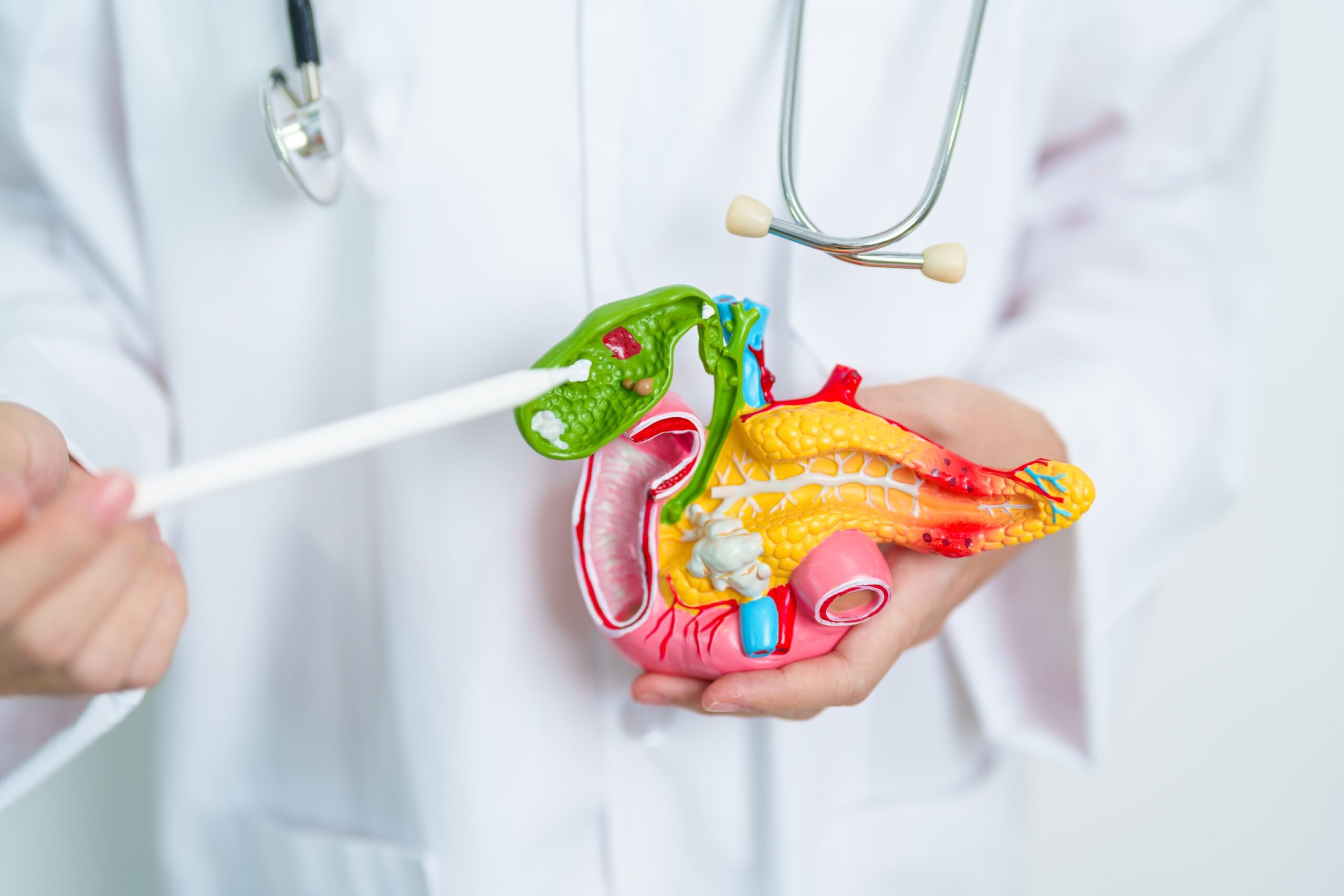
Gallstone pancreatitis is the most common cause of acute pancreatitis. Gallstones account for approximately 30% to 65% of all acute pancreatitis cases in India. The Risk factors include a family history of stones or significant alcohol consumption. A small stone, formed in the gallbladder, often blocks the drainage point where the common bile duct from the gallbladder and the pancreatic duct join together before entering the small intestine. This blockage prevents the flow of digestive fluids, and the trapped enzymes begin to digest the pancreas itself, leading to inflammation, a situation often evaluated carefully by SRM Global Hospitals during early diagnosis.
This initial stage is usually mild acute pancreatitis. However, it can quickly escalate into severe acute pancreatitis, which can be life-threatening and requires immediate attention, something SRM Global Hospitals emphasises through cautious, guideline-based monitoring.
Warning Signs of Gallstone Pancreatitis: Common Symptoms and Advanced Symptoms

Common Symptoms
The main sign is intense pain, usually in the upper abdomen. This severe abdominal pain often starts suddenly and may spread to the back. Many patients describe it as the worst pain they’ve ever felt, scoring it a 9 or 10 on a pain scale. It can last for several hours. This pain is why most people seek emergency help. Other early signs include:
- Nausea and vomiting
- Tenderness in the abdomen
- Fever
Advanced Symptoms
If the inflammation is severe, the body can develop advanced symptoms that indicate its systems are failing, as 20% to 30% of patients with acute pancreatitis develop these severe cases.
- Jaundice (yellowing of the skin)
- Organ failure, such as kidney failure
- Low blood volume and dangerously low blood pressure.
- Signs of internal bleeding or shock.
People with severe pancreatitis are at risk for complications like acute necrotising pancreatitis. In this severe case of up to 30%, the pancreas tissue can die, leading to pancreatic necrosis, which needs special, expert care, often coordinated through SRM Global Hospitals’ advanced gastroenterology team.
Gallstone Pancreatitis Diagnosed: How Doctors Find the Problem
Initial Check and Labs
Imaging the Abdomen
To confirm if a gallstone is the problem, doctors use abdominal imaging. An abdominal ultrasound is often the first test in over 90% of cases, as it can show gallstones in the gallbladder.
Sometimes, a more detailed evaluation with endoscopic ultrasound is needed when the diagnosis is uncertain. It uses a tiny camera passed down the throat to get a clearer picture of gallstones in the common bile duct and pancreatic duct.
In severe cases, doctors might use a CT scan to look for signs of pancreatic necrosis or serious complications associated with gallstones, a vital step supported by the diagnostic precision available at SRM Global Hospitals.
Gallstone Pancreatitis Treated: Care and Management
Phase 1: Immediate Care and Fluid Resuscitation
Phase 2: Removing the Stone
If the gallstone is still blocking the bile duct, it must be removed. The gallstone removal procedure is often performed using endoscopic retrograde cholangiopancreatography (ERCP), with a success rate of over 95%. Studies show that early ERCP (within 24-72 hours) in patients with jaundice or rising infection markers can reduce complications by up to 50%, a finding frequently incorporated into decisions at SRM Global Hospitals.
Phase 3: Preventing Recurrence
To prevent recurrent pancreatitis caused by gallstones, the gallbladder must be removed through the surgery called cholecystectomy.
For mild gallstone pancreatitis, the surgery is usually done before the patient leaves the hospital, typically within 3 to 7 days, and this could lower the chance of a second attack by 90%. If the patient has severe pancreatitis, surgery is often delayed for several weeks until the inflammation has calmed.
Nutritional Support and Recovery
For mild acute pancreatitis, patients can often start eating solid foods within 2 to 4 days. The goal is a balanced diet focused on lean proteins and low-fat foods.
In severe cases, the patient’s gut may not work well. Enteral feeding, where food is given through a tube into the stomach or small intestine. It helps maintain gut health, reducing the risk of infection by 50%.
Long-Term Outlook: Chronic Pancreatitis and Prevention
What About Chronic Pancreatitis?
While gallstones usually cause acute pancreatitis, repeated attacks or severe damage can lead to chronic pancreatitis. Chronic pancreatitis involves long-term inflammation; about 10% of people who have an episode of acute pancreatitis go on to develop chronic pancreatitis within 5 years. It raises the future risk of pancreatic cancer, and this is why dealing with the underlying cause of the gallstones is so essential.
Reducing Your Risk
Working towards a healthy weight is crucial to prevent gallstones, as a high-fat diet is a major known risk factor. Reducing alcohol consumption also lowers the overall risk of developing acute pancreatitis, as alcohol is another leading cause. Internal medicine specialists and doctors in gastroenterology guidelines recommend that people with known gallstones and other kidney diseases be cautious, a point SRM Global Hospitals reinforces during consults.
Gallstone pancreatitis requires prompt care and specific treatment. Most people heal well once the stone is out and the gallbladder is treated. Simple steps and steady care cut future risk.
SRM Global Hospitals has a skilled team for the care of conditions affecting the stomach, liver, and kidneys. We treat mild and tough cases, remove stones with ERCP, drain fluid when needed, and guide your food plan. You get full support from the first scan to the last visit.
Get clear care now and let our experts guide you to safe recovery. Book Your Appointment!
