


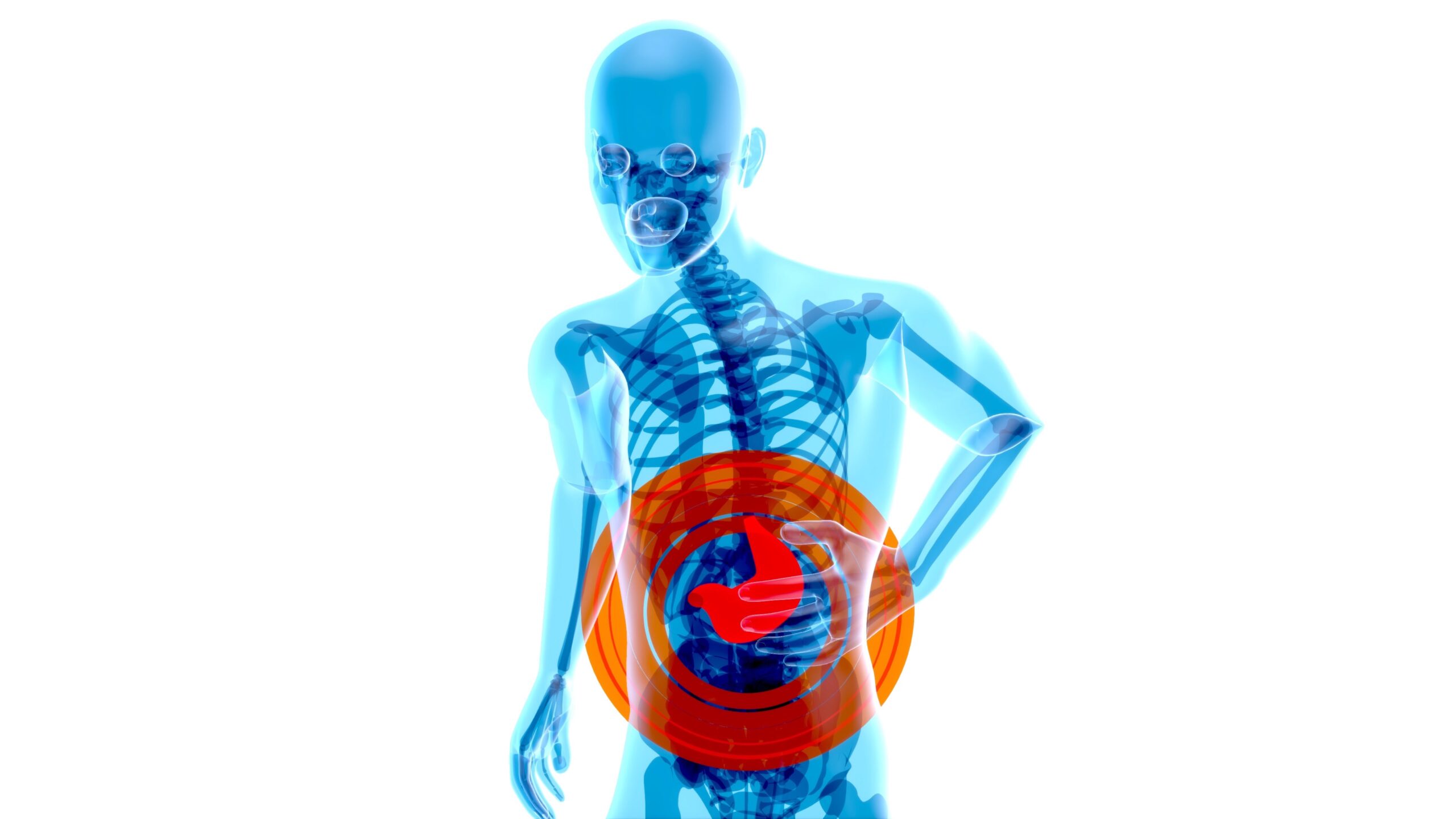
What Happens in Barrett's Esophagus? Understanding the Health Changes
What Is Barrett's Esophagus?
Your esophagus is a muscular tube that helps you swallow. It is about 25 centimetres long and connects your mouth to your stomach. Usually, the lining of the esophagus consists of flat, pink, normal squamous cells, similar to our skin cells. However, stomach acid is powerful. It has a pH of 1.5-3.5. Acidic and chemical damage can harm the lower esophagus. When acid reflux happens often, the body tries to protect itself. The regular esophageal epithelium changes, becoming red and velvety. This new tissue resembles the small intestine, and this change is called intestinal metaplasia.
10% to 15% of people with chronic acid reflux symptoms might develop this condition.
Esophageal Cancer
Barrett’s esophagus is a condition that contains precancerous cells, and it could be the primary risk factor for a type of cancer called esophageal adenocarcinoma. However, the cancer risk is low, as the risk of developing esophageal cancer is about 0.5% per year, which means out of 200 people with this condition, only one person might get cancer in a year. The goal is to stop cancer cells before they start, to prevent esophageal cancer from Barrett’s esophagus, so doctors look for precancerous changes in the cells lining the food pipe.
Barrett's Esophagus Risk Factors and Causes
The leading cause of Barrett’s esophagus is gastroesophageal reflux disease (GERD). When the lower esophageal sphincter becomes weak, its usual function of stopping stomach contents from rising is lost, and acid moves into the esophagus.
Major risk factors and other risk factors include:
- Chronic GERD: Having heartburn symptoms for more than 5 years increases the risk
- Age: Being over 50 years old
- Gender: Men are 3 to 4 times more likely to get it than women
- Obesity: High belly fat increases stomach acid production
- Family History: A family history of Barrett’s or esophageal cancer matters
Barrett's Esophagus Symptoms
Barrett’s esophagus symptoms are often silent. Many people have no specific pain from the cell change itself, and you mostly feel GERD symptoms.
Common signs include:
- Chronic heartburn: Burning pain two or more times a week.
- Regurgitation: Tasting acidic or bitter liquid.
- Chest pain: Discomfort in the middle of the chest.
- Difficulty swallowing: Feeling like food sticks in the GI tract.
Barrett's Esophagus Diagnosis
Upper Endoscopy
Biopsy
Dysplasia Grades
Non dysplasia:
The cells are changed but look orderly, and the cancer risk is very low in this condition, like 0.2% to 0.5% per year.
Low-grade dysplasia
High-grade dysplasia
These are very abnormal cells that need immediate medical attention, as it is close to cancer, with a rate of over 7% per year.
Barrett's Esophagus Treatments
Medications
Surgery
Medical Procedures
If you have high-grade dysplasia or early cancer, you need endoscopic treatments.
- Radiofrequency ablation: This uses heat to burn the bad layer.
- Photodynamic therapy: This uses light and drugs to kill cells.
- Cryotherapy: This freezes the bad cells.
- Endoscopic resection: The doctor cuts out the abnormal tissue.
Several of these procedures are now routinely performed in high-volume endoscopy centres, such as those at SRM Global Hospital’s Institute of Gastro and Liver Sciences.
Barrett's Esophagus Management
You cannot wholly prevent Barrett’s esophagus caused by chronic symptoms, but you can manage it.
- Endoscopic examination: You need a follow-up endoscopy every 3 to 5 years if you have no dysplasia.
- Diet: Avoid spicy and fatty foods, and eat 3 hours before sleep.
- Weight: Lose 5% to 10% of body weight if obese.
Barrett’s esophagus needs steady care, not fear. Most people stay safe when reflux is treated early and follow-up checks are done on time. The cancer risk is small, but you must remain alert. Your health comes first.
At SRM Global Hospitals, the Institute of Gastro and Liver Sciences uses advanced tools, including gastrointestinal endoscopy, to detect changes early, treat chronic GERD, and prevent damage before it worsens. Do not wait for severe reflux to harm your food pipe.
Get checked at SRM Global Hospitals for advanced care. Book your appointment!
