


What Is Hip Impingement? Signs, Diagnosis & Recovery Tips
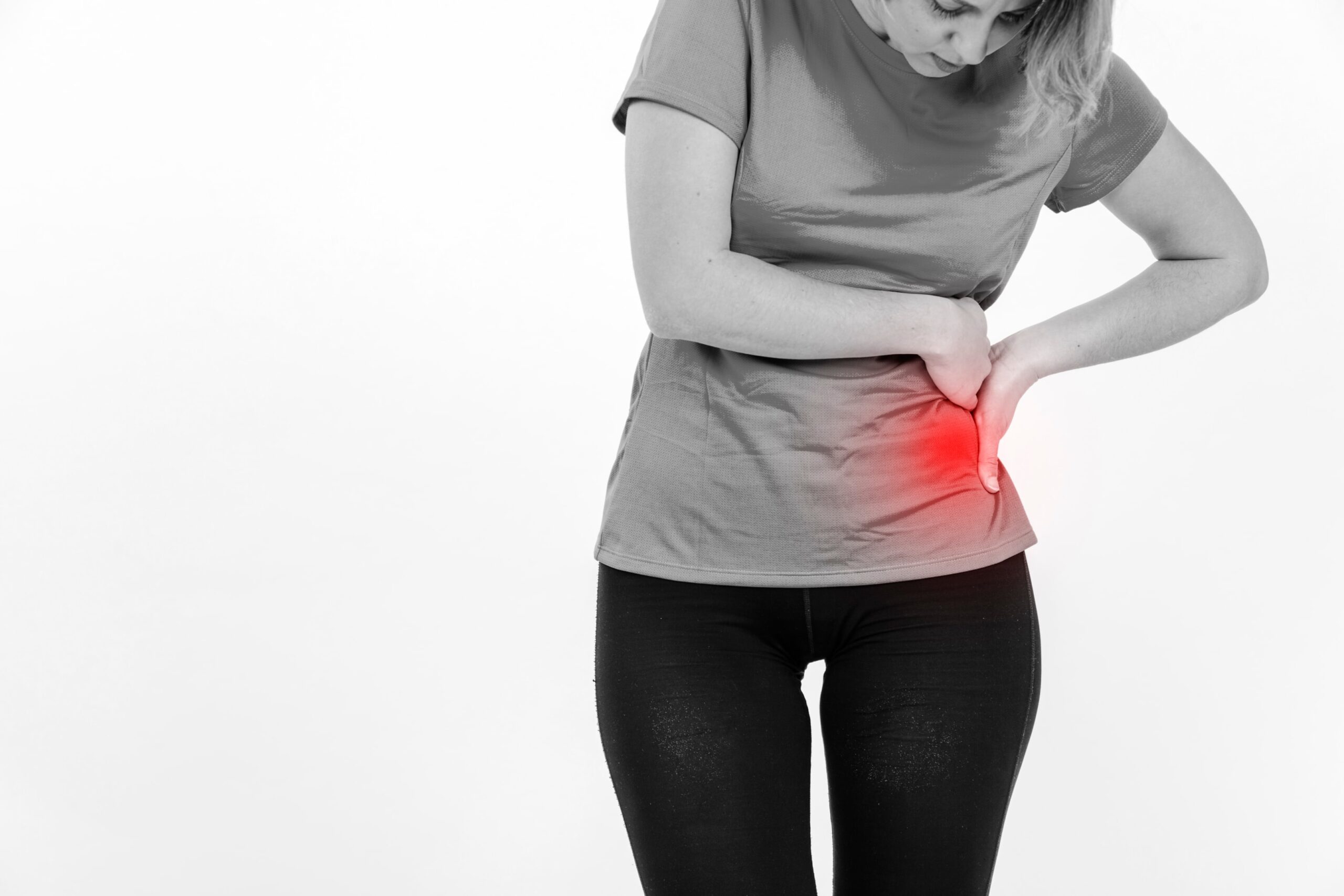
Have you ever felt a sharp pinch in your hip when you bend or sit too long? Or noticed discomfort deep in your groin while walking? You could be dealing with something many people don’t even realise exists: hip impingement. It doesn’t just affect athletes or older adults. Even young people can experience hip impingement, particularly if the bones in the hip joint don’t move together as they should.
This condition, often overlooked in its early stages, can gradually limit your daily movements, affect your posture, and increase hip pain. But the good part? When diagnosed early, the condition is very manageable.
In this guide, we’ll walk you through everything, from symptoms and causes to diagnosis, treatment, and recovery tips. Whether you’re someone facing hip pain, a concerned parent, or just want to learn, this post will help.
What is Hip Impingement Beyond Just Pain?
The Hip Joint: A Ball and Socket Mechanism
The hip joint is a classic ball and socket joint. The femoral head (the ball) fits into the hip socket (part of the pelvis). If the shape of either the ball or socket is abnormal, friction occurs during movement. Over time, this friction can lead to labral tears, cartilage damage, and reduced range of motion.
Two main types of hip impingement are:
- Cam impingement: The femoral head is not round and cannot rotate smoothly.
- Pincer impingement: The hip socket covers too much of the femoral head, causing it to pinch.
Some people even have combined impingement, a mix of both.
Common Signs Your Hip Might Be Impinged
Hip Impingement Symptoms to Watch For
Consistent hip pain is the most reported sign. But it’s more than that. Look out for:
- Dull ache in the groin or outer hip
- Sharp pain during hip flexion (like sitting or squatting)
- Clicking or locking sensation
- Limited hip rotation or movement
- Stiffness in the hip after rest
- Pain that worsens during exercise or prolonged sitting
In some cases, people experience groin pain instead of clear hip discomfort.
Ignoring these signs can lead to more damage. So always pay attention.
What Causes Hip Impingement in Indians Today?
Major Risk Factors of Hip Impingement
Let’s break down the common reasons:
- Genetic bone shapes – Some people are born with a misshapen femoral head neck junction or acetabular rim.
- High-impact sports – Football, cricket, or dance where frequent hip motion is required.
- Previous hip injuries – Including slipped capital femoral epiphysis in teens.
- Poor posture – Sitting cross-legged or low chairs for long durations.
- Hip dysplasia or shallow sockets
- Extra bone (cam lesion) formation during growth
- Old injuries that healed improperly
Both cam and pincer impingements can occur due to structural bone changes that develop over time.
How Doctors Identify Hip Impingement Early

Physical Examination and Diagnosis
Doctors usually begin with:
- Physical examination: Testing range of motion and identifying exact pain zones.
- Impingement test: Leg flexed, turned inward to check for sharp discomfort.
- Magnetic resonance imaging (MRI): Helps view labral tears, cartilage damage, and soft tissues.
- X-rays: To check bone shape and detect extra bone or deformities.
Sometimes, CT scans offer better clarity for bone structures.
If you visit SRM Global Hospitals, their team uses advanced imaging tests and trained orthopaedic surgeons to make an early and accurate diagnosis.
Comparing Cam and Pincer Impingement (With Table)
Let’s simplify both types using the table below.
Before that, remember, treatment depends on the type of impingement, so identifying the right one is important.
Differences Between Cam and Pincer Hip Impingement
| Feature | Cam Impingement | Pincer Impingement |
| Bone Involved | Femoral head and neck junction | Acetabular rim (hip socket) |
| Who Gets It More | Young males, athletes | Middle-aged women |
| Problem | Aspherical femoral head | Excess coverage of socket |
| Result | Damages cartilage | Compresses labrum |
| Diagnosis | MRI or X-ray | MRI or X-ray |
| Treatment | Hip arthroscopy, physiotherapy | Same as cam, but depends on severity |
Non-Surgical Recovery and Treatment
Physical Therapy and Medications
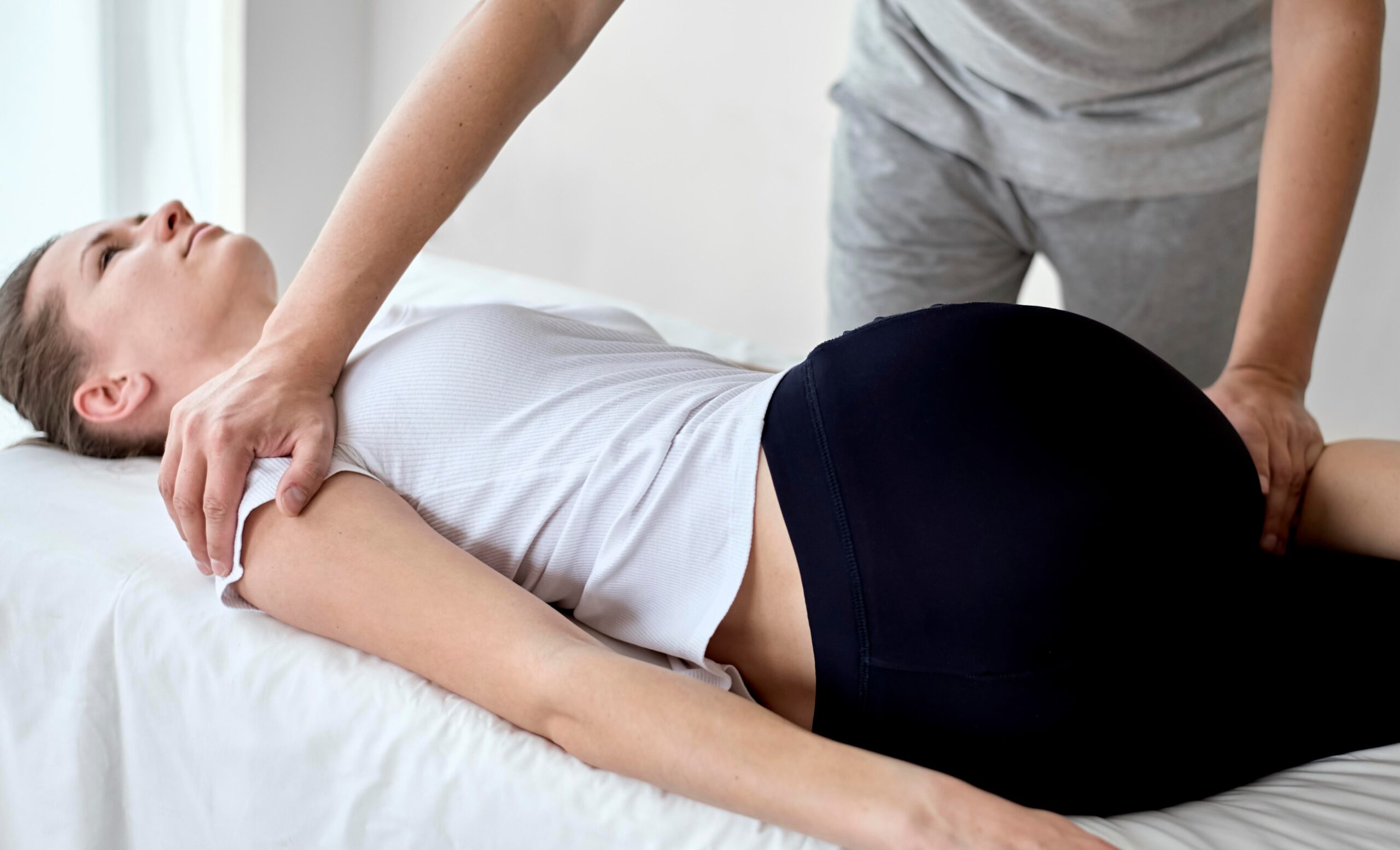
A proper physical therapy plan can reduce pain, improve flexibility, and prevent further damage.
Here’s what’s usually included:
- Targeted hip flexion and rotation exercises
- Strengthening hip abductor and core muscles
- Gentle range of motion stretches
- Posture training to reduce hip load
Sometimes, doctors suggest anti inflammatory medications or pain relievers. These are temporary measures.
Heat and ice packs, along with avoiding deep hip flexion, help in acute cases.
SRM Global Hospitals offers individualised rehab plans under expert physiotherapists. You can also book an appointment online or by visiting the hospital.
When Surgery Becomes the Right Option

Arthroscopic Surgery for FAI
- Minimally invasive procedure
- Surgeons trim extra bone or repair labral tears
- Preserves normal hip anatomy
- Less pain and faster recovery
Most patients resume walking in a few weeks, but full recovery takes 3–6 months depending on age and severity.
At SRM Global Hospitals, arthroscopic surgeries are done by trained joint specialists using advanced tools.
Long-Term Recovery Tips and Prevention
How to Take Care of Your Hip Joint
- Avoid chairs with low seat height
- Don’t sit cross-legged for long
- Warm-up before workouts
- Focus on hip mobility exercises
- Keep healthy weight
Watch out for any discomfort during squatting or bending. Never ignore a dull ache that lasts more than a week.
Treat Hip Impingement the Right Way
Living with ongoing hip pain is not easy. If untreated, hip impingement can limit your life quality. Early diagnosis and treatment can reduce pain, protect your hip joint, and improve movement.
At SRM Global Hospitals, the orthopaedic team ensures proper diagnosis using MRI, X-ray, and thorough examination. Both surgical and non-surgical treatment options are personalised. Book an appointment today for the best care.
Facing hip discomfort or limited movement? Don’t wait, Book an appointment at SRM Global Hospitals and let experts manage your hip impingement before it worsens.
