


Lateral Meniscus Tear: Symptoms, Causes, and Best Treatment Options
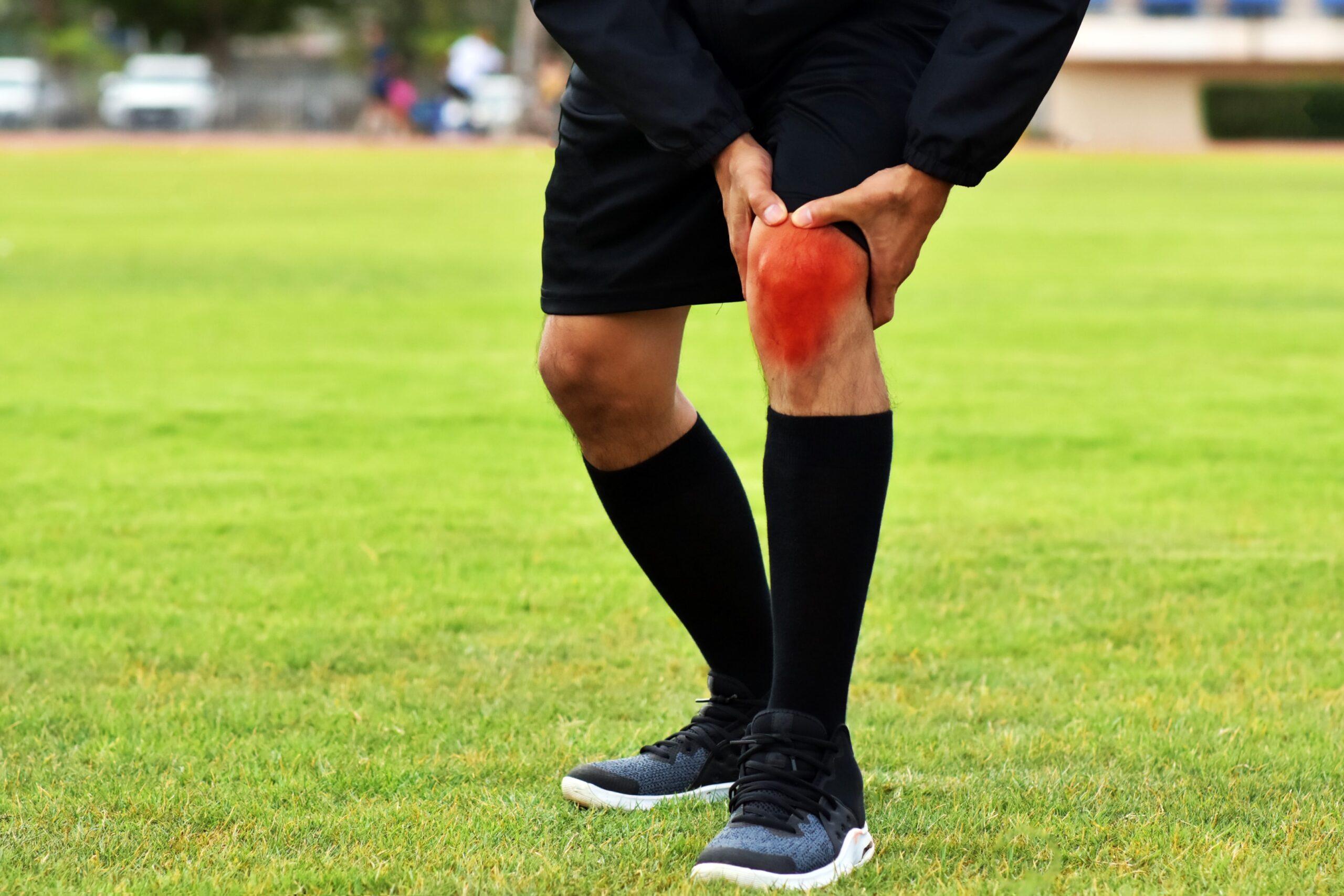
Have you ever taken a wrong step, twisted your knee during a busy day, or felt a sudden sharp pain after a minor slip? Many people ignore that moment, thinking it will settle soon, but sometimes it leads to something deeper, something like a lateral meniscus tear. This kind of injury often interrupts daily life, slows down simple movements, and makes even a regular walk feel heavy.
People in India are experiencing knee problems more often now, partly due to long work hours, reduced physical activity, and high-impact movements in sports. And still, many do not understand what the meniscus really does or how badly a torn meniscus affects the knee joint. With the proper knowledge, you can protect your knee health and respond promptly whenever symptoms appear.
Now, let us explore what a lateral meniscus tear really means, how symptoms progress, how doctors diagnose it, and what treatment options support fast healing.
What Makes the Meniscus So Important?
Before we start, let us understand the surrounding area. The meniscus is a soft, rubbery cartilage inside the knee. It acts like a cushion, keeps the bones balanced, and controls smooth movement.
A tear in this tissue affects stability and shock absorption. It makes bending, walking, or twisting difficult. Since the meniscus sits between the thigh bone and the shin bone, even a mild injury can disturb the entire alignment of the knee joint.
The meniscus has two main parts—the medial meniscus and the lateral meniscus. The medial meniscus lies on the inner side of the knee, while the lateral one lies on the outer side. Most people hear about medical issues because they occur easily during twisting injuries, but lateral meniscus tears bring their own set of problems.
The lateral meniscus handles a bigger share of shock absorption during high-impact actions. Sports injuries, fast knee twists, sudden stops, and deep bends can strain it. A lateral meniscal tear often occurs during contact sports or during movements that force the knee to rotate inwards or outwards.
When this cartilage gets damaged, the joint loses smooth movement. Pain, swelling, and restricted range appear. Without proper care, the injury worsens, and your ability to bear weight decreases.
Symptoms of a Lateral Meniscus Tear
Common Symdptoms You Should Not Ignore
A lateral meniscus tear can present with several signs that develop gradually or suddenly. People often mistake them for minor sprains, which delays early treatment.
Some of the significant symptoms include:
- Knee pain on the outer side of the joint
- Knee locking or getting stuck mid-movement
- Knee giving way, especially when going up stairs
- Pain and swelling that come after activity
- A popping sound during the initial injury
- Difficulty bending or extending the knee
- Persistent knee pain during simple tasks
- Tenderness around the joint line
- Pain while rotating the leg
- Swelling that increases after long weight-bearing
Many people think pain is the only sign, but symptoms like restricted range of motion, grinding, and stiffness also occur regularly. You may not know the exact moment the tear happened, especially if it is due to degenerative changes.
Causes Behind Lateral Meniscus Tears
Most cases arise from sudden movements, but many people develop tears slowly due to wear and tear. Knowing the cause helps you prevent repeat injuries.
1. Sports Injuries
Athletes face a high risk. Football, cricket, basketball, and other contact sports involve rapid movements, direct impacts, and unexpected knee twists. Even a slight knee twist can damage the lateral meniscus.
2. Age-Related Degeneration
People above 40 often develop degenerative meniscus tears as cartilage becomes weaker. Everyday movements can be enough to cause a tear.
3. Sudden Knee Twists
A wrong step on uneven ground, a quick turn, or rotating the knee while the foot is planted can cause an acute tear.
4. Heavy Weight and Stress
Excess weight puts pressure on the knee and increases the risk of a degenerative tear.
5. Other Knee Injuries
ACL tears, ligament sprains, and common knee injuries often come together with meniscal damage.
6. Occupational Strain
Jobs that require squatting, kneeling, lifting, or deep bending place excessive strain on the knee.
7. Weak Muscles
Weak quadriceps or tight hamstrings reduce knee support, increasing the risk of injury.
Types of Lateral Meniscus Tears
Tear Patterns and Their Features
Below is a detailed table explaining common tear types, how they form, and how they affect the lateral meniscus.
| Tear Type | Description | Common Causes | Impact on Knee Stability |
| Radial Tear | Small cut going outward from the middle | Sudden twists, sports injuries | Causes instability and pain with rotation |
| Bucket Handle Tear | A large tear where the piece flips inward | High-impact sports, fast rotation | Knee locking and severe loss of motion |
| Degenerative Tear | Slow wear-and-tear damage | Ageing, long-term strain | Mild to moderate instability |
| Horizontal Tear | Tear spreads parallel to the meniscus surface | Repeated compression | Swelling and reduced shock absorption |
| Complex Tear | Multiple patterns combined | Trauma or advanced degeneration | High pain, poor mobility |
This table shows how different tear shapes affect movement and long-term knee health.
How Doctors Diagnose a Lateral Meniscus Tear

Physical Examination Steps
A specialist checks:
- Area of tenderness along the joint line
- Swelling levels
- Knee locking or catching
- Pain during internal rotation
- Movement restriction in the range of motion
The physical exam often includes the McMurray test, Apley test, and Thessaly test. These detect clicking, pain, and instability.
Imaging Tests Used
Doctors use the following:
- Magnetic resonance imaging (MRI) is used to see soft tissues clearly
- MRI scans to detect small tears, radial tears, or bucket handle tears
- X-ray to rule out bone injuries
- Sometimes, an ultrasound for fluid assessment
MRI remains the gold standard because it shows the rubbery cartilage, torn portion, displaced fragments, and soft tissues around the injured knee.
Treatment Options for Lateral Meniscus Tear
Many patients recover without surgery, especially if the tear is small.
1. Rest and Protection
Reducing activity prevents further injury. A knee brace supports the joint.
2. Ice and Anti-Inflammatory Drugs
These help relieve pain, reduce swelling, and control inflammation.
3. Physical Therapy
A trained physical therapist guides exercises that restore mobility. Strengthening exercises support knee stability and healthy movement.
4. Weight Management
Reducing body weight decreases the load on the knee.
5. Limited Weight Bearing
Doctors may advise avoiding full weight on the injured knee for a few weeks.
Surgical Treatment Options
Common Surgical Approaches
1. Meniscus Repair
Best for younger patients with fresh tears. Doctors use multiple sutures to attach the torn part.
2. Arthroscopic Surgery
A surgeon inserts tiny instruments to repair damage as minimally invasively as possible.
3. Partial Meniscectomy
Doctors remove the torn portion when repair is not possible.
4. Arthroscopic Total Meniscectomy
Used in rare cases when the entire meniscus is damaged.
5. Inside-Out Repair
Special method used for specific tear patterns.
Repair has better long-term results because it protects knee stability, shock absorption, and cartilage health.
Recovery After a Lateral Meniscus Tear
What to Expect During Healing
Weeks after injury or surgery include:
- Controlled weight-bearing
- Slow progress in range of motion
- Carefully guided strengthening exercises
- Avoiding deep squats
- Preventing sudden twists
- Using a brace when needed
Regular follow-up ensures the knee heals safely.
Preventing Future Meniscus Problems
Controlled Bridges for Abdominal and Hip Muscles
- Maintain strong quadriceps and hamstrings
- Warm up before workouts
- Wear proper shoes
- Avoid sudden, intense knee twists
- Manage weight
- Improve flexibility
- Follow safe techniques during sports
Prevention works better than treatment because cartilage does not fully regrow once damaged.
Final Thoughts
A lateral meniscus tear affects daily life, mobility, work, and physical performance. With proper diagnosis, timely care, and a guided plan, most people return to regular activity. Whether the tear comes from sports, a sudden twist, or age-related degeneration, listening to your knee and taking action early helps protect long-term joint health. If you experience knee locking, persistent pain, swelling, or difficulty walking, do not wait.
For expert evaluation, correct diagnosis, and advanced treatment options, contact SRM Global Hospitals. Our specialists ensure safe healing and customised care for your knee.
If you want the fastest path to relief and long-term recovery, reach out to SRM Global Hospitals today.
