


What is Partial ACL Tear Recovery Time Without Surgery
You are running across a football ground, your shoes squeak on the turf, and suddenly your foot twists in a way it shouldn’t. A sharp pain shoots through your knee, and you go down. The swelling starts within hours. Doctors later tell you it’s a partial ACL tear.
Now, the first thought most people have is, “Do I need surgery?” Truth is, not always. A partial ACL tear recovery time without surgery can be manageable if you know what to do, how to rest, and when to start moving again. Let’s break this down simply.
What is a Partial ACL Tear?
The anterior cruciate ligament connects the thigh bone and shin bone, keeping the knee joint from sliding forward during quick movements. Think of it like a rope holding the bones steady. A complete ACL tear means that rope has snapped fully. A partial ACL tear means some ligament fibres are still holding, but the rope is frayed.
This kind of knee injury usually comes from twisting, sudden stops, or falling badly. Symptoms can range from dull throbbing pain to swelling and a sense that your knee may buckle under you. Unlike a completely torn ACL, which almost always requires surgery, a partial tear can often be handled through non surgical recovery methods like physical therapy and rest.
Can a Partial ACL Tear Heal Without Surgery?
Yes, it can. Not everyone with a torn ACL has to rush to the operating room. If you have a partial tear, your doctor might say you’re a good candidate for non surgical treatment.
This works best if you are not an athlete chasing competitive sports, or if your daily life doesn’t demand constant twisting and jumping. In these cases, physical therapy and controlled strengthening exercises help the surrounding muscles protect the knee joint.
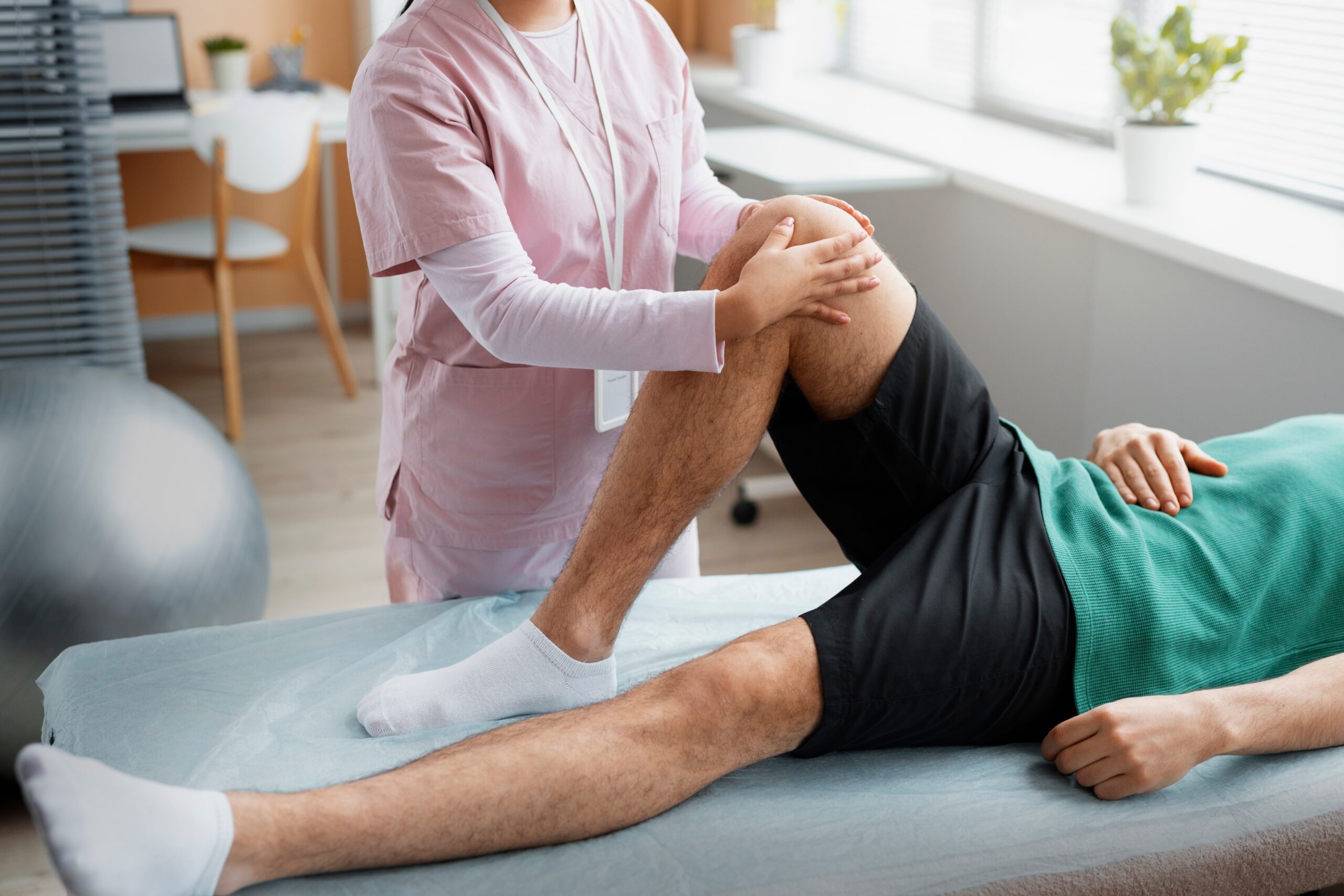
A physical therapist usually builds a program step by step: simple stretches first, then slow strengthening, and finally balance work. The body begins to adapt. The muscles around the knee take over some of the support that the partially torn ACL can’t handle. And with time, pain reduces, swelling goes down, and movement feels normal again.
Still, patience is key. Some people try to rush recovery and end up making a small tear worse. That’s why a structured plan matters.
Typical Recovery Timeline Without Surgery
Now comes the question most patients ask in the clinic: how long will it take? The truth is, partial ACL tear recovery time without surgery is not the same for everyone. But doctors usually map out a rough timeline.
0–2 weeks
You’re in damage control mode. Rest, ice, and sometimes a knee brace. The main aim is to reduce swelling and pain.
2–6 weeks
Here you begin physical therapy. You may feel stiff at first, but simple leg raises and bending exercises restart knee function. A physical therapist keeps things safe.
6–12 weeks
Stronger work now. Thigh muscles, hamstrings, and surrounding muscles need to be trained. These muscles act like natural stabilisers for the knee.
3–6 months
Slow return to activities. Low-impact physical activities such as cycling and swimming become your friends. By this stage, most patients forget about their torn ACL during day-to-day work.
6–9 months
If progress has been steady, most people get back to normal routines. For someone who wants to play sports, this is the stage when sport-specific drills start.
That said, the ACL injury recovery time depends on how disciplined you are. Skip therapy sessions, and you’ll stretch recovery longer. Stick to the plan, and the healing process will be smoother.
Non-Surgical Treatment Options – When Choosing the Best RA Doctor in Chennai
When you deal with a partial ACL injury, the doctor you choose matters a lot. A good RA doctor in Chennai will guide you through treatment without jumping straight to surgery. The first step is a proper clinical test and MRI to confirm the damage. After that, the recovery roadmap begins.
Rest and Activity Change
In the early stages, you have to avoid heavy running, twisting, or sudden stops. Rest gives the ligament fibres a chance to calm down.
Physical Therapy
This is the backbone of non surgical recovery. A physical therapist works closely with you to build strength around the knee joint. They start small, but by month three you’ll be surprised at how strong your leg feels again.
Knee Brace
Many doctors advise a knee brace to protect the partially torn ACL during the early weeks. It gives support and reduces the risk of further injury.
Medication
Simple painkillers or anti-inflammatory tablets are used in short phases. These reduce swelling and make physical therapy more comfortable.
Lifestyle Choices
Switching from high-impact workouts to safer ones helps. Swimming, yoga, or cycling give movement without stress. Keeping body weight under check also reduces load on the affected leg.
Signs You May Still Need Surgery
Most people do fine with non surgical treatment options. But sometimes, the body refuses to settle with a partially torn ACL. Here are warning signs that mean ACL surgery might be the next step.
Knee Instability
If the knee still feels unstable months after physical therapy, that’s a red flag. Daily tasks like walking down stairs may feel risky.
Returning to Sports
If you’re serious about playing football, basketball, or kabaddi again, non surgical rehab may not be enough. These sports put too much pressure on the knee joint. ACL reconstruction surgery may then be the only way to restore knee stability.
Progressing to a Complete Tear
A partial tear can become a complete ACL tear if you push the knee too soon. In such cases, surgical reconstruction is the safer option to avoid permanent damage to articular cartilage or the medial collateral ligament.
How to Book an Appointment to Know Partial ACL Tear Recovery Time Without Surgery
If you’re in Chennai and wondering how long your partial ACL tear recovery time without surgery will be, don’t guess. Get a clear plan from a specialist.
Book your appointment today At SRM Global Hospitals, patients with ACL injury receive full care. From the moment you step in for diagnosis to the day you return to normal life, the team stays with you. They have expert orthopaedic doctors, experienced physical therapists, and facilities for both non surgical recovery and ACL reconstruction surgery when needed.
Patients with partial ACL injury are given personal recovery plans. Every step, rest, exercises, brace use, and follow-up, is tracked. This reduces risk of further injury and helps restore knee stability faster.
Do not wait till a partial tear turns into a complete ACL tear. Book your appointment at SRM Global Hospitals today and take control of your recovery time.
Final Thoughts
A partial ACL tear can be scary at first, but it doesn’t always mean going under the knife. With careful planning, consistent physical therapy, and good doctor guidance, partial ACL tear recovery time without surgery is realistic. Most people return to normal activities in a few months.
But don’t guess your recovery path. Get expert advice from specialists who know how to treat ACL injuries the right way.
If you’re in Chennai, SRM Global Hospitals is the place to start. They guide you from diagnosis to treatment, covering both non surgical recovery and surgical repair when required.
Book your appointment at SRM Global Hospitals today. Protect your knee, restore your confidence, and get back to life.
FAQs About Partial ACL Tear Recovery Without Surgery
1. Can I walk normally with a partially torn ACL?
Yes, many patients walk normally within weeks. A knee brace may help in the early stages.
2. What is the torn ACL recovery time without surgery?
It usually takes between 3 and 9 months depending on how severe the knee injury is and how carefully you follow treatment.
3. Do all ACL tears require surgery?
No. A partial tear often heals with non surgical treatment, but a complete ACL tear usually requires surgery.
4. Is physical therapy enough for ACL injury recovery time?
For a partial tear, yes. Physical therapy strengthens surrounding muscles and supports the knee joint well.
5. What if I feel unstable after months of therapy?
That may be a sign you need surgical intervention. Consult your doctor quickly.
