


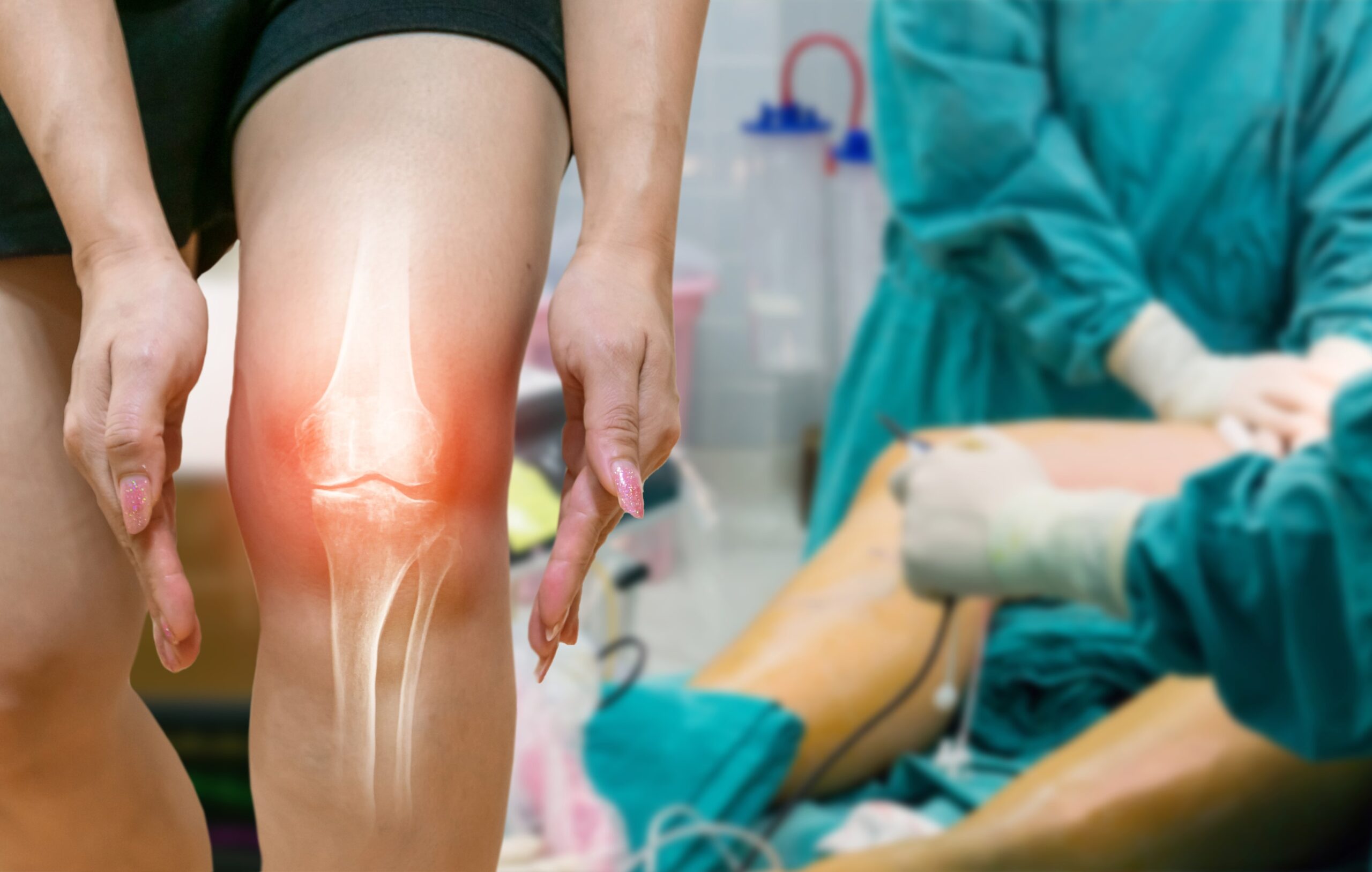
Have you ever felt sharp knee pain after twisting your leg while playing, running, or climbing stairs? That sudden stiffness or locking of the knee joint can be a warning sign of a meniscus tear. These soft tissues act like natural shock absorbers in the knee, protecting bones during movement.
When injured, even simple daily tasks can feel tough. The right meniscus tear treatment helps reduce pain, restore strength, and prevent future knee injury. Knowing the options is the first step.
What is Meniscus Tears?
The meniscus is a C-shaped cartilage inside the knee. Each knee has two menisci, the medial meniscus on the inner side and the lateral meniscus on the outer side. They cushion the knee joint, spread body weight, and support smooth movement. When a meniscus gets torn due to sports, sudden twists, aging, or degeneration, it leads to discomfort and swelling.
This condition is called a meniscus tear. Depending on severity, meniscal tears may heal with conservative treatment or require meniscus tear surgery. Early diagnosis and timely care are important to prevent the development of arthritis or worsening knee problems.
When to Seek Treatment
Not every knee injury needs surgery right away. But with meniscus tears, delaying the right care can make the injury worse. Many people try to ignore the pain, thinking it will settle in a few days. Sometimes, mild strains do heal with rest, ice, compression, and elevation. However, if the tear is deeper or involves damaged meniscus tissue, early treatment is safer. Untreated meniscal injury may lead to stiffness, knee locks, or even degenerative changes in the joint.
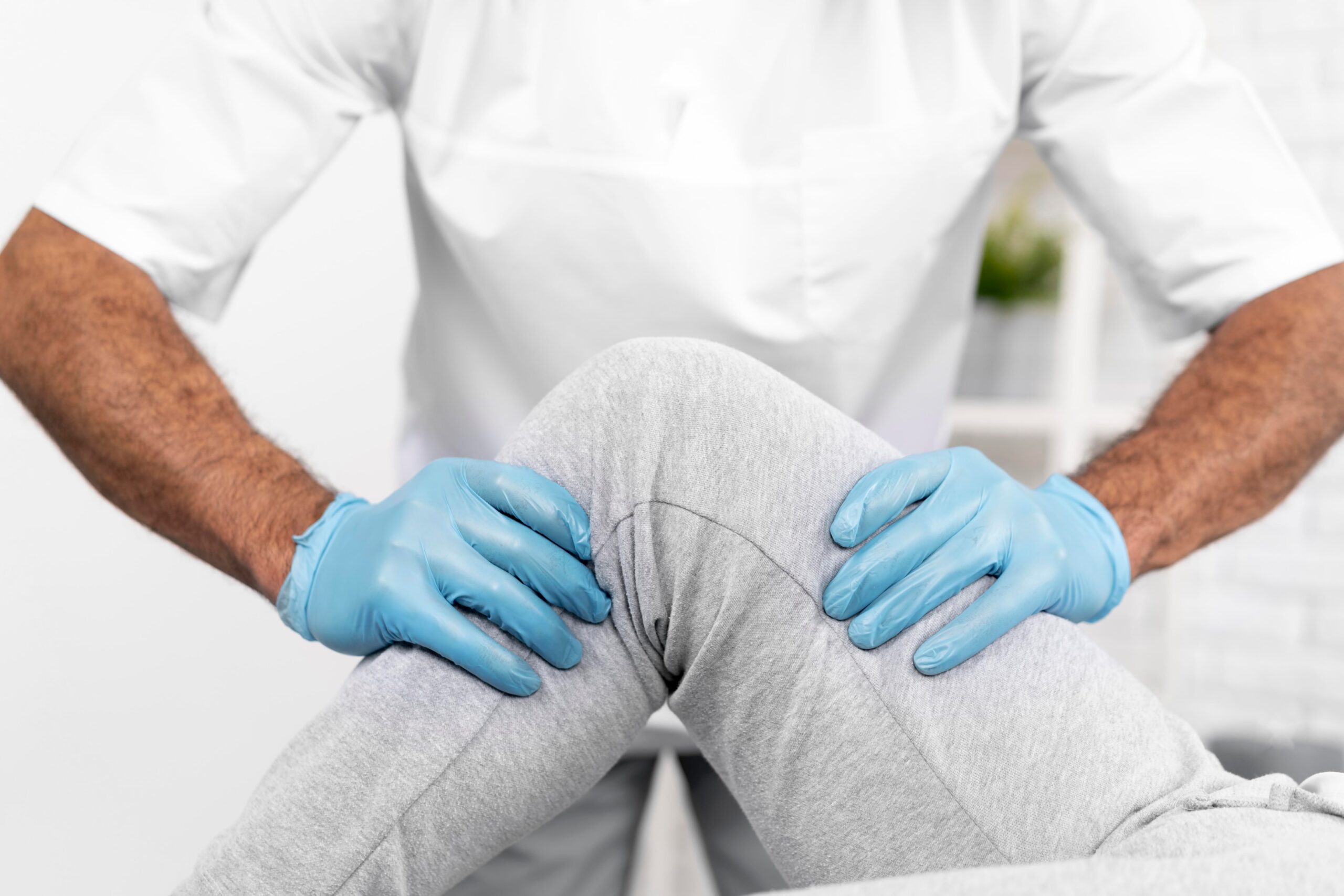
You should meet an orthopaedic surgeon if you notice:
- Persistent knee pain that doesn’t settle in a few weeks
- Swelling in and around the knee joint after activity
- Knee giving way or a feeling that it cannot bear weight
- Difficulty in straightening or bending the injured knee fully
- A popping sound or sharp twist followed by immediate swelling
- Locking or catching sensation while walking or climbing stairs
When these symptoms persist, nonsurgical treatment may not be enough. Meniscus tear treatment options range from physical therapy and bracing to arthroscopic surgery. Consulting early gives the chance to choose the right path, relieve pain, and prevent further damage to the medial meniscus or lateral meniscus.
Diagnosis & Evaluation
Early and accurate diagnosis is essential for meniscus tear treatment. Many patients confuse knee pain from a torn meniscus with other knee injuries. A correct evaluation by orthopaedic surgeons helps decide if conservative treatment will work or if meniscus tear surgery is required.
Doctors use a mix of physical examination, imaging tests, and sometimes joint surgery tools to confirm the injury. The aim is to find the exact tear pattern, the location on the medial meniscus or the lateral meniscus, and how much of the soft tissues are damaged.
Clinical Examination
The first step is always a clinical examination. A doctor asks about how the knee injury happened and the type of pain felt. They check the range of motion, swelling, and tenderness along the joint line. Specific tests, like McMurray’s and Apley’s grind test, are done to assess meniscal tears.
A click, pain, or locking sensation during these maneuvers often suggests symptomatic tears. Clinical checks also help rule out other knee injuries, such as anterior cruciate ligament damage. Since acute meniscus tears and degenerative meniscus tears behave differently, the exam gives direction for further imaging tests.
Key checks include:
- Range of knee movement
- Joint line tenderness
- Locking or catching signs
- Comparison with the normal meniscus side
Imaging Tests: MRI Scans & X-rays
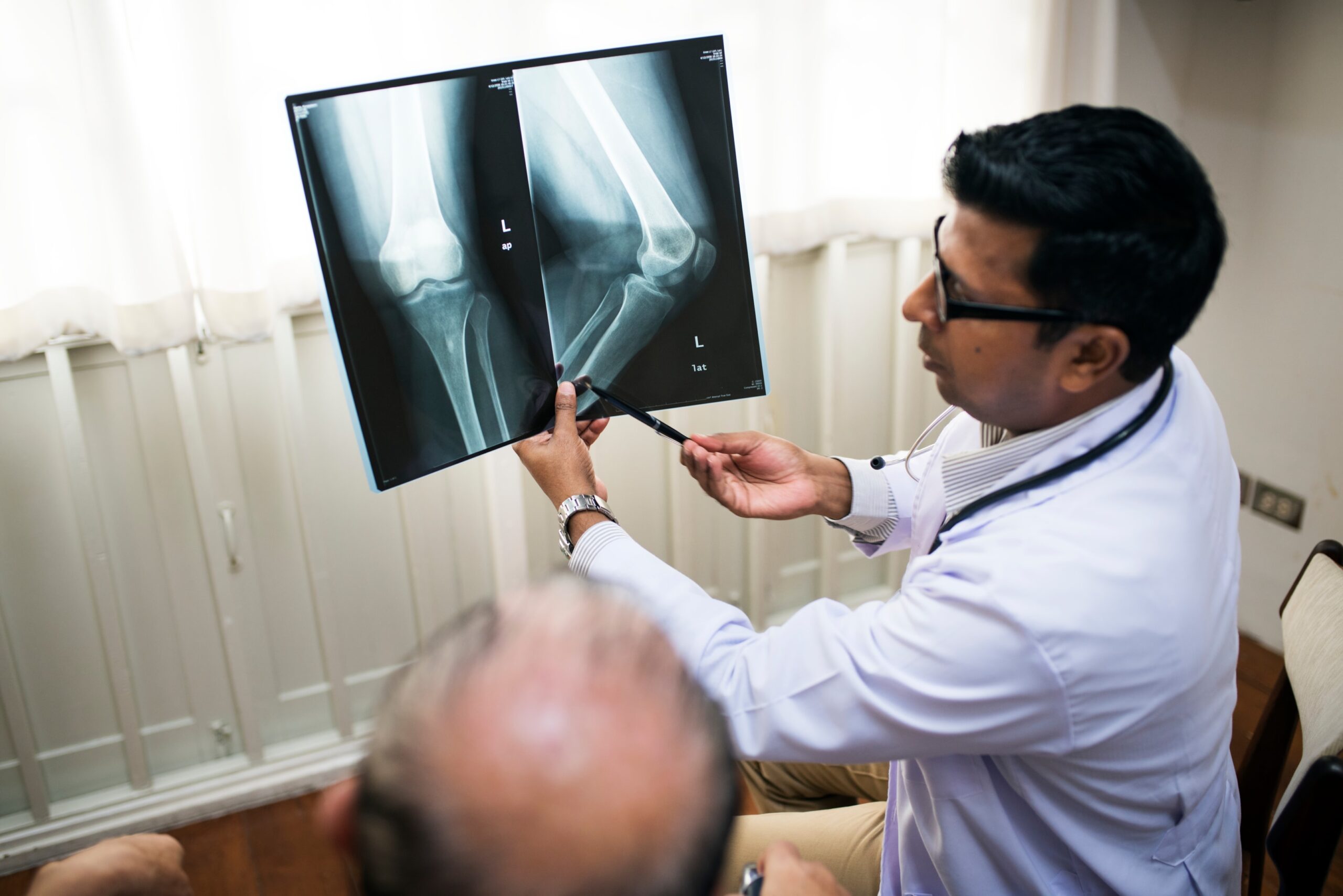
If the physical exam suggests a meniscal injury, imaging tests confirm the findings. Magnetic resonance imaging (MRI scans) is the gold standard for detecting a meniscus tear. MRI shows the soft tissues clearly and identifies the tear pattern, blood vessels involved, and damaged meniscus tissue. X-rays may also be taken to rule out fractures or degenerative changes in bones.
Sometimes, an ultrasound is used to look for swelling or fluid in the joint. Imaging helps differentiate a medial meniscus tear from a lateral meniscus tear. It also gives clues about degenerative meniscus tears that develop with age, unlike acute meniscus tears in sports medicine.
Common imaging uses:
- MRI for soft tissue tears
- X-rays for bone and joint changes
- Ultrasound for swelling and fluid
Arthroscopic Evaluation
When imaging is unclear or symptoms persist despite conservative treatment, arthroscopic evaluation may be advised. In this procedure, the surgeon inserts small surgical instruments and a camera through tiny cuts in the knee. This direct view of the meniscus allows accurate diagnosis of radial tears, symptomatic tears, and damaged meniscus tissue.
Arthroscopy is also used as a treatment step, such as partial meniscectomy or meniscus repair techniques. Since the camera shows the normal meniscus as well as the injured parts, surgeons can decide immediately on repair techniques. Arthroscopic surgery remains one of the most reliable methods to diagnose and treat meniscal injury in the same sitting.
Arthroscopy helps with:
- Confirming the exact tear pattern
- Deciding on meniscus repair or removal
- Checking other knee injuries together
Differential Diagnosis & Associated Injuries
Not every knee pain is due to meniscus tears. Doctors carefully rule out other knee injuries before confirming meniscal tears. Conditions such as ligament tears (especially the anterior cruciate ligament), cartilage wear, bursitis, or arthritis can mimic torn meniscus symptoms. Sometimes, patients may have both a meniscus injury and other knee injuries, which complicates treatment.
Degenerative changes in older adults may appear like degenerative meniscus tears on MRI scans. Careful evaluation ensures correct treatment, whether conservative treatment, rehabilitation exercises, or meniscus tear surgery. Addressing associated injuries also improves long-term outcomes and reduces the chances of developing arthritis.
Other conditions to rule out:
- ACL and PCL ligament injuries
- Cartilage or bone damage
- Bursitis and joint swelling
- Early arthritis changes
Non-Surgical (Conservative) Treatment Options
Not every meniscus tear needs surgery. Many people recover well with conservative treatment, especially when the tear is small, stable, or caused by degenerative changes. These options focus on reducing pain, improving mobility, and preventing further injury.
Orthopaedic surgeons often recommend them as the first line of care before suggesting meniscus tear surgery. Conservative treatment also helps patients who are not fit for joint surgery. With proper guidance from a physical therapist, rehabilitation exercises can restore strength and function in the injured knee.
RICE Method
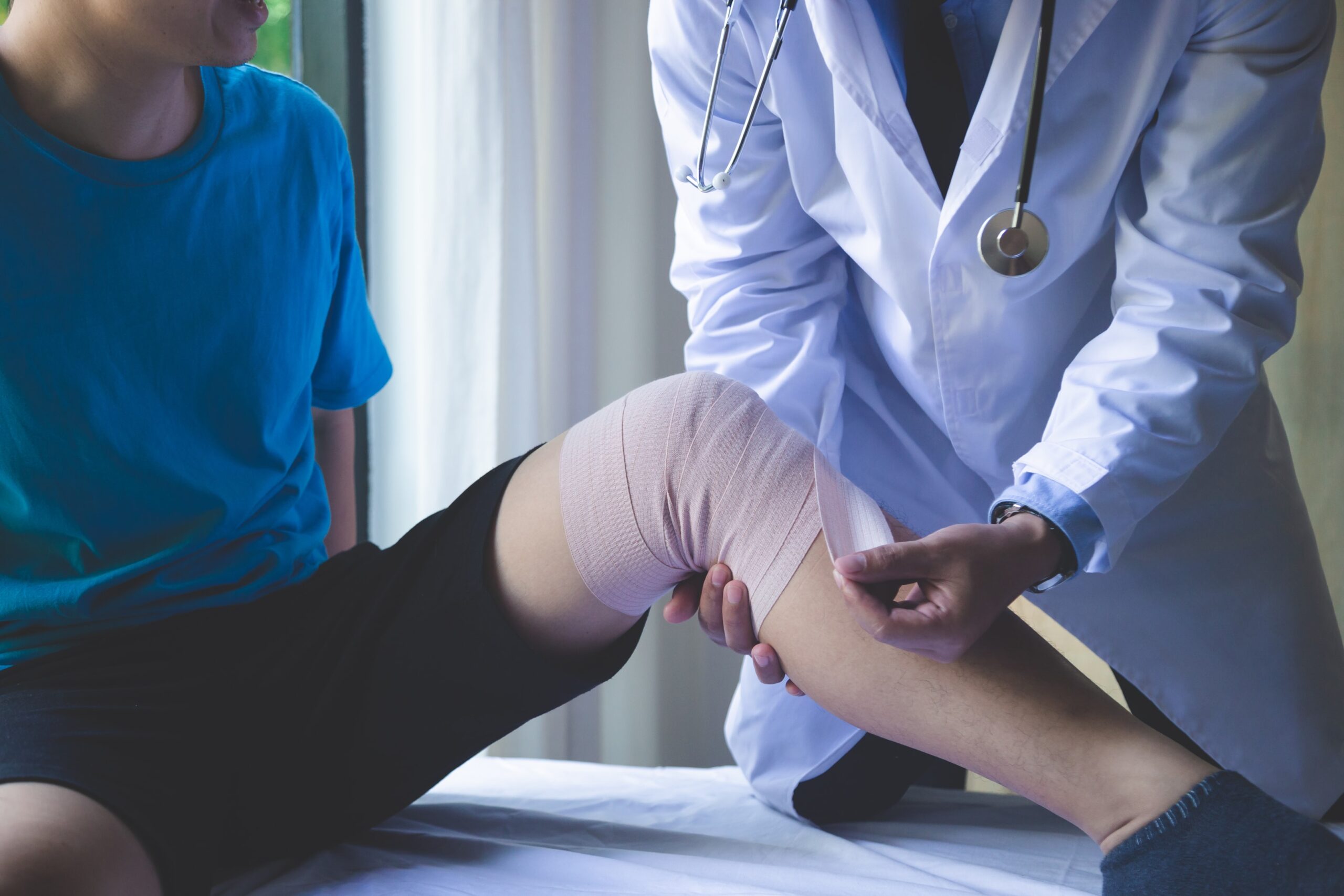
The most common starting point for medial meniscus tear treatment or lateral meniscus tear treatment is the RICE method: Rest, Ice, Compression, and Elevation. Rest prevents further stress on the damaged meniscus. Ice compression and elevation reduce swelling and relieve pain.
A compression bandage supports the knee joint and limits movement during the early healing stage. This method is especially useful in acute meniscus tears caused by sports injury or sudden twists. Although it cannot repair damaged meniscus tissue, it prevents worsening of the injury. Most doctors suggest continuing RICE for a few weeks along with other nonsurgical treatment options.
Steps in RICE:
- Rest from activities that stress the knee
- Apply ice packs for 15–20 minutes every few hours
- Use a compression bandage around the knee
- Elevate the injured knee above heart level
NSAIDs & Pain Management
Pain control is an important part of meniscus tear treatment. Non-steroidal anti-inflammatory medications (NSAIDs) like ibuprofen help reduce pain and swelling. These medicines are usually safe for short-term use, but long-term use may cause stomach or kidney issues. Doctors may also suggest topical gels or injections for local relief.
Sometimes, corticosteroid injections are used to settle severe inflammation in the knee joint. These help patients continue rehabilitation exercises without discomfort. While NSAIDs and injections can relieve pain, they do not heal the torn meniscus. They are usually combined with rest, ice, compression, and physical therapy for better outcomes.
Pain management tools:
- Oral NSAIDs for pain and swelling
- Topical anti-inflammatory gels
- Corticosteroid injections in severe cases
Physical Therapy & Rehabilitation
A structured rehabilitation program designed by a physical therapist plays a major role in recovery. Physical therapy focuses on strengthening exercises for the quadriceps, hamstrings, and hip muscles that support the knee joint. Stretching improves flexibility and reduces stiffness. Balance training helps prevent further knee injury. Rehabilitation exercises are gradually increased depending on pain levels and improvement.
For degenerative meniscus tears, physical therapy is often more effective than meniscus tear surgery. A dedicated routine for a few weeks improves mobility, reduces pain, and restores stability. Therapy also prevents knee locks and supports daily activities without strain on the joint.
Focus areas in therapy:
- Strengthening surrounding muscles
- Stretching to reduce stiffness
- Balance and coordination training
- Gradual return to activities
Bracing & Assistive Supports
Bracing is another helpful option in conservative treatment. A knee brace stabilises the joint and prevents sudden twists that can worsen meniscal injury. It also reduces pain while walking or climbing stairs. For people with symptomatic tears, bracing can allow them to stay active during recovery.
Assistive devices such as crutches or walking sticks may be suggested for a few weeks to reduce weight-bearing on the injured knee. These supports give the damaged meniscus tissue time to recover. Though braces cannot repair a meniscus tear, they prevent further damage and reduce pain in the short term.
Assistive supports include:
- Hinged knee braces for stability
- Elastic sleeves for mild support
- Crutches for reducing weight on the knee
Regenerative Medicine: PRP & Stem-Cell Therapy
Regenerative medicine is an advanced nonsurgical treatment used in some cases of meniscal tears. Platelet-rich plasma (PRP) injections use the patient’s own blood, concentrated with healing factors, to boost repair in damaged soft tissues. Stem-cell therapy aims to regenerate damaged meniscus tissue and reduce pain.
Though results vary, both therapies are being studied widely in sports medicine. They are considered for patients who want to delay meniscus tear surgery or cannot undergo knee surgery due to other health issues. These methods are less invasive and may offer relief in degenerative meniscus tears or small tear patterns.
Possible benefits:
- Reduce swelling and pain
- Support tissue healing
- May delay the need for meniscus replacement or surgery
Surgical Treatment Options
When conservative treatment fails or symptoms persist, doctors may recommend meniscus tear surgery. Surgery is often needed for large symptomatic tears, acute meniscus tears in younger patients, or when the knee locks and movement is blocked. Modern arthroscopic surgery uses small surgical instruments inserted through tiny cuts.
The surgeon inserts a camera to see the torn meniscus directly, decides the repair technique, and treats the injury in the same sitting. Meniscus tear surgery can remove damaged tissue, stitch the tear, or replace the meniscus entirely, depending on the injury. The aim is to relieve pain, restore shock absorption, and protect the knee joint from developing arthritis.
Arthroscopic Partial Meniscectomy
Partial meniscectomy is the most common knee surgery for meniscal injury. In this procedure, only the damaged meniscus tissue is trimmed and removed, while the normal meniscus is preserved. This reduces pain and swelling while keeping the knee stable. Arthroscopic partial meniscectomy is usually done for radial tears or degenerative meniscus tears that cannot heal on their own.
Since only a few hours are needed for surgery and recovery starts quickly, patients often return home the same day. However, removing too much meniscus can reduce shock absorption and may increase the risk of developing arthritis later. That is why surgeons remove only what is necessary.
Key points:
- Removes only damaged meniscus tissue
- Performed with arthroscopic surgery tools
- Recovery starts in a few weeks
- Preserves as much of the normal meniscus as possible
Meniscus Repair Techniques
In young patients and fresh acute meniscus tears, meniscus repair is preferred. This surgery involves stitching the torn meniscus back together so it can heal naturally. Repair techniques are effective if the tear is near blood vessels, since the blood supply helps healing. Surgeons use advanced repair techniques with special surgical instruments, including inside-out, outside-in, and all-inside suturing methods.
Meniscus repair helps preserve the shock absorbers of the knee joint and reduces the chance of degenerative changes. Although recovery takes longer than partial meniscectomy, outcomes are better in the long run. Patients usually need strict physical therapy and strengthening exercises for a few months after repair.
Key points:
- Best for young patients with fresh tears
- Works well if the tear is near the blood vessels
- Longer recovery compared to removal
- Preserves normal meniscus function
Meniscus Transplant & Scaffolds
For patients with severe meniscus damage or failed previous surgeries, meniscus transplantation is an option. In this procedure, a donor meniscus (allograft) is placed into the knee to replace the damaged meniscus. Meniscus transplant restores shock absorption, reduces pain, and protects the knee joint from further degenerative changes. New scaffolds made of synthetic or biological materials are also being tested to encourage the growth of meniscal tissue.
Meniscus replacement is usually advised for younger, active patients who have lost most of their meniscus but do not yet have severe arthritis. Though not common, this advanced joint surgery option can give long-term relief.
Key points:
- Used for severe or repeated meniscus injury
- Involves a meniscus transplant from a donor
- Scaffolds may support tissue regrowth
- Helps delay arthritis and knee surgery
Recovery & Rehabilitation
Meniscus tear surgery or conservative treatment is only the first step. Real healing happens during recovery and rehabilitation. The knee joint needs time, care, and structured exercises to regain full strength. Without proper rehabilitation exercises, even a successful meniscus repair can fail. Orthopaedic surgeons and physical therapists guide patients through different phases of recovery.
Each stage focuses on controlling pain, restoring motion, and building muscle strength. Recovery may take a few weeks for partial meniscectomy, but several months for meniscus repair or meniscus transplant. Consistency is the key. Patients who follow therapy plans recover better and avoid further knee injury.
Immediate Post-Surgery Care
In the first few hours to days after knee surgery, the focus is on controlling pain and swelling. Rest, ice, compression, and elevation remain essential. A compression bandage supports the knee joint, while pain medicines help reduce discomfort. Patients are often advised to use crutches to avoid pressure on the injured knee.
Doctors also teach safe positions for sleeping and sitting to protect the surgical site. Following these steps prevents complications and allows the damaged meniscus tissue to begin healing. Even nonsurgical treatment requires similar early care to reduce pain and swelling.
Restoring Range of Motion
Within a few weeks, rehabilitation shifts to restoring knee movement. Gentle stretching and bending exercises are started under the guidance of a physical therapist. Patients learn to extend and flex the knee without stressing the repaired meniscus. The aim is to prevent stiffness and ensure smooth joint line movement.
Gradual progress is made, depending on whether the patient had a partial meniscectomy, meniscus repair, or meniscus replacement. Early motion also improves blood flow to the soft tissues and speeds up healing. Exercises are carefully chosen so symptoms persist less and recovery continues without risk of re-injury.
Strengthening Exercises
Once motion improves, strengthening exercises become the focus. Quadriceps, hamstrings, and hip muscles act as shock absorbers for the knee joint. A physical therapist designs a plan that starts with simple exercises like straight leg raises and progresses to resistance training. Strengthening reduces stress on the injured knee and prevents future meniscal injury.
For patients with degenerative meniscus tears, these exercises are crucial to maintain stability. Balance and coordination training also reduces the chance of falls or knees giving way. Consistent strengthening protects the meniscus and supports long-term recovery after meniscus tear surgery or conservative treatment.
Return to Sports & Daily Activities
For athletes or active individuals, the final phase of rehabilitation is return to sports. This stage may take a few months after meniscus repair techniques or meniscus transplant. Sports medicine experts gradually introduce running, jumping, and contact sports under supervision.
For daily life, tasks like climbing stairs, squatting, or lifting weights are resumed step by step. The goal is not just to reduce pain but to return to normal meniscus function without fear of injury. A complete recovery plan ensures the knee joint can handle pressure safely, reducing the risk of degenerative changes or repeat meniscus tears.
Outcomes & Long-Term Considerations
Every patient wants to know how well meniscus tear treatment works and what to expect in the future. Outcomes depend on the type of tear, the treatment chosen, and how strictly rehabilitation is followed. While many patients return to normal activity, some may continue to feel pain if degenerative changes have already started.
Long-term results are usually better with meniscus repair compared to partial meniscectomy, since more of the normal meniscus is preserved. Meniscus transplant is still evolving, but for selected patients, it offers hope of protecting the knee joint for years.
Expected Recovery Outcomes
For most patients, conservative treatment helps reduce pain and swelling in a few weeks. Athletes with acute meniscus tears often need meniscus tear surgery, but with proper strengthening exercises, they can return to sports in 3–6 months. Meniscus repair usually takes longer to heal than partial meniscectomy, yet the joint remains more stable in the long term.
MRI scans after recovery often show improved healing in cases where repair techniques were successful. However, outcomes also depend on patient discipline. Those who follow physical therapy and rehabilitation exercises recover faster and prevent repeat injury. Ignoring therapy may cause symptoms to persist, leading to the knee giving way or stiffness.
Orthopaedic surgeons also warn that untreated meniscal tears can speed up the development of arthritis, especially if the tear is large or combined with anterior cruciate ligament injury.
Long-Term Considerations
Even after recovery, patients must care for the knee joint. Degenerative meniscus tears or repeated meniscus surgery increase the risk of arthritis in later years. That is why doctors recommend avoiding high-impact contact sports after surgery. Instead, low-impact activities like swimming or cycling are safer for the knee. Maintaining body weight also reduces stress on the meniscus and slows degenerative changes.
Patients with meniscus transplant or replacement must go for regular follow-ups to check implant’s health. Some may develop scar tissue, stiffness, or pain after years, but with proper monitoring, issues can be managed early. The most important factor is to stay consistent with strengthening exercises and lifestyle changes. This ensures the knee continues to function as a strong shock absorber for daily movements.
Preventing Further Injury
Even after successful meniscus tear treatment, protecting the knee joint is important to avoid future problems. Many patients with degenerative meniscus tears develop symptoms again because of poor care or overuse. Prevention starts with strengthening exercises guided by a physical therapist.
Strong muscles act as shock absorbers and protect the meniscus during daily activities. Avoiding sudden twists, deep squats, and heavy lifting reduces pressure on the knee. Athletes must wear proper footwear and use knee supports when playing contact sports. Maintaining a healthy body weight is another simple way to reduce pain and pressure on soft tissues.
Ice compression and elevation should be repeated after intense activity if swelling occurs. Patients who have had meniscus tear surgery should continue with balance and flexibility exercises even after recovery. Following these small steps prevents symptomatic tears, reduces swelling, and protects the meniscus from further injury or degenerative changes.
SRM Global Hospital – Supporting Stronger Recovery & Mobility
Recovering from a torn meniscus needs more than medicine or surgery. It requires expert guidance, modern facilities, and a personalised care plan. At SRM Global Hospitals, patients receive complete meniscus tear treatment under experienced orthopaedic surgeons and sports medicine specialists.
From advanced imaging tests like MRI scans to arthroscopic surgery with the latest surgical instruments, every step is handled with precision. The hospital also has dedicated physical therapy units where skilled therapists design rehabilitation exercises tailored to each patient.
Whether it is acute meniscus tears, degenerative changes, or meniscus transplant cases, SRM ensures faster recovery and safer return to normal life. With a strong focus on long-term joint health, patients are guided on lifestyle changes, strengthening routines, and preventive care.
Book your appointment today at SRM Global Hospitals and take the first step towards pain-free movement and stronger knees.
FAQs
1. How do I know if I need meniscus tear surgery?
If knee pain, swelling, or locking continues for weeks despite rest and physical therapy, orthopaedic surgeons may recommend arthroscopic surgery. Meniscus tear surgery is usually suggested for large symptomatic tears or when the knee joint cannot move properly.
2. Can a meniscus tear heal without surgery?
Small or stable meniscal tears often respond to conservative treatment. Rest, ice, compression, elevation, NSAIDs, and guided rehabilitation exercises can reduce pain and restore function. However, complete healing of damaged meniscus tissue is less likely without meniscus repair.
3. How long does recovery take after meniscus surgery?
Recovery varies by procedure. Partial meniscectomy patients may return to daily work in a few weeks. Meniscus repair or meniscus transplant requires longer healing, often three to six months, with strict physical therapy and strengthening exercises for the injured knee.
4. What happens if a torn meniscus is not treated?
Ignoring meniscus tear treatment can lead to worsening knee pain, frequent swelling, and degenerative changes. Untreated meniscal injury increases the risk of developing arthritis. Knee locks, stiffness, or knee giving way are common in patients who delay medical care.
5. Can a meniscus tear happen again after treatment?
Yes, repeat meniscal injury is possible, especially during contact sports or heavy activity. Following preventive measures, such as regular strengthening exercises, bracing, and maintaining healthy weight, reduces the risk. Regular follow-ups after knee surgery also ensure long-term protection.
