


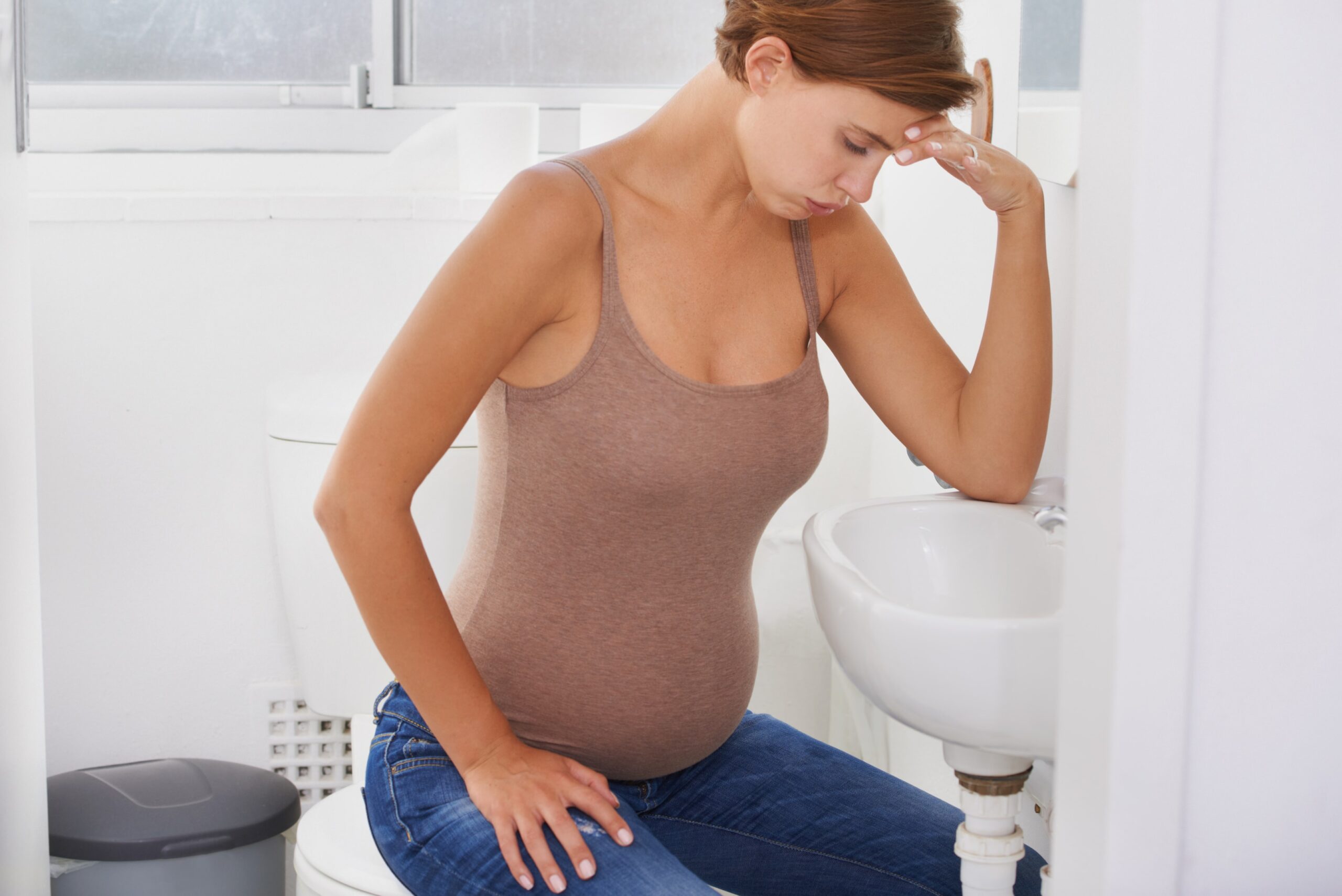
Have you noticed unexpected leaks of urine after childbirth and wondered if something went wrong during delivery? You are not alone. Many women experience urinary incontinence after childbirth, yet most hesitate to speak about it. This condition can feel embarrassing and sometimes isolating, but it is more common than most people realise.
The good news is that it is not a life sentence. With the right care, exercises, and treatment plan, we can effectively treat urinary incontinence and improve bladder control. Let us explore why this happens, how to identify the symptoms, and what remedies and prevention strategies actually work for women after pregnancy.
What Is Postpartum Urinary Incontinence?
Postpartum urinary incontinence is the involuntary leakage of urine after delivery. It occurs when the pelvic floor muscles, which support the bladder and urinary sphincter, become weak or damaged during pregnancy and childbirth. Some women experience stress incontinence, where urine leaks during coughing, sneezing, or laughing.
Others notice urge incontinence, where the bladder contracts suddenly, creating a strong need to pass urine. There are also cases of mixed incontinence, a combination of both. Though frustrating, it is manageable with proper postpartum incontinence treatments, including pelvic floor exercises, medical therapies, and in some cases, surgical treatments.
Main Causes After Childbirth
While urinary incontinence after childbirth may sound unusual, several biological and physical changes and risk factors explain why it develops. These causes are linked to the pregnancy journey, labour, and delivery process.
Pelvic Floor Weakness
During pregnancy, the growing uterus puts constant pressure on the bladder, pelvic floor, and vaginal tissues. This stress stretches the pelvic floor muscles that usually support the bladder sphincter. After vaginal delivery, these same muscles may remain weak, especially after prolonged labor or pushing.
- Weak pelvic floor muscles cannot support bladder control properly.
- This weakness leads to stress urinary incontinence, especially when pressure on the bladder increases.
- Many women find they leak urine while sneezing, exercising, or lifting their baby.
Nerve or Tissue Damage
Labour and delivery can sometimes damage the pelvic nerves that control bladder function. In addition, tissue stretching or small tears in the vaginal opening or birth canal may reduce support for the bladder neck.
- Damage to pelvic nerves can cause delayed signals to the bladder sphincter.
- This can result in urine leakage without warning.
- The risk increases after forceps delivery, prolonged pushing, or vaginal deliveries with larger babies.
Hormonal Changes
Hormonal shifts after childbirth also affect bladder health. A sudden drop in oestrogen, which helps maintain strong vaginal tissues and pelvic support, leaves the urinary system more vulnerable.
- Low oestrogen reduces the elasticity of vaginal tissues.
- This contributes to pelvic organ prolapse in some women.
- Bladder sphincter function can also weaken when hormones dip.
Symptoms of Urinary Incontinence After Childbirth
Recognising symptoms early makes it easier to start treatment options quickly. Postpartum incontinence has several signs, but women often ignore them due to stigma. However, ignoring urinary incontinence symptoms can delay recovery.
Most women notice bladder control issues within days or weeks of delivery. Some find symptoms improve gradually, but for others, they persist for months.
Urine Leakage
- Leakage when sneezing, coughing, or lifting objects is the most common symptom of stress incontinence.
- This happens because weak pelvic floor muscles fail to hold urine under sudden pressure.
- Women often describe it as “small drops” or “a few spoons of urine” leaking without control.
Urge Incontinence or Overactive Bladder
- Some women feel a sudden, strong urge to pass urine, often followed by leakage before reaching the toilet.
- This is linked to an overactive bladder, where sacral nerves send faulty signals.
- Frequent trips to the bathroom, sometimes every 30 minutes, are a common complaint.
Urinary Frequency and Nighttime Urination
- Developing incontinence often includes frequent urination both day and night.
- Many women pass urine more than eight times a day.
- This disrupts sleep and adds stress to recovery after childbirth.
Pelvic Organ Prolapse
- Some women notice heaviness or a bulging sensation near the vaginal opening.
- This may indicate the bladder or uterus has slipped slightly, called pelvic organ prolapse.
- Prolapse often coexists with bladder control problems.
Other Urinary Incontinence Symptoms
- Involuntary urination during physical activity or even while walking.
- Difficulty controlling urine midstream.
- Increased leakage when abdominal muscles contract strongly.
- Sensation of incomplete emptying of the bladder.
If you are experiencing urinary incontinence, know that you are not alone. Many women face the same challenges after vaginal delivery. The key is recognising the signs early and starting a treatment plan with guidance from a healthcare provider.
Remedies & Treatment Options

Treatment for urinary incontinence after childbirth depends on severity, bladder function, and overall pelvic health. For some women, conservative therapy and lifestyle changes are enough. For others, medical or surgical procedures may be required to treat incontinence.
Pelvic Floor Exercises & Lifestyle Changes
Pelvic floor muscle exercises, also known as Kegel exercises, are the foundation of postpartum incontinence treatments. These strengthen the same muscles that control bladder sphincter activity.
- Kegel exercises can be done daily, even while feeding the baby.
- Training the pelvic floor improves bladder control and reduces urine leakage.
- Lifestyle changes like maintaining a healthy weight, preventing constipation, and reducing caffeine also improve bladder function.
Medical Treatments & Devices
When pelvic floor exercises alone do not provide relief, medical support can help.
- Doctors may suggest bladder training programs to teach women how to resist urges.
- Electrical stimulation of pelvic nerves and tibial nerve therapy are non-surgical methods.
- Pessaries and bulking agents inserted vaginally provide additional bladder support.
Surgical Options
For persistent bladder control problems, surgical treatments may be necessary.
- Surgical procedures such as sling surgeries provide support to the bladder neck.
- Urinary sphincter repair is another option for severe incontinence.
- Surgery is usually considered after conservative therapy has not worked.
Prevention & Self-Care Tips
Preventing urinary incontinence is not always possible, but there are ways to reduce risk factors and improve pelvic health after pregnancy. Incontinence prevention focuses on strengthening the pelvic floor and supporting bladder control.
Self-care starts during pregnancy itself. Women who prepare their bodies before labour and delivery often recover bladder control faster.
Pelvic Floor Exercises and Physical Therapy
Pelvic floor exercises before and after delivery strengthen the same muscles used to stop urine midstream. A physiotherapist trained in women’s health can design a personalised plan.
- Regular pelvic floor exercises improve pelvic nerves, abdominal muscles, and bladder sphincter function.
- Physiotherapy uses biofeedback and electrical stimulation to improve pelvic health.
- Women who follow pelvic floor muscle exercises consistently report fewer bladder control issues.
Lifestyle Changes and Diet
Simple daily habits also help prevent urinary incontinence.
- Drinking enough water but avoiding excessive fluid intake supports bladder function.
- Prevent constipation by eating fibre-rich foods, as straining puts pressure on the bladder.
- Avoid smoking, as it weakens connective tissues and worsens stress urinary incontinence.
- Maintaining a healthy weight reduces pressure on the bladder and pelvic organs.
Managing Labour and Delivery
Some risk factors cannot be prevented, but being aware helps.
- Vaginal delivery increases the risk of urinary leakage, especially with prolonged labour or pushing.
- Discuss with your healthcare provider if you had prolonged labour, birth canal trauma, or forceps delivery.
- Postpartum check-ups are essential to detect pelvic organ prolapse early.
By adopting these prevention and self-care steps, women can reduce the risk of developing incontinence, strengthen the pelvic floor, and improve bladder health in the long run.
Trusted Treatment for Urinary Incontinence – SRM Global Hospitals
If you are experiencing urinary incontinence after childbirth, professional help is important. SRM Global Hospitals provides expert care for postpartum women facing bladder control issues. The hospital combines conservative therapy, physical therapy, bladder training, electrical stimulation, and surgical treatments depending on individual needs. Doctors here design treatment options based on thorough evaluation, including pelvic floor health and bladder function tests. Patients benefit from advanced diagnostic tools, skilled urologists, and experienced gynecologists who understand postpartum incontinence in detail.
Book your appointment today at SRM Global Hospitals to receive the best advice, personalised treatment plans, and access to advanced surgical procedures if needed. Early treatment for loss of bladder control ensures faster recovery, better pelvic health, and improved quality of life.
FAQs
1. Why does urinary incontinence after childbirth happen?
It usually occurs due to weak pelvic floor muscles, bladder sphincter strain, or pelvic nerve injury during vaginal delivery and prolonged labour.
2. What is the best urinary incontinence treatment after childbirth?
Kegel exercises, bladder training, physical therapy, and lifestyle changes are first-line treatments for urine leakage. In severe cases, surgical procedures may be recommended.
3. When should I consider urinary incontinence after childbirth surgery?
If conservative therapy like pelvic floor exercises and medical treatments fail after six to twelve months, surgery may be considered by a healthcare provider.
4. Can pelvic floor exercises strengthen the pelvic floor and prevent incontinence?
Yes. Regular pelvic floor muscle exercises improve bladder control, reduce leakage, and support pelvic health after pregnancy.
5. How can I prevent urinary leakage after pregnancy?
Maintain a healthy weight, prevent constipation, avoid smoking, and continue Kegel exercises. These self-care tips can help manage urinary frequency, reduce the risk of stress incontinence, and bladder control problems.
