


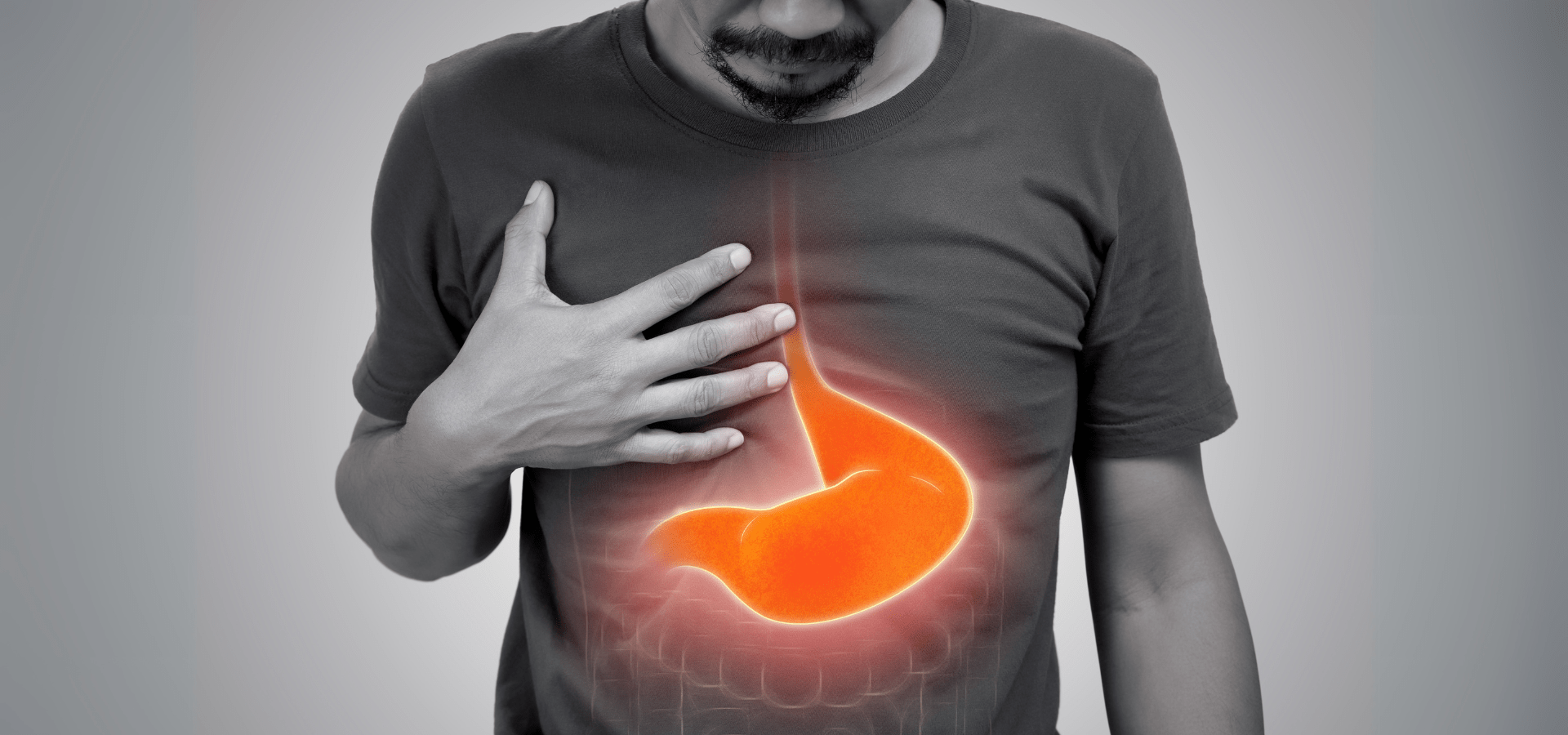
Understanding Esophageal Ulcer: Symptoms, Causes, and Treatments
Esophageal ulcers are open sores in the lining of the esophagus, often caused by stomach acid backing up due to conditions like gastroesophageal reflux disease (GERD). These ulcers can lead to painful symptoms and serious complications if untreated. With rising cases linked to lifestyle factors and underlying health conditions, early detection and proper treatment are critical.
Esophageal ulcer treatment focuses on managing symptoms, preventing recurrence, and promoting healing. Awareness of esophageal ulcer symptoms and timely diagnosis can reduce risks. This article explores what is an esophageal ulcer is, its causes, symptoms, and esophageal ulcer treatment options available today.
What Is an Esophageal Ulcer?
An esophageal ulcer is a type of peptic ulcer that forms in the lining of the esophagus, the muscular tube connecting the throat to the stomach. It typically results from long-term exposure to stomach acid, especially in people with chronic acid reflux or gastroesophageal reflux disease (GERD). When the esophageal lining is damaged repeatedly, ulcers may develop.
Unlike duodenal ulcers, which occur in the upper intestine, esophageal ulcers specifically affect the upper gastrointestinal tract. Left untreated, they can cause bleeding, infection, and even narrowing of the esophagus, known as esophageal stricture. Understanding the cause of esophageal ulcers is key to effective management.
Common Symptoms of Esophageal Ulcers
When an esophageal ulcer develops, symptoms can vary in severity depending on the size of the ulcer and its cause. In most cases, symptoms arise from irritation caused by stomach acid flows that reach the ulcer site. These symptoms often resemble those of other digestive conditions but can worsen over time without treatment. Recognizing esophageal ulcer symptoms early can help prevent serious complications.
1. Painful Swallowing Pain
Painful swallowing, medically known as odynophagia, is a common sign of an esophageal ulcer. The pain is usually sharp or burning and is felt behind the breastbone when food or liquid passes the ulcer. This discomfort may be persistent or worsen when eating acidic foods or hot drinks.
Painful swallowing pain may also be confused with sore throat, but unlike throat infections, it doesn’t improve with regular remedies. Chronic inflammation from reflux disease irritates the esophageal lining, intensifying the pain.
2. Chest Pain
Chest pain linked to esophageal ulcers is often mistaken for heart-related issues. The pain is usually located in the center of the chest and can worsen after meals or when lying down. It is caused by gastric acid irritating the ulcerated esophageal tissue. Since the esophagus lies close to the heart, the symptoms may mimic cardiac pain. Any chest pain should be medically assessed to rule out other causes. In severe cases, chest pain may indicate upper gastrointestinal bleeding or esophageal perforation.
3. Trouble Swallowing Coughing
Esophageal ulcers can make swallowing difficult or trigger a chronic cough. Scar tissue from chronic esophagitis may cause narrowing of the esophagus (esophageal stricture), making it hard to pass food. This can lead to coughing or choking while eating. People may feel like food is stuck in their throat.
Trouble swallowing pain or coughing may also occur due to reflux esophagitis. In some cases, excessive vomiting worsens the problem by further irritating the ulcer site. Medical tests are often required to diagnose the underlying cause.
4. Blood Frequent Nausea
Bleeding ulcers can cause the presence of blood in vomit or stools. Vomiting acid reflux combined with ulcer bleeding may present as “bloody coffee grounds” in vomit. Blood frequent nausea or a sense of fullness can signal upper gastrointestinal bleeding.
Nausea may be persistent, especially in the morning or after eating. Refractory bleeding ulcers, which do not heal with standard treatment, may be linked to ongoing use of pain medication or infections like herpes simplex virus.
5. Upset Stomach
Many individuals experience a general sense of stomach upset. This may include bloating, a burning sensation, or discomfort that mimics indigestion. Gastric juices that irritate the esophageal lining lead to upset stomach and dull, lingering pain.
These symptoms often occur after consuming acidic foods, caffeine, or alcohol. Chronic inflammation from reflux disease may worsen this sensation. If antacids or over-the-counter medicines fail to relieve the discomfort, further testing is needed.
6. Vomiting Acid Reflux
Severe ulcers can lead to vomiting episodes, especially if gastric acid irritates the esophagus. Vomiting acid reflux can be particularly painful, as it brings up stomach acid that aggravates the ulcer site. Repeated vomiting may result in dehydration, loss of appetite, and unintentional weight loss. It also increases the risk of esophageal perforation. If vomiting is frequent or contains blood, it requires immediate medical attention.
7. Burning Sensation
A persistent burning feeling in the chest or throat is a hallmark of reflux-related ulcers. The sensation typically worsens after meals, especially when lying flat. Gastric acid that travels up the esophagus leads to reflux esophagitis, which inflames and damages tissue.
Over time, this can create or worsen an ulcer. People may feel a sour taste in their mouth, and burning may extend up to the jaw. Quitting smoking and avoiding trigger foods may help reduce stomach acid and relieve symptoms.
8. Bad Breath and Metallic Taste
Chronic esophageal ulcers can sometimes cause halitosis or a metallic taste in the mouth. These symptoms may result from stomach acid regurgitation or bacterial infection around the ulcer. The unpleasant taste often worsens in the morning or after meals, especially if the person is experiencing reflux disease.
This sign may not seem serious at first but can be a signal of poor esophageal health. People may also notice a dry mouth sensation or coated tongue. If bad breath continues despite regular oral hygiene, it may be worth checking for digestive tract issues like peptic ulcer disease or chronic inflammation.
Symptoms and Possible Causes:
| Symptom | Possible Cause |
|---|---|
| Painful swallowing pain | Ulcer in esophagus, acid reflux |
| Chest pain | Gastric acid irritation |
| Trouble swallowing | Esophageal stricture, chronic esophagitis |
| Blood frequent nausea | Upper gastrointestinal bleeding |
| Upset stomach | Gastric juices, peptic ulcer disease |
| Vomiting acid reflux | Reflux disease, ulceration |
| Burning sensation | Chronic inflammation, GERD |
| Bad breath, metallic taste | Reflux, infection, poor esophageal health |
Causes and Risk Factors
Esophageal ulcers are usually caused by prolonged exposure of the esophagus to stomach acid, but also by other factors that can lead to ulcers caused by various conditions . Several factors can increase the risk of ulcer formation or worsen existing ones. Knowing these causes and risk factors is important to avoid complications like esophageal stricture or cancer.
1. Gastroesophageal Reflux Disease (GERD): GERD is one of the leading causes of esophageal ulcers. It occurs when the lower esophageal sphincter (LES) weakens or relaxes, allowing stomach acid to move upward. This acid damages the esophageal lining and can create open sores. Long-term GERD causes chronic esophagitis and increases ulcer risk. Lifestyle changes and medications to reduce stomach acid are often needed to manage this condition.
2. Pain Medication: Nonsteroidal anti-inflammatory drugs (NSAIDs), including ibuprofen and aspirin, can irritate the gastrointestinal tract. Regular or high-dose use can damage the esophageal lining, especially when taken without food. Drug induced esophagitis is a recognized condition. Patients taking NSAIDs for arthritis or other chronic pain should consult their healthcare provider about alternatives or protective treatments.
3. Infections: Certain infections, such as herpes simplex virus and fungal infections like Candida, can cause ulcers in the esophagus. These are more common in individuals with weakened immune systems or those undergoing chemotherapy. Opportunistic infections may also result from chronic illnesses like HIV or kidney diseases. Treatment involves antiviral or antifungal medication to clear the infection and allow healing.
4. Radiation Esophagitis: Patients undergoing radiation therapy for cancers in the chest or neck may develop radiation esophagitis. This condition damages the esophageal lining, increasing the chance of ulcer formation. The symptoms may appear weeks after treatment begins. Managing radiation effects with soothing agents, dietary changes, and medications helps ease discomfort.
5. Hiatal Hernia: A hiatal hernia occurs when a part of the stomach pushes through the diaphragm into the chest. This weakens the lower esophageal sphincter and worsens reflux disease. Over time, stomach acid flows more freely into the esophagus, increasing ulcer risk. Managing a hiatal hernia often includes lifestyle changes, medication, and in some cases, surgery.
6. Smoking and Alcohol: Tobacco and alcohol both irritate the lining of the esophagus. Smoking weakens the lower esophageal sphincter, allowing acid to rise. Alcohol increases acid production and slows ulcer healing. Quitting smoking and limiting alcohol intake are essential steps to treat infection and reduce symptoms. Long-term use of these substances may also increase cancer risk.
7. Stress and Diet: Stress may worsen digestive problems, though it’s not a direct cause of ulcers. However, a poor diet rich in acidic foods, caffeine, and fried items can irritate the esophagus. Trigger foods increase stomach acid, leading to discomfort. An esophageal ulcer diet includes soft, low-acid meals that are gentle on the lining.
8. Delayed Emptying of the Stomach: Delayed gastric emptying, also known as gastroparesis, slows down the movement of food from the stomach to the intestines. This leads to prolonged exposure of the esophagus to gastric acid, especially in people with reflux disease.
The longer food and acid remain in the stomach, the more likely it is that stomach acid flows upward. This can irritate the esophageal lining and lead to ulcers. Conditions such as diabetes can contribute to delayed gastric emptying. Managing blood sugar levels and using prokinetic medications may help reduce this risk.
Risk Factors and Effects:
| Risk Factor | Effect on Esophagus |
|---|---|
| GERD | Chronic esophagitis, ulcer formation |
| NSAIDs | Drug induced esophagitis |
| Infections | Opportunistic ulcer development |
| Radiation | Severe esophagitis, tissue damage |
| Hiatal hernia | Weak LES, increased reflux |
| Smoking/Alcohol | Irritation, delayed healing |
| Acidic diet | Gastric acid production, inflammation |
| Delayed gastric emptying | Acid exposure, increased reflux risk |
When to Seek Medical Attention
Immediate medical attention is needed if you experience severe chest pain, vomiting blood, or have black or bloody stools. These may be signs of upper gastrointestinal bleeding or esophageal perforation. Persistent trouble swallowing, unintentional weight loss, or frequent nausea should not be ignored. People taking NSAIDs or those with reflux disease must be extra cautious.
If symptoms continue despite antacid use or diet changes, consult a healthcare provider. Early diagnosis can prevent serious complications. Refractory ulcers, which do not heal with standard treatment, may need specialised care or esophageal ulcer surgery in severe cases.
Diagnosing an Esophageal Ulcer
Diagnosing an esophageal ulcer typically involves several steps to confirm its presence and rule out other conditions. Your healthcare provider will start by reviewing your symptoms and medical history, especially your use of medications like NSAIDs and any history of gastroesophageal reflux.
A physical examination may follow, but imaging and tests are necessary to make a diagnosis. The most common diagnostic tools include:
- Upper Endoscopy: A thin, flexible tube with a camera is inserted down the throat to view the esophagus directly. It allows doctors to locate the ulcer, assess its severity, and remove tiny tissue samples for biopsy.
- Barium Swallow: You’ll be asked to drink a liquid containing a substance called barium. X-rays then track the flow of barium through your gastrointestinal tract, highlighting abnormalities.
- Biopsy: Tiny tissue samples are collected during an endoscopy to check for cancerous cells, infections, or other underlying problems.
- Blood Tests: These help detect anemia from blood loss and infections.
In some cases, esophageal dilation may be needed during endoscopy if there is narrowing caused by scar tissue. Imaging results also help detect complications such as esophageal perforation or esophageal cancer. Prompt and correct diagnosis guides proper treatment.
Treatment Options
Treating an esophageal ulcer depends on the cause, severity, and presence of complications. The goal is to relieve symptoms, promote healing, and prevent future ulcers. Esophageal ulcer treatment includes medications, lifestyle adjustments, and sometimes surgery.
1. Medication-Based Treatments
- Proton Pump Inhibitors (PPIs): These reduce gastric acid production and allow ulcers to heal. Common PPIs include omeprazole and pantoprazole.
- H2 Receptor Blockers: These reduce acid as well, though they’re less potent than PPIs. Examples include ranitidine and famotidine.
- Antacids: Useful for immediate relief, antacids neutralize stomach acid but don’t promote long-term healing.
- Sucralfate: Coats the ulcer and protects it from acid, helping the tissue repair.
- Antibiotics: Used if the ulcer is linked to a bacterial infection.
- Antiviral or Antifungal Drugs: Prescribed if infections like herpes simplex virus or Candida are found.
Medicines must be taken as directed, sometimes for several weeks, to ensure complete healing. Skipping doses or stopping too early can lead to recurring symptoms or refractory ulcers that don’t respond to standard treatment.
2. Lifestyle Modifications
- Dietary Changes: Follow an esophageal ulcer diet that avoids spicy, acidic, and fried foods. Soft foods like oatmeal, mashed potatoes, and bananas are easier on the esophagus.
- Quit Smoking: Smoking impairs the healing of ulcers and increases acid production.
- Limit Alcohol: Alcohol irritates the esophagus and interferes with medications.
- Elevate the Head While Sleeping: Helps reduce acid reflux at night.
- Weight Loss: Reducing body weight decreases pressure on the lower esophageal sphincter.
- Regular Meal Timings: Eating meals at consistent times and avoiding large, heavy dinners can prevent reflux and support healing.
Surgical and Advanced Interventions
If ulcers do not heal or cause complications like bleeding, esophageal ulcer surgery may be required.
- Endoscopic Therapy: Used during upper endoscopy to control bleeding or remove damaged tissue.
- Esophageal Dilation: A minimally invasive procedure to widen narrowed sections of the esophagus.
- Emergency Surgery: Needed if perforation or severe bleeding occurs.
Surgery is typically a last resort, but it is effective in stabilising patients with life-threatening complications. Patients with frequent ulcer recurrence may benefit from surgical correction of underlying reflux issues, such as hiatal hernia repair.
3. Monitoring and Follow-up
- Regular Endoscopy: To monitor healing and ensure no progression to esophageal cancer.
- Blood Tests: To check for signs of infection, anemia, or other systemic effects.
- Doctor Reviews: Regular check-ins with your provider are important to adjust medications, assess progress, and identify any new issues.
The ulcer’s healing time varies. Mild ulcers may heal in a few weeks with medications, while severe cases could take months. Refractory bleeding ulcers require long-term care. Follow-up tests ensure the ulcer is closing properly and that no cancerous changes have developed. Esophageal ulcer treatment focuses on personalized plans to manage symptoms and ensure recovery.
Home Remedies and Natural Approaches
Home remedies can support medical treatments, especially in mild cases or during recovery. Natural methods aim to soothe symptoms and reduce acid levels.
Dietary Adjustments:
- Avoid acidic foods like citrus, tomatoes, and vinegar.
- Eat smaller, more frequent meals.
- Include soothing foods such as bananas, oatmeal, and rice.
- Stay hydrated with non-caffeinated drinks.
Lifestyle Tips:
- Do not lie down immediately after eating.
- Wear loose-fitting clothes to reduce abdominal pressure.
- Avoid trigger foods like chocolate, mint, and spicy items.
Natural Supplements:
- Aloe Vera Juice: May reduce inflammation in the esophagus.
- Licorice Root (DGL): Helps protect the lining of the esophagus. Must be taken under guidance.
- Slippery Elm: Coats the esophagus and may ease discomfort.
Herbal Remedies and Caution:
- Chamomile and ginger tea may help calm the stomach.
- Always consult a provider before starting herbal remedies, especially if you are taking medications.
Mindful Practices:
- Stress reduction through meditation, yoga, or deep breathing may ease digestive issues.
While these approaches can reduce symptoms, they should not replace medical treatment. They are best used alongside prescribed therapies. If pain continues or worsens, consult a healthcare provider.
Potential Complications If Left Untreated
Esophageal ulcers that are not treated can lead to serious complications. One risk is esophageal stricture, where scar tissue causes narrowing and blocks food passage. Other risks include upper gastrointestinal bleeding, esophageal perforation, and increased chances of esophageal cancer.
Chronic inflammation can cause long-term damage, affecting quality of life and nutrition. Refractory bleeding or infection may demand hospitalization or emergency surgery. These outcomes highlight the need for timely diagnosis and treatment. Avoiding self-medication and monitoring symptoms carefully is essential.
Prevention Tips
Preventing esophageal ulcers involves reducing stomach acid exposure and protecting the esophageal lining. Simple daily habits and medical guidance can lower the chances of ulcers returning.
Key Prevention Strategies:
- Manage acid reflux through medications and lifestyle.
- Avoid NSAIDs or take them with protective drugs.
- Eat a balanced, low-acid diet.
- Quit smoking and limit alcohol.
- Monitor and treat infections early.
- Keep your weight in a healthy range.
Preventive Habits:
- Do not skip meals or overeat.
- Stay upright after eating.
- Sleep with your head elevated.
- Identify and avoid trigger foods.
- Use medications as prescribed
Monitor Your Health:
- Get regular check-ups if you have GERD or reflux esophagitis.
- Notify your doctor about any new or worsening symptoms.
Prevention vs. Risk Reduction:
| Prevention Tip | Risk Reduced |
|---|---|
| Acid reflux management | Chronic esophagitis, ulcer recurrence |
| Avoiding NSAIDs | Drug induced esophagitis |
| Healthy diet | Inflammation, gastric acid damage |
| Quitting smoking/alcohol | Delayed healing, ulcer formation |
| Sleeping upright | Nighttime acid reflux |
| Weight control | Reduced pressure on LES |
SRM Global Hospitals – Book Your Appointment Today!
At SRM Global Hospitals, we understand the impact esophageal ulcers can have on your daily life. Our team of gastroenterologists and surgeons offers specialised care for ulcers, GERD, and related gastrointestinal tract conditions.
We use advanced diagnostic tools such as upper endoscopy and barium swallow tests to detect ulcers accurately and design personalised treatment plans. Our esophageal ulcer treatment focuses on reducing symptoms, healing ulcers, and preventing future complications.
- State-of-the-art diagnostics and endoscopy suite
- Individualized esophageal ulcer diet plans
- Comprehensive care for peptic ulcer disease and kidney diseases
- Options for minimally invasive procedure and esophageal dilation
- Emergency surgery support for severe cases
Take control of your digestive health today. Book your appointment with SRM Global Hospitals for expert diagnosis and care.
FAQs
1. How long does an esophageal ulcer take to heal?
Mild ulcers may heal within 2–6 weeks. Severe or refractory ulcers can take longer, depending on treatment and underlying causes.
2. What foods should I avoid with an esophageal ulcer?
Avoid acidic foods, caffeine, alcohol, spicy and fried foods. Follow an esophageal ulcer diet rich in soft, low-acid meals.
3. Is esophageal ulcer surgery always needed?
No, surgery is for severe or non-healing ulcers. Most cases improve with medication and lifestyle changes.
4. Can stress cause esophageal ulcers?
Stress doesn’t directly cause ulcers but can worsen symptoms by increasing acid production and unhealthy eating habits.
5. What is the best way to treat esophageal ulcer naturally?
Use natural remedies like aloe vera, slippery elm, and licorice under medical supervision. Combine with dietary changes and proper rest.
